9 TGE Projects Worth Watching in Q1 2026 (With Participation Guide)

Odaily星球日报Published on 2026-01-06Last updated on 2026-01-06

Abstract

Here is a concise English summary of the article: This article highlights nine notable crypto projects with Token Generation Events (TGEs) scheduled for Q1 2026, providing a brief overview and participation guide for each. **Key Projects & TGE Details:** * **Brevis:** A ZK-powered off-chain compute engine. Its BREV token launched on Binance Alpha on January 6th. No public sale was held. * **Fogo:** A new SVM-based Layer 1 blockchain. Its FOGO token airdrop is scheduled for shortly after its mainnet launch on January 13th. Users can interact with its ecosystem to potentially qualify. * **Infinex:** A full-stack DeFi platform by Synthetix's founder. Its public token sale is ongoing until January 10th, with a TGE planned for late January. * **Zama:** A company focused on Fully Homomorphic Encryption (FHE). A sealed-bid Dutch auction for its ZAMA token starts soon, with TGE expected around the end of January. * **Rainbow:** A user-friendly Web3 wallet. Its public sale has ended, but users can still earn points through app interactions. TGE is confirmed for February 5th. * **Rails:** A decentralized perpetual futures DEX. Users can complete quests and trade to earn points. TGE, delayed from late 2025, is predicted for early February. * **Gensyn:** A decentralized compute network for AI. Its public sale is over. Tokens from the sale are claimable in early February, indicating a TGE around that time. * **StandX:** A DeFi project combining synthetic stablecoins and...

Original | Odaily Planet Daily (@OdailyChina)

Author | Asher(@Asher_ 0210)
Brevis: The "Smart Engine" Featuring the Concept of an "Infinite Computation Layer"

Project Introduction

Brevis is an off-chain computation engine built on zero-knowledge proofs, positioned as the "infinite computation layer for Web3 and everything." Simply put, Brevis enables smart contracts to become "smarter," shifting from passive execution to active computation, saving computational costs while improving efficiency, thereby facilitating user interaction with protocols, asset accumulation, and increasing protocol adoption rates. Brevis has generated high community discussion due to receiving Vitalik's "endorsement."
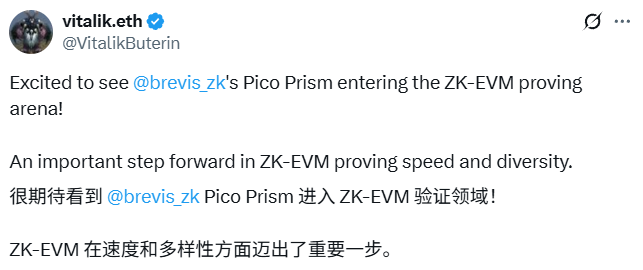
Brevis Receives Vitalik's "Endorsement"

Brevis completed a $7.5 million seed round in November last year, led by Polychain and Yzi Labs (For more details, read: Unpacking Brevis: Favored by Vitalik, $7.5M Funding, How Does This Off-Chain Computation Engine Unlock a New Ethereum Paradigm?).

Participation Tutorial

No public sale. Both Phase 1 and Phase 2 interaction tasks have ended.

TGE Time

Currently, the BREV airdrop registration phase has ended. According to official news, the BREV token will be listed on Binance Alpha today (January 6th).

Fogo: New L1 Based on the Solana Virtual Machine (SVM)

Project Introduction

Fogo is a new Layer 1 blockchain based on the Solana Virtual Machine (SVM). Its technical architecture aims to solve the performance bottlenecks of existing blockchains, providing a more efficient and lower-cost transaction experience. The project is currently in the developer network (devnet) phase, reportedly achieving over 54,000 transactions per second. The testnet is expected to launch in Q1 this year, with the mainnet scheduled for Q2.

According to ROOTDATA, Fogo has completed seed and community rounds, raising a total of $13.5 million.

Participation Tutorial

Fogo canceled its planned $20 million token presale (2% of total supply). The FOGO tokens originally intended for the presale will instead be airdropped to the community, and the 2% of tokens allocated to core contributors have been burned. Therefore, interaction is worthwhile before the snapshot time is announced.

STEP 1. Bridge assets from the Solana network to the Fogo network (Link: https://portfolio.fogo.io/). Requires connecting a Web3 wallet that supports the Solana network.

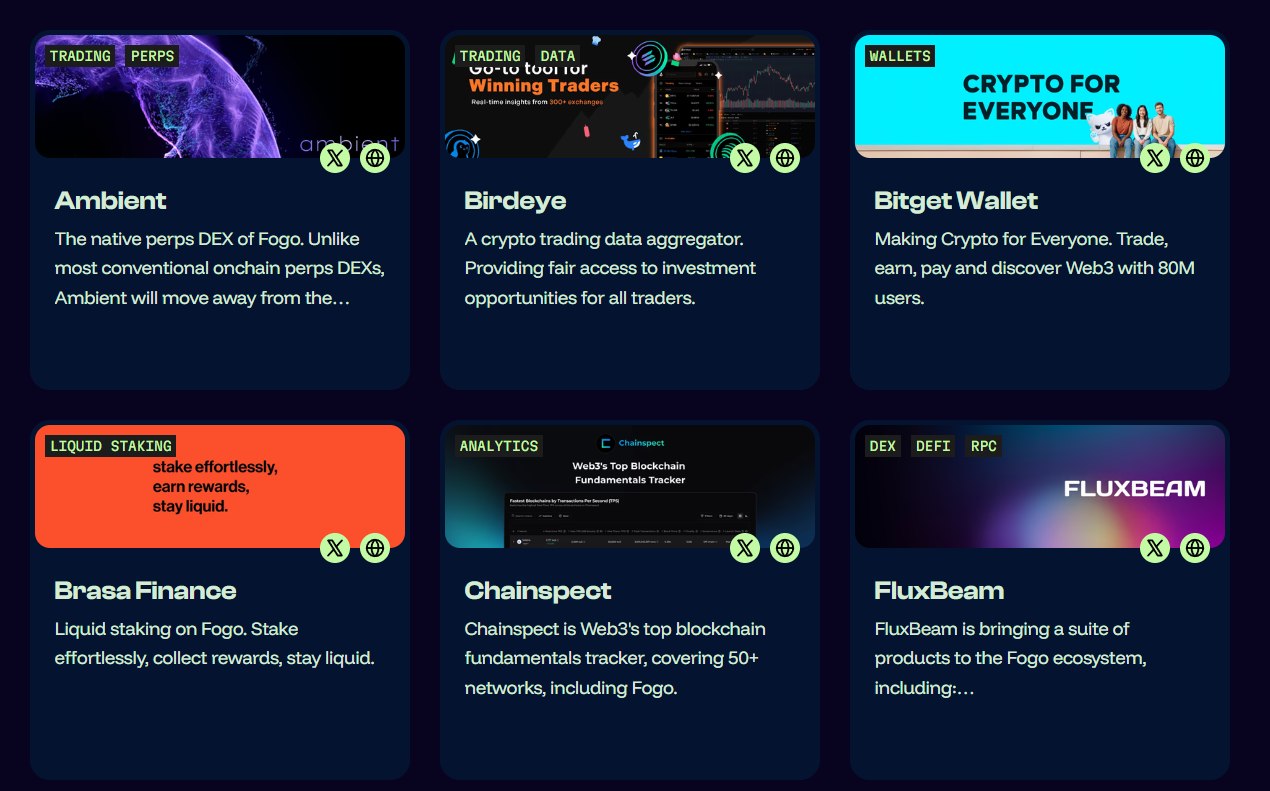
STEP 2. Experience Fogo ecosystem projects (Link: https://www.fogo.io/ecosystem).
TGE Time

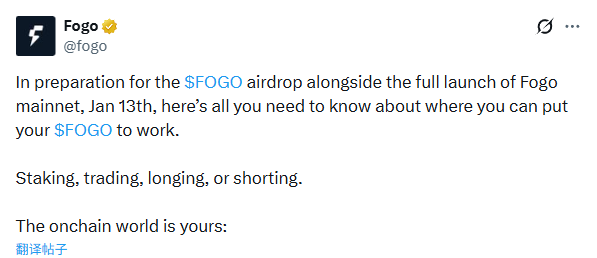
According to official news, Fogo will launch its mainnet on January 13th, followed immediately by the FOGO token airdrop.
Infinex: Full-Stack DeFi Services

Project Introduction
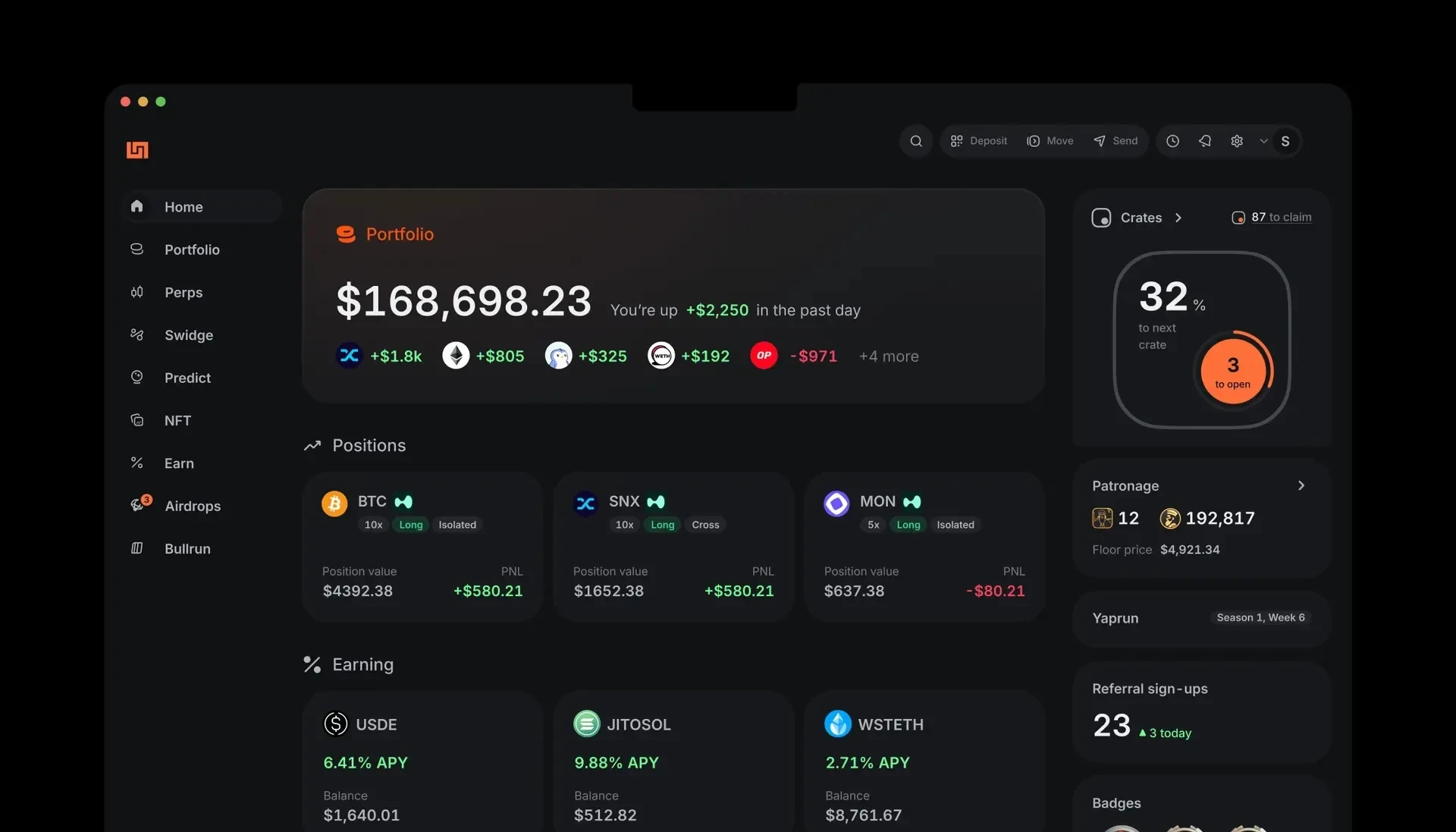
Infinex is a decentralized financial platform launched by Synthetix founder Kain Warwick in April 2024. Its goal is to provide a product experience close to that of centralized exchanges while maintaining decentralization, thereby narrowing the usability gap between CeFi and DeFi. The platform focuses on optimizing interaction processes and user experience while maintaining non-custodial assets and on-chain security (Read more: Infinex Token Sale New Rules: $0.0099 Locked for One Year vs. $0.03 Unlockable, Choose One).

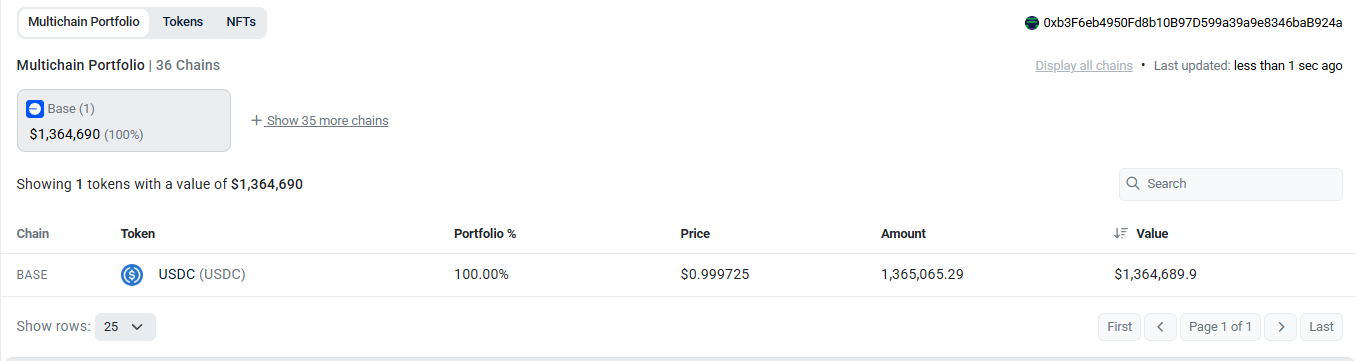
Infinex began its token sale on January 3rd at 2:00 PM Beijing Time. As of now, it has raised $1.36 million (Funding address: https://etherscan.io/address/0xb3f6eb4950fd8b10b97d599a39a9e8346bab924a#asset-multichain).
Notably, due to fundraising difficulties, Infinex adjusted its public sale rules yesterday, including:

  • Removed Cap: No more $2,500 maximum limit; users can contribute any amount they wish.
  • Changed to Bottom-Up Allocation: We are replacing random allocation with a water-filling mechanism, meaning everyone's allocation increases simultaneously and uniformly until their individual cap is filled or the total supply is exhausted. Any over-contributed amounts will be refunded.
  • Patron Priority Retained: Patrons still enjoy allocation priority, but specific rules will be finalized after the sale concludes—once we have real demand data instead of continuing to guess.
  • Lock-up Mechanism Remains: We still believe lock-ups create long-term alignment of interests for those who truly believe in the product.

Participation Tutorial

The token sale is still open for participation (Link: https://infinex.xyz/sale) until January 10th.

TGE Time

According to official platform information, TGE is scheduled after the public sale, tentatively set for late January.

Zama: Dedicated to Advancing Fully Homomorphic Encryption Technology

Project Introduction

Zama is a company specializing in Fully Homomorphic Encryption (FHE) technology, one of the most hardcore innovations in the privacy computing field. Zama has completed two funding rounds, raising a total of $130 million. In March 2024, Zama announced a $73 million Series A round co-led by Multicoin Capital and Protocol Labs. In June 2025, Zama announced a $57 million Series B round led by Blockchange Ventures and Pantera Capital.

Participation Tutorial

Two participation methods: First, mint the Zama OG NFT (eligible users can "keep an eye out"), not yet open (Link: https://www.zama.org/claim). Second, the community public sale (Link: https://www.zama.org/auction) will open in two days, using a sealed-bid Dutch auction to sell 10% of the total ZAMA token supply (Read more: Zama Public Sale Too Complex? Understand the Sealed Dutch Auction Play in One Article).

TGE Time

The Zama token public sale allows token claiming starting January 20th, so the TGE time is likely late January.

Rainbow: Web3 Wallet

Project Introduction
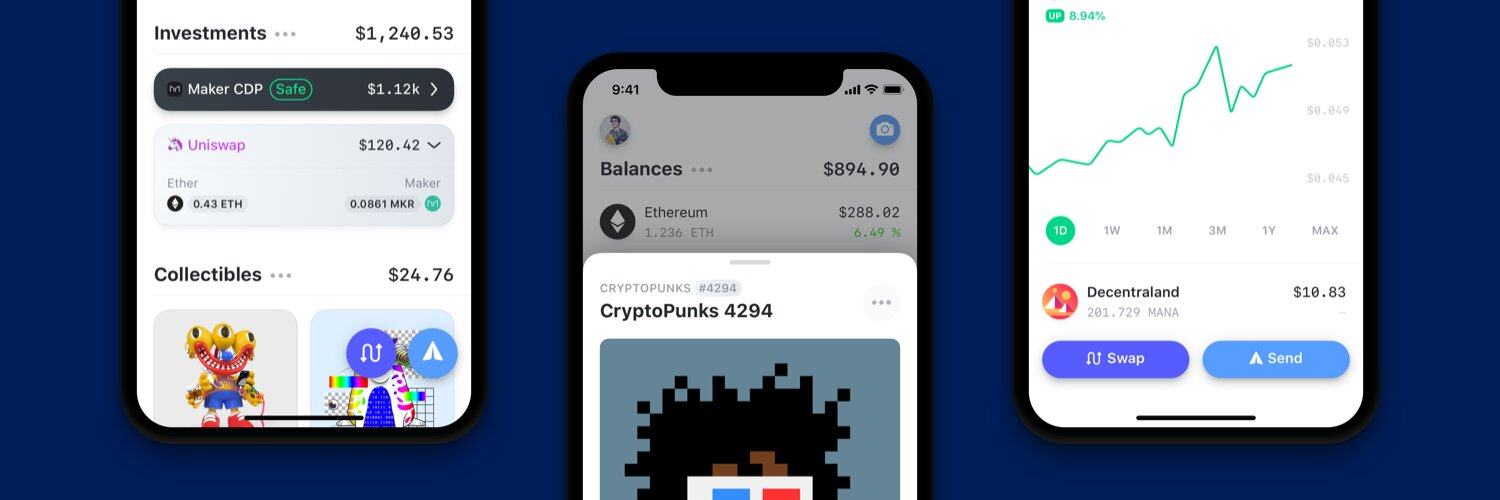
Rainbow is a Web3 wallet project aiming to help users easily explore and manage assets, including NFT collections, DeFi app connections, and cross-chain bridging, through a simple, intuitive, and secure user interface. Rainbow emphasizes a "fun, simple, secure" design philosophy, akin to a "Robinhood for Web3," lowering the barrier for newcomers to crypto, supporting ENS domain integration, and providing a seamless experience on mobile and desktop.

To date, Rainbow has raised nearly $20 million.

Participation Tutorial

Rainbow's public token sale on CoinList has ended. Users can still interact with Rainbow to earn points for a potential token airdrop.

STEP 1. Go to the official website (Link: https://www.rainbow.me/points), download the Chrome extension or mobile App.
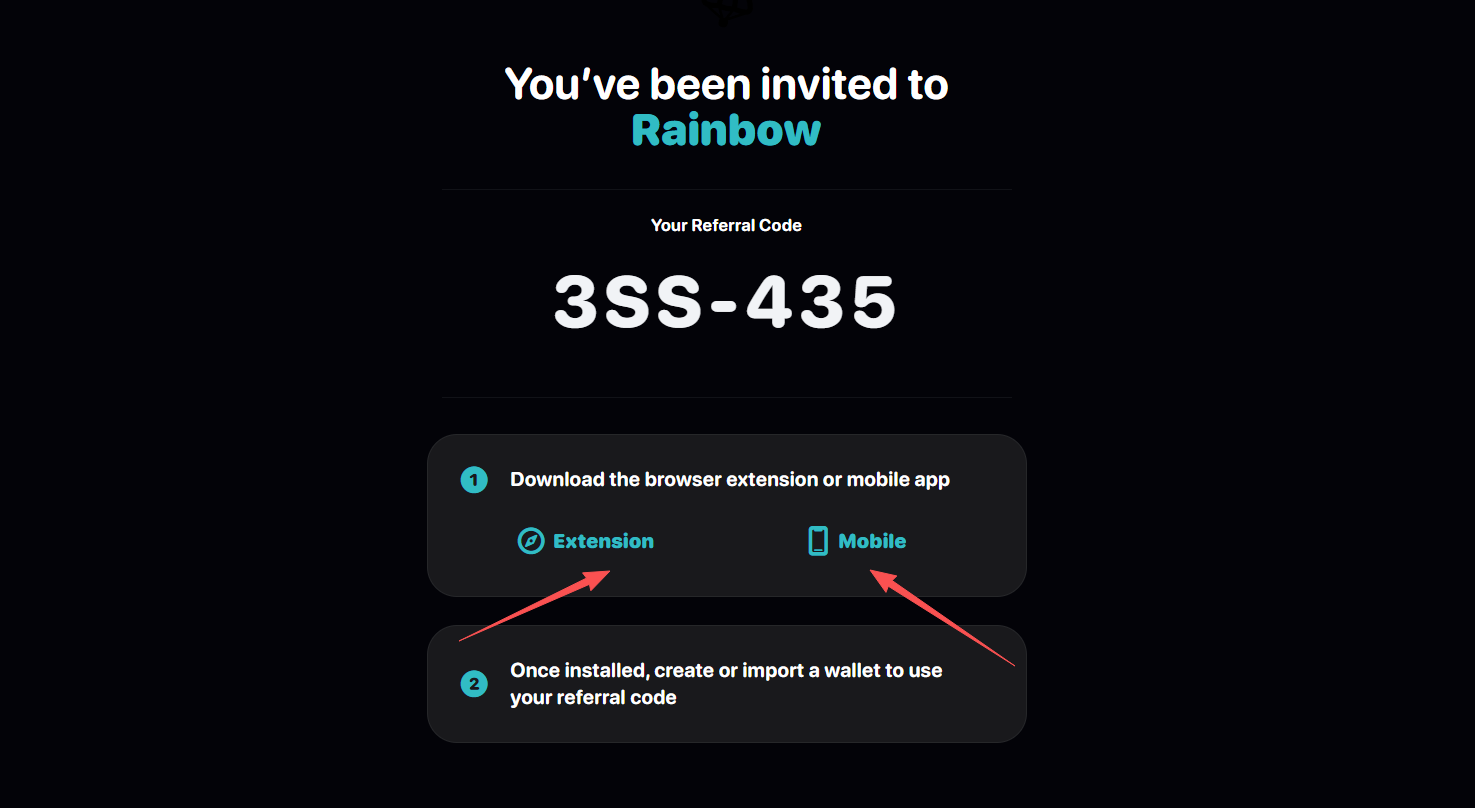
STEP 2. Create a new wallet or import a personal wallet (importing is recommended as new wallets have no points). Then, click the "Airdrop" icon below and enter the invitation code "3SS-435".
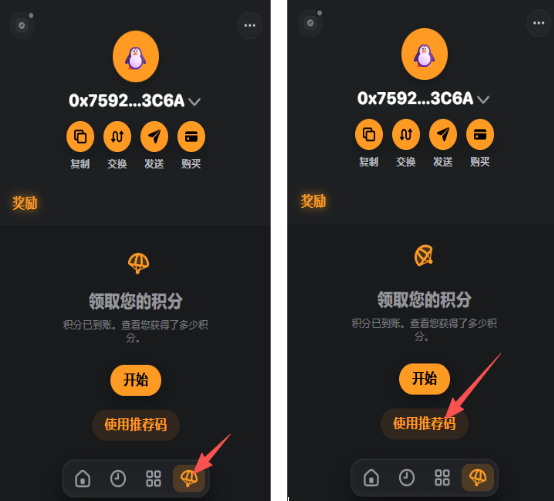
STEP 3. After receiving initial points, increase weekly points by performing Swaps and other interactions within the Rainbow wallet.

TGE Time

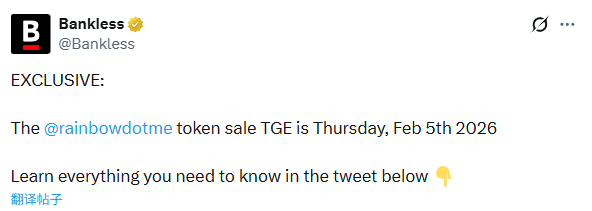
According to official news, the Rainbow TGE time is confirmed for February 5th (See the official retweeted video: https://x.com/Bankless/status/2000941258504810852).
Rails: Decentralized Financial Perpetuals DEX

Project Introduction
Rails is a perpetual contracts trading platform using a hybrid architecture: centralized order matching for execution speed with funds fully custodied on-chain. The platform is built on Kraken's Layer 2 network, supporting low-latency trade execution and providing on-chain proofs to verify fund safety and transaction transparency. The project has received investment from multiple institutions, including Kraken Ventures and Slow Ventures, with total funding of $20.2 million.

Participation Tutorial

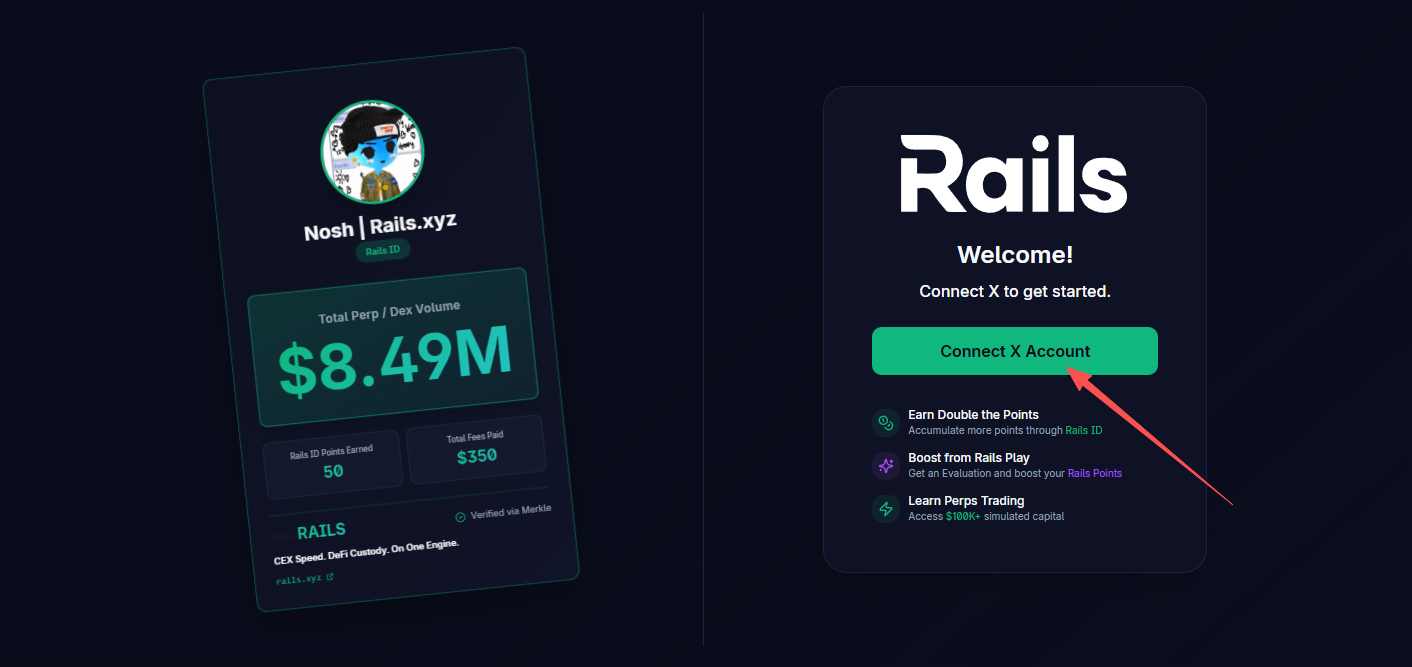
STEP 1. Go to the interaction website (Link: https://quest.rails.xyz/onboard), click "Connect X Account" to log in and link your wallet.
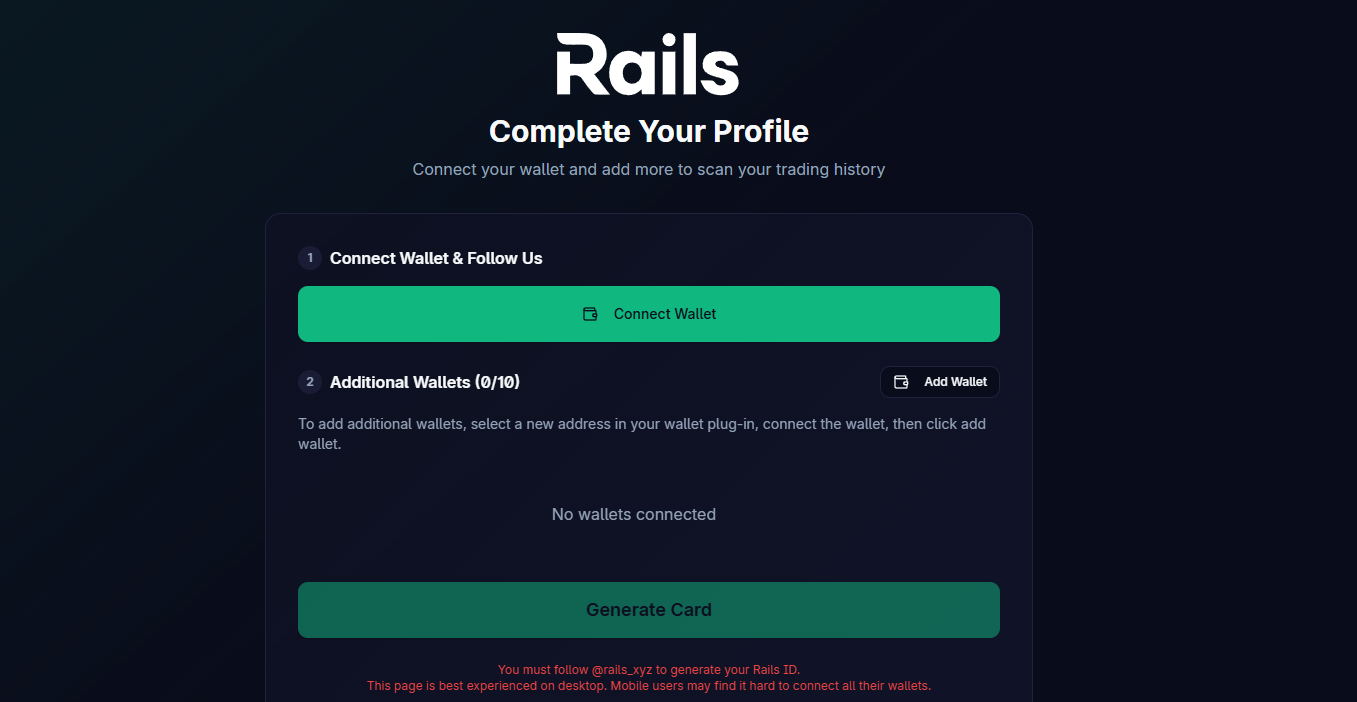
STEP 2. Claim your Rails ID and complete the social tasks on the platform.
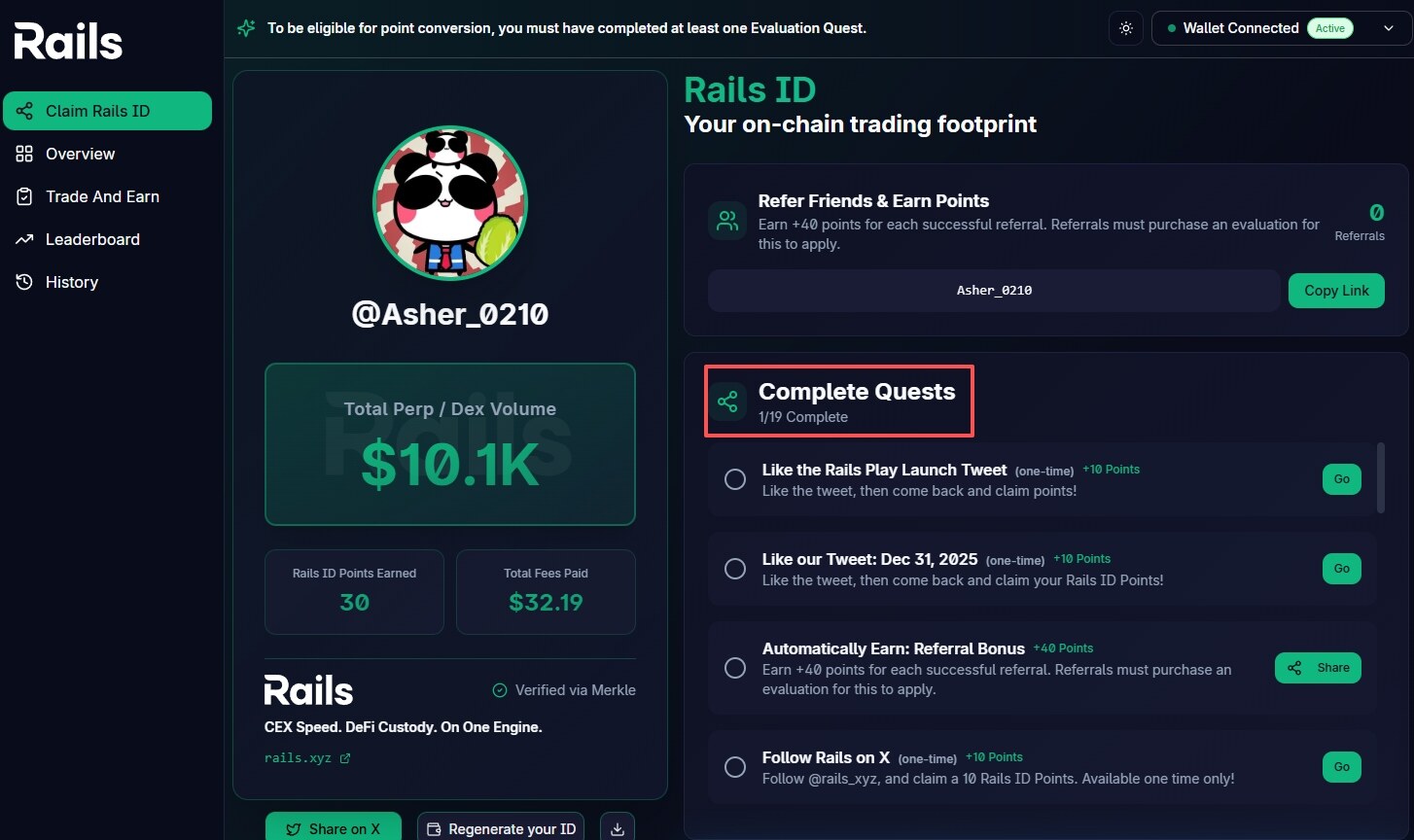
STEP 3. Click "Trade And Earn" and complete the daily check-in tasks to earn points.

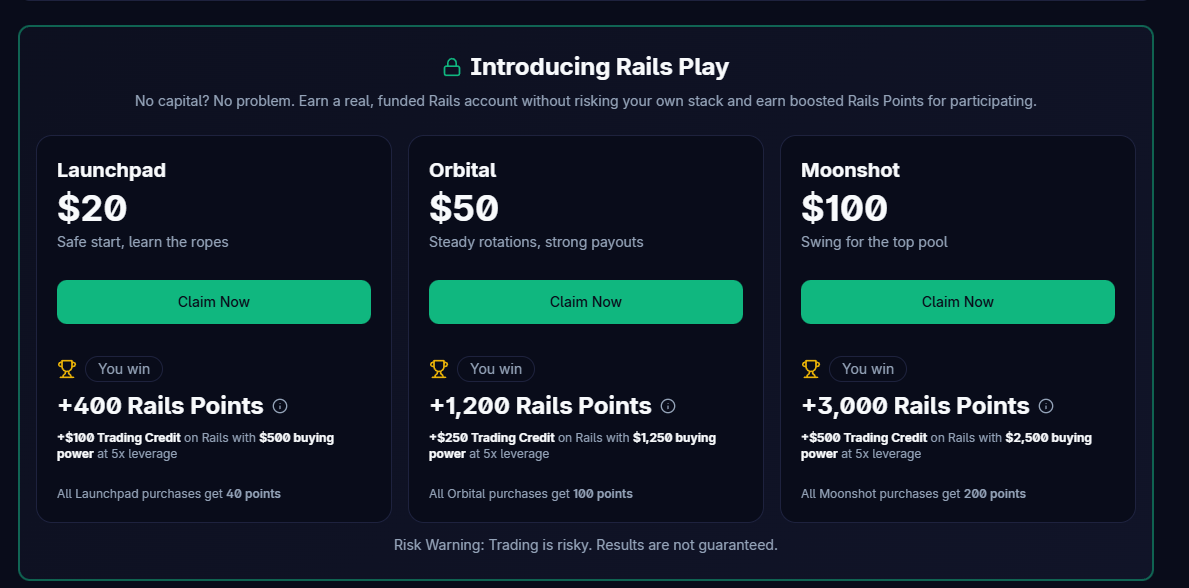
STEP 4. Optionally pay $20, $50, or $100 to receive trading experience funds and earn more points (Consider whether to pay based on your situation).

<极速>
TGE Time

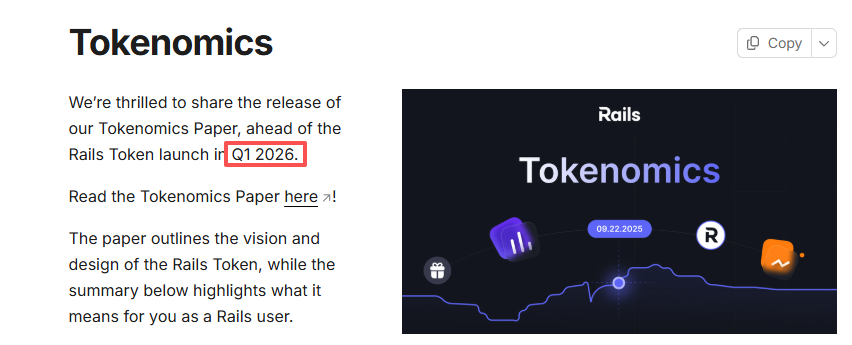
According to official documentation, the Rails TGE, originally scheduled for December 2025, has been postponed to Q1 this year. Some community members predict the TGE might be in early February.

Gensyn: Open Network for Decentralized AI Systems

Project Introduction

Gensyn is an open network for decentralized AI systems. In March 2022, Gensyn announced a $6.5 million seed round led by Eden Block. In June 2023, Gensyn announced a $43 million Series A round led by a16z.

Participation Tutorial

The public token sale has ended. Additionally, Gensyn has temporarily closed its testnet in preparation for the mainnet launch.

TGE Time

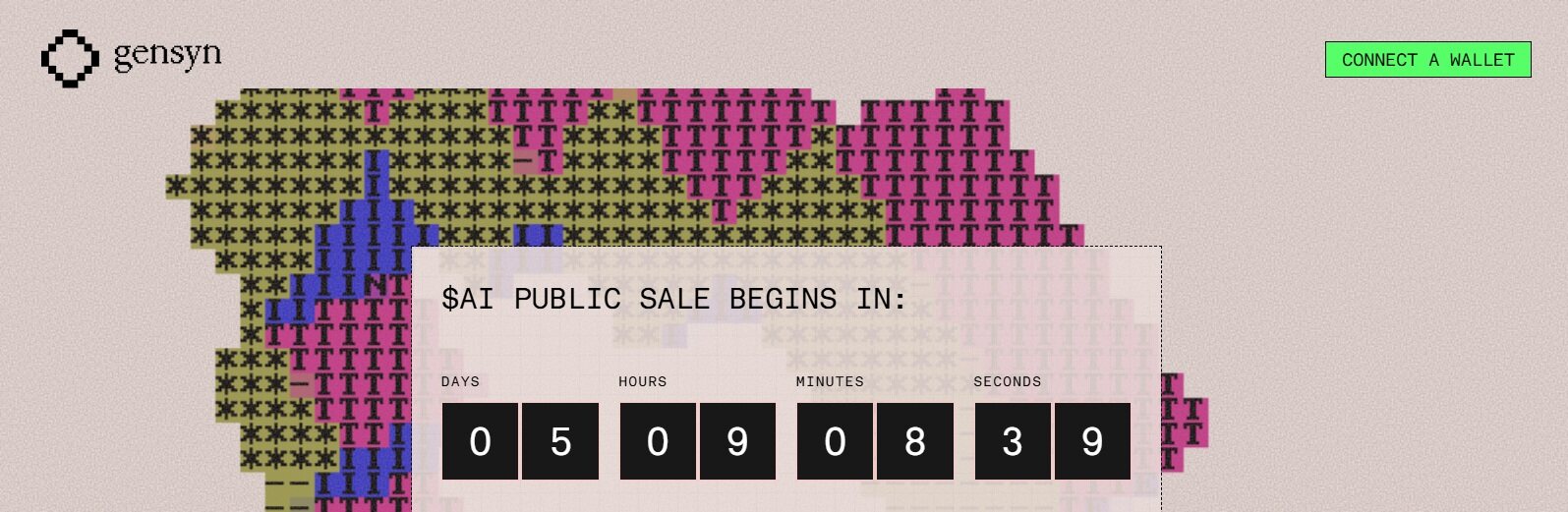
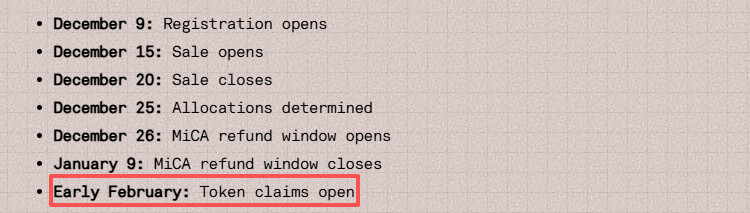
According to official information, tokens from the public sale can be claimed in early February, meaning the TGE is also in early February.

StandX: Decentralized Financial Perpetuals DEX

Project Introduction

StandX is a decentralized finance project founded by core former members of the Binance Futures team, focusing on combining synthetic stablecoins with a perpetuals DEX.

  • Founding Background: Core team includes former Binance Futures head Aaron Gong and former Binance Futures director Justin. They left Binance in 2024 to start a venture in the emerging on-chain space.
  • Project Positioning: StandX aims to merge an Ethena-like synthetic stablecoin mechanism with a Hyperliquid-like decentralized contract trading model, forming a complete financial ecosystem.
  • Vision Goal: The team believes stablecoins and decentralized contracts are two key sectors in blockchain. StandX hopes to combine them through innovative design to provide users with efficient, secure, and transparent trading and stable value storage solutions.

Participation Tutorial

StandX's "Trade to Earn Points for Airdrop" is still in its early stages. Ways to earn points include:

Method 1: Deposit DUSD to get tDUSD (1.2x points). Steps:

  • Mint DUSD with USDT/USDC.
  • Deposit DUSD into the Perps wallet to convert it to tDUSD.
  • 1000 tDUSD / day = 1200 points.
  • Lossless participation, suitable for beginners and non-traders.

Method 2: Provide LP. Point rules:

  • DUSD: 1 point per DUSD per day.
  • USDT/USDC: 1.2 points per USDT/USDC per day.

Example: 1000 DUSD + 1000 USDT → 2200 points/day.

Method 3: SWAP trading for points (specific pairs), 5 points per 100 DUSD trading volume.

This method has significant slippage; "point farmers" should participate cautiously.

Method 4: Invite friends; both parties get an additional 5% points bonus.

Method 5: Trade on the StandX mainnet to earn points.

  • If profitable: More profit → more tDUSD → higher points.
  • If loss-making: Losses exceeding 50% of initial capital still yield points based on 50% of initial capital.

The daily trading check-in activity is worth participating in. Complete two trades over $100 daily to get 10 points.

Additionally, StandX launched a trading points exchange for special Discord roles. Trading points over 500 can claim the "500 Active Trader Role" (registration deadline for wallets: before January 6th). Trading points over 5000 can claim the "Hardcore Trader Role" (no time limit, register after completion).

TGE Time

Currently, StandX官方 has not hinted at a TGE time, but based on community feedback, TGE is expected in Q1.

OpenMind: Building a Universal Operating System for Intelligent Machines and a Decentralized Collaboration Network

Project Introduction

OpenMind, founded by Stanford Professor Jan Liphardt, is dedicated to building a universal operating system for intelligent machines and a decentralized collaboration network, enabling robots from different manufacturers and of different forms to securely trust each other, share information, and collaborate globally.

In early August this year, OpenMind announced a $20 million funding round led by Pantera Capital, with participation from Ribbit, Sequoia, Coinbase Ventures, DCG, Lightspeed Faction, Anagram, Pi Network Ventures, Topology, Primitive Ventures, Amber Group, and other institutions and angel investors.

Participation Tutorial

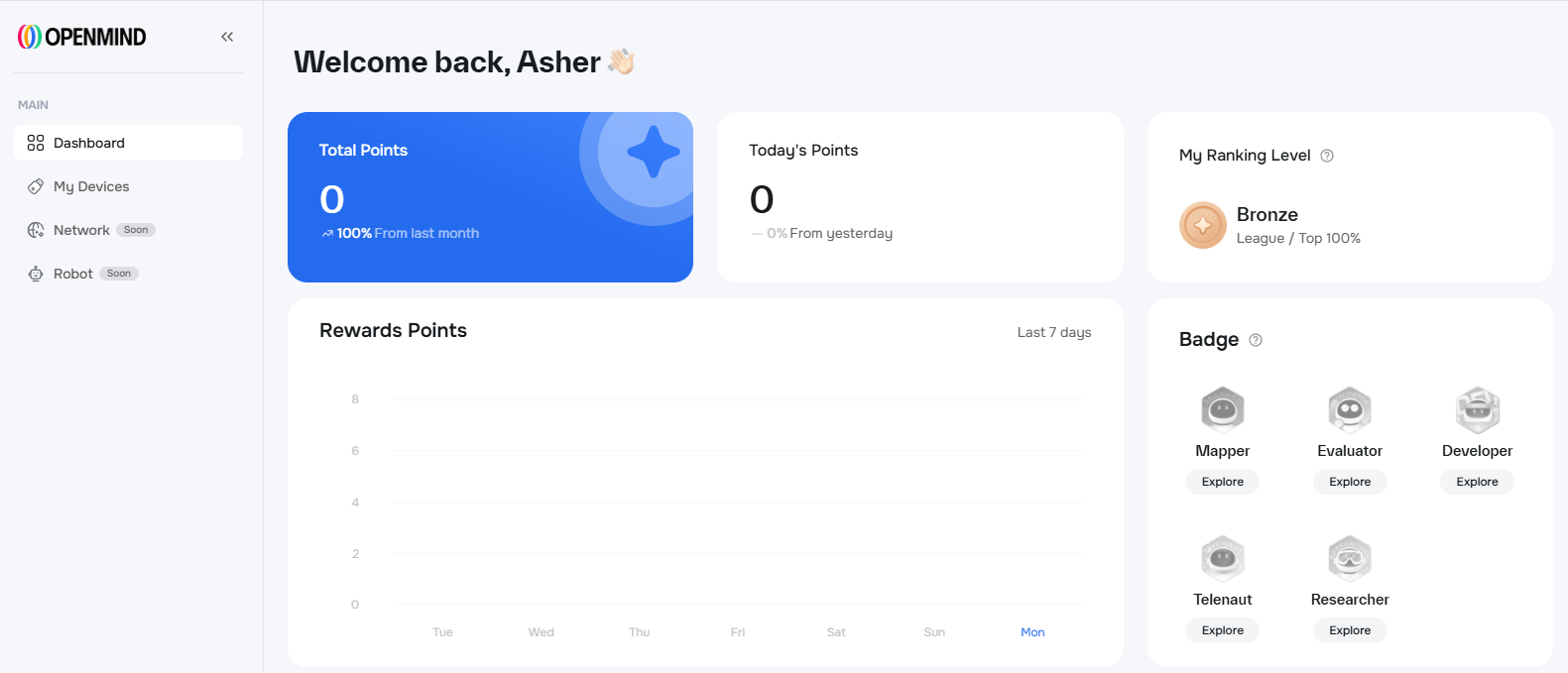
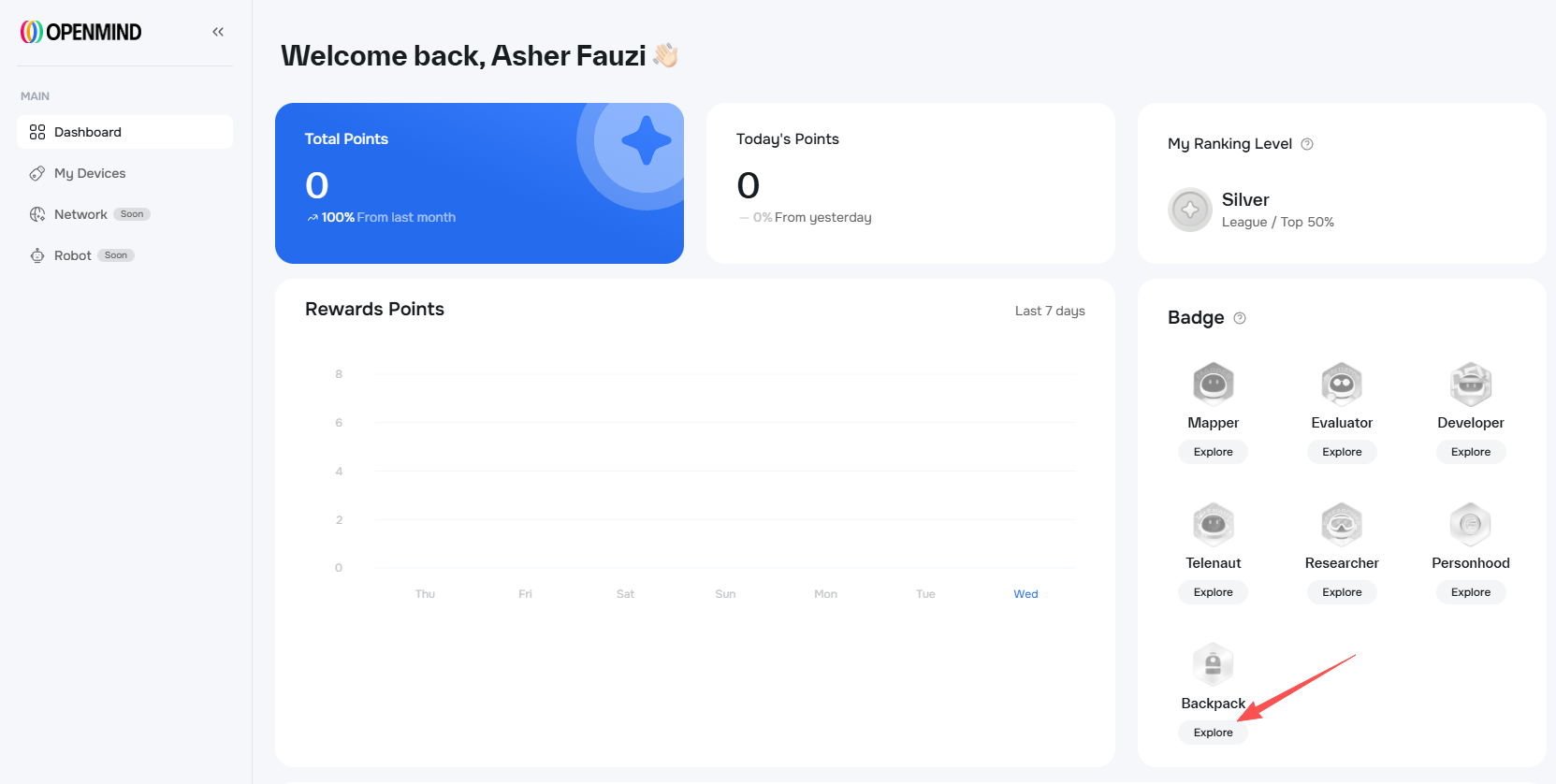
STEP 1. Go to the interaction website (Link: https://fabric.openmind.org/sign-in), register using a Google email.

STEP 2. Install the World Coin app on your phone, click "Personhood," follow the process to register and receive a badge.

STEP 3. Install the Backpack app on your phone and register a personal wallet. Then, click "Backpack," scan the QR code to connect, and receive a badge.

TGE Time

In late December 2025, OpenMind官方 first reminded users to bind social media and Mint NFT. Subsequently, on December 30th, it established a foundation account, suggesting a TGE might happen soon.

Related Questions

QWhat is the main concept behind Brevis and why is it gaining significant community attention?

ABrevis is a zk-powered off-chain computation engine that aims to be the 'infinite computation layer for Web3 and everything.' It enables smart contracts to become more intelligent by shifting from passive execution to active computation, reducing costs and improving efficiency. It gained significant community attention due to endorsement from Vitalik Buterin.

QHow can users potentially participate in the Fogo token distribution after the cancellation of its planned presale?

AAfter canceling the $20 million presale, Fogo reallocated those tokens for a community airdrop. Users can interact with the network by bridging assets from Solana to Fogo and exploring projects within the Fogo ecosystem to potentially qualify before the snapshot date is announced.

QWhat were the key changes made to the Infinex public token sale rules due to fundraising difficulties?

AInfinex adjusted its rules by removing the $2,500 contribution cap, switching to a 'water filling' allocation mechanism instead of a random one, maintaining priority for 'Patron' participants, and keeping the token lock-up mechanism to ensure long-term alignment.

QWhat is the fundraising total for Zama and what is the unique method for its public token sale?

AZama has raised a total of $130 million. Its public token sale for 10% of the total ZAMA supply will be conducted using a sealed-bid Dutch auction.

QWhat is the confirmed Token Generation Event (TGE) date for the Rainbow wallet and how can users still earn potential rewards?

AThe confirmed TGE date for Rainbow is February 5th. Users can still earn points for a potential airdrop by downloading the wallet, using an invite code, and performing swaps and other interactions within the app.

Related Reads

AI Agents Also Need 'Credit Checks': ERC-8126 is Filling the Gap in On-chain Trust

The article discusses ERC-8126, a proposed standard designed to address the lack of trust and verification for AI Agents operating on-chain. While ERC-8004 provides AI Agents with a basic on-chain identity (answering "Who are you?"), it does not guarantee trustworthiness. ERC-8126 aims to fill this gap by establishing a verification layer (answering "Are you reliable?"). It standardizes how independent verification providers can assess an agent's associated risks across five key areas: Token/Contract Verification (ETV), Media Content Verification (MCV), Solidity Code Verification (SCV), Web Application Verification (WAV), and Wallet Verification (WV). These providers generate a standardized risk score (0-100) and proofs based on their checks, without acting as a single authoritative certifier. This allows wallets, marketplaces, dApps, and other agents to consume these risk signals—for example, to display warnings, filter listings, or make interaction decisions. The standard also incorporates concepts like Private Data Verification (PDV) and Zero-Knowledge Proofs (ZKP) to allow verification without exposing sensitive underlying data. Positioned alongside ERC-8004 (Identity) and ERC-8183 (Commerce for agents), ERC-8126 represents a step toward building a verifiable and accountable infrastructure for the emerging on-chain AI Agent economy, shifting trust assessment from purely user-based judgment to standardized, consumable signals.

marsbit13m ago

AI Agents Also Need 'Credit Checks': ERC-8126 is Filling the Gap in On-chain Trust

marsbit13m ago

Rented Conviction: How Much Real Money Is Behind the Bitcoin ETF Flows

Borrowed Belief: How much of Bitcoin ETF flows are real money? Weekly Bitcoin ETF flows, often interpreted as a measure of institutional conviction, are heavily influenced by a hidden arbitrage trade rather than genuine directional buying. A cash-and-carry arbitrage, where traders buy the ETF while simultaneously shorting Bitcoin futures on the CME to lock in a basis spread (the price difference between futures and spot), drives roughly half of the week-to-week flow volatility. This delta-neutral activity appears as ETF inflows but is unrelated to price views. Data shows a strong correlation (0.70) between weekly ETF inflows and increases in hedge fund short positions on CME futures, while Bitcoin’s weekly price returns have almost no explanatory power. However, this arbitrage activity dominates short-term *fluctuations*, not the cumulative *stock* of investments. Of the total ~$55 billion in net ETF inflows since launch, only about $1 billion currently represents net arbitrage exposure. The vast majority consists of steady, directional buying averaging around $400 million per week. The arbitrage trade has been unwinding for two years, with hedge fund short positions peaking near $14 billion in late 2024 and declining to ~$4.5 billion. Recent ETF outflows partly reflect this ongoing unwind as the basis compresses, not a loss of faith in Bitcoin. Thus, ETF flows overstate the *volatility* of belief, not its *level*. The headline number is more a gauge of arbitrage desk activity than conviction. For accurate interpretation, monitor the CME basis relative to Treasury yields and hedge fund net shorts—these reveal how much of the reported “demand” is truly directional.

marsbit16m ago

Rented Conviction: How Much Real Money Is Behind the Bitcoin ETF Flows

marsbit16m ago

Borrowed Faith: How Much of the Bitcoin ETF Flows Are Real Money

"Rented Faith: How Much of Bitcoin ETF Flows Are Real Money?" Bitcoin ETF inflows are often seen as a barometer of institutional conviction. However, week-to-week analysis reveals they are primarily driven by a hidden arbitrage trade rather than directional bullishness. This is the cash-and-carry trade: buying the ETF while simultaneously shorting Bitcoin futures on the CME to lock in the price difference (basis). This delta-neutral activity registers as ETF inflows but reflects a rate-seeking, not price-betting, strategy. Data shows weekly ETF flow volatility is closely tied to hedge fund ("leveraged funds") short positions on CME futures, with a correlation of 0.70. About half of weekly flow variation can be explained by this single factor. In contrast, Bitcoin's weekly price changes have no statistically significant power to predict flows. Crucially, while this arbitrage trade dominates weekly *fluctuations*, it is not the main component of the cumulative *stock*. Of the ~$55 billion total net inflow, the estimated net arbitrage position is only about $1 billion. The vast majority is steady, directional buying averaging ~$400 million per week. Thus, ETF flows overstate the *volatility* of belief, not its *level*. The "rented" arbitrage capital churns, while "owned" directional capital forms the bedrock. This arbitrage trade has been unwinding for two years, with hedge fund shorts peaking at ~$14 billion in late 2024 and falling to ~$4.5 billion. Recent outflows align with basis compression, signaling the trade's exit, not a loss of faith. For Ethereum ETFs, the same dynamic is weaker due to negative carry from forgone staking yield. The key takeaway: To interpret ETF flows, watch the basis vs. Treasury yields and CME hedge fund net shorts. They reveal how much of the weekly "demand" headline is driven by rented, rate-seeking capital versus real conviction.

链捕手30m ago

Borrowed Faith: How Much of the Bitcoin ETF Flows Are Real Money

链捕手30m ago

Trading

Spot
Futures
活动图片