Криптозима? Посмотрите на хешрейт Bitcoin

VC.ruPublished on 2022-09-08Last updated on 2022-09-08

Abstract

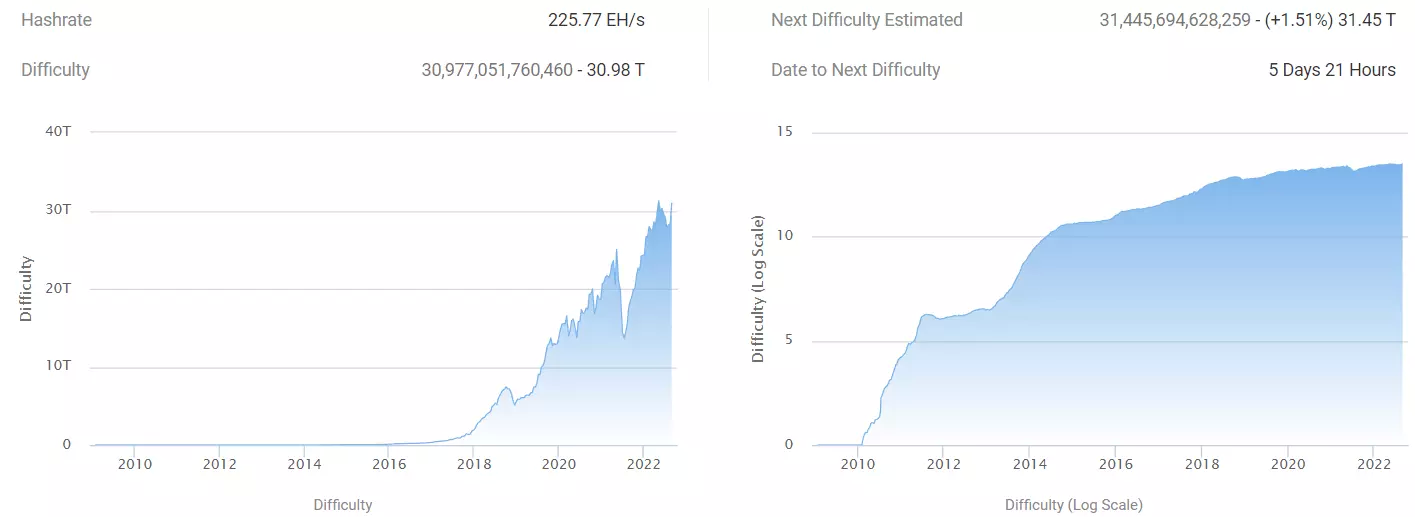
Несмотря на падение капитализации крипторынка и банкротство ряда крупных проектов, хешрейт Bitcoin близок к историческому максимуму. Майнеры продолжают вводить новые мощности, тем самым повышая безопасность и стабильность сети.

Несмотря на падение капитализации крипторынка и банкротство ряда крупных проектов, хешрейт Bitcoin близок к историческому максимуму. Майнеры продолжают вводить новые мощности, тем самым повышая безопасность и стабильность сети.

Источник изображения: btc.com

31 августа хешрейт сети подрос на 9% до 221,7 EH/s, что близко к достигнутому 11 мая историческому максимуму в 223,7 EH/s. Судя по ускоренному нахождению блоков и прогнозируемому росту сложности через 5 дней на 1,5%, майнеры продолжают вводить в работу новые устройства.

Ситуация плохо вяжется с падением Bitcoin на 72% от рекорда и обвалом акций публичных майнинг-компаний вслед за криптовалютой.

Парадокс заключается в чрезмерном оптимизме одних компаний и готовности к турбулентности рынка других. Например, Stronghold Digital Mining в ожидании дальнейшего роста рынка заказала в прошлом году большую партию асиков в кредит. В августе она была вынуждена вернуть 26 200 машин, которые выступали залогом. Сумма соглашения о ликвидации составила $67 млн. Акции компании сейчас торгуются в 25 раз ниже максимума.

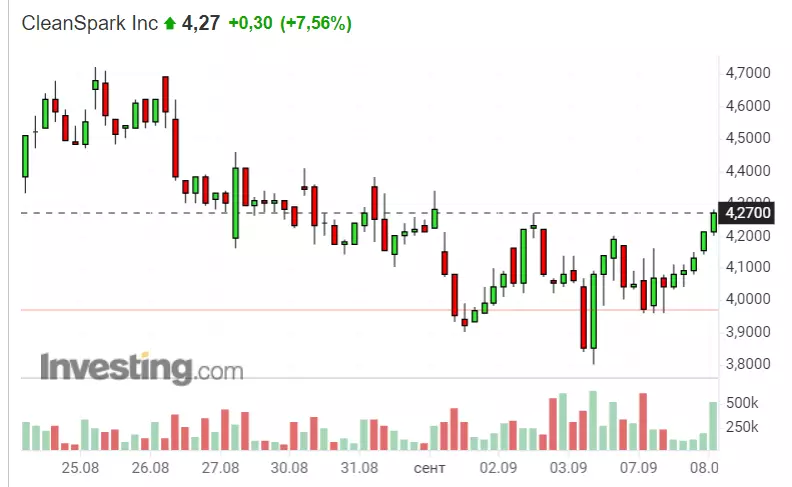
Напротив, Cleanspark вчера объявила о покупке 10 000 Antminer S19j Pro у Bitmain за $28 млн. Исполнительный директор Мэтт Шульц отметил, что компания готовилась к криптозиме, чтобы нарастить мощности по выгодным ценам. Менее чем за год хешрейт компании вырос в три раза, превысив 3 EH/s. Ежедневно она добывает 13,25 BTC. Акции Cleanspark так же торгуются со значительным дисконтом к началу года, однако на последней новости выросли на 7,5% за сутки.

Источник изображения: investing.com

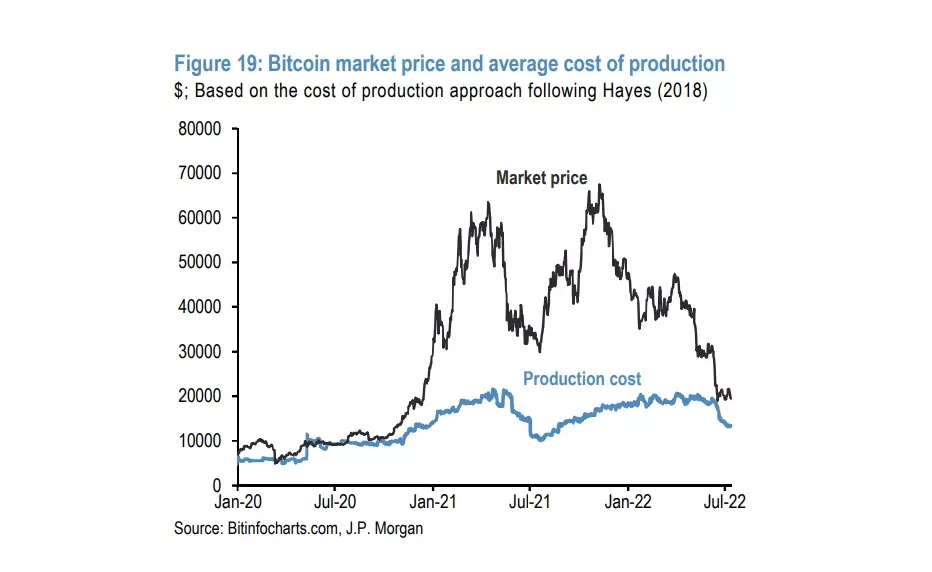
Излишняя самоуверенность в инвестиционных прогнозах майнинг-компаний возникла из-за ралли 2020-21 гг., когда цена значительно оторвалась от себестоимости добычи. Одни компании рассчитывали на дальнейший рост, набрав кредиты и соблазнив инвесторов высокой доходностью. Другие были готовы к охлаждению рынка.

Источник изображения: bloomberg.com

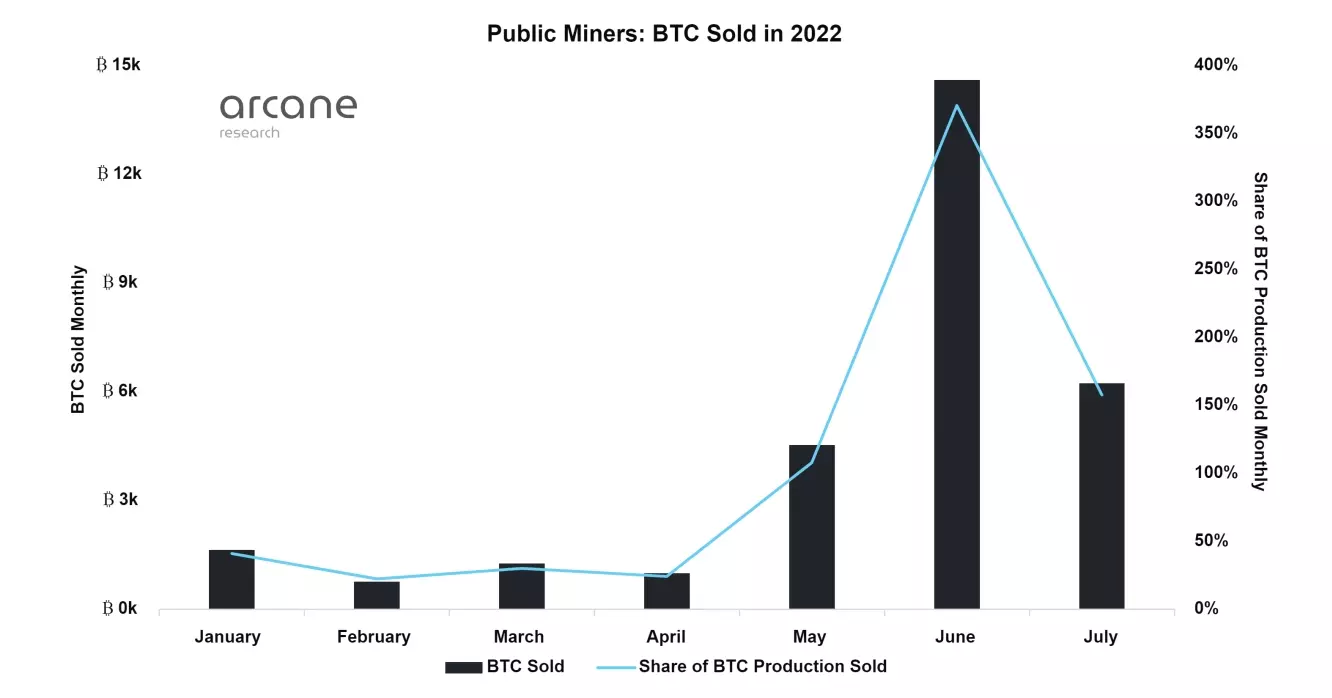
Аналогичную тенденцию можно проследить в способности майнеров накапливать Bitcoin. Компании с более крепкой бизнес-моделью удерживают добытые монеты в надежде продать их по более высокой цене. Слабые же игроки вынуждены сбрасывать Bitcoin в самые неблагоприятные моменты, когда с общим падением рынка возникает острый дефицит средств на операционные расходы. Увеличивая предложение, они оказывают дополнительное давление на цену.

Источник изображения: arcane.no

В период с мая по июль публичные майнеры продали больше, чем добыли в эти месяцы. Например, лидер по хешрейту Core Scientific придерживалась стратегии ходлера, однако в указанный период реализовала 12 тыс. BTC и откатилась по уровню запасов среди коллег с первого на шестое место.

Происходящие события сложно назвать криптозимой, скорее, это стресс-тест для компаний и проектов. Игроки с сильной бизнес-моделью не только остаются в строю, но и используют открывшиеся возможности для укрепления позиций.

StormGain для vc.ru.

Related Reads

DRAM ETF Issuer: Samsung, SK Hynix, Micron All Surpass $1 Trillion, the AI Era of Memory Chips Has Only Just Begun

Authors: Dave Mazza, Thomas DiFazio | Source: Deep Tide TechFlow The article, written by Roundhill Investments (issuer of the DRAM ETF), responds to Morningstar's caution about investing in memory chip stocks. Morningstar warns of the sector's history of boom-bust cycles, a lack of economic moats, and potential momentum-driven overvaluation. Roundhill argues the current situation is structurally different due to AI. Key points in Roundhill's rebuttal include: * **Changed Demand & Supply Dynamics:** AI infrastructure, not consumer electronics, is now the primary growth driver for memory demand. New, strict long-term supply agreements with hyperscalers reflect the high capital intensity of advanced manufacturing. * **Existence of a Moat:** High-Bandwidth Memory (HBM), essential for AI, has extremely high manufacturing barriers. The market is dominated by Samsung, SK Hynix, and Micron, with new entrants blocked by technological complexity and long lead times for equipment like ASML's EUV machines. * **Strong Fundamental Outlook:** Analyst consensus projects the three companies will rank among the world's most profitable by 2027, with combined profits of $704 billion on over $1 trillion in revenue. Their operating margins have already reached record highs. * **Valuation Re-rating:** Despite significant stock price gains, memory stocks trade at attractive valuations (e.g., a median NTM P/E of 8.37x for the DRAM ETF) relative to projected explosive EPS growth. Roundhill suggests historical valuation frameworks may no longer apply given the new profitability paradigm. Conclusion: Roundhill contends the rally is justified by fundamentals, marking a structural shift for the memory industry into a new era of sustained, AI-driven demand against constrained supply, rather than a repeat of past cycles.

marsbit52m ago

DRAM ETF Issuer: Samsung, SK Hynix, Micron All Surpass $1 Trillion, the AI Era of Memory Chips Has Only Just Begun

marsbit52m ago

EF's Epic Reorganization: 20% Layoffs, Budget Halved, Is Ethereum Gearing Up for a Leaner Future?

The Ethereum Foundation (EF) has announced a major organizational restructuring, involving a 20% staff reduction (approx. 54 employees) and a division into functional clusters like Protocol, Access, User, Community, and Institutional layers. Co-founder Vitalik Buterin further revealed plans to cut the EF's budget by around 40% over the coming years, aiming to reduce its annual spending rate from about 15% to roughly 5% by 2030, transitioning to an endowment-driven model. This overhaul is seen as a long-overdue correction to the EF's ambiguous role. As Ethereum grew, the foundation faced persistent criticism over ETH sales, perceived lack of execution, and unclear strategy, often becoming a focal point for community frustration amid ETH's price stagnation. The reform aims to redefine the EF's boundaries, narrowing its focus to core protocol research, public goods funding, and ecosystem coordination, while offloading more applied development work to the broader market. Concurrently, ecosystem forces like the newly formed Ethlabs (founded by ex-EF researchers) and other independent groups are stepping in to fill the space, signaling a shift from a centralized model to a more distributed, collaborative ecosystem structure. The move was notably praised by Solana co-founder toly, who viewed a "leaner" EF as potentially more decisive and agile.

Odaily星球日报1h ago

EF's Epic Reorganization: 20% Layoffs, Budget Halved, Is Ethereum Gearing Up for a Leaner Future?

Odaily星球日报1h ago

Trading

Spot
Futures
活动图片