合并在即,关于以太坊下半场的主题Layer2,这些你一定要知道

白话区块链Published on 2022-08-26Last updated on 2022-08-26

Abstract

根据8月25日消息,以太坊官方表示,以太坊权益证明机制升级将在北京时间 2022 年 9 月 6 日 19:34:47 左右进行。

根据8月25日消息,以太坊官方表示,以太坊权益证明机制升级将在北京时间 2022 年 9 月 6 日 19:34:47 左右进行。历经多年,以太坊合并终于要来了!可以预见,以太坊合并的到来将带动Layer2解决方案繁荣发展。

那么为什么合并之后还是要促进Layer2的发展呢?

Layer2是解决方案的统称,旨在通过提高 TPS 性能并降低gas 费用来扩展比特币、以太坊或任何其他“核心”区块链。这些解决方案被称为“第 2 层”,因为它们位于(并依赖于)第 1 层网络之上。

以太坊网络尤其关注这一点。在 2020 年 10 月发表的一篇文章中, V神指出,由于gas费上涨,许多非 DeFi DApp 已被排除在网络之外。因为当网络变得拥挤时,用户会争相更快地处理他们的交易。由此产生的每个区块中的空间竞标战通常将gas价格推高,有时费用超过 130 美元,这使得大多数去中心化应用程序 ( DApps ) 难以承受。

尽管目前以太坊是最常用的并且可能是最安全的区块链,但上述缺陷也不得不正视,为此之前也说过各种各样得解决方案。今天就来汇总一下白话区块链往期有关以太坊和Layer2的精华内容,一起来结合最新报道温故知新吧:)

01

为什么以太坊要从1.0升级到2.0

以太坊2.0是对当前以太坊1.0主网的重大升级,旨在通过提高其性能包括可扩张性、安全性和可持续性等来加速以太坊的使用和应用。

以太坊2.0 将主要分成四个 “阶段(Phase)” 发布,并在每个阶段都将以不同的方式改进以太坊的功能和性能。

与1.0不同,这些升级由以太坊生态系统中的多个不同团队主导,每个团队都专注于构建整个升级中的特定部分,这就好像是一个公司产品的发布。

阶段 0 :这是以太坊 2.0 的第一阶段,重点是推出信标链

阶段 1:这个阶段的重点是分片或我们后面要描述的数据分片。

阶段1.5:这个阶段的重点是让64条分片链对接信标链,让当前的以太链成为分片之一,共65条链。

阶段2:在这个阶段,以太坊开始系统的融合及完善,逐渐完成2.0。

更多细节:一文说透 | 以太坊已经是王者了,为何还要大费周章继续升级到2.0?

02

Layer2扩容有哪些发展方向

Layer2, 作为以太坊2.0完成之前最为重要的扩容手段,在2020年迎来了落地之年。而同样,也迎来了一个拼刺刀的时代,各大通道、侧链、Rollup家族摩拳擦掌,嚯嚯来袭!

伴随着这些基础技术的出现,也诞生了很多代表性的项目!更多细节:区块链目前最大的问题是缺用户,这类新进展至少可支撑1000万新用户?

到了2021年,“扩容”这个词从开始进入大众视野已经过去4年。随着Arbitrum的主网上线,我们对于“扩容”这本书,已经翻到了倒数第二章。

通道技术的发展已经明确定位为一个扩容方案的“辅助位”,站不到前排,更不用提C位。

DPoS,EOS,Tron,BSC的发展给区块链带来了很多新的思路,不过总体趋向中心化,能打的也不多。

而大区块一个比DPoS更加“直观”的扩容方式。但也有问题就是,大区块需要高性能节点,而高性能节点又和去中心化的发展有冲突,所以大区块这种扩容方式是否可行或是证伪,依旧需要市场的检验。

然后就是侧链,侧链的目的是实现双向锚固,使某种加密token币可以在主链和侧链之间“转移”。更多细节:比特币、以太坊的发展瓶颈即将消失,盘点过去4大方向的扩容方案,你看好哪些?

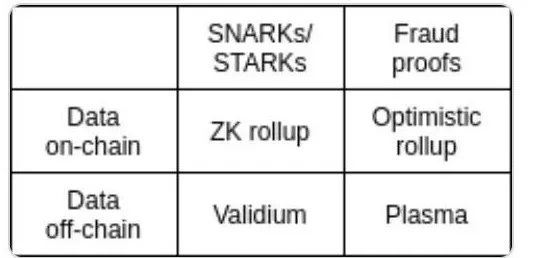
后面又发展出来Rollup、分片、分层、工作历史证明和DAG等流行的“新扩容手段”。如果可以分清侧链和Layer2的区别,也算是对扩容有个基本理解,那么能否分清Plasma、Rollup和Validium的区别,就可以当做一种对扩容的进阶考试题。下面这张图可以帮助你更好理解:
更多细节:当前流行的7大扩容方案,哪些将会推进比特币、以太坊的下一站征途?

03

Layer2扩容发展的怎么样

随着各大扩容路线的发展,EIP1559、Rollup、分片等竞争的如火如荼,V神对此进行了详细解读:V神一次性全解读,以太坊当前最新进展和挑战:EIP1559、Rollup、分片、竞争公链

随着历史的发展,V神定调Rollup将会作为ETH的主要扩容手段,在主网上线的Arbitrum,严格意义来说,历史上第一个上线了主网的“通用性Rollup Layer2扩容方案”。

这里介绍了4个不同,分别是Rollup与侧链的区别;OP与ZK的区别;OP里面Optimism与Arbitrum的区别;ZK里面Zk-Rollup与Validum的区别。更多详情:V神点赞的 Layer 2 明星项目 Arbitrum 上线,Rollup 扩容方案将迎来新进展?

04

Layer2扩容谁将拔得头筹

自2019 年出世以来,Rollups 已经走过了漫长的道路。我们已经看到形成包含许多混合演化的其他各种有前途的 Rollup 理论设计。这里主要讲了两点:

1、不管你是以太坊的朋友还是杀手,加入Rollup阵营吧,大家一起Roll起来!

2、从以太坊Rollup区块生产的中心化长期来看,Rollup可能是个不可避免的趋势。

更多详情:白话解读V神最新发文:以太坊扩容的终局之战

几年前最早我们提起ETH扩容,首先想到就是Layer2,而Layer2里,首先想到的是闪电网络,状态通道,Plasma…

然后折腾了几年,发现并没有什么用,许多项目方和资本也等不起了,随着各种折腾,好在Layer2也终于找到了方向,Rollup横空出世,V神直接定调,分片啥的先不搞了!ETH先走Rollup方案!

后来发现,只有一个Rollup方案不行,还要分OP系列和ZK系列的,业内流行起“中短期OP,长期ZK”的说法。

再后来,Arbitrum横空出世,接着出现了Hermez,Aztec,OMG做了Boba,Metis分叉了Optimism,Polygon大肆收购也要做Layer2一揽子解决方案。

Layer2太多,项目快不够用了……

这里抛开Lrc这种专用型Layer2,也抛开Aztec这类隐私型Layer2,分析了单单就通用性Layer2,目前就有多少种玩法。

更多详情:爆发在即的Layer2赛道百花齐放,谁将是领跑者?

转眼就到了2022年,在今年,我们对于区块链扩容,有了一条非常明确而清晰的路线,即模块化思维。

简单来说,就是把原来一层做的事儿,给你拆成了两层,甚至三层,毕竟一层上,不可能三角就像一个紧箍咒, 制约着每一个想要扩容的公链。

当然,L1,L2这些概念其实很多人并不陌生,但模块化公链,就像是传统互联网的TCP/IP协议一样,有着更加细化的分层。
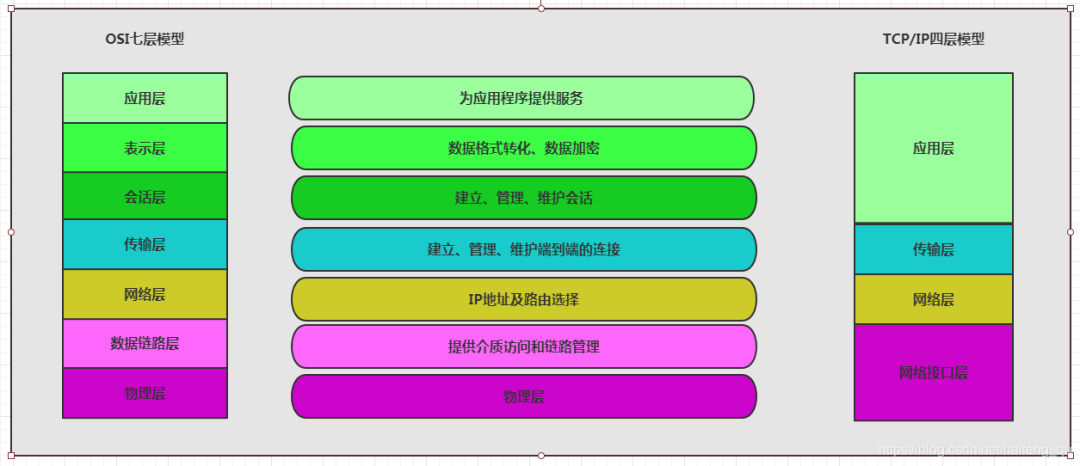
在目前主流的共识中,模块化公链应该拥有以下三个层:

1.Execution Layer - 执行层

2.Settlement Layer - 结算层

3.Data Availability Layer - 数据可用性层

通过高速的Rollup执行交易,安全的结算层负责结算,低费用大容量的数据可用性层用负责保障,我们有理由相信,Web3.0时代的基础设施蓝图,已经在我们面前徐徐展开。更多详情:2022年公链新趋势,你不得不知道的”扩容新路线”

05

小结

Layer2层的发展,历经多年,从一开始的星星之火到中期的百花齐放,百家争鸣,再到现在的明确要结合Rollup来模块化发展的路线,时间不语,却给了我们答案。

不过因为合并在即,一切还未成型,这条路线是否一帆风顺发展到底,感觉依旧需要时间的考验。于其被FOMO情绪支配,不如潜心学习,紧跟潮流,做到以不变应万变就好。

Related Reads

GPT Designs GPT

OpenAI has unveiled its first custom AI chip, Jalapeño, a move signaling a strategic shift beyond being a mere model company. While many see it as a challenge to NVIDIA, its core aim is to control the entire intelligent production pipeline—from models and chips to data centers and energy. The key driver is the evolving competitive landscape: model advantages are shrinking, while the computational gap in areas like cost-per-token, system throughput, and energy efficiency is becoming the true long-term barrier. Jalapeño is primarily an inference chip, targeting the massive and growing "inference tax"—the daily operational cost of generating tokens for services like ChatGPT and APIs. By designing its own hardware optimized for its specific workloads and future product roadmaps (even using AI to aid the chip design process), OpenAI aims to drastically reduce token generation costs and improve system efficiency. This creates a potential flywheel: better models help design better chips, which lower costs for running next-generation models, supporting more users and products, which in turn provides more data to refine future chips. The strategy mirrors Apple’s integrated approach, building a closed loop where hardware, software, and applications are co-optimized. In the long term, OpenAI is not trying to become the next NVIDIA (a supplier of "shovels" to all AI companies) but to own and operate the entire "mine"—selling the end product of intelligence itself. This move marks OpenAI's ambition to evolve from creating the smartest models to controlling the foundational infrastructure of AI production.

marsbit20m ago

GPT Designs GPT

marsbit20m ago

Ethereum Foundation Interim Executive Director Speaks Out: What Is Our Mission?

The Ethereum Foundation's core mission is to ensure Ethereum remains a truly permissionless, censorship-resistant, private, and open infrastructure for large-scale, sovereign coordination. The article clarifies the EF's focus and dismisses irrelevant objectives, such as pursuing institutional popularity or short-term speculation. Its core work centers on eliminating systemic weaknesses. This involves fortifying Ethereum across multiple layers—protocol, access, user, and institutional—against exploitation, control, or surveillance. Key initiatives include minimizing harmful MEV and preventing privileged control over transaction flow, making unconditional privacy a foundational default, ensuring staking remains permissionless and decentralized, and strengthening user-facing access points to uphold autonomy. Concurrently, the EF aims to seize strategic opportunities. These include leading the transition to post-quantum cryptography, achieving a fully verifiable protocol stack, establishing Ethereum as private digital cash, integrating user-owned AI agents with personal wallets, and demonstrating that trusted-neutral infrastructure can competitively handle disintermediated coordination at an institutional scale. The article also addresses recent organizational changes, stating that personnel departures were due to strategic realignment, role fit, or natural evolution. It clarifies the approach to spin-outs, emphasizing that external funding will be provided only for work critical to the EF's mission that reduces Ethereum's dependency without creating new risks or mission drift. Ultimately, the EF is committed to building an enduring, neutral system that reshapes global coordination, focusing relentlessly on the principles of censorship resistance, openness, privacy, and sovereignty (CROP).

链捕手1h ago

Ethereum Foundation Interim Executive Director Speaks Out: What Is Our Mission?

链捕手1h ago

Trading

Spot
Futures
活动图片