Токенизированное золото набирает популярность на фоне колебаний криптовалютных рынков

cryptonews.ruPublished on 2025-01-01Last updated on 2025-12-02

В то время как рынок криптовалют в целом испытывает трудности, рынок токенизированного золота продолжает расти, предлагая инвесторам надёжное убежище в условиях высокой волатильности.

По состоянию на декабрь 2025 года общая рыночная капитализация токенизированных товаров составляет 3,63 миллиарда долларов, что на 5 % больше, чем месяц назад, согласно данным RWA.xyz. Число держателей также незначительно выросло и составило 167 400 человек, что почти на 3 % больше, чем за тот же период.

Токены, обеспеченные золотом, остаются ведущим товаром, предоставляющим криптоинвесторам доступ к традиционному активу-убежищу. В настоящее время спотовая цена на золото превышает 4200 долларов за унцию, что на 5 % больше, чем в прошлом месяце.

Двумя крупнейшими токенизированными товарами по рыночной капитализации являются Tether Gold с капитализацией в 1,6 миллиарда долларов, выросшая на 4,68 % за последние 30 дней, и Paxos Gold с капитализацией в 1,4 миллиарда долларов, выросшая на 6,6 % за последние 30 дней.

Justoken, представляющий собой токенизированное соевое масло, занимает третье место с капитализацией в 501,2 миллиона долларов, что на 1,24 % больше, чем в прошлом месяце. Четвёртый по величине токен, Matrixdock, также представляет собой золото и оценивается в 57,5 миллиона долларов.

Для сравнения: общий объём рынка реальных активов (RWA) в сети составляет 36,07 миллиарда долларов, что практически не изменилось за последний месяц.

Устойчивый рост стоимости токенизированных товаров, особенно золота, подчеркивает их привлекательность как надежного актива на фоне нестабильности в более широком секторе децентрализованных финансов (DeFi). Общая заблокированная стоимость (Total Value Locked, TVL) в DeFi снизилась со 177 миллиардов долларов в середине октября до 118 миллиардов долларов на сегодняшний день.

Как в блокчейнах Ethereum, так и в Solana, которые часто рассматриваются как ключевые показатели активности DeFi, с середины октября произошло снижение TVL на 34% и 38% соответственно. Тем временем Биткоин, крупнейшая в мире криптовалюта с рыночной капитализацией более 1,7 трлн долларов, торгуется на уровне 83 550 долларов, что на 24% меньше, чем за последний месяц.

Ранее в этом году Кевин Рашер, основатель экосистемы кредитования и займов RWA RAAC, рассказал изданию The Defiant, что во времена неопределённости «золото всегда является надёжным активом».

«Сегодня нам повезло: у нас есть токенизированное золото, а это значит, что криптоэнтузиасты могут получить доступ к жёлтому металлу надёжным способом и снизить волатильность своих портфелей», — сказал Рашер.

Related Reads

77 Bloody Codes: When the '$5 Wrench' Shatters the Privacy Myth of France's Crypto Elite

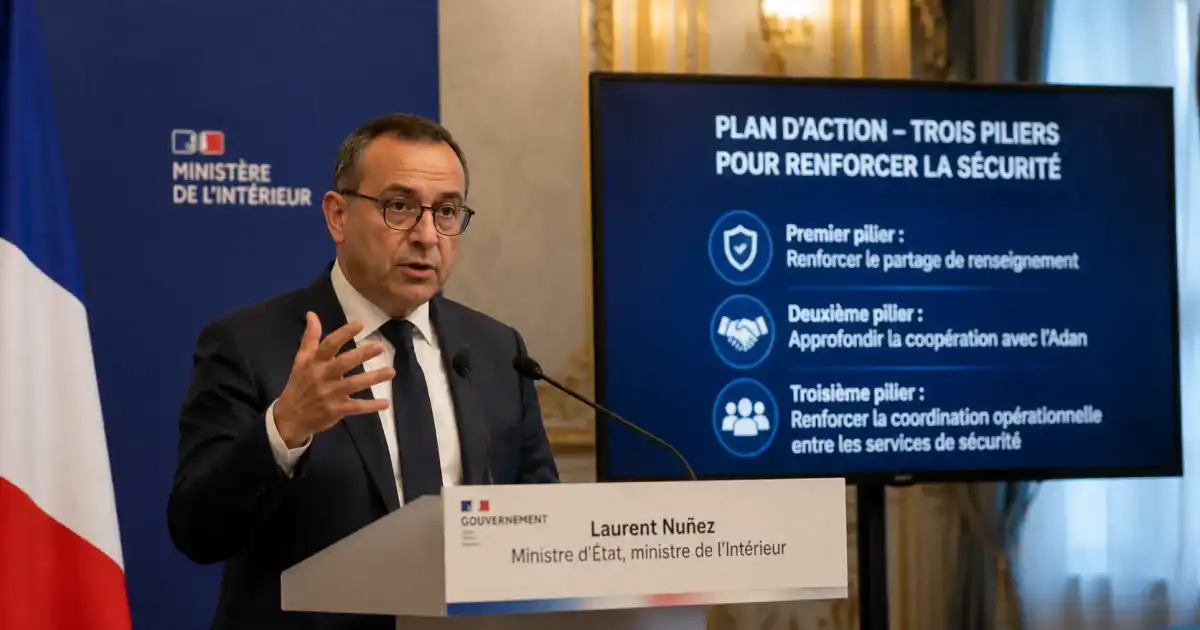
**Summary** In the first half of 2026, France recorded 77 violent crimes—including kidnappings, illegal confinement, and extortion—targeting cryptocurrency holders, a 71% increase over the 45 cases in all of 2025. This equates to an attack every 2.3 days, making France a global hotspot for so-called "wrench attacks," where criminals use physical violence to coerce victims into surrendering crypto assets. High-profile cases include the 2025 kidnapping of Ledger co-founder David Balland, who was shown with a severed finger in a ransom video, and an attempted kidnapping of the family of Paymium's CEO in Paris. Prosecutors note these are not isolated incidents but part of structured criminal networks, sometimes involving minors. Several factors contribute to France's vulnerability: a large holder base (approx. 7.3 million people), the presence of major crypto firms and executives, a culture of public disclosure among enthusiasts, and potential data leaks. The trend is spreading across Europe, which now accounts for over 40% of such global attacks. Research indicates a correlation between Bitcoin price surges and increased wrench attacks. In response, French Interior Minister Laurent Nuñez announced a three-pillar action plan focusing on enhanced intelligence sharing, deeper cooperation with the industry association Adan, and improved operational and cross-border coordination. Authorities have made over 200 arrests in the past year. Security experts warn that digital asset safety now extends to the physical world. They advise holders to use hardware wallets, avoid disclosing holdings on social media, enable multi-factor authentication, and report suspicious activity. The situation underscores the urgent need for the crypto community to shift from a "show-off" culture to one of discretion as physical security becomes paramount.

marsbit9m ago

77 Bloody Codes: When the '$5 Wrench' Shatters the Privacy Myth of France's Crypto Elite

marsbit9m ago

Both OpenAI and Anthropic are 'Developing Their Own Chips' — Beyond Cost, the Control Over Computing Power is Paramount

OpenAI and Anthropic are both advancing plans to develop custom AI chips, driven by the need to control computing power and reduce costs. According to reports, Anthropic is in early-stage development of its own chips and in talks with Samsung for manufacturing, while OpenAI is collaborating with Broadcom and TSMC, aiming to deploy its first inference chip by late 2026. The primary motivation extends beyond just lowering expenses. For these large model companies, chips are core production assets. By designing specialized hardware (ASICs) tailored to their specific model architectures—OpenAI's being more sparse and Anthropic's more dense—they aim to achieve deeper software-hardware co-design. This synergy can significantly improve inference speed, energy efficiency, and overall unit economics, offering advantages that off-the-shelf GPUs cannot. This move does not signify an immediate replacement for suppliers like Nvidia. The process from design to deployment takes 18-24 months, and Nvidia's GPU ecosystem remains deeply entrenched. Instead, custom chips provide a strategic alternative and negotiating leverage, allowing companies to use them for specific, high-volume workloads like inference while still relying on external GPUs and TPUs for other tasks. The trend reflects a broader industry shift where AI competition is evolving from pure algorithmic prowess to integrated control over the entire software-hardware stack. Companies like Google, Amazon, Meta, and Microsoft are already on this path. For foundries like Samsung, securing orders from AI leaders like Anthropic represents a significant opportunity to expand its footprint in the advanced semiconductor market for AI. Ultimately, the race for "computing sovereignty" is now a central battleground for major AI players.

marsbit16m ago

Both OpenAI and Anthropic are 'Developing Their Own Chips' — Beyond Cost, the Control Over Computing Power is Paramount

marsbit16m ago

Trading

Spot
活动图片