Власти ОАЭ расширили полномочия центробанка на сектор Web3

cryptonews.ruPublished on 2025-11-24Last updated on 2025-11-25

  • В ОАЭ приняли Федеральный указ-закон № (6).
  • Он расширяет полномочия центробанка на сектор Web3.
  • Правила затрагивают не только непосредственно поставщиков услуг, но и разработчиков ПО, а также инфраструктуру.

В ОАЭ приняли Федеральный указ-закон № (6) от 2025 года, который существенно расширяет полномочия Центробанка (CBUAE) в отношении сферы Web3. Нарушителям грозят штрафы до 1 млрд дирхамов ($272 млн) и, возможно, уголовная ответственность.

Несмотря на то, что Федеральный указ-закон № (6) от 2025 года о Центральном банке, регулировании финансовых учреждений и деятельности, а также страхового дела опубликовали в правительственной газете только сейчас, он вступил в силу в сентябре 2025 года.

Билль охватывает децентрализованные протоколы (DeFi), кроссчейн-мосты, децентрализованные биржи (DEX), стейблкоины и поставщиков инфраструктуры, передавая их под надзор Центробанка ОАЭ. У контрагентов, подпадающих под новые правила, есть время до сентября 2026 года на то, чтобы получить лицензию.

В противном случае нарушителя ожидают штрафы на сумму до 1 млрд дирхам ($272 млн) и даже уголовная ответственность.

Положение, затрагивающие криптосферу, изложены в статьях 61 и 62. В них перечислены виды деятельности, которые требуют лицензии регулятора, включая:

  • предоставление платежных услуг с использованием виртуальных активов;
  • предоставление услуг по хранению ценностей, розничных платежей и цифровых денег;
  • организация, продвижение, маркетинг лицензированной финансовой деятельности.

В статье 62, в свою очередь, сказано, что лицензированию также подлежит «любое лицо, осуществляющее, предлагающее, выпускающее или содействующее, прямо или косвенно, любой поднадзорной финансовой деятельности» вне зависимости от ее формы.

Вместе с тем закон не запрещает некастодиальные криптокошельки. Однако, если компания-поставщик предоставляет возможность совершать платежи, переводы или другие финансовые услуги, то ей, возможно, придется получить лицензию, отметил в комментарии изданию Cointelegraph Кокила Алаг, основатель и управляющий партнер Karm Legal Consultants.

Некоторые криптоэксперты настроены относительно новых правил скептически. В их числе Микко Охтамаа из Trading Strategy. Он считает, что это первый в мире закон, который расширяет надзор на поставщиков технологии и означает запрет сферы в ОАЭ.

«Даже если толковать закон узко, ограничиваясь полномочиями центробанка в сфере “платежей”, “платежных токенов” (читай: стейблкоинов) или “денежных переводов”, исключая биткоин, он все равно охватывает все, что сегодня относится к криптовалюте», — резюмировал он.

По словам Охтамаа, это касательно не только отдельных протоколов, но и взаимодействия с сетью в целом, например, Ethereum или Solana.

«Если “поставщик инфраструктуры”, будь то самостоятельный кошелек или RPC-узел, подключающий вас к сети, подлежит регулированию, публичный блокчейн перестает быть общедоступным», — считает эксперт.

Ранее мы сообщали о том, что в ОАЭ подписали соглашение об автоматическом обмене налоговой информацией по криптовалютам.


Related Reads

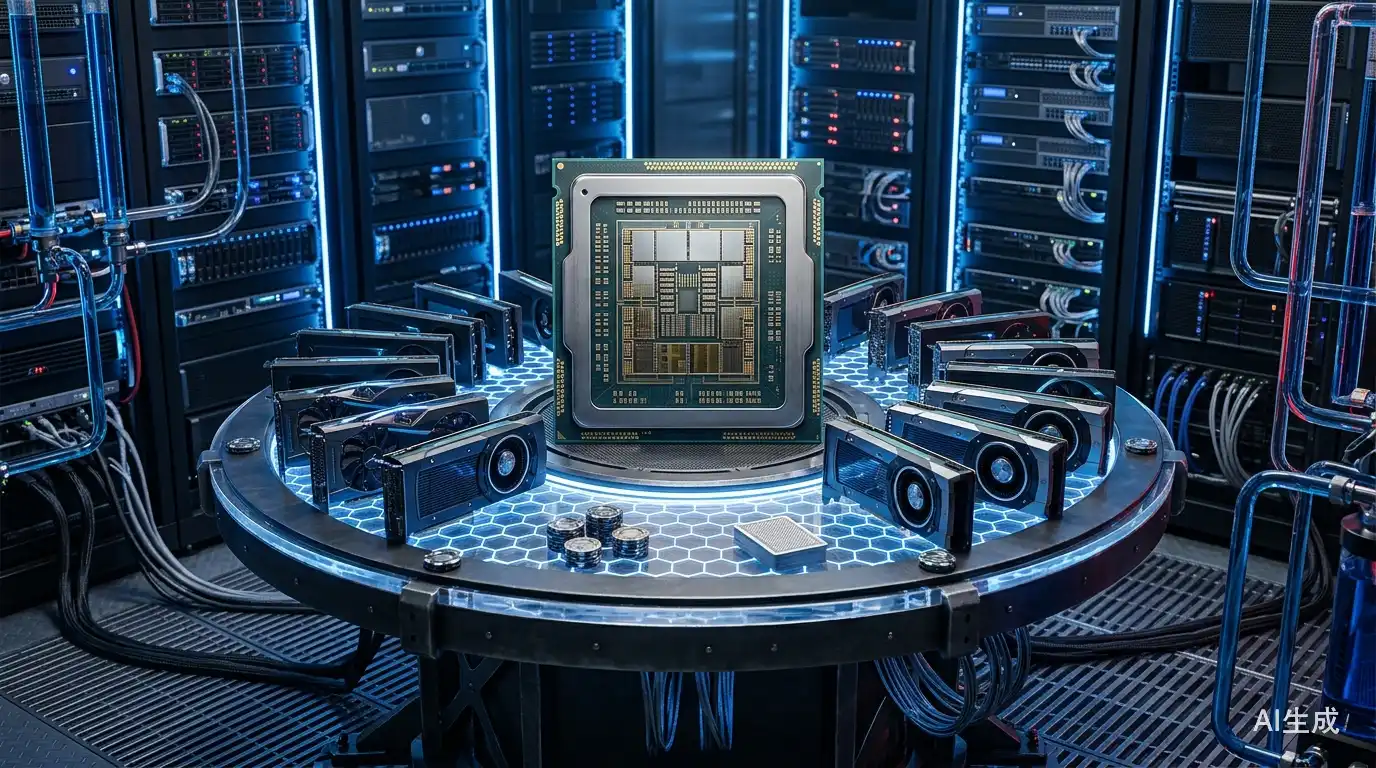
CPU Makes a Comeback to the Table, A $170 Billion "Power Seizure" Drama Begins

A new era is dawning for the server CPU (Central Processing Unit), driven by the shift from AI model training to large-scale reasoning and the rise of Agentic AI. This article explores how the CPU is reclaiming a central role in the AI data center. For years, the focus has been on the GPU (Graphics Processing Unit) for AI training. However, as AI moves to the inference and Agent phase—where tasks involve complex, multi-step reasoning, tool calls, and data management—the workload balance is flipping. Studies show CPUs now handle over 70% of the workload in Agentic AI, up from 10-30% in training. This is because Agent tasks generate massive intermediate data (KV Cache) that exceeds GPU memory, forcing it to be offloaded to the CPU's larger, more scalable memory pools. This increased importance is translating into market changes. Major players are taking note: NVIDIA launched its first standalone CPU line, Vera, based on ARM architecture and optimized for Agent performance. AMD doubled its server CPU market forecast to over $1200 billion by 2030. Analyst reports project the total server CPU market could reach $1700 billion by 2030, with AI-driven demand being a primary driver. Furthermore, the classic ratio of CPUs to GPUs in AI servers is rapidly changing, converging from 1:8 toward 1:1 for Agent deployments. This surge in demand has led to a rare industry-wide price increase of 10-15% for server CPUs from Intel and AMD, breaking a decade-long trend of "more performance for the same price." Demand is bifurcating into high-core-count CPUs for in-rack GPU support and moderate-core CPUs for standalone Agent task orchestration. In China, this global trend presents an opportunity for domestic CPU manufacturers like Hygon (海光信息) and Huawei Kunpeng, who are bolstered by both growing AI infrastructure needs and national policies promoting technological self-reliance ("xin chuang"). The maturity of their software ecosystems is also accelerating, evidenced by faster adaptation to new AI models. In conclusion, the narrative is shifting from a GPU-centric view to one where CPU-GPU synergy is critical. The CPU is no longer a peripheral component but a performance-defining bottleneck and a key growth driver in the AI hardware stack, opening a massive new market estimated in the hundreds of billions of dollars.

marsbit9h ago

CPU Makes a Comeback to the Table, A $170 Billion "Power Seizure" Drama Begins

marsbit9h ago

TechFlow Intelligence: AMD AI Director Publicly Criticizes Claude Code for "Becoming Dumber and Lazier", Trump Claims Full Ceasefire in Hormuz But Strait Still Has 80 Unexploded Mines

TechFlow Intelligence Report: This daily digest covers key developments in AI, crypto, hardware, and geopolitics. In AI, SK Telecom faces US export control scrutiny over its partnership with Anthropic, while a Gemini user reports being misled in a scam scenario, sparking safety debates. China's Z.AI launches the GLM-5.2 model, rivaling Claude Opus without NVIDIA chips. In crypto, Bithumb lists ReProtocol, and Upbit delists KernelDAO. On the hardware front, MIT researchers build a custom OS to study chips, ASML denies US claims its advanced lithography machines are in China, and Amazon considers selling its in-house AI chips. Apple's future A21 Pro chip may use TSMC's latest N2P process. Major tech issues include 10,000 GitHub repositories distributing malware and Apple patching a critical eavesdropping flaw in Beats earbuds. US stocks rise, led by semiconductors, with Intel surging 10.6%, while SpaceX falls 3.5%. Geopolitically, despite a US-Iran deal, the Strait of Hormuz remains risky with ~80 uncleared mines, stalling 80M barrels of oil on standby tankers. Iran postpones Switzerland talks, and Trump calls the agreement an "unconditional surrender." The report highlights a contrast: temporary geopolitical calm versus the ongoing, fundamental restructuring of tech supply chains and chip independence.

marsbit9h ago

TechFlow Intelligence: AMD AI Director Publicly Criticizes Claude Code for "Becoming Dumber and Lazier", Trump Claims Full Ceasefire in Hormuz But Strait Still Has 80 Unexploded Mines

marsbit9h ago

Trading

Spot
Futures
活动图片