Инсайдер «заснайпил» $600 000 на токене сооснователя Base

cryptonews.ruPublished on 2025-11-25Last updated on 2025-11-25

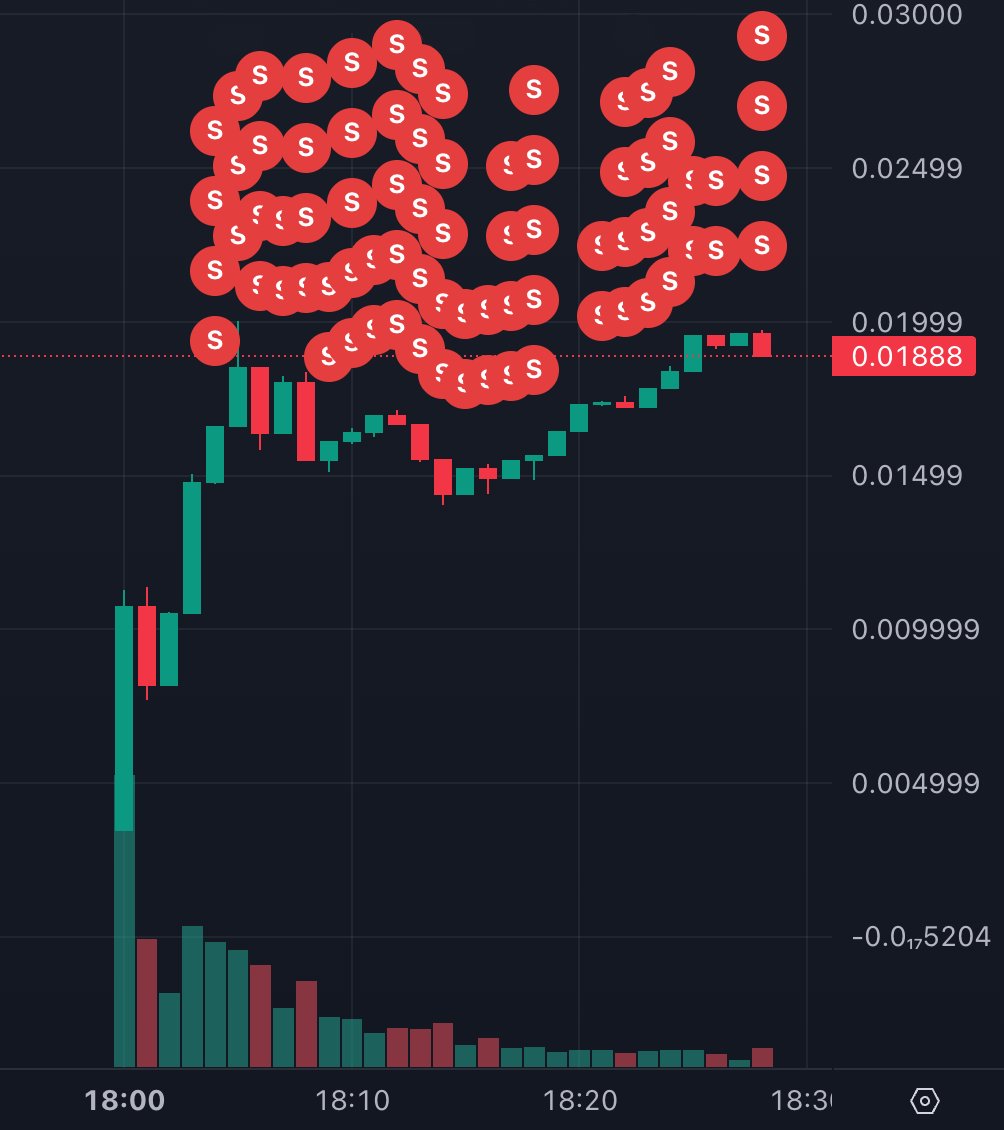
Анонимный «снайпер» совершил сделку, заработав $600 000 на токене JESSE, актива сооснователя сети Base Джесси Поллака. Подозрительную активность заметили аналитики Bubblemaps.

«Снайперский» кошелек с адресом “0xB102” потратил на покупку JESSE $250 000. Сделка была совершена практически в первую секунду после листинга, в 05:00:11 PM UTC», — заметили они.

По словам аналитиков примечательно то, что Поллак опубликовал адрес контракта (CA) только через три минуты после этого.

«Затем токены перевели на другой кошелек “0x9572”, тогда они оценивались примерно в $800 000. В результате этого “снайпер” заработал $600 000», — рассказали в Bubblemaps.

По теме: некто забрал 60% аирдропа aPriori. Команда проекта молчит
Криптовалюты, Токены
Манипуляции «снайпера» по JESSE. Источник: Bubblemaps.

Анализ ликвидности актива не показал никаких аномалий.

Обвинения в инсайдерской торговле

Участники рынка увидели в этой операции следы инсайда.

«Новая монета для креаторов в сети Base настолько очевидно манипулируется, что даже смешно», — отреагировал популярный криптоинфлюенсер Иисус Мартинес.

Он добавил, что JESSE будет расти не из-за спроса розничных инвесторов. По его мнению, команда Base целенаправленно хочет создать «победителя», чтобы подогреть интерес перед TGE.

По теме: новый мемкоин на BNB Chain принес трейдеру $1,6 млн за двое суток

Вместе с тем критике подверглось и руководство проекта. Пользователь D-(abbreviated) недоумевает, как можно работать в Base, иметь доступ к «лучшим техническим специалистам в криптопространстве», объявить время и кошелек запуска — и при этом не обеспечить никакой защиты от «снайперов».

По теме: инвестор превратил $69 000 в $9,4 млн на мемкоине с отсылкой к Чанпэну Чжао

Эта статья не содержит инвестиционных советов или рекомендаций. Каждое инвестиционное и торговое решение связано с риском, читатели должны самостоятельно проводить исследование перед принятием решений.


Related Reads

NVIDIA CPU Advances, China's RISC-V Responds: Semiconductor Deep Dive - Part Four

NVIDIA is set to launch its new Vera AI data center CPU in China as early as August, with high pricing. While this move offers a new option, it highlights China's continued dependence on foreign-controlled Arm architecture. In response, the Chinese semiconductor industry is increasingly turning to RISC-V as a strategic alternative for achieving high-performance computing autonomy. The article explores the concept of the "impossible triangle" in CPU development—balancing prosperity, control, and autonomy—and posits that RISC-V's open-source, modular nature offers a unique path to achieving all three. While RISC-V is already dominant in embedded systems, the focus is now shifting to data centers and AI workloads. China has become a global hotspot for RISC-V development, driven by AI-driven compute demand, supply chain concerns from export controls, cost benefits of open-source, and strong policy support. Multiple Chinese companies have reportedly crossed the key performance threshold of 15 SPECint per GHz, a benchmark for entering the high-performance CPU club. Progress extends beyond single-core benchmarks. Companies are developing complete computing subsystems, including commercial-grade coherent network-on-chip (NoC) technology and server processors with up to 40 cores that strictly adhere to the RVA23 standard to ensure software compatibility. Real-world applications are emerging in areas like video transcoding and edge AI. However, significant challenges remain. The RISC-V ecosystem faces fragmentation, immature toolchains and verification processes, and gaps in single-core performance and energy efficiency compared to mature x86 and Arm architectures. The formidable software moat, epitomized by NVIDIA's CUDA, is a long-term hurdle. In conclusion, while RISC-V cannot immediately replace offerings like NVIDIA's Vera, it represents a viable long-term path for China to develop a self-sufficient, high-performance CPU ecosystem. The journey is acknowledged to be long and arduous, requiring sustained effort to overcome technical and ecosystem challenges.

marsbit6h ago

NVIDIA CPU Advances, China's RISC-V Responds: Semiconductor Deep Dive - Part Four

marsbit6h ago

Trading

Spot
Futures
活动图片