那个币圈”老骗子”,悄悄买成了交易巨无霸

比推Published on 2025-10-30Last updated on 2025-10-30

美国证券交易委员会(SEC)的诉讼阴云已然散去,长期以区块链支付公司自居,却鲜有实际业务的瑞波实验室(Ripple Labs)终于踏上一条收购之路,向打造价值数十亿美元、货真价实的加密货币帝国迈进。
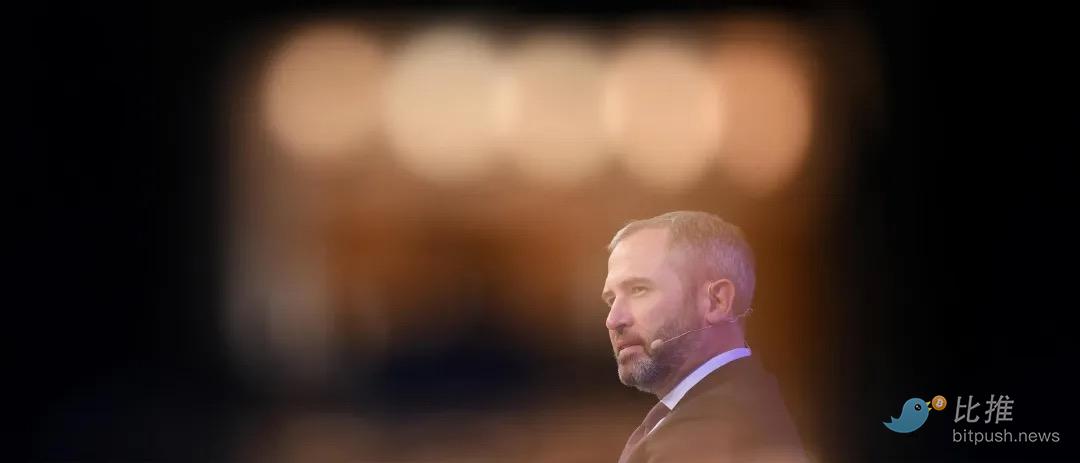
image.png

瑞波实验室首席执行官布拉德·加林豪斯(Brad Garlinghouse)。图片来源:Stephen McCarthy/Sportsfile/Collision/Getty Images

2024年3月,我们曾发布一篇关于“僵尸区块链”的报道,列出至少50个市值超十亿美元,主要靠投机而非实际应用支撑的加密货币项目。力图取代全球银行信息服务系统SWIFT,却壮志未酬的瑞波名列榜首。

当时其市值达360亿美元,年手续费收入却仅为58.3万美元。

但近来瑞波实验室发展势头迅猛。

在私募市场,该公司股价目前在135美元至170美元之间波动,较年初上涨约2至3倍,估值介于220亿至300亿美元之间。作为参考,这一估值已接近稳定币发行商Circle。瑞波欲与Circle展开竞争,还曾试图在其6月首次公开募股(IPO)前将其收购。目前Circle的估值约为340亿美元,股价自6月5日IPO已上涨352%。瑞波的代币XRP(并不赋予持有人对公司的所有权)今年以来涨幅达366%,市值已接近1500亿美元。

瑞波如今还搭上了数字资产财库热潮的快车。

近几周,多家公司公布了围绕XRP的财库策略,其中最引人注目的是Evernorth,该公司计划筹资超10亿美元。这么一家长期都难以获得业务进展的公司,却有企业愿意考虑持有其代币,显示出它们对瑞波的极大信任。

随着瑞波与SEC长达5年的法律纠纷落幕,出现这样的转变其实并不令人意外。

2020年,SEC起诉瑞波,指控其将XRP作为未注册证券出售,最终结果是瑞波支付1.25亿美元罚款。此外,瑞波还接连完成多笔颇受关注的收购:以10亿美元收购司库管理软件提供商GTreasury,以12.5亿美元收购主经纪商Hidden Road,以2亿美元收购稳定币支付平台Rail。2023年至2024年期间,瑞波还收购了数字资产托管公司Metaco(作价2.5亿美元)和Standard Custody(收购金额未公开)。

尽管就应用程序使用量和开发者活跃度而言,XRP账本(XRP Ledger)仍落后于其他更受欢迎的区块链,但显而易见的是,如今的瑞波已与一年前截然不同。

“有时人们认为变革是坏事,但我觉得这恰恰是健康发展和走向卓越的标志,在新兴技术领域尤其如此。”加密货币对冲基金Feynman Point Asset Management首席执行官兼首席投资官乔·纳加尔(Joe Naggar)表示。该基金同时也是瑞波的投资方之一。

他补充道:“瑞波在资本结构上有着缜密的的考量,只是此前因监管压力未能充分体现。我认为,瑞波生动展示了在没有严苛立法和监管环境的情况下,企业能实现怎样的发展。这种周密的考量也让瑞波区别于其他拥有庞大财库的协议——那些协议背后的基金会缺乏真正的领导力,也不清楚自己要为谁服务。但如果你去问布拉德·加林豪斯(瑞波首席执行官),他的答案会非常明确:为股东服务。”

纳加尔认为,如今若要为瑞波寻找参照物,不应是Circle或其他区块链公司,而应是Coinbase。Coinbase同样开展托管和主经纪业务,且与Circle存在收入分成协议。

加密货币交易公司Nomina首席执行官奥斯汀·金(Austin King,2019年将自己的首家公司出售给瑞波)的观点更为鲜明:“加密货币领域有很多人对瑞波颇有微词,但事实是,瑞波拥有惊人的远见。他们的技术已存在十年之久。我认为,瑞波现在的赌注,是在这些不同业务中找到协同效应,将它们整合为一个金融服务综合集团。”

因此,瑞波的下一个重大问题便是能否将收购来的业务整合为一个统一系统,进而真正为其核心技术——XRP账本创造价值。

本文译自:https://www.forbes.com/sites/ninabambysheva/2025/10/28/inside-ripples-180-billion-reinvention/

作者: Nina Bambysheva

翻译:Lemin

原文标题:《瑞波实验室的1800亿美元转型之路》


Twitter:https://twitter.com/BitpushNewsCN

比推 TG 交流群:https://t.me/BitPushCommunity

比推 TG 订阅: https://t.me/bitpush
说明: 比推所有文章只代表作者观点,不构成投资建议

Related Reads

Robert Kiyosaki Shares His Mentor's Predictions About the Emergence of Bitcoin and AI

American entrepreneur and author of "Rich Dad Poor Dad," Robert Kiyosaki, discussed the influence of futurist R. Buckminster Fuller on his worldview, linking Fuller's past technological predictions to the emergence of Bitcoin and the development of artificial intelligence. In an X post, Kiyosaki also reflected on personal purpose, sharing his journey from the music business—where he worked with bands like The Police and Iron Maiden—to creating the "Cashflow" board game and writing his famous book. He described feeling an inner emptiness despite his success, a turning point that came after meeting Fuller, whom he studied with for three summers. Kiyosaki described Fuller as a "friendly genius" who foresaw world-changing developments like Bitcoin and AI. However, the core of his post focused on Fuller's philosophical impact, particularly a quote about belonging to the universe and finding purpose by dedicating one's life to the maximum benefit of others. The entrepreneur remains a vocal advocate for cryptocurrencies. He regularly advises buying Bitcoin during market panics, viewing it and assets like Ethereum, gold, and silver as hedges against traditional financial system failures. Kiyosaki has predicted a major market crash by 2026, seeing it as an opportunity for prepared investors, with long-term price targets including $750,000 for Bitcoin and $95,000 for Ethereum.

cryptonews.ru1h ago

Robert Kiyosaki Shares His Mentor's Predictions About the Emergence of Bitcoin and AI

cryptonews.ru1h ago

Etherealize CEO Calls Wall Street's Private Blockchains a 'Race to the Bottom'

Etherealize co-founder and CEO Vivek Raman criticized Wall Street's growing interest in private, permissioned blockchains, calling them a "race to the bottom." In an interview with CoinDesk, Raman argued that consortium networks fragment liquidity and return the industry to the siloed systems that blockchain technology was meant to overcome. He stated that closed networks do not interoperate, undermining two key advantages of the technology: system compatibility and liquidity concentration. Etherealize promotes Ethereum as an open, foundational layer for institutional players. Raman insists that privacy and access restrictions should be built on top of public infrastructure—at the application or L2 level—rather than creating separate, closed networks. He compared Ethereum to HTTP as a base layer, with additional permissioned and private layers akin to HTTPS. Examples of this new wave of "closed" solutions mentioned include Canton Network from Digital Asset, Circle's Arc project, and Stripe's Tempo. Raman termed this trend "consortium chains 2.0," recalling earlier initiatives like the R3 interbank consortium and the Hyperledger corporate ecosystem from 2016 that failed to gain significant traction. He reiterated his firm belief that a global, open, permissionless infrastructure is necessary as a foundational base layer. Raman previously noted in June that traditional financial institutions had begun implementing Ethereum-based solutions into real business processes.

cryptonews.ru1h ago

Etherealize CEO Calls Wall Street's Private Blockchains a 'Race to the Bottom'

cryptonews.ru1h ago

Trading

Spot
活动图片