自由狗(Freedom Dog)觉醒:在 BSC 上启动自由的金融引擎

深潮Published on 2025-10-21Last updated on 2025-10-22

它不仅是一个token,而是一个社区的信仰场,将 meme 文化、金融机制与自由意识完美结合的链上永恒生命体。

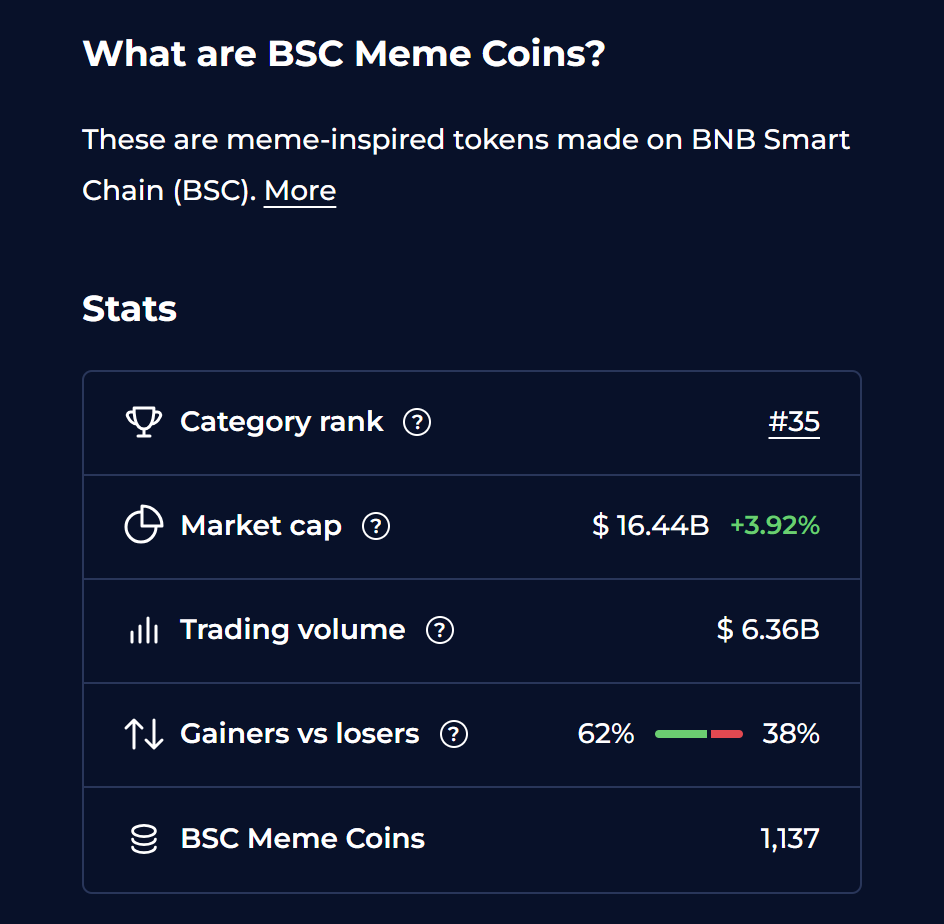
在币安链上,一场新的模因热潮正悄然成型。根据数据显示,目前BSC 生态中 meme 币类别已突破 1,000 枚以上,其总市值规模超 100 亿美元 级别,同时日交易量也维持在数 亿美元级别。

低手续费、高并发、社区驱动,这让币安链成为模因币爆发的最佳战场。
可即便如此,太多项目重复「炒作」套路——预售、锁仓、割韭菜、归零。散户看似参与,实则输给机制。

自由狗(Freedom Dog)的出现,就是为了打破这种循环。
最公平的IDO 机制|零特权,零预售

自由狗(Freedom Dog)不是某位大佬的筹码,也不是炒作团队的短期项目。它由自由协议(Freedom Protocol)原班团队打造,基于完全透明的代码逻辑和社区共识机制。

· 发行由社区决定:参与 IDO 资金决定代币流通量,多余部分全额销毁。

· 买入即获得,不锁仓;流动性锁定、公开可查。

没有私募包,没有庄控权,没有「先跑」预案。

一切,只为真正的“自由”发声。

Meme × 机制=反重力引擎

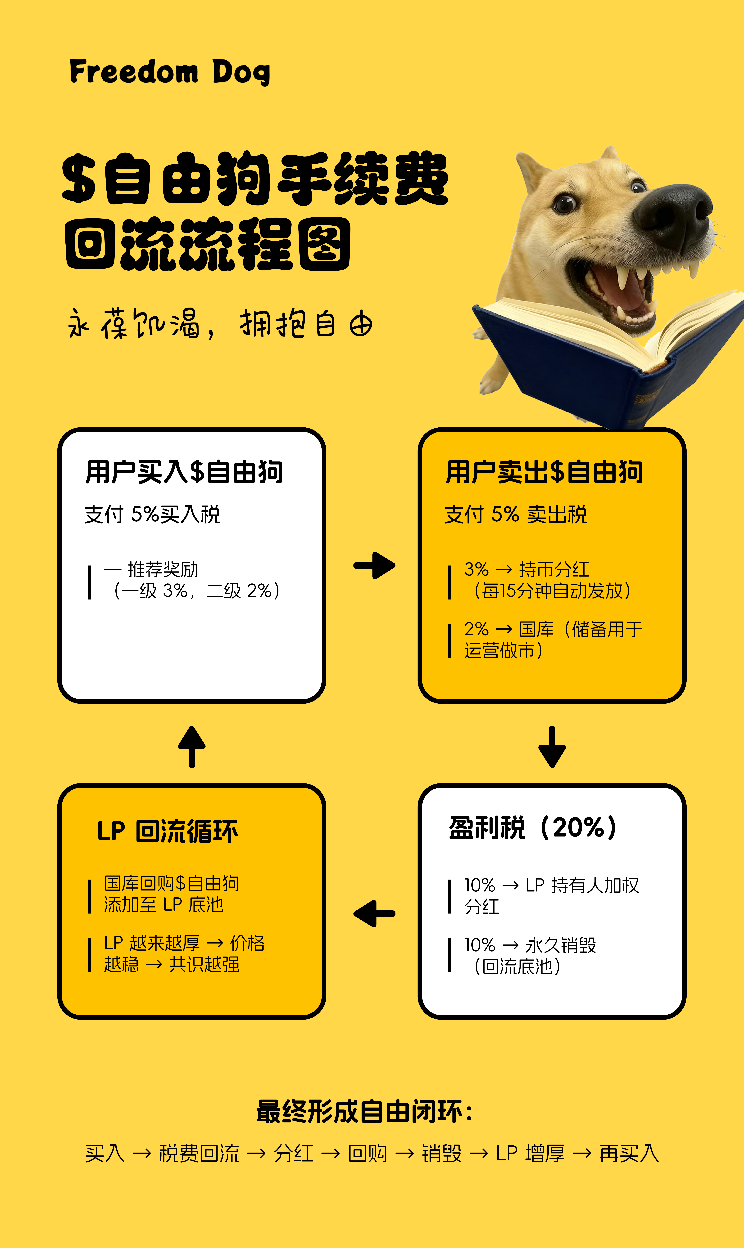
自由狗(Freedom Dog)不是简单的 meme 包装,而是一台 自动运转的金融引擎:

→ 买入 → 支付 5% 买入税 → 3% 推荐奖励 + 2% 国库回流

→ 卖出 → 支付 5% 卖出税 → 3% 持币分红(每 15 分钟自动发) + 2% 国库储备

→ 盈利 → 征收 20% 盈利税 → 10% LP 加权分红 + 10% 永久销毁

→ 国库自动回购 $自由狗 并注入 LP 底池 → 底池越厚,价格越稳 → 共识越强

这便是那台“Anti-Gravity Flywheel”——在重力场里反向起飞,不被庄家拉扯、不被市场割裂,只被共识、规则、社区推动。
BSC 自由的新符号

在中心化玩法泛滥、meme 热潮被套路化、散户信仰被削弱的环境里,自由狗(Freedom Dog)代表了一种回归:

· 社群优先而非大佬专属

· 收益机制而非单纯炒作

· 公开透明而非高墙内控

它不仅是一个token,而是一个社区的信仰场,将meme 文化、金融机制与自由意识完美结合的链上永恒生命体。

引擎即将启动。

早点关注,早点自由。

thefreedomdog.com

Related Reads

Cerebras IPO: A $48.8 Billion Valuation—Is the 'Nvidia Challenger' a Bubble or a New King?

Cerebras Systems, positioning itself as an NVIDIA challenger, is going public with a $48.8 billion valuation despite several underlying paradoxes revealed in its S-1 filing. While 2025 revenue grew 76% to $510M and GAAP net income was $237.8M, this profitability relies heavily on a one-time, non-cash accounting gain. Adjusting for this, the company's non-GAAP net loss actually widened to $75.7M. Furthermore, customer concentration remains extreme: 86% of 2025 revenue came from two Abu Dhabi-based entities, MBZUAI (62%) and G42 (24%). Its landmark deal with OpenAI, valued at over $20 billion, creates a complex, nested relationship where OpenAI is simultaneously a major customer, lender, warrant holder, and strategic partner with exclusivity clauses. Cerebras's technical edge in latency-sensitive AI inference is real, with its wafer-scale chip outperforming competitors in benchmarks. However, this advantage is confined to a specific niche, not the broader AI training market dominated by NVIDIA's CUDA ecosystem. With a 95x price-to-sales ratio, the valuation demands flawless execution of the OpenAI contract and massive future revenue growth. Key long-term risks include intense competition from giants like NVIDIA and AMD, a dual-class share structure granting insiders near-total voting control, and ongoing geopolitical uncertainties regarding export controls. The IPO is a pivotal capital markets event for AI infrastructure. As an investment, it represents a high-risk, high-reward bet on the "inference-first" narrative and Cerebras's ability to dominate its specialized segment, underpinned by a valuation that highlights the current fervor in the sector.

marsbit22m ago

Cerebras IPO: A $48.8 Billion Valuation—Is the 'Nvidia Challenger' a Bubble or a New King?

marsbit22m ago

What Happens to Ethereum Developer Tools After the Grants Run Out?

On February 27th, the Ethereum Foundation (EF) announced Project Odin, a structured sustainability support program designed for a select group of strategic, previously grant-funded teams. Unlike a standard grant, Odin offers a long-term advisory mechanism focused on helping these teams establish credible, sustainable paths within a two-year framework, thereby reducing long-term dependence on single funding sources. The program addresses a critical post-grant challenge: how essential public goods, especially major developer tools, can achieve financial sustainability beyond initial funding. While grants from EF and programs like Gitcoin or RetroPGF remain vital for startups and research, they often fall short for mature, widely-used infrastructure. Tools like compilers, languages, and network stacks are deeply embedded but struggle with monetization, trapped between being too foundational to lose and too public to generate natural revenue. Project Odin provides teams with a dedicated Strategic Advisor to guide them through a three-phase process: 1) analyzing current funding and realistic options, 2) validating potential paths with stakeholders, and 3) executing plans, which may include crafting support contracts, service agreements, or other recurring revenue models. The first pilot participant is Vyper, a critical smart contract language for the EVM, highlighting the need for sustainable models for core infrastructure. The initiative reframes the public goods conversation from "who should be funded" to "how do already-proven teams avoid perpetual funding crises?" It encourages ecosystem participants—protocols and projects that depend on these tools—to view sustainable support not just as charity, but as essential risk management for their own operational supply chains.

marsbit52m ago

What Happens to Ethereum Developer Tools After the Grants Run Out?

marsbit52m ago

MARA Reports Q1 Revenue Below Expectations, Net Loss of $1.3 Billion, Stock Plunges After Hours

Bitcoin mining firm MARA Holdings reported disappointing Q1 2024 results, causing its stock to erase all daily gains and fall 3.44% in after-hours trading. Revenue dropped 18% year-over-year to $174.6 million, missing Wall Street estimates of $192.7 million. The company posted a net loss of $1.3 billion, a significant increase from a $533.4 million loss a year ago, primarily driven by unrealized losses on its holdings of 38,689 Bitcoin, which depreciated in value during the quarter. MARA also sold over 15,100 BTC in late March to repurchase debt at a discount. The broader mining environment remains challenging due to a 35% decline in Bitcoin's price from its all-time high and a nearly 30% increase in mining difficulty over the past year. MARA's market cap ranking among U.S. miners has slipped to seventh. Critically, the company announced a strategic pivot away from Bitcoin mining expansion. It stated it has no plans to purchase new mining equipment and is fully transitioning toward AI data centers. Its strategy involves retrofitting existing mining sites for AI and high-performance computing (HPC) and leveraging its recent $1.5 billion acquisition of Long Ridge Energy & Power, a gas-fired power plant and data center. This infrastructure could eventually support 600 MW of AI compute capacity, allowing MARA to redeploy up to 90% of its non-custodial mining power for AI and IT workloads.

marsbit52m ago

MARA Reports Q1 Revenue Below Expectations, Net Loss of $1.3 Billion, Stock Plunges After Hours

marsbit52m ago

Trading

Spot
Futures
活动图片




