稳定币能否成为美元霸权真正的支柱?

比推Published on 2025-09-23Last updated on 2025-09-23

作者:Spyros Andreopoulos

编译:深潮TechFlow

原标题:稳定币救不了美元霸权


从短期来看,稳定币的增长可能会缓解美国的财政约束,并进一步巩固美元作为主导货币的地位。然而,从长远来看,稳定币只是为关于美国制度质量的讨论增加了一层复杂性。

最终,决定美元地位的仍然是美国的财政稳健性以及其中央银行保持低通胀和稳定通胀的能力。

来源:SpaceXUnsplash上的照片

特朗普政府似乎对扩大稳定币需求以弥补联邦财政赤字寄予厚望——这种需求是美国财政部缩短债务平均期限(通过发行更多国库券,同时保持票据和债券发行量不变)的主要官方理由之一。

顺便说一句,我认为缩短债务的平均期限也是增加美联储降低利率压力的一种方式。

还有一些证据表明,稳定币的需求已经降低了美国短期债务的利率。

此外,政府将稳定币需求视为支撑美元主导货币地位的主要支柱。

原因并不难理解。

财政部长贝森特(Bessent)预测稳定币的规模将增长至2万亿美元(我甚至见过更高的数字)。由于绝大多数稳定币都与美元挂钩,稳定币的需求很可能就是美元需求。

根据《GENIUS法案》(GENIUS Act)的规定,美元现金、美国国内受保银行存款以及剩余期限不超过93天的国债被列为允许的储备工具,因此这部分需求中的很大一部分将流向联邦债务。

从纯粹的美国国内角度来看,稳定币是否真的会增加对国债的净需求尚无定论——这取决于稳定币实际上替代了什么。

如果人们不持有投资于短期美国政府债券的货币市场基金股票,而是将部分财富持有在稳定币中,那么对国库券的净需求实际上不会增加。

我的直觉是——目前为止还没有更多——产生对美元和美国国债净需求的最重要渠道是国际渠道:稳定币需求的美元化渠道

稳定币使美国以外的数百万人更容易获得美元,特别是在通货膨胀率高、货币疲软和银行体系不发达的国家。

话虽如此,非美国私营部门对稳定币需求的增长可能会被官方对美元需求的下降部分抵消。为什么呢?

稳定币似乎有可能通过增加美元资产在美国以外资产负债表上的占比来改善全球金融稳定性。然而,如果真是这样,这可能会减少新兴市场国家的货币错配,而货币错配正是新兴市场官方部门对美元的预防性需求的主要原因之一。

再谈美元的制度基础

然而,我对稳定币需求对美元角色的帮助有更深层次的担忧。这与美元本身以及支撑美元的制度有关。

美国的财政状况众所周知,这里就不赘述了。
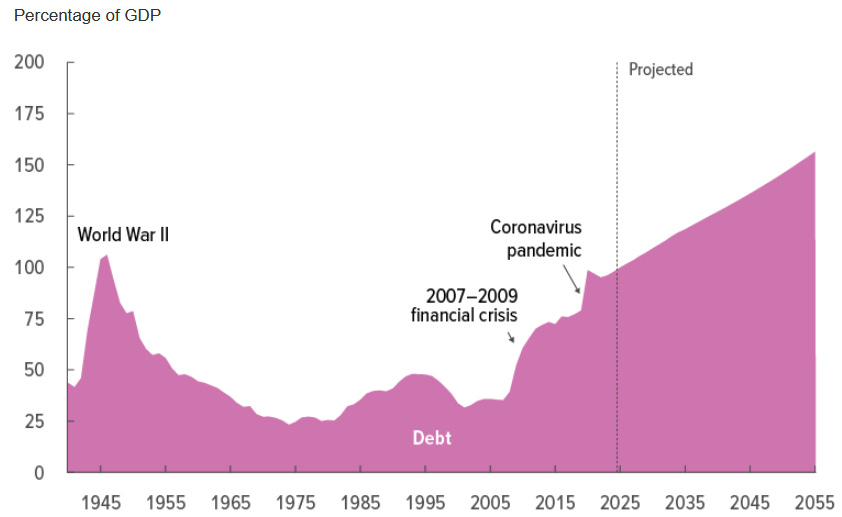
来源:国会预算办公室(2025 年 3 月)

作为一个长期以来钦佩美国的欧洲人,我可能并不孤单地诊断出一种由政治分裂引发的“财政末日机器”。

这个“末日机器”之所以能够继续运转的一个关键原因是美国的主导货币地位以及由此产生的对美国政府资产的需求:美元的“过度特权”扩大了美国联邦政府的财政空间。

但这最终并不能减轻根本性财政改革的必要性。这项改革应该主要围绕增加联邦收入(顺便说一句,这与欧洲的情况相反,欧洲的财政改革应该侧重于削减支出)。

现在,回到稳定币。

稳定币对美国政府债务的需求增加,或许会在短期内放松财政政策的限制。但这并不能解决任何长期问题——它无法摧毁这台末日机器。

事实上,它更有可能阻碍亟需的财政改革。

换句话说,我担心稳定币可能只是美国政客用来自缢的绳索——以及随之而来的过度特权。

然后还有美联储。

我一直认为,鉴于过度特权对财政当局的约束较为宽松,货币政策也必须受到约束:货币政策不能屈从于财政政策的需求(正如特朗普及其运动所宣称的那样)。避免这种情况的一个必要(尽管并非充分)制度条件是美联储的独立性

这里的重点是,如果在此期间美联储的独立性被削弱并导致更高的通胀,那么稳定币最终对美元的地位也无济于事。

稳定币的背书

最终,正如皮耶帕奥洛·贝尼尼奥(Pierpaolo Benigno)所说,关键在于稳定币的背书方式。

在货币主导的体制下(即中央银行提供价格稳定,而财政当局单独负责债务的可持续性),稳定币及其背后的国债最终由税收支持:“要让稳定币安全,国债本身必须安全。”

在财政主导的体制下,稳定币最终由中央银行支持。在这种情况下,稳定币可能会引发通胀,因为美联储可能被迫将相应的发行货币化。

我的结论是,虽然从短期来看,稳定币的增长可能会缓解美国的财政约束,并提升美元的主导货币地位,但从长远来看,稳定币只是为关于美国制度质量的讨论增加了一层复杂性。最终,决定美元能否保持其地位的仍然是美国的财政稳健性以及其中央银行提供低通胀和稳定通胀的能力。


Twitter:https://twitter.com/BitpushNewsCN

比推 TG 交流群:https://t.me/BitPushCommunity

比推 TG 订阅: https://t.me/bitpush

说明: 比推所有文章只代表作者观点,不构成投资建议

Related Reads

Yield Leverage and Liquidity Leverage: The STONKBROKER Mechanism is Very Suitable for the RWA Scenario

The article argues that the STONKBROKER mechanism is highly suitable for Real-World Asset (RWA) tokenization scenarios due to its two key leverages: **Profit Leverage** and **Liquidity Leverage**. **Profit Leverage:** Traditional RWA models simply tie tokens to real-world asset yields. STONKBROKER's model is more engaging by allowing NFT holders to earn not only the underlying real-world cash flows but also additional yields generated from the on-chain system's own operations and transaction activity (like fees and slippage). This creates a dual income stream. **Liquidity Leverage:** Standard RWA asset bundles often suffer from poor liquidity. STONKBROKER's mechanism, which allows fixed-ratio swapping between NFTs and a platform's fungible token (and vice versa), solves this. It provides real-time market pricing and flexible exit options for each "RWA asset" NFT by unifying NFT liquidity with ERC-20 token liquidity via an AMM pool. This enhances capital efficiency and attracts more trading activity. The article further speculates on applying this model to broader RWAs (e.g., real estate, bonds). The core idea is to create a more dynamic, liquid, and profitable ecosystem where ordinary users can participate, combining real-world yields with the speculative and transactional energy of a crypto-native system. The author mentions being inspired by the launch of a project called @TheCardWall, which tokenizes high-grade physical trading cards.

marsbit4m ago

Yield Leverage and Liquidity Leverage: The STONKBROKER Mechanism is Very Suitable for the RWA Scenario

marsbit4m ago

Deciphering TapeOut: A Child Built a CPU On-Chain

**Title: Understanding TapeOut: A Kid Built a CPU On-Chain** **Summary:** The article explores a remarkable experiment where a young developer named Blonskr has used blockchain technology to build a functional, on-chain CPU. Named "Behemoth," this CPU is based on the 1971 Intel 4004 processor specification. It runs on the BNB Chain, uses block production as its clock (running at a glacial 2.22 Hz), and is perhaps the slowest CPU in existence, yet it represents a novel and intriguing concept in the on-chain space. The core concept is the TapeOut protocol, named after the final "tape out" stage in semiconductor manufacturing. It treats the blockchain as a silicon wafer, with tokens representing fundamental logic components. The protocol's atomic unit is an ERC-1155 token representing a single NAND gate, the fundamental building block of digital logic. Users can visually design circuits on a "canvas," connecting these logic tokens. Once a design is finalized, the underlying tokens are burned, and an ERC-721 NFT representing the permanent, immutable circuit is minted. Blonskr used 2,300 such tokenized NAND gates to construct the Behemoth CPU. Key features of this and any TapeOut circuit include **permanent operation** (running as long as the chain exists), **free, permissionless evaluation** (anyone can query it without gas), and **safe composability** (circuits cannot call external contracts or modify state, making them inherently safe to use). This enables a new form of open, collaborative hardware design, where anyone can build upon and integrate components created by others. While highly niche, TapeOut reimagines the foundations of computation using blockchain's properties of permanence and openness. It pushes the boundaries of what can be built on-chain, potentially enabling future applications like custom mining circuits or decentralized, specialized processors. The experiment demonstrates an exciting combination of extreme technical vision and creative curiosity.

marsbit38m ago

Deciphering TapeOut: A Child Built a CPU On-Chain

marsbit38m ago

Novig Sues Wisconsin as Sports Prediction Market Dispute Heats Up

Novig, a sports event prediction market operator, has filed a lawsuit against Wisconsin's attorney general. The legal dispute centers on whether prediction markets fall under federal derivatives regulations or state gambling laws. The lawsuit, filed in a U.S. district court, seeks a declaratory judgment after Novig began offering event contracts to Wisconsin residents. This case is part of a broader conflict. In April, Wisconsin sued other prediction market platforms like Kalshi and Polymarket, alleging their sports-related contracts violate state gambling laws. Novig argues its contracts are "swaps" regulated exclusively by the federal Commodity Futures Trading Commission (CFTC), under the Commodity Exchange Act. Wisconsin contends they are sports betting. Federal courts have issued conflicting rulings on similar cases, creating legal uncertainty. The outcome is significant as prediction markets are a fast-growing sector, with trading volume reaching $9.5 billion on a single day in August. These markets are also increasingly intertwined with cryptocurrency infrastructure. Simultaneously, Novig is pursuing a nationwide legal strategy, having filed similar lawsuits in four other states. The company also recently secured a marketing partnership with the New York Mets, marking the first such deal with an MLB team. The Wisconsin case's resolution will influence whether prediction markets can operate as national financial products or remain constrained by individual state laws.

cryptonews.ru45m ago

Novig Sues Wisconsin as Sports Prediction Market Dispute Heats Up

cryptonews.ru45m ago

Держатели XRP могут торговать опционами на платформе Derive, используя FXRP в качестве залога

XRP holders can now trade options on the Derive platform using FXRP as collateral, as announced by Flare on August 12. This integration allows users to open positions from self-custody wallets while the underlying XRP backing the FXRP remains on the XRP Ledger. According to DeFi analyst Will Procheska, this provides XRP's dedicated holder base with a permissionless options market for generating yield or hedging. Derive's platform combines protocol-level settlements with an order book managed by Derive Trading Co., enabling users to retain asset control while professional market-makers provide liquidity. XRP options on Derive are cash-settled in USDC, so profits or obligations adjust the trader's USDC balance without transferring XRP or FXRP. The platform's portfolio margin system assesses overall account risk but may still trigger liquidations if margin levels fall below requirements. The launch expands Flare's XRPFi ecosystem. FXRP, introduced via the FAssets system in September 2025, creates an on-chain representation of XRP for use in smart contracts. It has since been integrated into spot trading and, more recently, permissionless lending markets on Morpho. This addition of options on Derive offers XRP holders hedging and premium-earning capabilities comparable to other major assets. While regulated XRP options debuted on CME Group in October 2025, Derive provides a decentralized alternative with USDC settlement and direct wallet access. The platform also supports perpetual futures, offering further trading strategies. Flare and Derive are exploring automated "strategy vaults" to simplify yield-generating options approaches for users.

cryptonews.ru46m ago

Держатели XRP могут торговать опционами на платформе Derive, используя FXRP в качестве залога

cryptonews.ru46m ago

Trading

Spot
活动图片