下一轮加密周期会是什么样?

深潮Published on 2025-09-21Last updated on 2025-09-22

流动性轮换的时机与规模、美联储的利率轨迹以及机构采用模式,将决定加密周期的演变路径。

撰文:arndxt

编译:Luffy,Foresight News
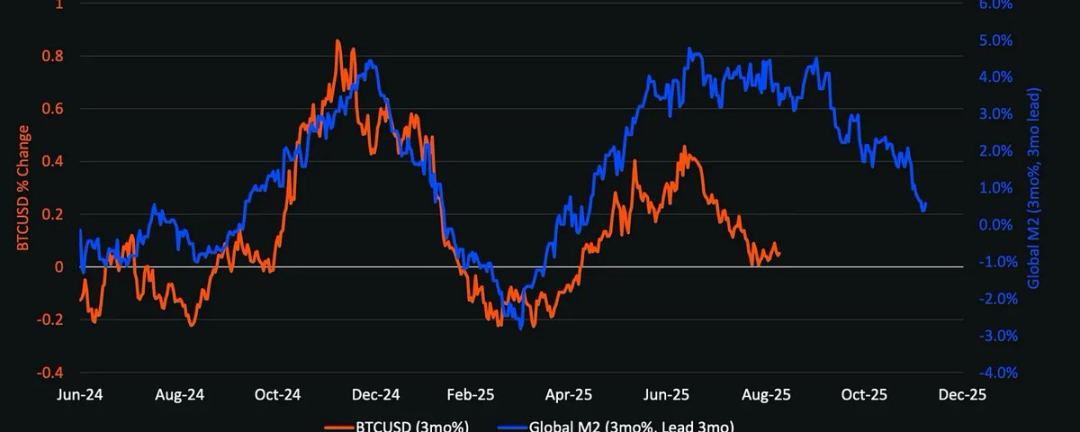
全球 M2 与比特币价格图表

最关键的结构性结论是:加密货币不会与宏观经济脱钩。流动性轮换的时机与规模、美联储的利率轨迹以及机构采用模式,将决定加密周期的演变路径。

与 2021 年不同,即将到来的山寨币季节(如果有)将会更加缓慢、更具选择性并且更加注重机构。

如果美联储通过降息和债券发行释放流动性,同时机构采用率持续提升,2026 年可能成为自 1999-2000 年以来最重大的风险资产周期。加密货币有望从中受益,但其表现将更具规范性,而非呈现爆发式增长。
美联储政策分化与市场流动性

1999 年,美联储加息 175 个基点,而股市却一路上涨至 2000 年的峰值。如今,远期市场的预期则截然相反:预计到 2026 年底将降息 150 个基点。若该预期兑现,市场将进入流动性增加而非收紧的环境。从风险偏好角度看,2026 年的市场背景可能与 1999-2000 年相似,但利率走势完全相反。若果真如此,2026 年或许会成为 「更猛烈的 1999-2000 年」。

加密货币市场的新背景(与 2021 年对比)

将当前市场与上一轮主要周期对比,差异显著:

  • 资本纪律更严格:高利率与持续的通胀迫使投资者更谨慎地选择风险标的;

  • 无新冠级流动性激增:缺乏广义货币供应量(M2)的飙升,行业增长必须依赖采用率提升与资金配置;

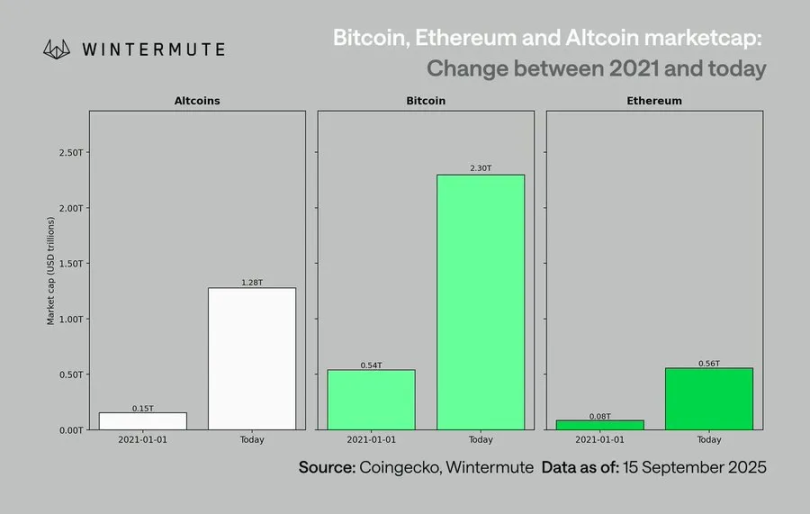
  • 市场规模扩大 10 倍:更大的市值基数意味着更深的流动性,但 50-100 倍的超额回报可能性更低;

  • 机构资金流入:主流机构的采用已根深蒂固,资金流入更趋平缓,推动市场缓慢轮换与整合,而非资产间的爆发式轮动。

比特币的滞后性与流动性传导链

比特币的表现与流动性环境存在滞后性,原因在于新增流动性被困在 「上游」 的短期国债和货币市场中。作为风险曲线最末端的资产,加密货币只有在流动性向下传导后才能受益。
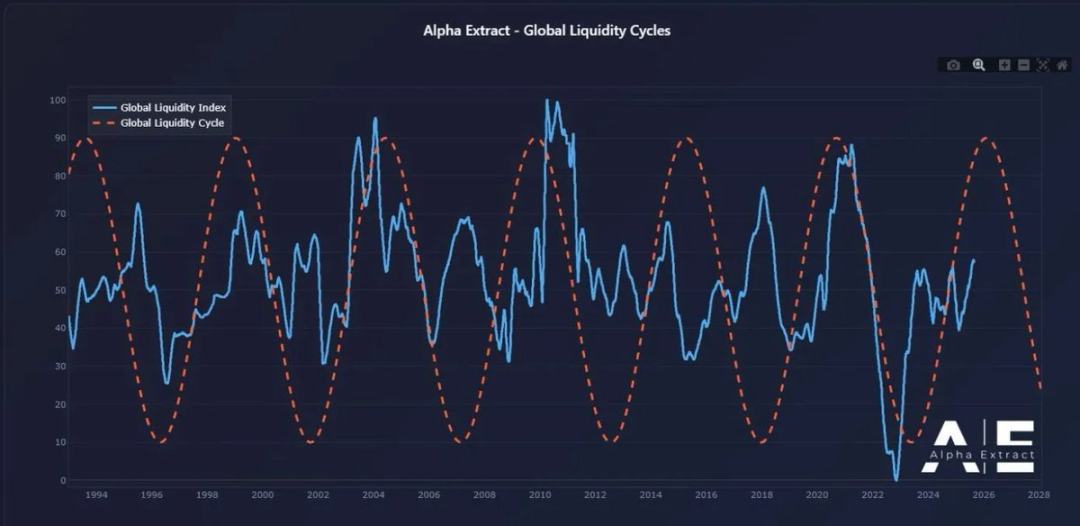
加密货币表现优异的催化剂包括:

  • 银行信贷扩张(ISM 制造业指数>50);

  • 降息后资金从货币市场基金流出;

  • 财政部发行长期债券,压低长期利率;

  • 美元走弱,缓解全球融资压力。

历史规律显示,当这些条件满足时,加密货币通常在周期后期上涨,晚于股票和黄金。

基准情景面临的风险

尽管流动性框架呈现看涨态势,但仍存在多项潜在风险:

  • 长期收益率上升(由地缘政治紧张引发);

  • 美元走强,收紧全球流动性;

  • 银行信贷疲软或信贷环境收紧;

  • 流动性滞留于货币市场基金,未流入风险资产。

下一轮周期的核心特征将不再是 「投机性流动性冲击」,而是加密货币与全球资本市场的结构性融合。随着机构资金流入、审慎的风险承担以及政策驱动的流动性转变相叠加,2026 年可能标志着加密货币从 「暴涨暴跌」 模式向 「具备系统相关性性」 的转型。


Related Reads

Under the squeeze between giants Tether and Circle, how can foreign exchange stablecoins break through?

In the face of dominance by Tether (USDT) and Circle (USDC), new entrants in the stablecoin space face significant challenges competing directly, especially in the foreign exchange (FX) market. A more viable and efficient path forward is the adoption of synthetic foreign exchange (Forex) built atop existing USD stablecoin rails. The rise of stablecoin neo-banks represents the next major growth area for mass crypto adoption, with FX becoming a core component. However, replicating the vast liquidity, distribution channels, and network effects of USDT/USDC is extremely difficult for new FX stablecoin issuers. The total market cap of all FX stablecoins is a fraction (roughly 1/700th) of USD stablecoins, leading to issues like poor liquidity, peg instability, limited acceptance, and complex compliance hurdles. Instead of issuing spot FX stablecoins, the article advocates for a model inspired by traditional finance's non-deliverable forwards (NDFs). Users would continue to hold underlying USDT/USDC, while their account balances are displayed and economically settled in their preferred local currency through MtM (Mark-to-Market) NDF structures. This approach leverages the deep liquidity and infrastructure of USD stablecoins while providing synthetic forex exposure. Key advantages include strong peg stability via oracles, retained access to USD stablecoin yields and liquidity, high capital efficiency, and easy scalability to new currencies. Primary use cases for this on-chain NDF forex include: 1. Neo-banks, custodians, and wallets offering multi-currency accounts to attract international users and increase deposits. 2. Forex carry trade strategies, potentially offering more stable and scalable yields compared to crypto-native products like Ethena. 3. Global corporate payments, allowing businesses to receive payments in local currencies while hedging forex risk on-chain, similar to services offered by Stripe in traditional finance. This synthetic forex model presents a pragmatic solution to overcome the network effects of incumbents and unlock the next wave of stablecoin utility for global consumers and businesses.

marsbit3h ago

Under the squeeze between giants Tether and Circle, how can foreign exchange stablecoins break through?

marsbit3h ago

Trading

Spot
Futures
活动图片