Израиль связал с КСИР 187 криптокошельков и приказал изъять $1,5 млн

cryptonews.ruPublished on 2025-05-15Last updated on 2025-09-16

Tether, эмитент стейблкоина USDT, уже заблокировал часть перечисленных Министерством обороны Израиля адресов

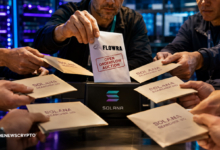
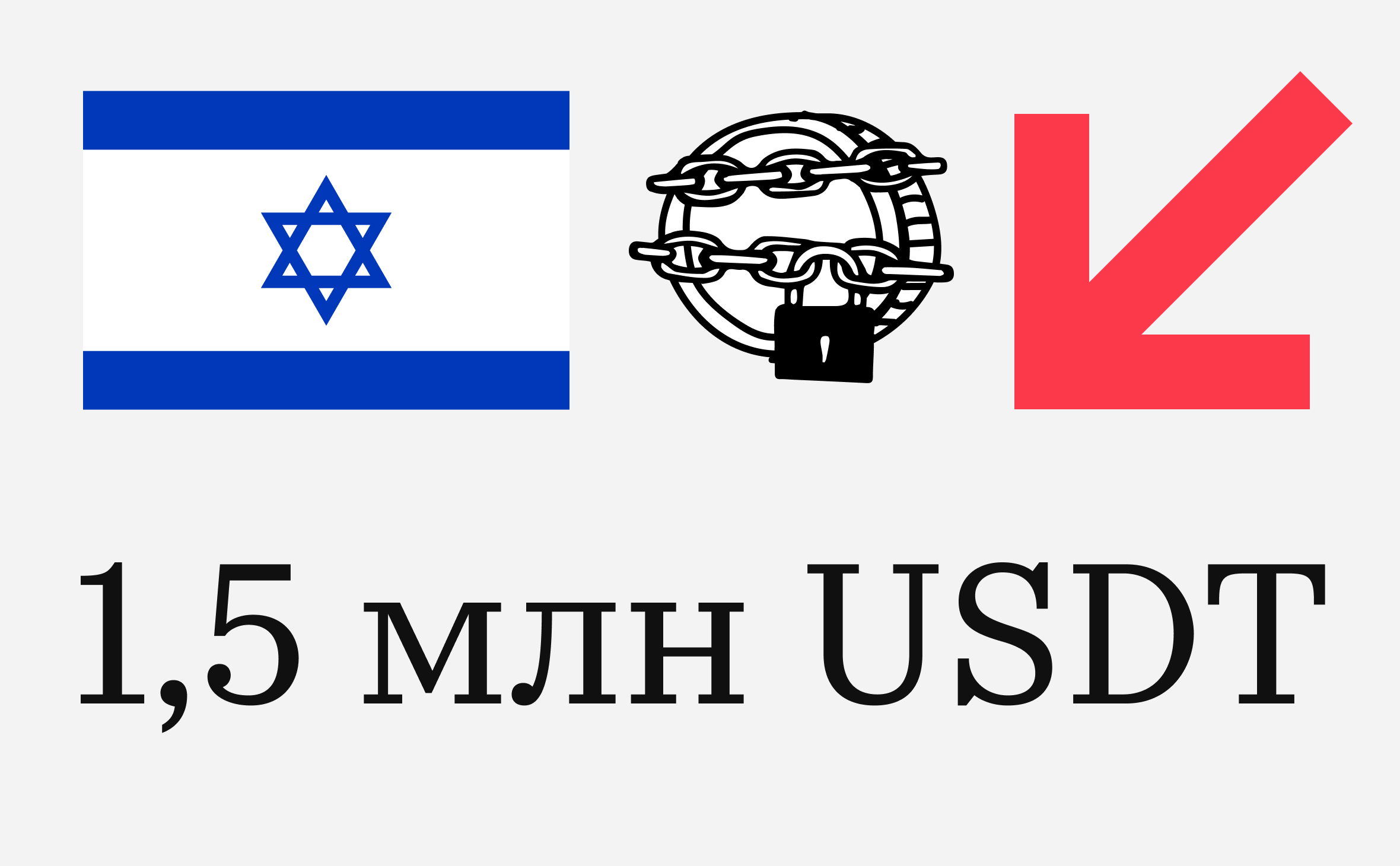
Министерство обороны Израиля потребовало конфисковать криптовалюту на $1,5 млн с 187 кошельков, которые ведомство связало с Корпусом стражей исламской революции (КСИР) Ирана. Министерство заявило, что «убеждено в том, что криптовалютные кошельки», указанные в списке, принадлежат КСИР и «используются для совершения тяжких террористических преступлений».

Блокчейн-аналитики Elliptic сообщили, что в настоящее время на кошельках хранится 1,5 млн USDT. При этом поступления на эти кошельки достигали $1,5 млрд в стейблкоинах USDT от Tether.

«Однако невозможно проверить, все ли эти транзакции напрямую связаны с КСИР, поскольку некоторые адреса могут контролироваться криптовалютными сервисами и быть частью инфраструктуры, используемой для проведения транзакций многих клиентов», — заявили аналитики.

rbc.group

В Elliptic указали на то, что КСИР находится под санкциями в США, ЕС и ряде других стран, и использование USDT сделало средства на перечисленных кошельках уязвимыми для конфискации. В сообщении говорится, что 39 адресов из 187 уже были внесены в черный список компанией Tether в субботу, 13 сентября.

«Это не позволяет этим кошелькам совершать дальнейшие транзакции в USDT, фактически замораживая $1,5 млн в USDT, хранящихся на этих адресах», — пояснили аналитики.

Израиль, возможно, получил информацию об этих кошельках, взломав иранскую инфраструктуру, рассказал TechCrunch директор по цифровым правам и безопасности в некоммерческой организации Miaan Group, специализирующейся на Иране, Амир Рашиди. По его словам, тут могут быть замешаны биржи, которые напрямую не связаны с КСИР, но имеют к нему отношение, как и многие банки и компании, которые «кажутся частными».

В июне произраильская хакерская группа Gonjeshke Darande («Хищный воробей») взломала крупнейшую в Иране криптобиржу Nobitex. В результате политически мотивированной атаки было скомпрометировано свыше $90 млн в криптовалютах, включая биткоин (BTC), Ethereum (ETH), Toncoin (TON) и Dogecoin (DOGE).

Украденные активы были переведены на «одноразовые» кошельки без доступа к ключам, что подтвердило несистемный характер атаки и исключило попытку извлечения прибыли, заявили тогда в Chainalysis. Инцидент, по оценкам аналитиков, стал серьезным ударом по иранской криптоинфраструктуре.


Related Reads

A Guide to Grayscale’s ‘Bottom Fishing’: Using Cash Flow to Assess Cryptocurrency Value

**Title:** Grayscale's Guide to Bottom-Fishing: Valuing Cryptoassets Using Cash Flows **Summary:** This report by Grayscale Research presents a fundamental valuation framework for cryptocurrency assets, moving beyond pure speculation to analyze those with underlying cash flows. It distinguishes between "commodity-like" assets (e.g., Bitcoin) and "cash-flow" assets, primarily within DeFi. Using the leading decentralized lending protocol Aave as a case study, the analysis applies traditional financial methodologies like Discounted Cash Flow (DCF) and Price-to-Earnings (P/E) multiples. Key findings indicate that AAVE tokens are currently undervalued. Despite recent challenges, the protocol's strong revenue growth, ~50% net profit margin, and diversified treasury support a fundamental valuation range of $80-$100 per token (compared to a ~$75 market price at the time of writing). In a base-case scenario driven by stablecoin adoption and regulatory clarity, the fair value could rise to around $175 within a year. The report emphasizes that protocol success does not automatically translate to token value. It critically examines the "value capture" mechanisms—such as buybacks, burns, and staking rewards—that channel protocol profits to token holders. Furthermore, it addresses the legal and governance complexities of Decentralized Autonomous Organizations (DAOs), noting their difference from traditional corporate equity but highlighting how robust, transparent governance can align protocol economics with holder interests. The conclusion is that the crypto market is maturing, with capital increasingly flowing towards projects with demonstrable fundamentals, real adoption, and disciplined capital allocation, creating opportunities for value-based investors.

marsbit21m ago

A Guide to Grayscale’s ‘Bottom Fishing’: Using Cash Flow to Assess Cryptocurrency Value

marsbit21m ago

After semiconductors lead the gains, are funds buying into AI orders or a macroeconomic rebound?

After US-Iran talks led to a temporary ceasefire and framework for reopening the strategic Strait of Hormuz, U.S. stocks rose on June 18, with the Nasdaq gaining 1.9%. The semiconductor and AI hardware sectors outperformed. This rally stemmed primarily from reduced geopolitical risk, which lowered oil prices and inflation expectations, easing discount rate pressure on high-valuation growth stocks like tech. The key question is not whether tech rebounded, but the nature of the rebound. The market appears to be selectively repricing AI infrastructure plays rather than broadly chasing AI narratives. Gains were concentrated in chips, optical interconnects, memory, and domestic manufacturing—segments tied to tangible data center build-outs and capital expenditure. Intel's ~10% surge, fueled by a Trump statement about potential Apple collaboration, exemplifies this mixed dynamic. It reflects policy catalysts and domestic manufacturing sentiment more than confirmed fundamentals. Meanwhile, strong earnings from companies like Astera Labs (revenue up 93% YoY) provided concrete evidence of AI-driven demand in hardware. In essence, the rally represents a risk-premium recalibration. Lower Middle East tensions opened a valuation repair window, and capital flowed first into AI infrastructure segments with visible near-term revenue streams. The sustainability of this move hinges on upcoming Q2 earnings, specifically continued strength in cloud provider capex, AI server orders, and hardware company guidance. Policy hopes alone are insufficient; the cycle needs validation from orders and financials.

marsbit26m ago

After semiconductors lead the gains, are funds buying into AI orders or a macroeconomic rebound?

marsbit26m ago

The Entire Internet Hails Noam's Joining, But OpenAI's Loss Bill Just Got Thicker

While the AI community celebrates Noam Shazeer, co-author of the "Attention Is All You Need" paper, joining OpenAI as Head of Architectural Research, the company's audited financials reveal a starkly different reality. In 2025, OpenAI reported $13.07 billion in revenue but a massive $20.92 billion operating loss. Even excluding a one-time accounting charge, the cash burn is severe, with $3.7 billion consumed in Q1 2026 alone. This high-profile hiring occurs against a backdrop of significant internal research talent drain, with key founders and researchers departing as the company's focus shifts from exploratory research to product iteration. Meanwhile, OpenAI's fundamental business model faces a deep crisis. It paid Microsoft $10.59 billion for compute in 2025, while its vast user base of 9 billion weekly actives includes only 50 million paying customers, making growth a direct driver of escalating costs. The article argues Shazeer's recruitment is less about technical necessity and more about crafting a compelling narrative for OpenAI's upcoming IPO, aiming to justify a rumored $1 trillion valuation to future public market investors. It contrasts OpenAI's strategy with Anthropic's reported path to profitability, which relies on a strong enterprise customer base and cost control, rather than star-powered narratives. Ultimately, the piece concludes that while Shazeer's architectural work may take 1-2 years to materialize, OpenAI's financial clock is ticking much faster, with its massive losses undercutting the celebratory headlines.

marsbit2h ago

The Entire Internet Hails Noam's Joining, But OpenAI's Loss Bill Just Got Thicker

marsbit2h ago

Trading

Spot
Futures
活动图片