从 4500 万到千亿利润:Hyperliquid 如何酝酿万亿市值神话?

比推Published on 2025-09-10Last updated on 2025-09-10

作者:Pima,ContinueCapital 联创

原文标题:从4500万到千亿利润,拆解Hyperliquid冲击万亿市值的底层逻辑


Crypto 领域最赚钱的业务,合约市场,目前一年全市场大概 200-300 亿美金的利润,这在过去 2 年中以大概年化 100% 的增速迅猛发展,反而现货市场被碾压,利润分配大概合约:现货=3:1
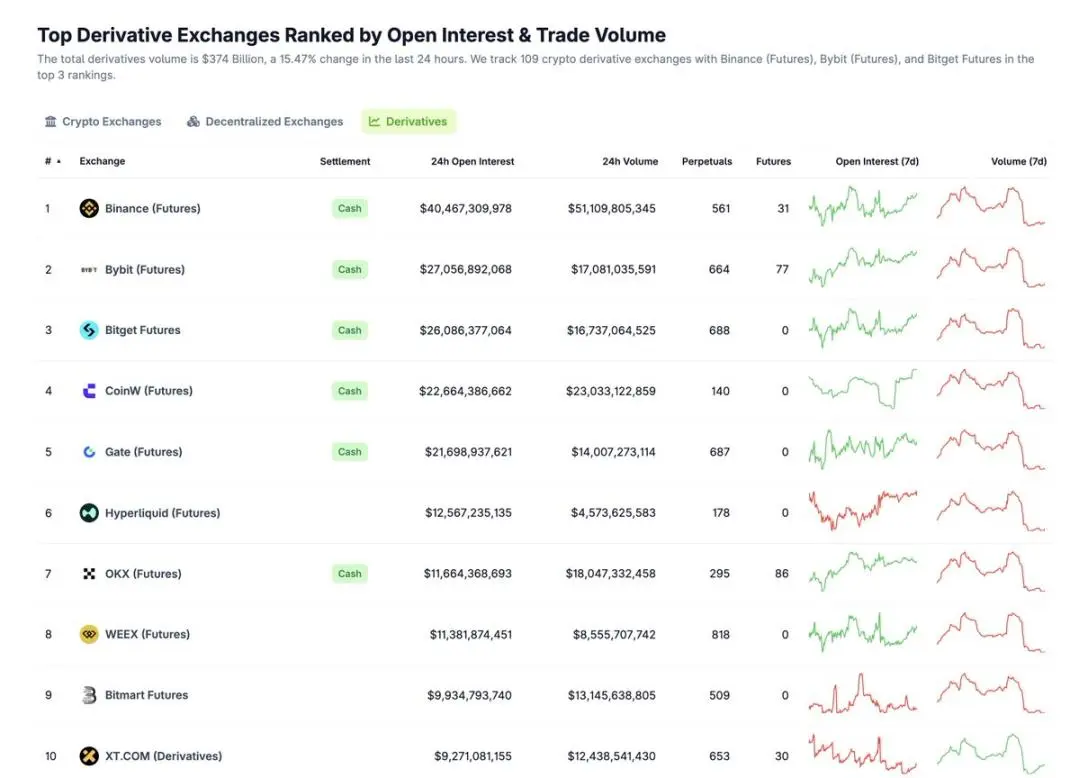
按照美股 25 倍 PE,我们可以大概知道合约市场能支撑 5000-7500 亿市值公司,假如币安一家拿走 40% 的市场份额,大概 2000-3000 亿市值,假如 Hyperliquid 拿走 30% 的市场,大概对应 1500-2200 亿市值;为什么币安得不到如此高 PE?我认为一方面是财务透明度问题,(安然造假对资本市场的冲击是灾难性的)另一方面是管道问题,需要触及更多的渠道让资本市场介入(DAT/ETF/Robinhood 等)第三就是收入多元化问题(订阅模式比抽佣模式享受更高的估值)随着时间的推移,上述阻力都在向好。

$HYPE 能用多久拿到 30% 市场份额?分析未来的前提是能认清当下,你未来的业绩靠现在以及过去的表现来动态预估。

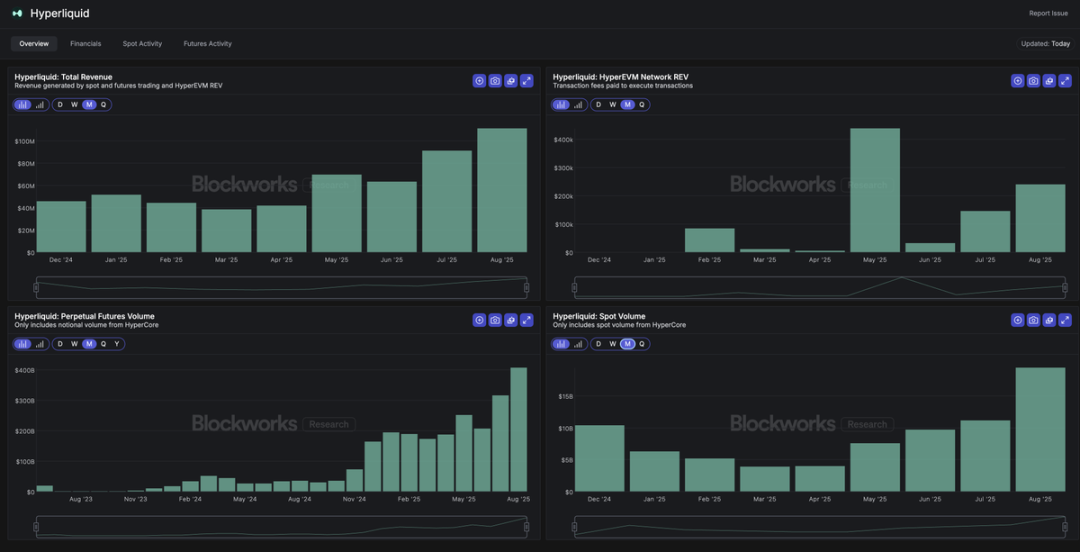
2024 年 12 月 HYPE 月收入 4500 万,25 年 8 月月收入 1.1 亿美金,月营收复合增速 11.8%,按照这个增速,要实现单月收入 10 亿美金,大概还需要 19 个月,也就是年收入 120 亿美金,PE 25 对应 3000 亿公允市值;假设边际增速降低,( 体量增大 / 竞争加剧 ) 月营收增速 5%,从 0.45-10 亿总共需要 64 个月也就是目前还需要 55 个月,年化增速 80%,即实现 120 亿美金年化收入大概还需要 4.5 年。
在合规加持万物上链一切泛金融化的趋势下,合约市场整体依然保持高速增长,假设按照年化 30% 增速,5 年后的合约市场利润在 740-1110 亿美金,千亿利润是完全可以支撑 2 万亿的市值,你只要能拿到 30% 的市场份额,6000 亿市值是完全公允估值。要明白美股 MEGA 7,(除了 TSLA)不是靠 PE 推动,绝大部分是靠 EPS 推动,每个 2 万亿以上的公司的背后都是年利润千亿美金。

在此并没有预测 HYPE 上 的稳定币市场收入 / 现货市场收入 / 未来 HIP-3 带来的生态市场收入等等,只是盯着主要矛盾和最优解,(当然支付市场也是很庞大,需要单独另表)整体逻辑和思路搭建了个框架,有兴趣可以自行延展

透明的力量,无许可的力量是无穷的,与其哀叹为什么项目踯躅不前,不如好好研究公司如何在未来赚取更多的现金流。


Twitter:https://twitter.com/BitpushNewsCN

比推 TG 交流群:https://t.me/BitPushCommunity

比推 TG 订阅: https://t.me/bitpush

说明: 比推所有文章只代表作者观点,不构成投资建议

Related Reads

The Philadelphia Semiconductor Index Tumbles Nearly 5% in a Single Night, Optical and Memory Sectors 'Collapse' Together: Surging U.S. Bond Yields Shake AI Belief

On the evening of August 18th, the US stock market saw a sharp sell-off concentrated in the AI hardware sector, with the Philadelphia Semiconductor Index plummeting nearly 5%. Leading AI infrastructure and components companies in fields like optical communication and memory chips experienced some of the steepest declines, such as Fabrinet (-19.38%) and Kioxia ADR (-13%). The sell-off was not broad-based but rather targeted the long-duration, high-momentum stocks previously driven by AI narrative optimism. This market shift is primarily attributed to a significant surge in long-term US Treasury yields, with the 30-year yield hitting its highest level since 2007. Rising yields increase discount rates, disproportionately impacting the valuations of growth stocks whose profits are projected far into the future—a category that includes most AI hardware plays. Additional pressure came from climbing oil prices due to Middle East tensions, which fueled inflation concerns. The article identifies three structural reasons for the severity of the drop in these specific subsectors: excessive prior gains and crowded positioning, high sensitivity to the sustainability of AI capital expenditure narratives, and inherent high volatility within the supply chain. Importantly, the sell-off appears to be a valuation and positioning reset rather than a fundamental repudiation of AI, evidenced by the relatively modest decline in a bellwether like Nvidia (-2.34%). Looking ahead, the direction hinges on three key indicators: whether the 30-year Treasury yield stabilizes, the trajectory of oil prices and geopolitical risks, and the market's pricing of new AI-related corporate debt. For related Asian and A-share markets, short-term negative sentiment spillover is expected, but medium-term drivers like domestic cloud capex may provide divergence. The episode signifies a market transition from pricing AI's "story" to rigorously evaluating its returns against a backdrop of higher financing costs.

marsbit50m ago

The Philadelphia Semiconductor Index Tumbles Nearly 5% in a Single Night, Optical and Memory Sectors 'Collapse' Together: Surging U.S. Bond Yields Shake AI Belief

marsbit50m ago

Trading

Spot
活动图片