Почему банки блокируют счета при обмене криптовалют и P2P-сделках

cryptonews.ruPublished on 2025-04-26Last updated on 2025-08-27

Последние месяцы владельцы криптовалют все чаще сталкиваются с блокировками банковских счетов при покупке или продаже криптоактивов. Почему это происходит, как снизить риски и что делать, если счет заблокировали — разбираем в статье.

Российские банки с 2025 года работают в условиях усиленных требований по финансовому мониторингу. Из-за этого транзакции по продаже криптовалюты за рубли через обменники, P2P-платформы и биржи иногда оцениваются банками как высокорисковые и блокируются.

Специалисты AWX рассказали, что обычно блокировки происходят на основании одного из двух законов: №161-ФЗ «О национальной платежной системе» и №115-ФЗ «О противодействии легализации доходов», которые определяют правила, по которым платежные организации обязаны выявлять и останавливать подозрительные операции.

Помимо этого, законодатели ввели меры против дропперства — передачи банковских или SIM-карт третьим лицам для использования в мошеннических схемах, что приводит к отдельным ограничениям и уголовной ответственности.

№161-ФЗ: контроль переводов и СБП

В соответствии с №161-ФЗ банки обязаны отслеживать операции через Систему быстрых платежей (СБП) и блокировать сомнительные переводы. Центральный банк России поддерживает реестр под названием «О случаях и попытках перевода денежных средств без согласия клиента». Этот реестр обновляется на регулярной основе за счет информации, предоставляемой клиентами банков, которые соответствуют одному или нескольким критериям:

  • Операции, вызывающие подозрения, связанные с обналичиванием средств, дропперством или мошенническими действиями;

  • Жалобы от третьих лиц, поступившие в банк;

  • Обращения в МВД с обвинениями в незаконных действиях;

  • Срабатывание банковского риск-фильтра.

Блокировка счета может быть частичная или полная. В первом случае блокируются услуги только в одном банке, во втором — во всех финансовых организациях, где у клиента есть счета.

№115-ФЗ: антиотмывочный контроль

С 1 июня 2025 Росфинмониторинг может приостанавливать операции клиента до 10 дней без постановления суда при наличии подозрений в отмывании или финансировании экстремизма. Подозрительными могут считаться транзакции:

  • C более чем 10 физические лицами в день, более 50 в месяц.

  • Более 30 транзакций по зачислению/списанию в день.

  • Свыше 100 000 рублей в день, более 1 млн в месяц.

  • Менее минуты между зачислением и выводом средств.

  • Зачисление/списание денег происходит на протяжении 12 часов и более.

Дополнительными триггерами могут быть отсутствие платежей за товары и услуги, использование одного устройства разными клиентами для доступа к услугам перевода денежных средств, а также низкий средний остаток на счете — менее 10% от среднедневного объема операций на конец дня.

Дропперство — отдельный сектор риска

Дропперы — люди, предоставляющие доступ к своим банковским картам и SIM-картам третьим лицам для переводов.

Согласно последним изменениям в законодательстве, передача своего номера телефона или карты третьим лицам может привести к уголовной ответственности до шести лет и попаданию в «черные списки» банков. Дропперы, даже не имевшие умысла участия в мошенничестве, могут оказаться исключены из банковской системы на долгое время.

В криптоиндустрии дроппер передает обменнику или P2P-трейдеру доступ к своим счетам, интернет-банку, либо осуществляет переводы сам по выданным реквизитам. Банки выявляют такие операции и блокируют карты.

Что делать клиенту

Как отмечают в AWX, заранее предсказать блокировку карты невозможно, однако можно снизить риски:

  • Избегать неожиданных крупных переводов без документальной основы.

  • Не передавать данные свои карты третьим лицам — не участвовать в дропперстве.

  • Не дробить платежи — это трактуется как признак обхода лимитов.

  • Избегать получения средств от незнакомых лиц, особенно через СБП или чужие карты.

  • Любые крупные операции подтверждать договором, документами, чеками.

  • Заранее уведомлять банк о планируемых крупных расходах или поездках.

  • Поддерживать контакт с банком или персональным менеджером,.

Если блокировка уже наступила

При блокировке счета в первую очередь следует запросить у банка официальный ответ, объясняющий причины блокировки, а также проверить доступ к счетам в других финансовых учреждениях. Далее необходимо подать обращение в Банк России через интернет-приемную. Важно фиксировать все обращения и ответы от кредитной организации.

Если блокировка связана с жалобой в МВД, стоит уточнить у банка, какой именно перевод стал причиной проблемы. Взаимодействие с правоохранительными органами можно передать юристу, предварительно собрав необходимые документы и информацию, подтверждающие законность перевода — это может быть переписка с обменником или P2P-трейдером, скриншоты транзакций и другие доказательства

Заключение

Банки действуют на основе алгоритмов и требований Росфинмониторинга. При прозрачных операциях с документальным подтверждением и без передачи карт третьим лицам риск блокировки значительно снижается.

При блокировке счета необходимо реагировать оперативно, предоставлять документы и использовать правовые механизмы. Проводить операции по обмену лучше через офлайн-офисы обменных сервисов.
Related Reads

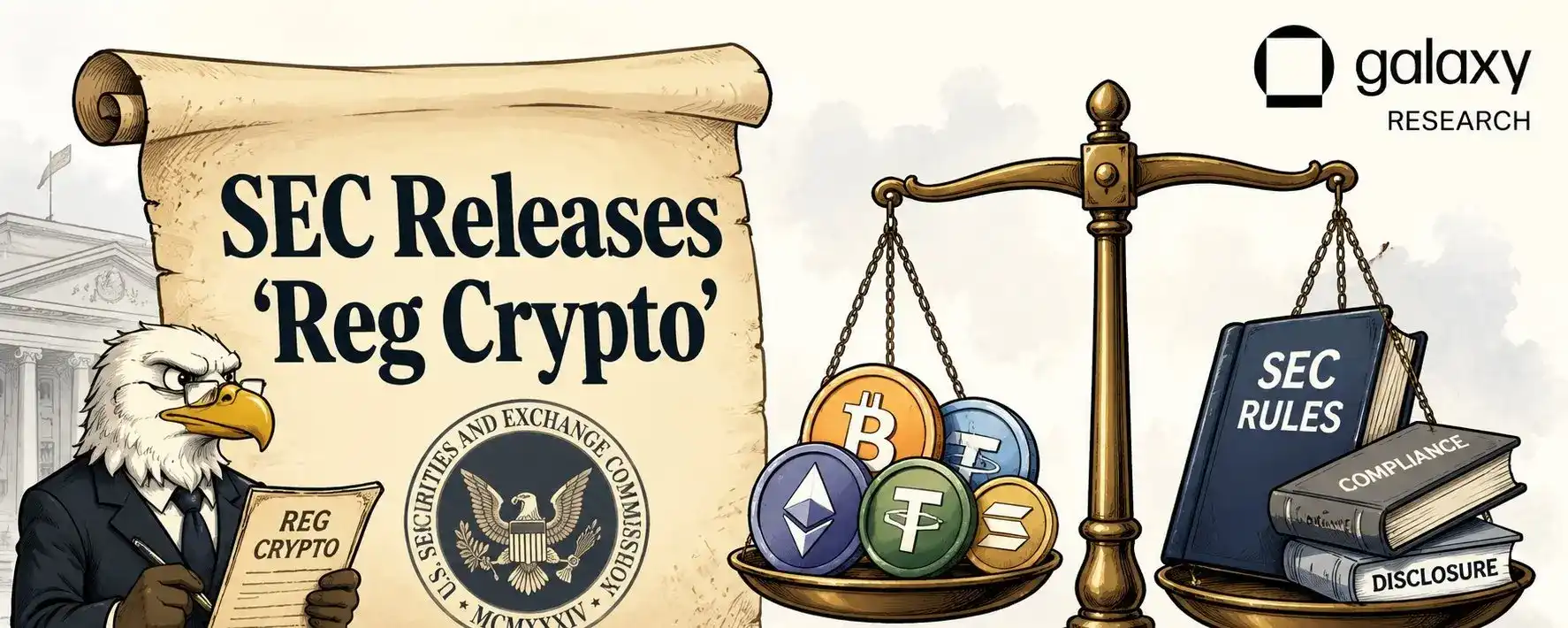
Galaxy Research: Can SEC's New Regulations Usher in a New Era for Token Financing?

**SEC Proposes New Framework for Token Offerings, Potentially Unlocking Legal Paths for U.S. Crypto Fundraising** On August 18, the U.S. Securities and Exchange Commission (SEC) proposed new rules, dubbed "Reg Crypto," specifically tailored for crypto asset offerings. This framework marks a departure from applying traditional securities rules designed for stocks to tokens. It creates a potential legal pathway for token sales to the U.S. public, including non-accredited investors, without full registration. The proposed rules apply to crypto assets that are not themselves securities but were sold as part of an investment contract where the issuer promised to build a product, network, or ecosystem. It establishes a four-phase lifecycle: Raise, Disclose, Build, and Exit. The "Raise" phase includes two new fundraising exemptions: a startup exemption allowing up to $5 million over four years and a larger, Regulation A-based exemption for up to $20 million or $75 million over 12 months. The "Disclose" phase requires specific token-related disclosures like supply schedules, governance, and development progress. After the issuer completes its promised development work and files a transition report, the "Exit" phase allows the associated investment contract to terminate, even if the token continues to trade. The analysis highlights that the framework's most immediate impact may be providing a formal "exit" path for existing tokens with unclear legal status, rather than immediately sparking a new wave of U.S.-based token offerings. It offers advantages over traditional private placements by allowing public sales and immediate token transferability but imposes ongoing disclosure and reporting obligations. A key hurdle is that the larger exemption requires a substantial U.S. operational presence, which may deter projects with offshore structures. Overall, the proposal is seen as a constructive step toward regulatory clarity, acknowledging that token offerings differ from equity offerings and require tailored investor disclosures. However, it remains a proposal subject to a 60-day public comment period, and its long-term stability may ultimately depend on congressional action.

marsbit1h ago

Galaxy Research: Can SEC's New Regulations Usher in a New Era for Token Financing?

marsbit1h ago

Bitcoin and Ethereum Soar Together! Eight Altcoins Worth Watching in the Later Market

Bitcoin and Ethereum Surge, Fueling Altcoin Speculation. Bitcoin Eyes $77,000, Ethereum Gains 20% in a Single Day. Market anticipates capital rotation from major cryptos to high-beta altcoins, but a selective rise is expected, favoring projects with genuine users, protocol revenue, and healthy tokenomics. Analysts highlight eight altcoins across key sectors: **High-Performance Blockchains:** * **SOL (Solana):** Market cap ~$51.88B. A dominant player with a strong ecosystem. Considered a relatively safe bet for potential catch-up growth. * **SUI (Sui):** Market cap ~$3.03B. High volatility potential but faces risks from its low circulating supply and future token unlocks. **DeFi Lending:** * **UNI (Uniswap):** Market cap ~$2.38B. Transitioning to a revenue-capturing asset post-fee switch implementation. * **AAVE (Aave):** Market cap ~$1.53B. Features balanced tokenomics and revenue but has seen significant recent gains. * **MORPHO:** Market cap ~$1.50B. Rapid protocol growth but weaker token value capture and opaque supply data. **Perpetual DEX:** * **HYPE (Hyperliquid):** Market cap ~$16.41B. The clear sector leader with strong revenue but high valuation and a large portion of tokens still locked, warranting caution. **RWA & On-Chain Finance Infrastructure:** * **LINK (Chainlink):** Market cap ~$8.09B. A key oracle provider positioned to benefit from multiple trends like RWA and institutional adoption, offering strong fundamentals. * **ONDO (Ondo Finance):** Market cap ~$1.77B. Shows strong business growth but carries high risks due to concentrated token holdings and a massive unlock scheduled for 2027. **Conclusion:** The altcoin rally is expected to be selective. Recommendations include a medium position in SOL, small allocations to SUI and UNI/AAVE for DeFi exposure, and caution with HYPE and ONDO due to their specific risks. LINK is suggested as a core holding for the RWA thematic.

marsbit3h ago

Bitcoin and Ethereum Soar Together! Eight Altcoins Worth Watching in the Later Market

marsbit3h ago

Shanghai's $10 Billion Unicorn Is About to Go Public

Shanghai-based automotive-grade millimeter-wave radar chip unicorn Calterah Microelectronics Technology (Shanghai) Co., Ltd. has filed for an IPO on Shanghai's STAR Market, aiming to raise 3.49 billion yuan. Founded in 2014 by Chen Jiashu, a UC Berkeley PhD graduate, and his professor Ali Niknejad, Calterah pioneered CMOS technology for 77GHz radar chips, breaking the decades-long monopoly of international giants like Texas Instruments. Its low-cost, highly integrated solutions enabled millimeter-wave radar to move from luxury to mass-market vehicles. By 2025, Calterah captured a 31.1% share in China's automotive millimeter-wave radar chip market (second domestically, fourth globally), with cumulative shipments exceeding 30 million units. Its client list includes BYD, Geely, Nio, and Volvo. The company has undergone 11 funding rounds, attracting high-profile investors such as the National Integrated Circuit Industry Investment Fund Phase II, China Capital Management, and GD Capital. Its valuation has reached tens of billions of yuan, with a projected post-IPO valuation of approximately 14 billion yuan. Despite rapid revenue growth—increasing from 206 million yuan in 2023 to 632 million yuan in 2025 with a 75.28% CAGR—Calterah remains unprofitable. It reported net losses of 323 million yuan, 334 million yuan, and 193 million yuan from 2023 to 2025, accumulating over 900 million yuan in losses over three and a half years. These losses are primarily attributed to heavy R&D investment, which totaled over 1.039 billion yuan in the reporting period, often exceeding annual revenue. The company faces significant risks, including high customer concentration (its top five customers accounted for over 99% of revenue from 2023-2025, with BYD alone representing over 50% in 2025) and supply chain concentration. Revenue pressure from key customers and dependencies on overseas suppliers for EDA tools and IP pose challenges to sustainable growth. The IPO is seen as crucial for securing capital to expand production, diversify its customer base, and reduce supply chain dependencies.

marsbit3h ago

Shanghai's $10 Billion Unicorn Is About to Go Public

marsbit3h ago

Ray Dalio's Latest Macro Analysis Full Text: Buy More Gold, Add Some Bitcoin

In his latest macro analysis, Ray Dalio applies his framework from "How Countries Go Broke: The Big Cycle" to the current global debt environment. He highlights recent events like Japan selling U.S. Treasuries and rising U.S. long-term yields as signs of an unsustainable debt dynamic. Dalio explains that excessive government debt leads to either unacceptably high interest rates, severe economic downturns, or significant currency debasement through central bank money printing. He summarizes the U.S. fiscal situation: with $5.5 trillion in revenue, $7.5 trillion in spending, a $2 trillion deficit, and total debt at six times annual revenue, debt servicing costs are immense. Without correction, U.S. debt could reach $55-$60 trillion in a decade. Dalio proposes a "3% Three-Way" solution: reducing the budget deficit to 3% of GDP through balanced spending cuts, tax increases, and interest rate reductions to avoid a traumatic adjustment. In response to FAQs, he argues that the risk of a U.S. debt crisis is high and could materialize within a few years if the current path continues. He dismisses the notion that the dollar's reserve status makes the U.S. immune, citing historical precedents of reserve currency declines. He is also unconvinced by Japan's high-debt stability, noting poor returns for yen-denominated assets. For investors, Dalio recommends diversifying globally, underweighting bonds, and overweighting assets like gold and a small allocation to Bitcoin (around 10-15% to gold) to hedge against currency debasement and poor debt returns.

marsbit4h ago

Ray Dalio's Latest Macro Analysis Full Text: Buy More Gold, Add Some Bitcoin

marsbit4h ago

Trading

Spot
活动图片