Белорусский сервис добавил услугу прямого обмена криптовалюты для россиян

RBK-cryptoPublished on 2025-08-22Last updated on 2025-08-22

Компания WhiteBird запустила услугу, позволяющую пополнять криптовалютный счет в рублях и выводить средства на российские карты

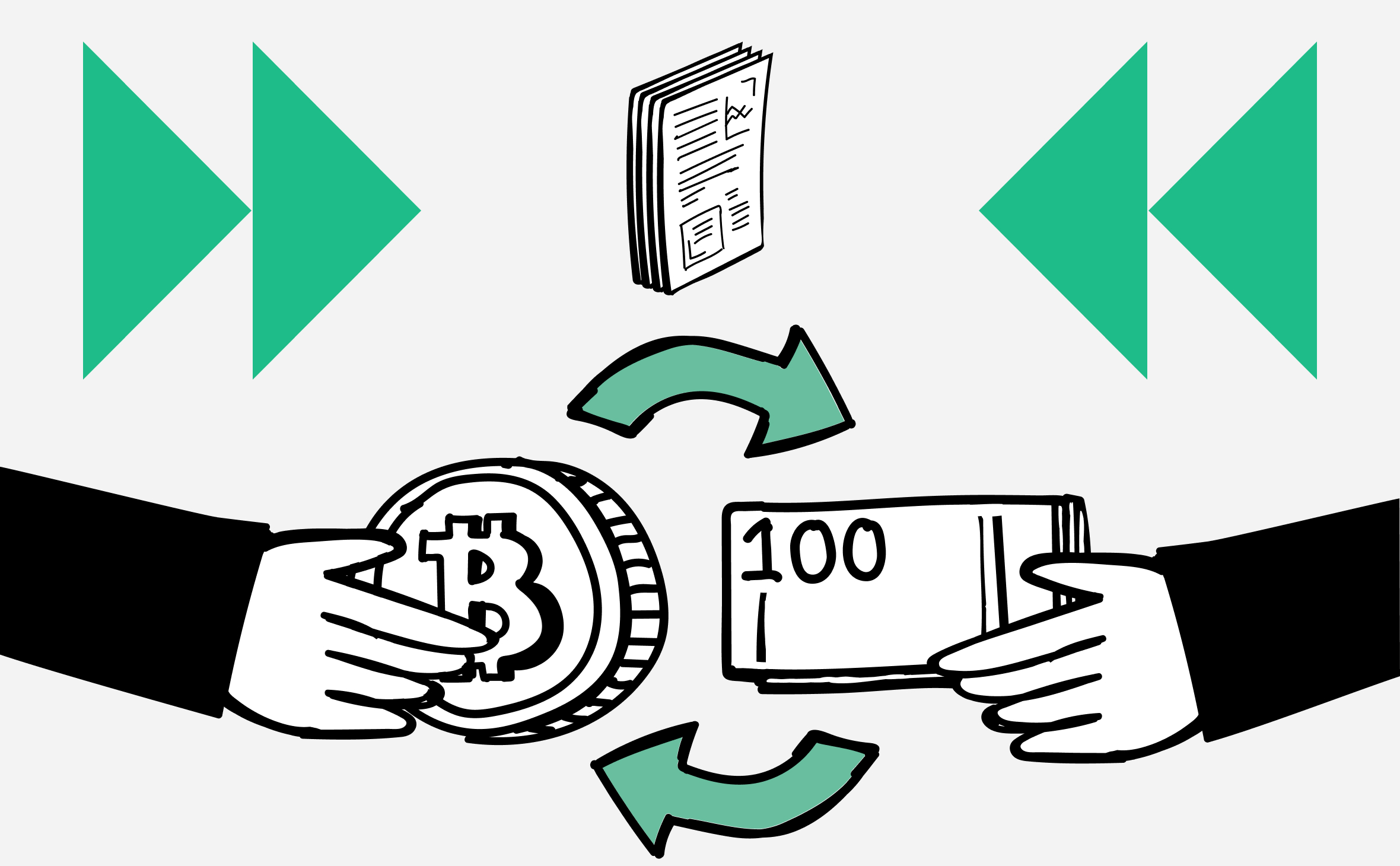
Белорусская компания WhiteBird объявила о запуске услуги, позволяющей гражданам России напрямую покупать и продавать криптовалюту. Покупка токенов и пополнение электронного криптовалютного счета возможны с помощью банковских переводов, сервиса SberPay или криптокарты, которую можно выпустить на той же платформе. Вывод средств в рублях — на любую карту МИР. Функция уже доступна зарегистрированным и верифицированным пользователям.

Услуга выглядит крайне актуальной на фоне борьбы с p2p переводами на крипторынке и введенных в мае ограничений на переводы между физлицами — до 100 тыс. рублей в месяц при попадании в базу ЦБ о подозрительных операциях. По словам опрошенных «РБК-Крипто» юристов, эта база уже затронула большую часть российского P2P-обмена. Пользователи не всегда могут проверить происхождение поступающих переводов. Если человек продает, например, USDT через P2P, он не знает, кто переводит ему деньги. Это может быть карта, оформленная на подставное лицо, счет жертвы мошенников или участника незаконной схемы. Даже если сам продавец действовал добросовестно, он может оказаться участником расследования.

В условиях роста преступных схем и, как следствие, усиления банковского контроля в отношении p2p-переводов, действительно отмечается возросший интерес к сервисам, работающим в прозрачной и регулируемой юрисдикции, где существуют жесткие требования к KYC, источникам происхождения денежных средств и чистоты крипты. Они становятся безопасной альтернативой для российских пользователей криптовалют, а также позволяют избежать посредников и сохранять прямой контроль над собственными средствами.

Белорусский рынок криптовалюты действует в рамках юрисдикции Парка высоких технологий (ПВТ), который выдает лицензии и контролирует участников. Легальные площадки в стране предлагают инструменты хранения, обмена и торговые сервисы с интеграцией банковских систем.

WhiteBird подчеркивает, что работает в Белоруссии с 2020 года и является резидентом ПВТ. Сервис предоставляет криптокошелек, платежные карты, платформу для биржевой торговли и другие инструменты, в том числе для юридических лиц.

Канье Уэст запустил криптовалюту. Как распределят токен YZY

Биржи объединились в сеть для отслеживания и заморозки криптовалют

«Все ожидания учтены в цене». Прогноз курса биткоина на сентябрь
Related Reads

Upbit is Anxious: A Hasty Counterattack Aimed at Regaining Stablecoin Market Share

Title: Upbit's Rushed Counterattack to Reclaim Stablecoin Market Share Facing a dramatic shift in South Korea's stablecoin market, leading exchange Upbit launched a promotional campaign from July 26 to August 9, waiving the 0.05% trading fee for stablecoins paired with the Korean Won (KRW) and rapidly listing new stablecoins like RLUSD and USDG. This move is a direct response to its plummeting market share in this sector. Historically a duopoly with Bithumb, the market has been reshaped since October 2025 when Coinone permanently removed fees for USDC trading. By June 2026, Coinone led with 34.8% of stablecoin volume, followed by Bithumb (31.1%) and Upbit (30.1%). This contrasts sharply with the overall crypto market, where Upbit commands 60%. The data shows stablecoin demand is highly sensitive to fees, as users primarily buy them to transfer capital overseas for derivatives trading or forex arbitrage. South Korean exchanges have seen a net outflow of stablecoins for 18 consecutive months, totaling approximately 14.9 trillion KRW, underscoring their role as a cross-border capital conduit. Upbit's limited-time promotion initially boosted its daily stablecoin volume by 162%, but the surge was almost entirely in USDT (98.1% of volume). The newly listed stablecoins saw negligible, fleeting interest. Furthermore, the promotional effect quickly waned in the second week, with volume dropping 33% on weekdays. A concurrent weakening of the KRW also contributed to the trading spike, independent of the fee waiver. The analysis suggests that once the promotion ends, Upbit is unlikely to retain its temporary gains unless it matches Coinone's permanent zero-fee policy, forcing a choice between market share and fee revenue. Upbit's strategic push may be less about immediate profit and more about preparing for future regulatory shifts. With South Korea's *Digital Asset Basic Act* on the horizon, which will regulate KRW-backed stablecoins, and following Dunamu's (Upbit's parent) integration into Naver Financial to build a payment ecosystem, securing a dominant position in the dollar stablecoin distribution channel holds long-term strategic value. However, potential regulatory conflicts could prevent Upbit from listing a future Naver-issued KRW stablecoin, making the current fight for dollar stablecoin flow even more critical.

marsbit5h ago

Upbit is Anxious: A Hasty Counterattack Aimed at Regaining Stablecoin Market Share

marsbit5h ago

Michael Saylor Compares Bitcoin and Gold!

Michael Saylor, founder of MicroStrategy, argues that Bitcoin fundamentally changes how wealth is stored and transferred by transforming digital scarcity into economic value. He describes Bitcoin as the first digital monetary network, combining computers, digital networks, and cryptography. It digitizes monetary assets, allowing their supply to be controlled by public protocols rather than institutions, thus converting economic value into information transmissible over global networks. Comparing Bitcoin to gold, Saylor states that while increasing Bitcoin's supply is harder, its integration with software and transfer is easier. He highlights Bitcoin's proof-of-work mechanism, which ties it to the physical world by consuming real energy to secure the ledger, making past transactions immutable. This creates a shared security system involving miners, energy companies, and investors. Saylor suggests "digital monetary energy" is a more accurate term than "digital gold." He emphasizes that the Bitcoin network is an adaptive ecosystem of miners, nodes, developers, and users. Its core design is intentionally simple, focused on maintaining a secure ledger for scarce digital assets, with complex functionalities built in higher-layer applications. This architecture allows Bitcoin to serve as a foundation for transmitting value and fostering innovation in payments and financial services. Saylor notes Bitcoin's deeper impact lies in creating digital sovereignty, where private keys give individuals permissionless control over their economic power, with ownership verified mathematically, not by institutions. He concludes that while gold's physical scarcity makes it money, Bitcoin's digital scarcity does the same, characterizing Bitcoin as the monetary energy of the digital age.

cryptonews.ru6h ago

Michael Saylor Compares Bitcoin and Gold!

cryptonews.ru6h ago

Trading

Spot
活动图片