Crypto Alliance: Bolivia And El Salvador Sign Pact As Economy Wobbles

bitcoinistPublished on 2025-08-01Last updated on 2025-08-01

Abstract

Bolivia’s Central Bank and El Salvador’s Digital Assets Commission signed a deal this week to work together on crypto rules...

Trusted Editorial content, reviewed by leading industry experts and seasoned editors. Ad Disclosure

Bolivia’s Central Bank and El Salvador’s Digital Assets Commission signed a deal this week to work together on crypto rules and tools. It went into effect right away and has no end date, at least based on initial reports.

According to the Memorandum of Understanding (MOU), Bolivia will tap into El Salvador’s experience as the first country to make Bitcoin legal tender. The pact aims to bring new tech and wider financial access to people who have long been left out of traditional banking.

Bolivia Turns To Crypto

Bolivia lifted its ban on digital coins in June 2024 and saw trading volume hit $47 million in just three months. That breaks down to a little over $15 million per month—twice the pace of the previous year and a half.

By June 30 of this year, total volume climbed to $294 million, according to the central bank. Many Bolivians are already using Bitcoin and stablecoins for everyday buys. Mobile wallets are popping up in markets where banks rarely reach.

The BCB and the National Digital Assets Commission of El Salvador agree on Mutual Cooperation for Development of Crypto Assets in Bolivia. Source: Bolivia Central Bank.

Reserve Crisis Drives Change

Bolivia’s foreign currency reserves fell from almost $13 billion in 2014 to only $165 million by April 2025, based on data from Trading Economics.

That shortfall has made it hard to pay for imports in dollars. Now the state oil firm, Yacimientos Petrolíferos Fiscales Bolivianos, can accept crypto for fuel buys.

Local shops are pricing goods in Tether (USDT) to keep sales steady when the peso wobbles. People are looking to stablecoins as a way to shield themselves from wild swings.

Total crypto market cap currently at $3.6 trillion. Chart: TradingView

According to analysts, El Salvador’s run at Bitcoin hit speed bumps like high fees and shops that refused to take sats. Bolivia’s leaders say they’ll study those missteps.

The MOU mentions sharing software and best practices—but concrete steps are still missing. Regulators stress that consumer protections and liquidity safeguards must come first.
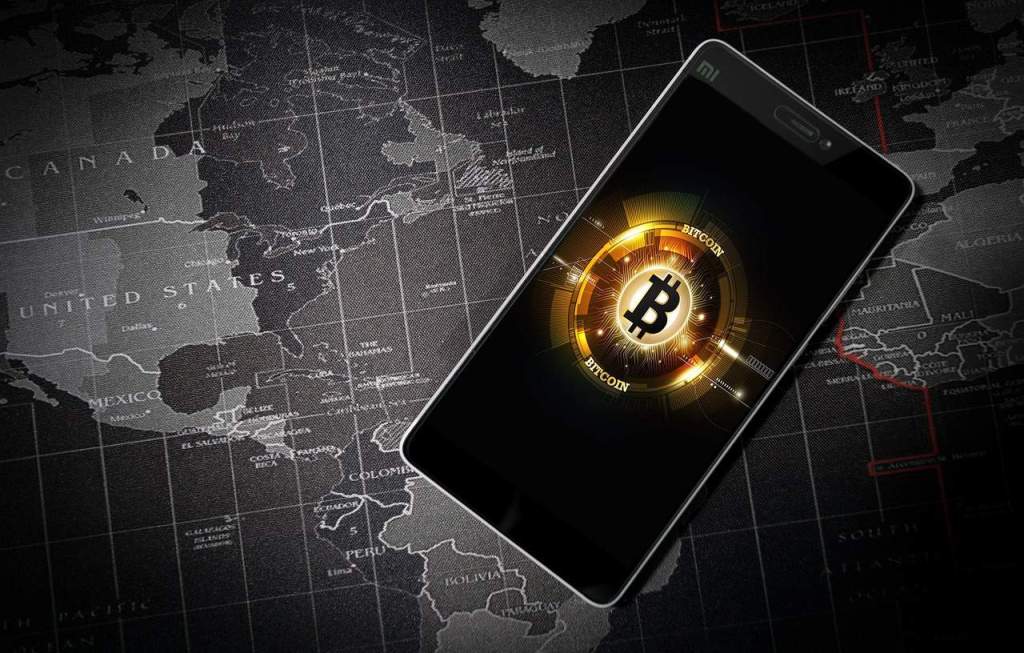
Bolivia will coordinate with El Salvador for a crypto framework. Image: The Tico Times.

Political Stakes Loom Large

General elections are set for August 17, with a runoff on October 19 if no one clears 50% or at least 40% plus a 10-point lead.

Based on reports from Polymarket, there’s only a 5% chance of a first-round win. That makes the vote a key moment for crypto policy.

Candidates could either double down on digital finance or slam the brakes if things go wrong. Any change in leadership could reshape the deal’s future.

Bolivia and El Salvador plan to meet regularly to review progress on regulation, tech tools, and financial inclusion. They’ll also look at ways to help families and small businesses get bank-like services through crypto, reports disclose.

Featured image from Adobe Stock, chart from TradingView

Editorial Process for bitcoinist is centered on delivering thoroughly researched, accurate, and unbiased content. We uphold strict sourcing standards, and each page undergoes diligent review by our team of top technology experts and seasoned editors. This process ensures the integrity, relevance, and value of our content for our readers.

Christian, a journalist and editor with leadership roles in Philippine and Canadian media, is fueled by his love for writing and cryptocurrency. Off-screen, he's a cook and cinephile who's constantly intrigued by the size of the universe.

Related Reads

Stablecoins Are the 'Royalists' of the Crypto World: Open USD Brings the Old Monetary System into the Fray

Title: Stablecoins Are the "Royalists" of the Crypto World: Open USD Brings the Old Monetary System into the Fray The article analyzes the launch of Open USD, a new dollar-pegged stablecoin backed by a coalition of over 140 traditional financial, payment, and tech giants like Visa, BlackRock, and Google. Author Hu Yilin argues that stablecoins like Open USD represent not a "moderate" wing of the crypto revolution, but a "royalist reform" within the old monetary system. He posits that while stablecoins adopt blockchain's efficiency, programmability, and borderless nature, they fundamentally reinforce the US dollar's centrality and the Federal Reserve's authority. They aim to replace inefficient "bureaucrats" (like traditional payment networks) rather than challenge the "monarch" (the dollar-based system). Thus, Open USD symbolizes the old system co-opting blockchain technology to upgrade dollar hegemony, potentially marginalizing native crypto projects like Circle's USDC. Hu contrasts this with more revolutionary paths, like a "Bitcoin standard," which seeks to change the monetary base itself. He warns that if the crypto ecosystem's unit of account, collateral, and value anchor remain dollar-denominated stablecoins,链上繁荣 may enrich the traditional financial system ("off-chain") rather than granting monetary premium to native crypto assets like ETH. Projects with civilizational ambitions, he argues, cannot reduce their narrative to mere "fuel" or transaction fees but must grapple with the core revolutionary idea: that a decentralized market does not require a central bank as the anchor of monetary order.

marsbit30m ago

Stablecoins Are the 'Royalists' of the Crypto World: Open USD Brings the Old Monetary System into the Fray

marsbit30m ago

Standard Chartered Takes Over USDC Onboarding; Circle Cedes Control for Scale

Standard Chartered and Circle have announced a partnership where institutional clients can now mint and redeem USDC directly through Standard Chartered's existing banking infrastructure, eliminating the need for separate accounts with Circle. Initially launching in the Dubai International Financial Centre (DIFC), this service represents the first time a Global Systemically Important Bank (G-SIB) is offering such direct, integrated access. This move effectively "translates" USDC into a standard banking option, opening the door for major institutional capital like pension funds and sovereign wealth funds that require the trust, compliance, and risk frameworks of a major bank. For Circle, this is a strategic trade: ceding some direct client relationships to leverage Standard Chartered's vast distribution network, thereby potentially massively scaling USDC's circulation and its core interest revenue model. For Standard Chartered, it's a chance to offer a new digital asset service without building the underlying stablecoin infrastructure. The partnership signals a significant shift in the stablecoin narrative. Rather than bypassing traditional finance, stablecoins are becoming integrated into it, with major banks like Standard Chartered positioning themselves at the crucial entry point. The focus is moving from legitimizing stablecoins to determining how value and pricing power will be distributed among issuers, banking channels, and regulatory frameworks in this new, converging landscape.

marsbit3h ago

Standard Chartered Takes Over USDC Onboarding; Circle Cedes Control for Scale

marsbit3h ago

Trading

Spot
活动图片