为什么 Ai16Z 24 小时内飙升 15%?

ambcryptoPublished on 2025-06-03Last updated on 2025-06-03

Abstract

随着对 memecoin 的需求全面恢复,Ai16Z 飙升 15.49%。

  • 日线图上,Ai16Z 飙升 12.57%
  • Ai16Z 的需求一直很大,但现货参与者尚未转为看涨
  • 过去 24 小时内,Ai16z的价格走势图呈现强劲上涨势头。该货币对从 0.2100 美元的低点上涨至 0.2587 美元的高点,涨幅达 15.49%,随后略有回落。

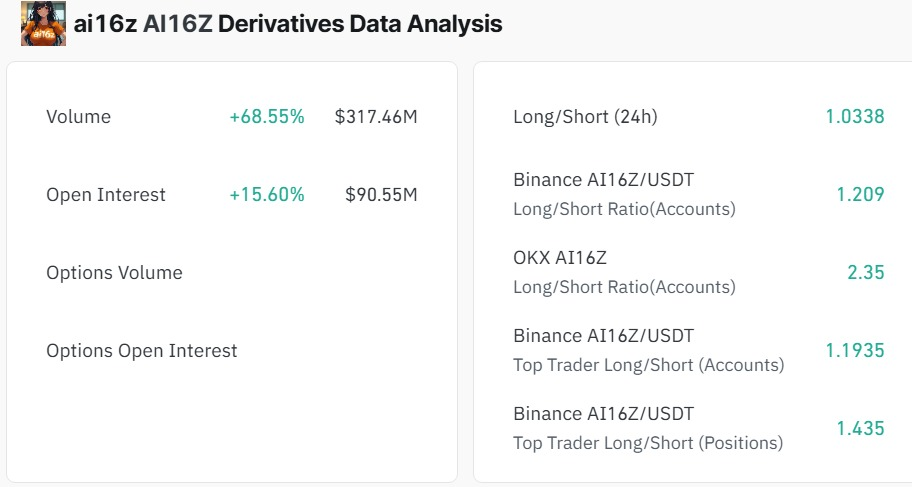
同期,memecoin 的衍生品市场也呈现看涨势头。事实上,其总交易量飙升了 67.36%,达到 3.1129 亿美元。交易量的激增通常表明市场对 memecoin 的需求和兴趣有所增加。
值得注意的是,在期货和现货市场都可以观察到这种需求。

首先,在期货市场,投资者表现非常活跃,该山寨币的未平仓合约飙升15.7%,达到9057万美元。这一指标的上升意味着大量投资者正在进入市场,建立战略仓位。在这些新投资者入场的同时,现有投资者也继续持有仓位。
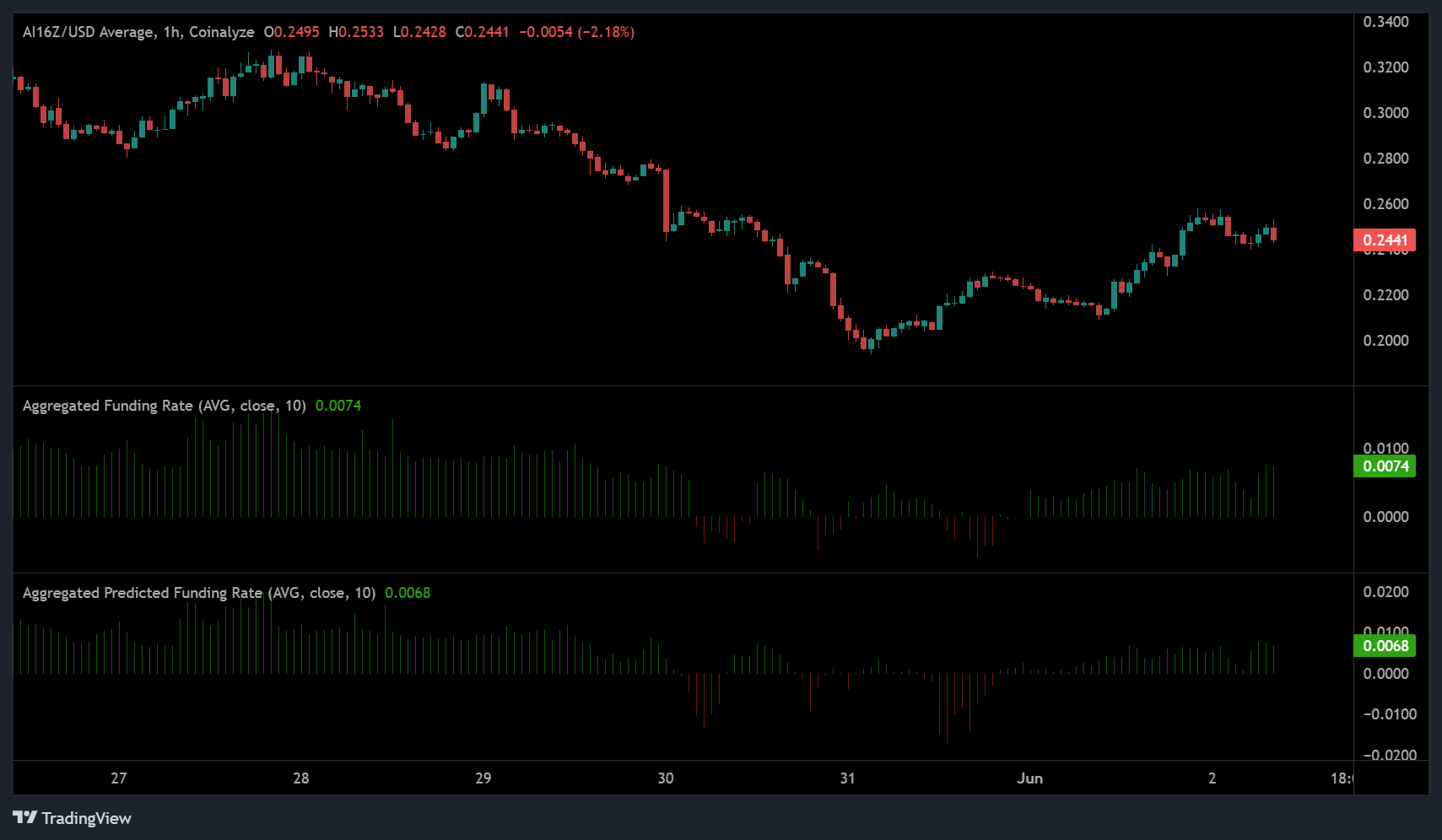

在这些投资者中,大多数现在都持有多头头寸。

Ai16z 的融资利率在正值区域保持强劲,这可以证明这一点。正值融资利率意味着投资者大多看涨,并预期价格将较发稿时的水平进一步上涨。
除了期货合约之外,交易所活动也表明对 memecoin 的需求很高。

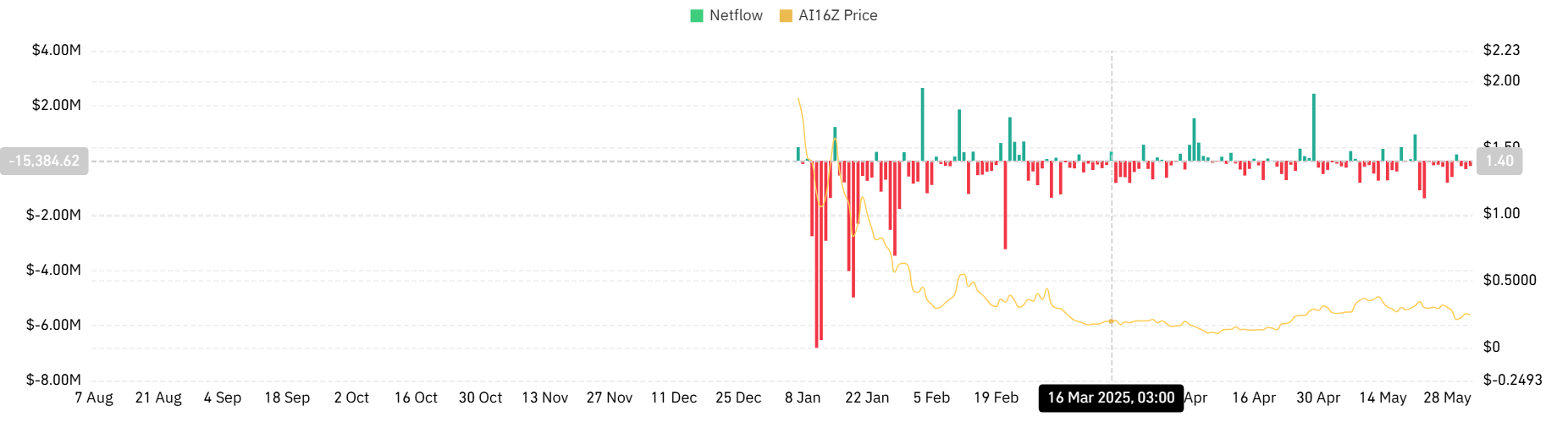
想想看——Ai16z 的交易所净流入已连续三天为负。这意味着虽然 Ai16z 飙升,但主要还是受交易所需求推动。简而言之,交易所记录的提现量一直高于存款量——这是高累积率的标志。

Ai16Z 下一步做什么?

根据AMBCrypto的分析,Ai16Z在近期下跌后,市场情绪正在发生转变。因此,在跌至0.19美元的低点后,该meme币成功守住了0.2美元的支撑位并出现反弹。这暗示着随着需求全面复苏,上涨势头正在增强。

近期 memecoin 的 Stoch 指标出现看涨交叉,可以验证其上涨势头。过去 24 小时内,Ai16Z 的 Stoch 指标飙升,并形成交叉,预示着强劲的上涨势头。

如果这些条件成立,我们将看到 Ai16Z 上涨至 0.287 美元。要维持这一前景,memecoin 需要每日收盘价高于 0.257 美元。
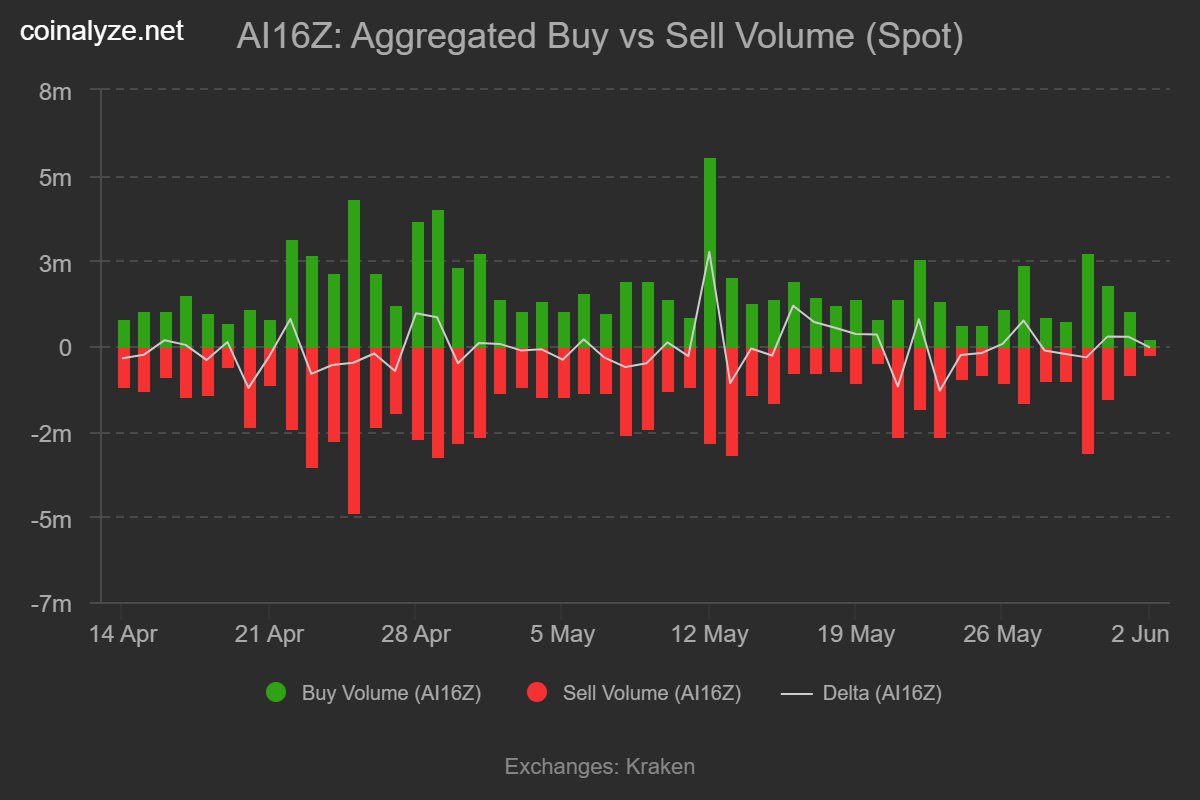
然而, Ai16Z多头唯一需要克服的困难是现货市场的卖家。

过去24小时内,Ai16Z的负增量为2.99万,卖方抛售了25.09万股。这种抛售压力导致了日线图上上述的回调。如果目前的市场活动没有转向买入,我们可能会看到Ai16Z全面回调,跌至0.22美元。


Related Reads

Government Intervention in the Bond Market: What Does It Mean?

On August 19, 2026, the U.S. Treasury unexpectedly announced it would at least double the size of its long-term Treasury buyback operations, starting September 9. The move triggered an immediate market reaction, with the 30-year yield falling 9 basis points. This intervention came against a backdrop of the 30-year yield hitting a 19-year high of 5.34% the previous day, driven by persistent inflation, high oil prices, deteriorating U.S. fiscal health with public debt surpassing $40 trillion, and a global "buyers' strike" for long-dated bonds. Treasury buybacks involve the government repurchasing older, less liquid bonds from the market via reverse auctions to improve market functioning, not to reduce overall debt. While the action provided tactical relief and signaled the Treasury's willingness to intervene, analysts caution it does not address core structural issues: massive fiscal deficits, high borrowing needs, and fading demand from traditional buyers like foreign central banks. For investors, the announcement offered short-term support for long-duration bond ETFs and boosted assets like gold, which rose 2.7%. However, it's unlikely to significantly lower mortgage rates or alter the challenging environment for long-term bonds. The key takeaway is the distinction between a tactical market operation and the unresolved structural pressures that continue to push yields higher, requiring close monitoring of upcoming economic data, Treasury auctions, and potential signals of more aggressive policy measures.

marsbit6m ago

Government Intervention in the Bond Market: What Does It Mean?

marsbit6m ago

After 'Bessent Put', How Far Is the U.S. from Restarting QE?

Following an unscheduled announcement from the U.S. Treasury Department on August 19th, investor discussions have intensified regarding the potential for future policy interventions in long-term bond markets. The Treasury increased the maximum size of its regular buyback operations for 10-to-30 year bonds from $2 billion to $4 billion, citing a desire to improve liquidity. This move came shortly after a surge in long-term yields, with the 30-year Treasury yield briefly touching 5.34%. Market analysts, rather than focusing on the modest operational size, have interpreted the timing—outside the normal quarterly communication window—as a significant signal. The move has been dubbed the "Bessent Put," implying the market's growing expectation that Treasury officials, led by Deputy Secretary Josh Bessent, may act to prevent a disorderly rise in long-term borrowing costs. This perception represents a potential shift in the market's view of the government's "policy reaction function." The underlying pressures on long-term bonds are multifaceted, including large fiscal deficits, increased Treasury supply, a rise in corporate debt issuance for AI infrastructure (creating a "crowding out" effect), and uncertainty around foreign holdings, particularly from Japan. Geopolitical risks in the Middle East further complicate the policy landscape, potentially creating conflicting pressures between fighting inflation and managing financing costs. However, the article clarifies that this Treasury buyback program is distinct from Quantitative Easing (QE). It is a debt management operation, not a Federal Reserve balance sheet expansion. While the announcement opens the door for market speculation about more forceful tools like Yield Curve Control (YCC) or a return to QE, analysts note that conditions would need to deteriorate significantly for such measures to be implemented. For now, the "Bessent Put" reflects a change in market expectations about possible policy boundaries, not an imminent launch of new monetary stimulus.

marsbit6m ago

After 'Bessent Put', How Far Is the U.S. from Restarting QE?

marsbit6m ago

Is Stablecoin Really Necessary for Cross-border Payments?

"Is Stablecoin Truly Necessary for Cross-Border Payments? While stablecoins are often praised as superior for cross-border transfers—especially if the recipient desires crypto—their advantage is less clear in traditional cross-currency scenarios (e.g., USD to Mexican Peso). The existing correspondent banking system is slow and costly (≈15% fees) due to multiple intermediaries. Modern fintech solutions like Wise have dramatically improved this by using a netting model: they hold local currency pools and settle payments domestically, avoiding actual cross-border fund movement. This offers near-instant transfers with low, transparent fees (averaging ~0.52%). The 'stablecoin sandwich' model (convert fiat to stablecoin, transfer on-chain, convert to local fiat) offers similar user experience but doesn't inherently provide major cost or speed advantages over fintech. Its on-chain transfer is cheap, but fiat conversion spreads remain. Stablecoin's real innovation is 'unbundling' the cross-border payment stack. Instead of requiring a proprietary global network like Wise, businesses only need reliable on- and off-ramps in specific corridors. This lowers market entry barriers, fosters competition among local providers, and can drive down costs, particularly for niche or underserved corridors (e.g., US to Africa). While vertical integration may reoccur, the open, permissionless nature of the underlying blockchain layer makes monopolistic pricing difficult. The long-term benefit is the potential redistribution of value—previously captured as intermediary rents—to consumers through lower costs."

marsbit10m ago

Is Stablecoin Really Necessary for Cross-border Payments?

marsbit10m ago

Ethereum Finally 'Bounces Back'! ETH Returns to the Golden Line, What's Different About This Rally?

Ethereum has surged above $2,300, a level not seen in over three months, marking a significant recovery and technical breakthrough by reclaiming key resistance levels, including the weekly EMA50 for the first time in the current bear market. The rally has been fueled by a combination of factors: improved market risk appetite, positive regulatory sentiment, and a major short squeeze where over 88% of recent ETH liquidations were short positions. The ETH/BTC ratio has also broken its long-term downtrend, indicating renewed strength for Ethereum relative to Bitcoin. Fundamentally, Ethereum spot ETFs have shown strong inflows, outperforming their Bitcoin counterparts in recent months. Wall Street institutions like Morgan Stanley and JPMorgan have notably increased their ETH exposure, while several banks have added or expanded positions in ETH ETFs. On-chain fundamentals remain robust, with the proportion of staked ETH reaching a new all-time high of nearly 33.7%. Data indicates long-term holding sentiment, as small wallet holdings increased while large outflows were often directed towards staking or contracts, not selling. However, potential headwinds include declining staking yields and community debate over proposals to adjust staking rewards at high participation levels. The upcoming Glamsterdam upgrade, featuring improvements to validator exit efficiency, could enhance liquidity and further attract institutional stakers. While the rebound is supported by sentiment, capital flows, and fundamentals, its sustainability hinges on continued positive developments.

marsbit10m ago

Ethereum Finally 'Bounces Back'! ETH Returns to the Golden Line, What's Different About This Rally?

marsbit10m ago

Trading

Spot
活动图片