USDT的跨链版,USDT0靠谱吗?

marsbitPublished on 2025-04-14Last updated on 2025-04-15

Uni 不是要 4.15 重启流动性挖矿了么,这次涉及到 12 个池子,其中好多都是 $USDT0 相关的池子。所以借这个机会,我来聊一下 USDT0。

首先,USDT0 是什么?
跨链

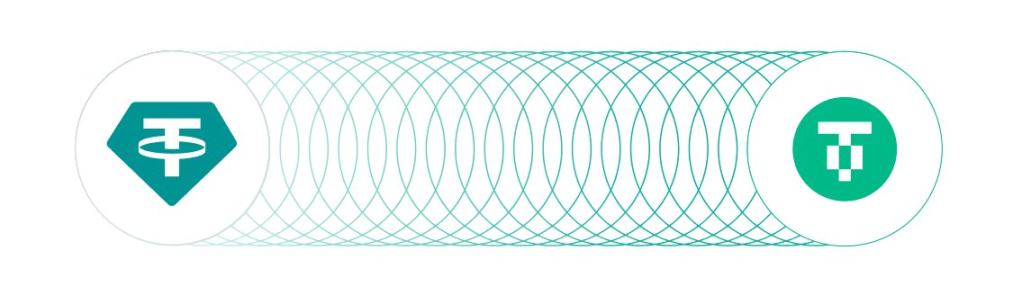
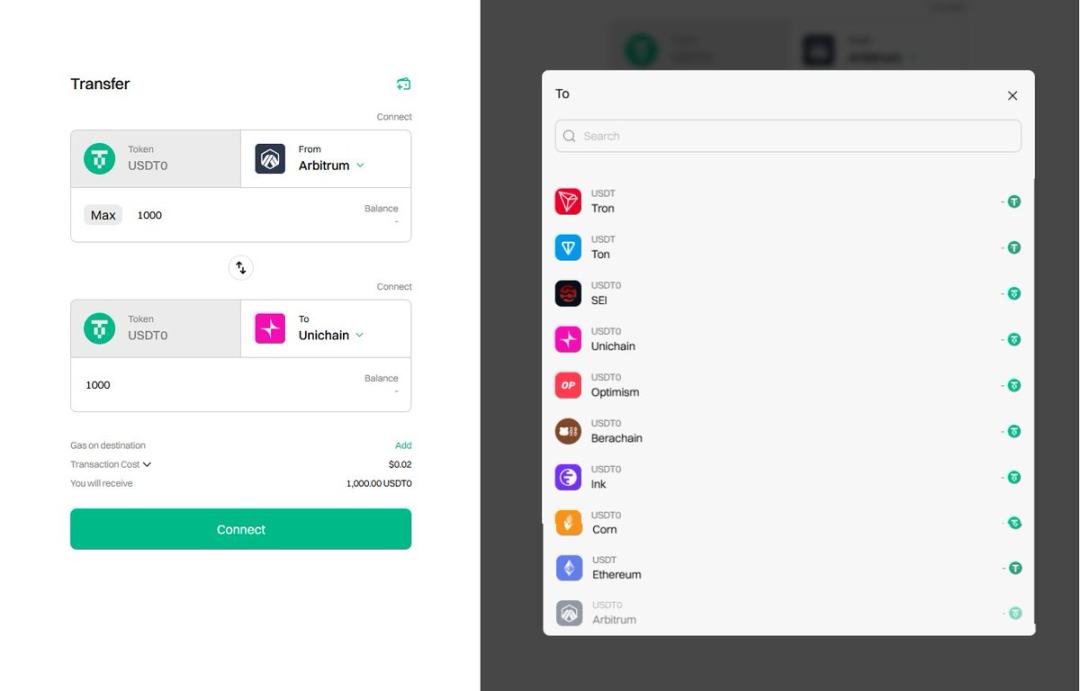
说白了,就是 USDT 的跨链版,母资产 USDT 存在 ETH 上,通过 Layer0 跨链到其他链上就变成了 USDT0。

支持 USDT0 的还可以相互跨,例如 ETH-Arb-Unichain- 熊链 -megaETH 等等。
跨链

USDT0 背后团队是谁?

这个是最 Tricky ,我也是梳理好久才搞明白。

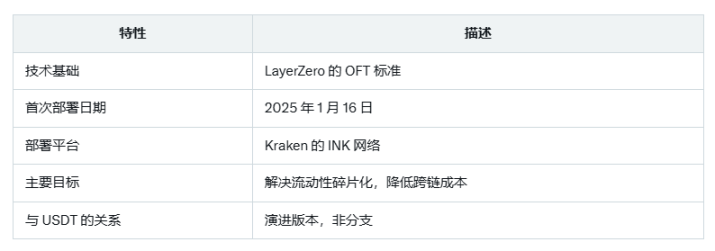
USDT0 这个项目,背后是 1+3 家的合力:

1. 是 Everdawn Labs 主导;

2.1 使用的底层技术是 Layer0;

2.2 得到了 Tether 的背书;

2.3 得到了 INK 公链 (这是 Kraken 发的链)的背书。
跨链

可是,Everdawn Labs 究竟是何许人也,网络上毫无头绪。

我合理怀疑,它就是 Tether 的马甲。

这个挺符合它们的调性的:

如果没出事——那大家正常享受 USDT 的多链便利;

如果出事了——那是 Everdawn Labs 的锅,和 Tether 无关。

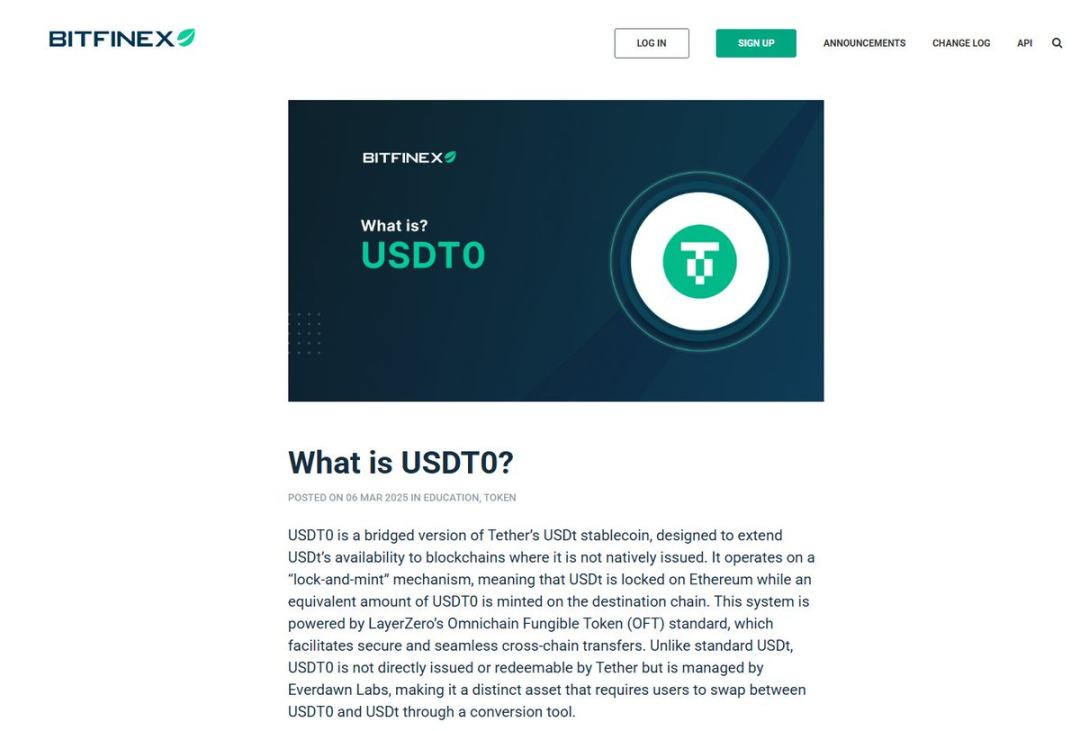
这个猜测的原因之一,就是因为 USDT0 今年出来以后,Tether 官方立刻表示支持,随后 Bitfinex 也专门发文解读。如果没有强力关系,它们( BF 和 Tether )是不会给这种支持的。
跨链

怎么评价?

我认为 Tether 如果亲自做这个桥,我认为肯定是大功一件,这样可以让各链 USDT 无损互跨,省着走各种沙雕三方跨链桥了。

但是,我对 Layer0 信任程度是有限的。

过去那些顶级跨链桥翻车的案例比比皆是,从 multichain 到 thorchain,跨链这个技术根本没门槛,无非就是多签而已。

过去 USDT 都是走的官方桥,并不走 L0 这种三方桥。

官方桥一般来说更安全,但是缺点是流动性分散。

比如你想要大资金从 Arb 跨 OP,无损跨,那就必须 Arb 回 ETH 再去 OP,走三方快一点就要花钱。

PS:更别说还有 Sei 这种坑爹公链,官方桥进出都要收费的了。

而走 USDT0 方案的话,Arb 可以直接到 OP,无损、秒到。

PS:当然 OP 这里还有个历史遗留问题,就是 OP 上 USDT 都是 ETH 跨链版老版,和 USDT0 这个 ETH 跨链版青春版还没统一,所以 Arb 跨 OP 名义可行,实际过去没卵用,这里只是举个例子。

而新公链,因为一上来就支持 USDT0,没历史遗留问题,所以可用性高很多。

但是!

Tether 官方自己又舍不得亲自下场做这个桥,非要遮遮掩掩派个 Everdawn Labs 出来,这就有点...

过去我挖 ETH 上的 $UNI 只需要承担 Tether 和 Uniswap 两个小小的第三方风险,现在我还要额外再承担 4 个,即:

  • Everdawn 别出篓子
  • L0 别出篓子
  • Unichain 别出篓子
  • USDT0 支持其他 N 个公链每一家都别出篓子

听起来头有点大。

Related Reads

How Far Are We from the End of the Crypto Bear Market?

How Much Longer Until the Crypto Bear Market Ends? A persistent negative Coinbase Bitcoin Premium Index, reaching a record 46 consecutive days of negative values, underscores the ongoing crypto bear market. The downturn accelerated in late May/early June when MicroStrategy (referred to as "Strategy" in the text), a major BTC holder, sold a small amount of Bitcoin (32 BTC), shattering market confidence and triggering sharp declines in BTC, ETH, and SOL. This was compounded by sustained net outflows from US spot Bitcoin ETFs. June saw Bitcoin briefly fall below $60,000, its worst weekly performance since 2022, breaking below the critical 200-week moving average—a signal some analysts consider confirmation of a bear market. While some institutional analyses in mid-June suggested the bottom might be near (e.g., around $53,600 based on realized price, or a potential end during the 2026 World Cup summer), further price drops quickly disproved these optimistic forecasts. Key bear market indicators include: the severe de-pegging of MicroStrategy's preferred shares (STRC) from their $100 NAV, which later recovered partly due to company stabilization plans; a record number of BTC (over 10.83 million) and a significant portion of long-term ETH holders now in unrealized loss; and Bitcoin's price trading below its 200-week moving average. Predictions for the bear market's end vary. Some, like investor Yilihua, suggest July-August 2026 could present a final buying opportunity. Others, like miner Jiang Zhu'o'er, predict a bottom between $42,000-$44,000 in October-December 2026, based on the historical lag between MicroStrategy's mNAV ratio bottom and Bitcoin's price bottom. Technical indicators like the BTC 4-year average price index dipped briefly below 1, and the Coinbase Premium Index remains negative, suggesting a need for a price rebound to around $77,000 for a return to positive territory. In the absence of major external catalysts, the consensus leans toward the bear market persisting for another 2-3 months, with late September to early October 2026 being a potential turning point window.

Odaily星球日报16m ago

How Far Are We from the End of the Crypto Bear Market?

Odaily星球日报16m ago

Solana Ecosystem Shows Signs of Recovery: On-Chain Governance Upgrade, Tokenized Stocks and Meme Coins Heat Up

Solana Ecosystem Shows Signs of Revival: Governance Upgrades, Tokenized Stocks, and Memecoins Heat Up While the broader crypto market faces a downturn, Solana has shown relative strength with its price rising nearly 15% recently. This resilience is attributed to warming ecosystem activity, particularly in tokenized stocks and memecoins, coupled with a major upgrade to its on-chain governance. In the Real World Assets (RWA) sector, Solana now leads all public chains in both the number of unique holder wallets and the quantity of RWA assets. Its tokenized stock weekly trading volume has surged to a record $1.42 billion, capturing about 96% of the market share, largely driven by the Backpack exchange. Simultaneously, the Solana memecoin sector has reignited, fueled by the rapid ascent of the ANSEM token following endorsements from a prominent crypto influencer. This has boosted activity across platforms like Pump.fun and increased fee revenue for several Solana-based exchanges. A key development is the launch of Solana Governance Proposals (SGP), a new on-chain mechanism. It allows validators with at least 100,000 SOL delegated to submit proposals for community vote, enhancing decentralized decision-making. SGP will operate alongside the existing technical proposal process (SIMD), focusing on broader ecosystem governance. Despite these positive signals in specific areas, overall on-chain activity and transaction volumes still lag behind previous bull market peaks, indicating the recovery remains partial rather than ecosystem-wide.

marsbit40m ago

Solana Ecosystem Shows Signs of Recovery: On-Chain Governance Upgrade, Tokenized Stocks and Meme Coins Heat Up

marsbit40m ago

While Semiconductor Stocks Plunge, Anthropic Plans to Develop a 2nm Chip

Anthropic, the AI company behind Claude, is exploring the development of its own custom AI chip, according to a report from The Information. The company is in early discussions with Samsung Electronics to manufacture the chip using Samsung's most advanced 2-nanometer process and packaging technology. While the project is still in preliminary stages, including defining chip specifications, and could be abandoned, it marks a strategic step for Anthropic. The move comes as the company seeks greater control over its computing costs and hardware optimization, particularly for inference tasks to run its models more efficiently and cheaply. Samsung's potential involvement follows its participation as a strategic investor in Anthropic's recent $65 billion funding round. For Samsung, partnering with a major AI lab represents a significant opportunity for its foundry business to compete with market leader TSMC in advanced semiconductor manufacturing. Anthropic's CEO, Dario Amodei, has previously highlighted the immense financial challenge of securing enough computing power for anticipated growth, making cost-effective inference a critical focus. The company would join other tech giants like Google, Amazon, Microsoft, Meta, and OpenAI in pursuing custom AI silicon. However, analysts note this trend creates deeper interdependencies rather than independence, as US AI labs become more tightly woven into Asian semiconductor supply chains. Despite this move, Anthropic remains heavily reliant on a multi-cloud, multi-vendor strategy for its immediate computing needs. It has secured massive, long-term commitments for capacity from Amazon Web Services (Trainium chips), Google (TPUs), and even leased a large GPU cluster from xAI. For now, Nvidia continues to dominate the AI chip market, with its share reportedly growing to 74%.

链捕手42m ago

While Semiconductor Stocks Plunge, Anthropic Plans to Develop a 2nm Chip

链捕手42m ago

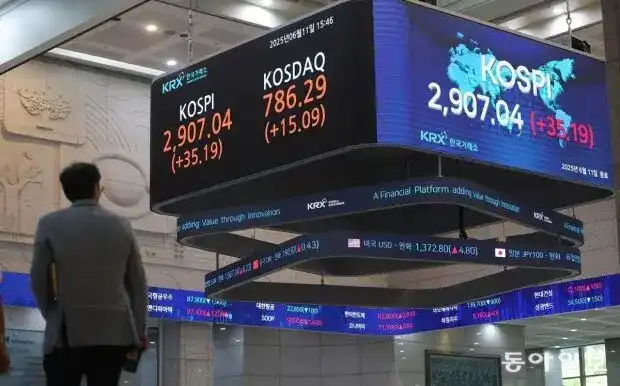
Korean Companies Following Strategy in Accumulating Cryptocurrency: From Bull Market to Delisting?

Title: Korean DAT Companies Following "Strategy" Bitcoin Hoarding Model Face Delisting Amid Bear Market Summary: Several Korean KOSDAQ-listed companies, known as Digital Asset Trusts (DATs), are at risk of being delisted due to a combination of stricter regulatory thresholds and a downturn in crypto markets. These firms, inspired by models like Strategy and Japan's Metaplanet, raised capital to buy Bitcoin, relying on a cycle of rising crypto prices to boost their stock value. However, recent reforms in Korea have raised the minimum market capitalization required to stay listed from 150 billion won to 200 billion won (approx. $1.3M), with a further increase to 300 billion won set for next January. The new rules also close loopholes like reverse stock splits used to artificially inflate share prices. The situation is exacerbated by a significant drop in Bitcoin's price from its 2025 peak and a weak KOSDAQ market. While the main KOSPI index has surged nearly 95% year-to-date, KOSDAQ has fallen about 10%, draining liquidity from smaller companies. Many DATs now hover near or below the new market cap thresholds and must also book substantial valuation losses on their Bitcoin holdings. Analysts suggest that without a sustained recovery in both crypto prices and broader market interest in KOSDAQ stocks, these companies have limited options to avoid delisting, marking a precarious moment for Korea's crypto-linked public companies.

marsbit51m ago

Korean Companies Following Strategy in Accumulating Cryptocurrency: From Bull Market to Delisting?

marsbit51m ago

Trading

Spot
活动图片