Trump Crypto Drama Heats Up: Lawmakers Call For Clearer Crypto Rules

bitcoinistPublished on 2025-04-11Last updated on 2025-04-11

Abstract

Crypto is in the spotlight, as members of the US House Financial Services Committee met this week to tackle regulation...

Trusted Editorial content, reviewed by leading industry experts and seasoned editors. Ad Disclosure

Crypto is in the spotlight, as members of the US House Financial Services Committee met this week to tackle regulation reform. At centerstage is none other than the US President himself, Donald Trump, and his various engagements and ventures in cryptocurrency and Defi. Lawmakers from both sides of the aisle are now calling for clearer rules.

According to FOX’s Eleanor Terrett, the committee’s session revealed strong bipartisan support for updated disclosure requirements around digital assets.

Republicans And Democrats Find Common Ground On Crypto Rules

Both political parties agreed that establishing a framework for digital assets would help not just the crypto industry but also other sectors that cryptocurrency technology affects.

Witnesses at the hearing pointed out that the Securities and Exchange Commission’s current application of the Howey Test to digital assets doesn’t work well for secondary market transactions.

“We need to stop relying on the courts to define our financial future,” said one senior lawmaker at the meeting. This push for legislative clarity comes after years of companies and investors operating in regulatory uncertainty.

Trump Family Crypto Ventures Raise Concern Among Lawmakers

The committee’s work faces a complication: US President Trump and his family’s direct involvement in cryptocurrency projects.

According to reports, Trump and First Lady Melania Trump are connected to the launch of meme coins and a DeFi project called World Liberty Financial, which recently released a dollar-backed stablecoin named USD1.

Total crypto market cap at $2.5 trillion on the daily chart: TradingView.com

These ventures have reportedly generated at least $800 million in fees for entities linked to the president. Some Republicans admitted during the hearing that the Trump family’s involvement with meme coins and stablecoins “makes the work more complicated.”

The situation creates an unusual dynamic where the president’s business interests could affect the very regulations his administration might help shape.

New SEC Chair May Signal Shift In Regulatory Approach

Paul Atkins recently won Senate confirmation as the next Chair of the Securities and Exchange Commission with a 52-44 vote. Many pro-crypto lawmakers see this leadership change as a turning point after what they describe as years of regulatory gridlock.

Others are wary, though, pointing out that long-term regulatory clarity rests more on whether Congress enacts legislation than with who is running the SEC. The committee seems intent on developing legislation that would more clearly articulate when digital assets would be regarded as commodities.

Photo illustration by Salon/Getty Images

Trump Promotes His Coins

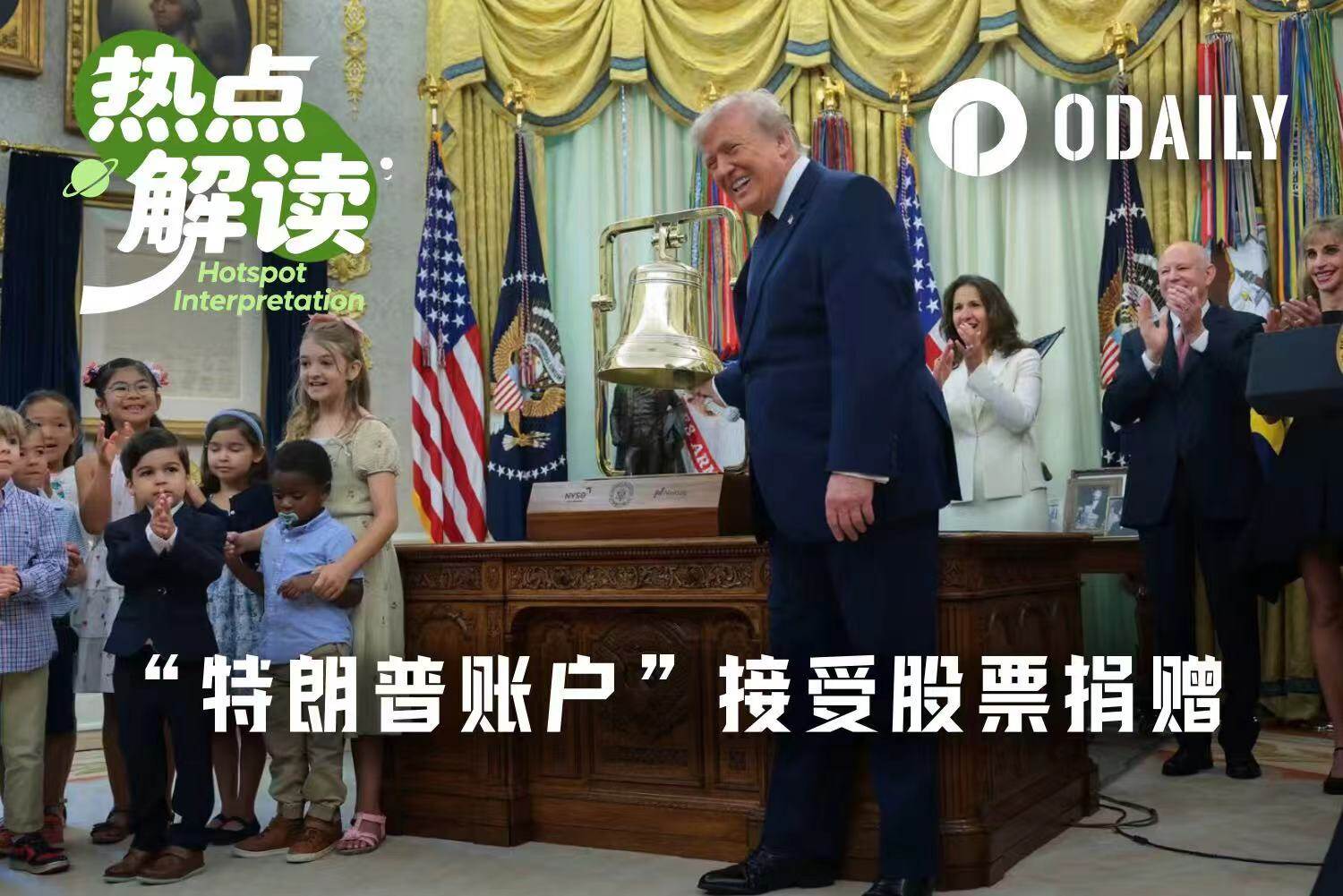
Meanwhile, Trump has been touting his cryptocurrency as a large batch of tokens approaches release. Next Monday, on April 17, about 40 million Trump digital coins—recently worth more than $300 million—will become available for sale for the first time since the token’s debut in January. Holders include a company connected to the Donald J. Trump Revocable Trust, his 2024 financial disclosure shows.

No Conflict Of Interest?

Other Trump coins (TRUMPUSD) will be introduced progressively under a three-year unlock schedule that entitles 800 million tokens in total.

According to Anna Kelly, deputy White House press secretary, Trump’s assets are in a trust managed by his children. and that there are “no conflicts of interest.”

Featured image from Jonathan Raa/NurPhoto via AP, chart from TradingView

Editorial Process for bitcoinist is centered on delivering thoroughly researched, accurate, and unbiased content. We uphold strict sourcing standards, and each page undergoes diligent review by our team of top technology experts and seasoned editors. This process ensures the integrity, relevance, and value of our content for our readers.

Christian, a journalist and editor with leadership roles in Philippine and Canadian media, is fueled by his love for writing and cryptocurrency. Off-screen, he's a cook and cinephile who's constantly intrigued by the size of the universe.

Related Reads

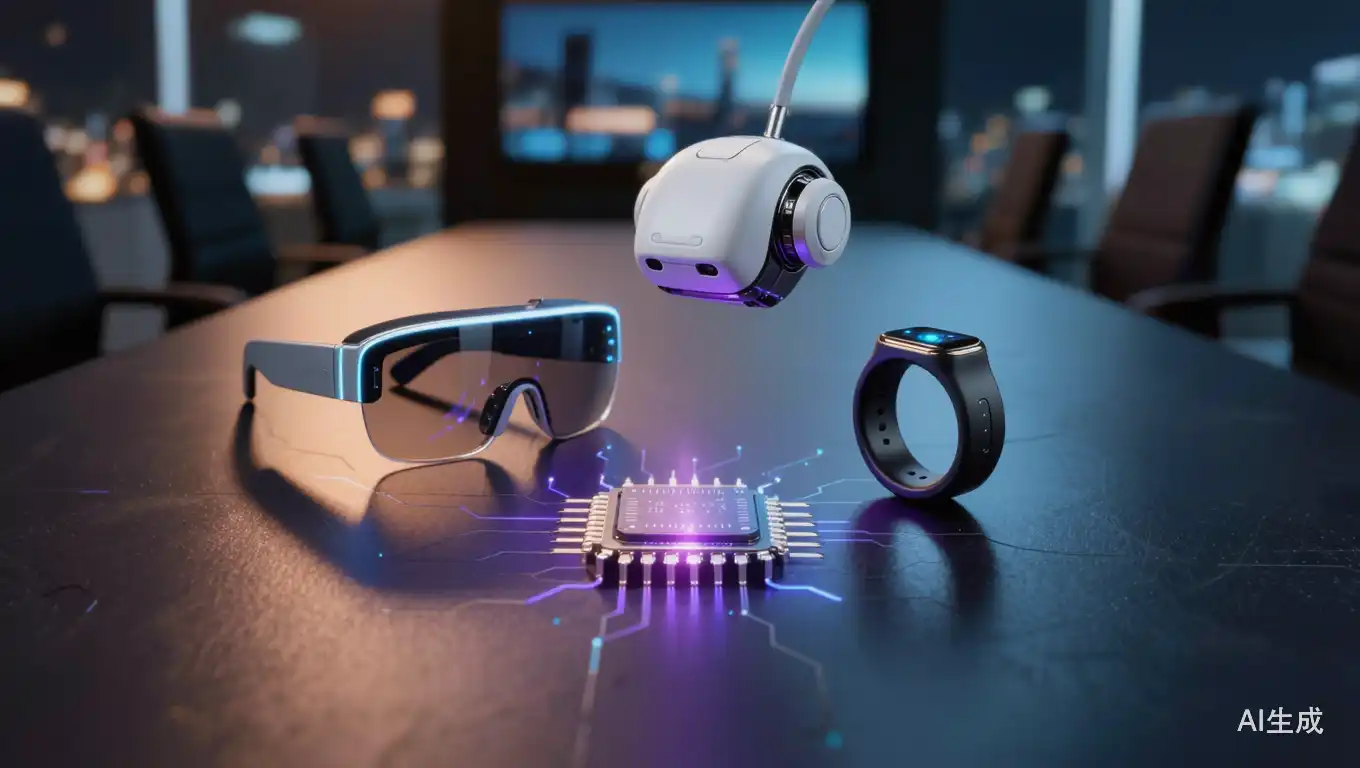
Dialogue with Yihui Capital, SoundAI Technology, Ling Universe, and Zhongbo Jili: Opportunities and Challenges in the AI Smart Hardware Track

On June 28, 2026, an event titled "New Opportunities in AI Hardware: The Battle for Interactive Entry Points Begins" was held in Beijing. It featured a report from ITJuzi and discussions with experts from SoundAI, Ling Universe, One Reed Capital, and Zhongbo Juli on the opportunities and challenges in China's AI hardware sector. Key report findings highlight the sector's intense activity: 327 out of 431 startups founded post-2023 have secured funding, with 179 investments in H1 2026 alone. The landscape is dominated by embodied intelligent robots, while wearable tech like smart rings and AI glasses shows rapid growth. Geographically, Shenzhen leads, leveraging its superior hardware supply chain, followed by Beijing and Shanghai. The overarching trend is for companies to focus on micro-innovations within specific scenarios rather than reinventing foundational technology. Industry leaders shared several critical insights: 1. **Balancing Innovation & Market Readiness**: Entrepreneurs face the "hammer looking for a nail" dilemma. Success requires balancing technical capability with user acceptance, cost control, and incremental design improvements rather than chasing disruptive innovation. 2. **Competitive Landscape**: The future interactive entry point may not be a single super-device but a mix of universal terminals and specialized, scenario-specific hardware. While large companies have ecosystem advantages, startups can win by deeply targeting vertical markets and specific user groups. 3. **Core Challenges & Business Models**: Key hurdles include deep understanding of AI models and navigating non-transparent hardware supply chains. Viable business models may involve selling hardware at cost and generating revenue through software subscriptions, but this requires tight control over both hardware BOM and model inference costs. 4. **The Road to Commercialization**: The ultimate test is market validation—achieving sales growth and sustainable cash flow. Companies must find the right application scenario, use edge computing effectively, and close the loop from technology to commercial success. 5. **The Future of Interaction**: Proactive, context-aware interaction is the next frontier, though it's currently limited by issues like model hallucinations and environmental perception. The near-term focus should be on identifying target users and creating a coherent experience in specific domains, such as health wearables. In summary, to succeed in the competitive AI hardware arena, companies must strategically choose their niche, build a team with the right geographical advantages (e.g., leveraging Shenzhen's supply chain), and most importantly, execute a flawless commercialization strategy that translates technology into market-accepted products and sustainable business growth.

marsbit28m ago

Dialogue with Yihui Capital, SoundAI Technology, Ling Universe, and Zhongbo Jili: Opportunities and Challenges in the AI Smart Hardware Track

marsbit28m ago

CryptoQuant Founder: The Cost to Double BTC Has Increased by 20,000 Times, Where Will the $100 Billion Buying Power Come From?

CryptoQuant founder Ki Young Ju analyzes Bitcoin's current capital challenge. He notes that the cryptocurrency market has grown too large for retail-driven momentum alone to generate massive price increases as in past cycles. His calculations show that in 2011, approximately $2.7 million in capital inflow could push BTC's price up by 550x, whereas the current cycle requires an estimated $101 billion in new capital just for a 100% price increase. This shift underscores that sustaining a bull run now depends on attracting large-scale, long-term institutional capital rather than short-term speculative trading. Recent outflows from US spot Bitcoin ETFs, totaling nearly $10 billion since May, highlight the fragility of current demand and challenge the narrative of deep institutional support. While surveys indicate continued institutional interest, these entities prioritize regulated products, risk management, and portfolio integration over speculative gains. For the next significant bull market, Bitcoin must transition to being a core macro asset. The key drivers are no longer just more buyers, but capital allocation from larger, slower-moving entities like wealth advisors, corporate treasuries, banks, and sovereign wealth funds. This new phase pits Bitcoin against other major asset classes like AI for a share of institutional capital, making its growth trajectory dependent on sustained, high-quality inflows from diversified financial balance sheets.

marsbit32m ago

CryptoQuant Founder: The Cost to Double BTC Has Increased by 20,000 Times, Where Will the $100 Billion Buying Power Come From?

marsbit32m ago

Trading

Spot
活动图片