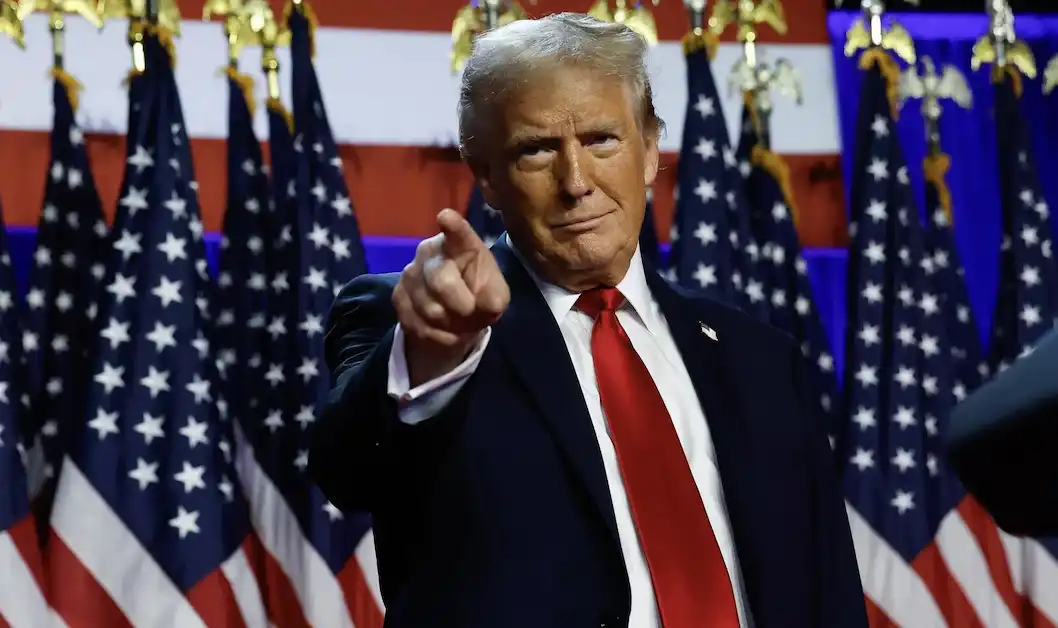
Роберту Кийосаки неважно мнение Уоррена Баффета по биткоину

cryptonews.ruPublished on 2024-03-03Last updated on 2025-01-03

Роберт Кийосаки, автор книги «Богатый папа, бедный папа» и успешный инвестор в сфере недвижимости и золота, сравнительно недавно стал сторонником биткоина (BTC). Теперь он утверждает, что этой криптовалютой просто необходимо владеть из-за его статуса надёжного средства сбережения.

Возможно, поэтому 1 января он раскритиковал двух авторитетных инвесторов Уоррена Баффета и Чарли Мангера за их негативную позицию по отношению к первой криптовалюте.

Он назвал Баффета и Мангера «очень старыми, очень богатыми людьми», и именно из-за этого его не волнует, «что они думают о биткоине».

Opera Снимок_2025-01-02_201934_x.com

Выдав порцию критики уже покойному Мангеру и ныне живущему Мангеру, Кийосаки вновь заявил о своём намерении разбогатеть, инвестируя в BTC, недвижимость, золото и серебро.

Пока перевес в точках зрения на стороне Кийосаки, поскольку биткоин действительно демонстрирует большой рост, преодолев в прошлом году отметку в $100,000. 2025 год биткоин начался с консолидации и скачком выше $97,000 2 января.

Большинство аналитиков выступают за продолжение восходящей траектории на рынке BTC и движение к новым ценовым максимумам более $200,000.
Related Reads

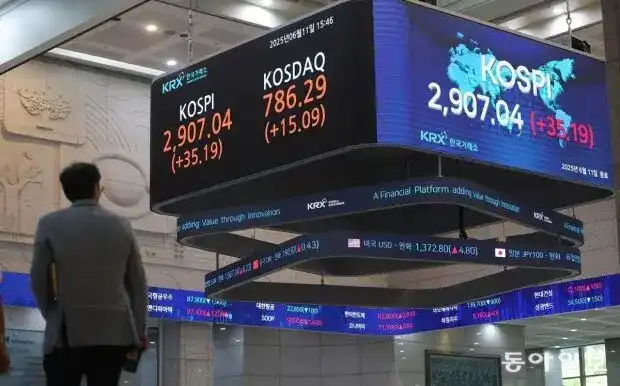
Korean Companies Following Strategy in Accumulating Cryptocurrency: From Bull Market to Delisting?

Title: Korean DAT Companies Following "Strategy" Bitcoin Hoarding Model Face Delisting Amid Bear Market Summary: Several Korean KOSDAQ-listed companies, known as Digital Asset Trusts (DATs), are at risk of being delisted due to a combination of stricter regulatory thresholds and a downturn in crypto markets. These firms, inspired by models like Strategy and Japan's Metaplanet, raised capital to buy Bitcoin, relying on a cycle of rising crypto prices to boost their stock value. However, recent reforms in Korea have raised the minimum market capitalization required to stay listed from 150 billion won to 200 billion won (approx. $1.3M), with a further increase to 300 billion won set for next January. The new rules also close loopholes like reverse stock splits used to artificially inflate share prices. The situation is exacerbated by a significant drop in Bitcoin's price from its 2025 peak and a weak KOSDAQ market. While the main KOSPI index has surged nearly 95% year-to-date, KOSDAQ has fallen about 10%, draining liquidity from smaller companies. Many DATs now hover near or below the new market cap thresholds and must also book substantial valuation losses on their Bitcoin holdings. Analysts suggest that without a sustained recovery in both crypto prices and broader market interest in KOSDAQ stocks, these companies have limited options to avoid delisting, marking a precarious moment for Korea's crypto-linked public companies.

marsbit6m ago

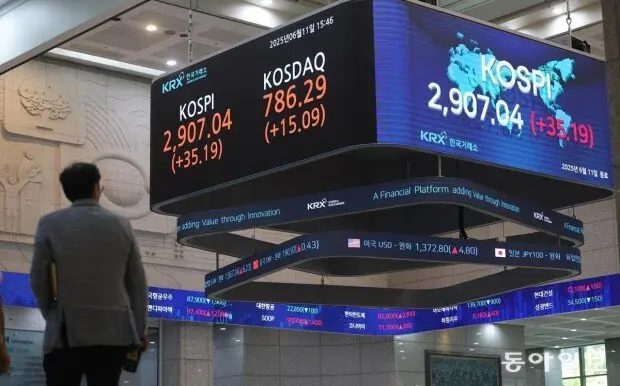
Korean Companies Following Strategy in Accumulating Cryptocurrency: From Bull Market to Delisting?

marsbit6m ago

Korean Companies That Learned to Hoard Coins from MicroStrategy: From Bull Market to Delisting?

South Korean companies that adopted the “Digital Asset Treasury” (DAT) strategy—issuing shares to buy and hold Bitcoin, inspired by MicroStrategy—now face delisting risks on the KOSDAQ market. New regulations effective July 1, 2026, tightened listing maintenance rules, notably raising the minimum market capitalization threshold from 150 billion KRW to 200 billion KRW (about $1.3 million), with a further increase to 300 billion KRW scheduled for January 2027. Companies failing to meet both the share price and market cap requirements for specified periods risk being designated for delisting, with fewer options for financial engineering like stock splits to artificially boost prices. The downturn in cryptocurrency prices has severely impacted these firms. Bitcoin, which peaked above $120,000 in mid-2025, has fallen below $60,000, forcing DAT companies to report large valuation losses. Compounding this, the KOSDAQ index has dropped about 10% year-to-date, while the main KOSPI index surged nearly 95%, diverting investor interest away from smaller-cap stocks. Examples like BitPlanet (holding 300 BTC) and Parataxis Ethereum currently hover just above the new market cap limits, but face heightened scrutiny and potential delisting starting in 2027. Industry analysts warn that the combination of weak crypto markets, a struggling KOSDAQ, and stricter regulations creates a significant survival challenge for these companies, highlighting the risks of business models overly reliant on volatile digital asset prices.

链捕手11m ago

Korean Companies That Learned to Hoard Coins from MicroStrategy: From Bull Market to Delisting?

链捕手11m ago

Countdown to the CLARITY Act: 25 Days Left—What Will Happen to the Crypto Market if It Fails to Pass Before the August Recess?

"The CLARITY Act, a key US crypto market structure bill, faces a tight deadline with only 25 working days left before the Senate's August 10 recess. The bill aims to clarify SEC/CFTC jurisdiction and establish a non-security path for decentralized tokens. Despite passing the House in 2025 and a Senate committee in May 2026, final negotiations have stalled over ethics and law enforcement provisions, jeopardizing the 60 Senate votes needed. If the bill fails to pass before the recess, its chances in 2026 drop significantly, with prediction markets giving only a 40% probability. Analyst Galaxy Digital has lowered its 2026 passage odds to 50%. Failure would likely lead to continued 'slow bleeding' in crypto markets, as seen in June's record $4.5 billion net outflow from US Bitcoin ETFs. XRP, which stands to gain permanent commodity status from the bill, could lose its 'regulatory premium.' Bitcoin and Ethereum, already classified as commodities via a joint agency interpretation, would face less direct impact but broader regulatory uncertainty would persist, delaying institutional capital and DeFi innovation. The path forward includes: 1) Passage before August (a major catalyst), 2) Delay to 2027 (extending market uncertainty), or 3) Failure, requiring the bill to be reintroduced in the next Congress. While delay is a setback, the bill's progress indicates the US is closer than ever to resolving crypto regulatory ambiguity."

marsbit45m ago

Countdown to the CLARITY Act: 25 Days Left—What Will Happen to the Crypto Market if It Fails to Pass Before the August Recess?

marsbit45m ago

Trading

Spot
活动图片