Хакеры украли $500 тыс. через фишинговые атаки на X

cryptonews.ruPublished on 2021-12-24Last updated on 2024-12-24

За последний месяц киберпреступники похитили около $500 тыс. в цифровых валютах, взломав более 15 аккаунтов в социальной сети X. Среди пострадавших — популярные учетные записи, включая Kick, Cursor, The Arena и другие. Мошенники использовали целевые фишинговые письма, маскируясь под команду X, чтобы украсть учетные данные пользователей и запустить мошеннические схемы с мем-токенами.

Каждая атака аккаунта (ATO) была связана между собой. Исследователь под ником ZachXBT обнаружил, что адреса разработчиков, использовавшихся для создания этих схем, были взаимосвязаны. Хакеры пытались скрыть следы своих операций, используя мосты между блокчейнами Solana и Ethereum для запутывания источников финансирования.

Схема фишинга была достаточно простой, но эффективной. Пользователям отправлялись письма с поддельными уведомлениями о нарушении авторских прав. В них создавалось ощущение срочности, чтобы вынудить жертву перейти по ссылке на поддельный сайт и сбросить двухфакторную аутентификацию или пароль.

Эксперты рекомендуют быть максимально осторожными и соблюдать кибербезопасность. Важно избегать повторного использования одного и того же электронного адреса для разных сервисов. Также стоит использовать аппаратные ключи для двухфакторной аутентификации на важных аккаунтах.

Атаки с использованием фишинга продолжают оставаться одной из самых распространенных угроз в интернете. Эксперты отмечают, что хакеры используют социальную инженерию, чтобы заставить жертву добровольно предоставить свои данные. В данном случае их целью стали не только рядовые пользователи, но и инвесторы. Этот инцидент подчеркивает необходимость повышения осведомленности о киберугрозах и постоянного обновления защитных мер. Пользователям рекомендуется не только усиливать защиту своих аккаунтов, но и внимательно проверять источники писем.
Ошибка в тексте? Выделите её мышкой и нажмите Ctrl + Enter

Related Reads

27-Year Reign Ends: SK Hynix Market Cap Surpasses Samsung for First Time, an AI-Driven Reshuffle of Korean Chip Power

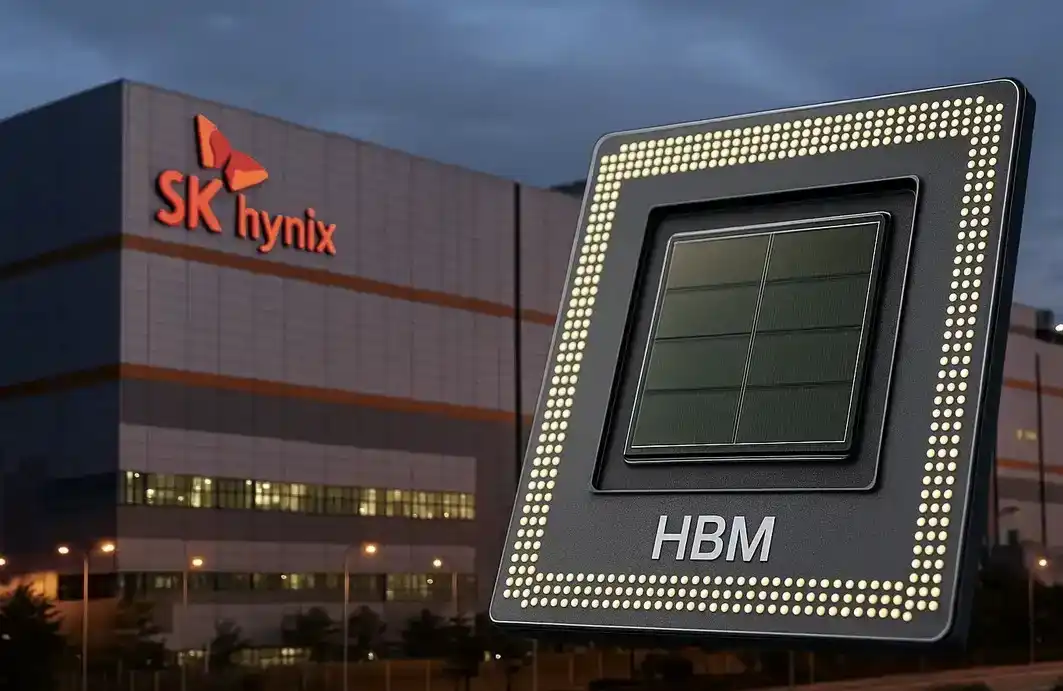
On June 22, 2026, SK Hynix made history by surpassing Samsung Electronics in market capitalization, ending Samsung's 27-year reign as South Korea's most valuable company. This dramatic reversal is powered by the AI boom and SK Hynix's dominant position in High Bandwidth Memory (HBM), a critical component for AI model training. Once a heavily indebted firm on the brink of bankruptcy, SK Hynix bet early on HBM, which has evolved from a niche product to essential AI infrastructure. It now commands a 59% share of the global HBM market. Its financial performance is staggering, with Q1 2026 net profit soaring nearly fourfold year-over-year to KRW 40.35 trillion, translating to over 2 billion RMB in daily net profit. HBM now drives roughly 40% of its revenue with exceptionally high margins. In contrast, Samsung, with its broad portfolio spanning memory chips, smartphones, and foundry services, has lagged in the HBM race while facing headwinds in other divisions. This shift signifies a deeper restructuring of South Korea's economy, moving from consumer electronics to AI-driven growth. However, the future remains competitive. With major capacity expansions planned industry-wide by 2028 and Samsung aiming to catch up in HBM technology, the new market leader cannot afford complacency. This event marks a pivotal moment in the global semiconductor industry's ongoing power realignment.

marsbit13m ago

27-Year Reign Ends: SK Hynix Market Cap Surpasses Samsung for First Time, an AI-Driven Reshuffle of Korean Chip Power

marsbit13m ago

Why Does 'AGI Godfather' Ben Goertzel Believe the Future of AI Relies on Blockchain?

Ben Goertzel, known as the "AGI Godfather," argues that the future of Artificial General Intelligence (AGI) must be built on blockchain to prevent its control by a few corporations or venture capital firms. He believes the core AGI code should be free and open-source, but that this alone is insufficient without a decentralized infrastructure to run it affordably. His blockchain project, SingularityNET, and the broader Artificial Superintelligence Alliance aim to create a user-owned, decentralized network for hosting and deploying AGI, contrasting with the closed models of companies like OpenAI and Anthropic. Goertzel criticizes the shift of other labs from open to closed development. He argues that while a closed path is simpler, an open, decentralized model—akin to Linux and the internet—is both possible and ultimately better for humanity. He envisions an "Agent economy" where individuals orchestrate teams of AI agents to perform tasks, including transactions, on an open network rather than corporate clouds. While his current model relies on cryptocurrency, plans include offering paid AI services to businesses with the decentralized blockchain as the backend. Goertzel predicts human-level AGI could arrive by 2029 and warns that a gap in understanding and access to AGI could drastically worsen inequality. The first test of his decentralized approach will be the upcoming release of the Agent Omega Claw.

Foresight News43m ago

Why Does 'AGI Godfather' Ben Goertzel Believe the Future of AI Relies on Blockchain?

Foresight News43m ago

Trading

Spot
Futures
活动图片