Глава Tether Паоло Ардоино рассказал о важности стейблкоинов

cryptonews.ruPublished on 2024-03-02Last updated on 2024-10-02

Генеральный директор Tether Паоло Ардоино дал интервью главе компании Bullish Тому Фарли, где рассказал о важности и влиянии стейблкоинов на глобальную финансовую систему. Он подчеркнул, что изначально USDT был простой криптовалютой, но сегодня он является крупнейшей по капитализации стабильной монетой с привязкой к американскому доллару.

По его словам, актив Tether давно вышел за пределы рынка криптовалют. Подчеркивалось, что в странах с высоким уровнем инфляции, например, Турции и Аргентине, USDT стал своего рода спасательным кругом и адекватной альтернативной нестабильным национальным валютам. Ранее граждане этих государств обращались к черному рынку, чтобы получить доллары для хеджирования от инфляции.

«USDT прекрасно продвигается за пределами США. У него очень высокий спрос в регионах, где экономика нестабильна, причем заинтересованность в стейблкоине продолжает стремительно расти», — подчеркнул Ардоино. Во многом это объясняет то, что USDT сейчас не просто самая крупная стабильная монета, но и криптовалюта, занимающая 3-ю строчку в рейтинге капитализации с показателем более $120 млрд.

В этом плане USDT уверенно опережает своего ближайшего конкурента в лице USDC, чья капитализация находится на уровне примерно $35,6 млрд.

Ардоино отметил, что стейблкоин Tether выпущен в сетях Ethereum и Tron. Он считает, что приоритетным является последний вариант. «Представьте себе условного жителя Гаити, получающего $2 в день. Как он может себе позволить потратить $5 за комиссию в сети Ethereum?», — подчеркнул Паоло Ардоино. Комиссии в блокчейне главного альткоина все еще остаются довольно ощутимыми. Соответственно, для граждан из регионов с высокой инфляцией и нестабильной экономикой потенциальные траты могут оказаться неподъемными.
Related Reads

Korean Companies Following Strategy in Accumulating Cryptocurrency: From Bull Market to Delisting?

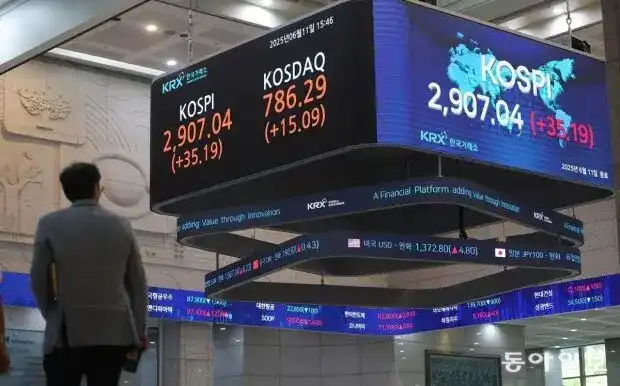
Title: Korean DAT Companies Following "Strategy" Bitcoin Hoarding Model Face Delisting Amid Bear Market Summary: Several Korean KOSDAQ-listed companies, known as Digital Asset Trusts (DATs), are at risk of being delisted due to a combination of stricter regulatory thresholds and a downturn in crypto markets. These firms, inspired by models like Strategy and Japan's Metaplanet, raised capital to buy Bitcoin, relying on a cycle of rising crypto prices to boost their stock value. However, recent reforms in Korea have raised the minimum market capitalization required to stay listed from 150 billion won to 200 billion won (approx. $1.3M), with a further increase to 300 billion won set for next January. The new rules also close loopholes like reverse stock splits used to artificially inflate share prices. The situation is exacerbated by a significant drop in Bitcoin's price from its 2025 peak and a weak KOSDAQ market. While the main KOSPI index has surged nearly 95% year-to-date, KOSDAQ has fallen about 10%, draining liquidity from smaller companies. Many DATs now hover near or below the new market cap thresholds and must also book substantial valuation losses on their Bitcoin holdings. Analysts suggest that without a sustained recovery in both crypto prices and broader market interest in KOSDAQ stocks, these companies have limited options to avoid delisting, marking a precarious moment for Korea's crypto-linked public companies.

marsbit7m ago

Korean Companies Following Strategy in Accumulating Cryptocurrency: From Bull Market to Delisting?

marsbit7m ago

Korean Companies That Learned to Hoard Coins from MicroStrategy: From Bull Market to Delisting?

South Korean companies that adopted the “Digital Asset Treasury” (DAT) strategy—issuing shares to buy and hold Bitcoin, inspired by MicroStrategy—now face delisting risks on the KOSDAQ market. New regulations effective July 1, 2026, tightened listing maintenance rules, notably raising the minimum market capitalization threshold from 150 billion KRW to 200 billion KRW (about $1.3 million), with a further increase to 300 billion KRW scheduled for January 2027. Companies failing to meet both the share price and market cap requirements for specified periods risk being designated for delisting, with fewer options for financial engineering like stock splits to artificially boost prices. The downturn in cryptocurrency prices has severely impacted these firms. Bitcoin, which peaked above $120,000 in mid-2025, has fallen below $60,000, forcing DAT companies to report large valuation losses. Compounding this, the KOSDAQ index has dropped about 10% year-to-date, while the main KOSPI index surged nearly 95%, diverting investor interest away from smaller-cap stocks. Examples like BitPlanet (holding 300 BTC) and Parataxis Ethereum currently hover just above the new market cap limits, but face heightened scrutiny and potential delisting starting in 2027. Industry analysts warn that the combination of weak crypto markets, a struggling KOSDAQ, and stricter regulations creates a significant survival challenge for these companies, highlighting the risks of business models overly reliant on volatile digital asset prices.

链捕手11m ago

Korean Companies That Learned to Hoard Coins from MicroStrategy: From Bull Market to Delisting?

链捕手11m ago

Countdown to the CLARITY Act: 25 Days Left—What Will Happen to the Crypto Market if It Fails to Pass Before the August Recess?

"The CLARITY Act, a key US crypto market structure bill, faces a tight deadline with only 25 working days left before the Senate's August 10 recess. The bill aims to clarify SEC/CFTC jurisdiction and establish a non-security path for decentralized tokens. Despite passing the House in 2025 and a Senate committee in May 2026, final negotiations have stalled over ethics and law enforcement provisions, jeopardizing the 60 Senate votes needed. If the bill fails to pass before the recess, its chances in 2026 drop significantly, with prediction markets giving only a 40% probability. Analyst Galaxy Digital has lowered its 2026 passage odds to 50%. Failure would likely lead to continued 'slow bleeding' in crypto markets, as seen in June's record $4.5 billion net outflow from US Bitcoin ETFs. XRP, which stands to gain permanent commodity status from the bill, could lose its 'regulatory premium.' Bitcoin and Ethereum, already classified as commodities via a joint agency interpretation, would face less direct impact but broader regulatory uncertainty would persist, delaying institutional capital and DeFi innovation. The path forward includes: 1) Passage before August (a major catalyst), 2) Delay to 2027 (extending market uncertainty), or 3) Failure, requiring the bill to be reintroduced in the next Congress. While delay is a setback, the bill's progress indicates the US is closer than ever to resolving crypto regulatory ambiguity."

marsbit45m ago

Countdown to the CLARITY Act: 25 Days Left—What Will Happen to the Crypto Market if It Fails to Pass Before the August Recess?

marsbit45m ago

Trading

Spot
活动图片