В Беларуси запретили свободно покупать и продавать криптовалюту

investing.ruPublished on 2024-09-17Last updated on 2024-09-17

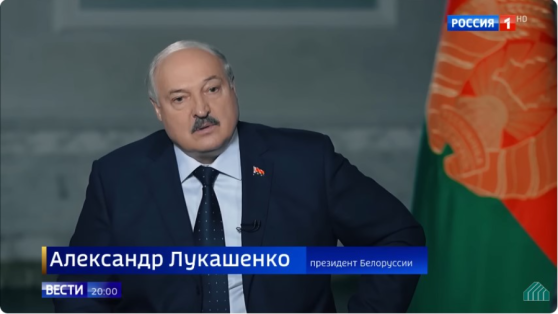
В аппарате главы государства подчеркнули, что запрет на операции с виртуальными активами вводится не только для физических лиц, но и для предпринимателей.

«Документ принят в целях повышения защищенности граждан при совершении сделок с цифровыми знаками (токенами), а также исключения возможности вовлечения криптовалюты в мошенническую и другую противоправную деятельность», — объяснили представители администрации Лукашенко.

Совету министров совместно с «заинтересованными органами» до 1 июня 2025 года поручено предложить наказание, «административную ответственность», за нарушение требований указа.

Белорусские власти рассчитывают, что запрет поспособствует «развитию прозрачного и контролируемого» национального крипторынка, а также «предотвратит вывод из страны» мошенниками средств, украденных «путем обмена на криптовалюту на иностранных криптообменниках».

Легальными в Беларуси считаются криптобиржи, зарегистрированные в минском Парке высоких технологий.

Ранее журналисты минского издания «Экономическая газета» заявили, что госкомпания «Центр банковских технологий», партнер Национального банка Республики Беларусь, начала разработку платформы цифрового белорусского рубля.

Читайте оригинальную статью на сайте Bits.media
Related Reads

TechFlow Intelligence Bureau: Anthropic Mythos Triggers Financial Regulatory Alarms, WLFI Unlocks 27 Billion Tokens with 0 Dividends

TechFlow Intelligence Report: Anthropic's Mythos AI model has triggered urgent meetings between the U.S. Treasury Secretary, Fed Chair, and major bank CEOs due to its ability to autonomously find software vulnerabilities and launch attacks, elevating AI safety to a systemic financial risk. In crypto, Bitcoin surpassed $70k amid significant ETF inflows, while the World Liberty Fi (WLFI) project unlocked 27 billion tokens with a controversial profit model directing 100% of protocol profits to the Trump family, offering stakers only 2% inflationary rewards. Other key developments include Microsoft facing criticism over Copilot's reliability, Google's AI search summaries being caught providing false information, and a major AI supply chain attack affecting projects like Apifox and LiteLLM. A solo Bitcoin miner with minimal computing power defied odds to mine a full block. Regulatory shifts are accelerating with Japan classifying crypto as financial instruments and the SEC frameworks taking shape. In macro, a whale shorted $74M in oil, betting against geopolitical tensions, while Moody's warned of a potential $680B AI investment bubble among tech giants. The overarching theme is the convergence of technology, finance, and geopolitics: AI breakthroughs are now systemic threats, geopolitical events are being priced on-chain in real-time, and supply chain vulnerabilities reveal the fragility of our interconnected digital ecosystem.

marsbit6m ago

TechFlow Intelligence Bureau: Anthropic Mythos Triggers Financial Regulatory Alarms, WLFI Unlocks 27 Billion Tokens with 0 Dividends

marsbit6m ago

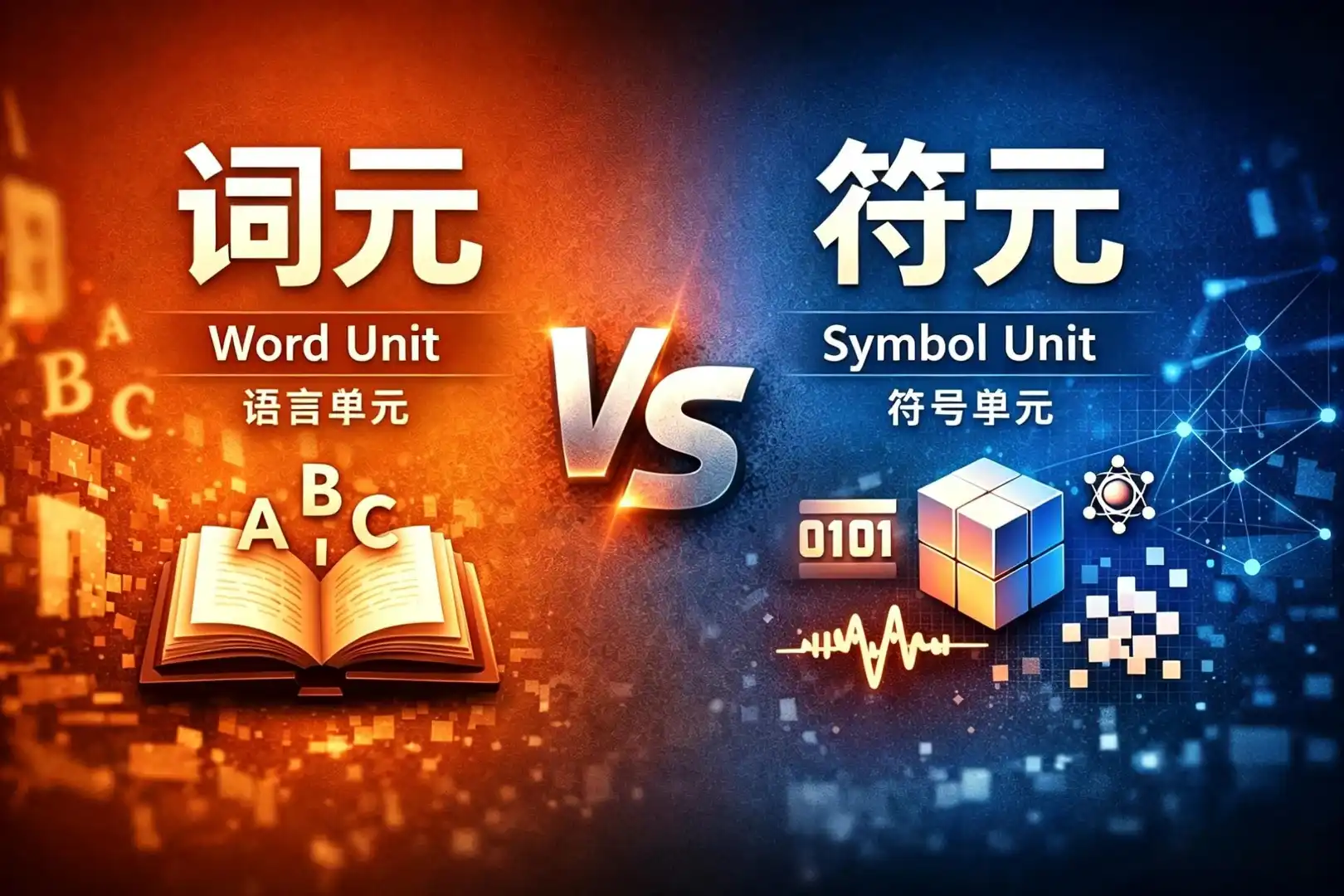
From 'Word Unit' to 'Symbol Unit': The Debate Over the Chinese Translation of 'Token' and Its Underlying AI Cognitive Implications

Recent discussions have emerged regarding the official Chinese translation of the AI term "Token," which has been recommended as “词元” (Cíyuán, meaning "word unit") by the National Committee for Terminology in Science and Technology. While this translation is argued to align with historical usage in natural language processing (NLP) and is considered concise and communicable, this article presents a critical counterview advocating for “符元” (Fúyuán, meaning "symbol unit") as a more structurally accurate and future-proof alternative. The author argues that defining Token based on its origin in NLP—as a linguistic semantic unit—overlooks its evolution into a general-purpose, discrete symbolic unit used across multimodal systems (text, image, audio, etc.). Using “词元” ties the concept too narrowly to language, causing cognitive misalignment and semantic drift when applied in non-linguistic contexts. By contrast, “符元” reflects Token’s fundamental role as a symbol in information theory and computation, independent of modality. The article further critiques the reliance on metaphorical extensions (e.g., comparing image patches to “words”) as insufficient for rigorous terminology. It highlights risks including confusion with existing linguistic terms like Lemma (also translated as “词元”), poor cross-lingual reversibility (e.g., difficult back-translation to English), and systemic misunderstanding among non-expert audiences. In conclusion, the author emphasizes that terminology should align with computational essence—not historical usage or explanatory convenience—to ensure conceptual clarity and scalability in AI’s multidisciplinary future. “符元” is proposed as a more neutral, stable, and structurally coherent translation for Token.

marsbit1h ago

From 'Word Unit' to 'Symbol Unit': The Debate Over the Chinese Translation of 'Token' and Its Underlying AI Cognitive Implications

marsbit1h ago

Aave Mired in a Crisis of Confidence: Service Providers Exit En Masse, Failures in Technology, Governance, and Risk Control

Aave, a leading DeFi lending protocol, is facing a severe internal crisis marked by the departure of key service providers, raising concerns about its governance, security, and future direction. The crisis began when Chaos Labs, the protocol's long-time risk management provider, terminated its relationship with Aave. The firm cited financial losses, the exit of other major contributors, and fundamental disagreements over the risk architecture of the upcoming Aave V4. Aave Labs declined Chaos Labs' demands for a significant fee increase and exclusive control over key functions like risk management and oracle services. This exit followed the departure of two other critical partners. BGD Labs, the primary technical contributor to Aave V3, accused Aave Labs of forcing an aggressive transition to V4 by limiting V3 development and devaluing its work. Subsequently, the Aave Chan Initiative (ACI), a major governance service provider, announced its planned exit, criticizing Aave Labs for centralizing power and controlling a large portion of voting tokens. The conflict highlights a central paradox within DAOs: the tension between founder-led vision and decentralized governance, and between long-term protocol health and short-term capital interests. Aave Labs is pushing for a more integrated and efficient "Aave Will Win" model with V4, arguing it is necessary for competing at an institutional level. However, critics warn this centralization comes at the cost of the protocol's decentralized credibility and increases systemic risk. The immediate impacts include a potential security downgrade, a loss of institutional knowledge, and damaged community trust. While Aave Labs views this as a painful but necessary transition, the market is watching cautiously as the protocol navigates this period of significant internal turmoil.

marsbit2h ago

Aave Mired in a Crisis of Confidence: Service Providers Exit En Masse, Failures in Technology, Governance, and Risk Control

marsbit2h ago

Trading

Spot
Futures
活动图片