Испанская Криптo Bit2Me получила лицензию в Аргентине в качестве поставщика услуг виртуальных активов

cryptonews.ruPublished on 2022-09-13Last updated on 2024-09-13

  • В марте CNV открыла реестр поставщиков услуг виртуальных активов, который необходим компаниям сектора, желающим работать в стране.
  • В 2023 году Bit2Me привлекла 15 миллионов долларов в ходе раунда финансирования для укрепления своих позиций в Испании и ускорения экспансии в Латинской Америке.

Bit2Me, ведущая испанская Криптo биржа, получила одобрение Национальной комиссии по ценным бумагам Аргентины (CNV) в качестве поставщика услуг виртуальных активов (VASP), сообщила компания в пятницу.

«Данное разрешение укрепляет позицию Bit2Me как компании, соответствующей местным нормативным стандартам, что обеспечивает уверенность как инвесторам, так и аргентинским финансовым учреждениям», — говорится в заявлении компании на испанском языке.

В марте CNV открыла реестр поставщиков услуг виртуальных активов , который требуется для компаний в секторе, желающих работать в стране. Согласно официальному списку, предоставленному CNV, на данный момент реестр одобрил 79 компаний.

В июне 2023 года Bit2Me привлекла $15 млн в раунде финансирования для укрепления своих позиций в Испании и ускорения экспансии в Латинской Америке. Она уже предприняла конкретные шаги, среди которых приобретение в 2022 году контрольного пакета акций перуанского партнера Fluyez.

Также в 2022 году Bit2Me получила одобрение Банка Испании на предоставление услуг по обмену виртуальной валюты на фиатную валюту и хранению цифровых кошельков в этой стране.


Related Reads

a16z: In the AI Era, Company Competition for Talent Starts with Job Title Naming

The article discusses how companies in the AI era are competing for talent through strategic "title arbitrage," or the renaming of key roles to reflect and attract new, high-value capabilities. It uses Palantir's creation of the "Forward-Deployed Engineer" (FDE) as a prime example. This title reframed client-facing technical work from a peripheral "implementation" role into a core, high-status engineering function. The move was strategic, allowing Palantir to attract talent that blended technical skill with business acumen and to dominate the market's perception of this capability. The piece argues that job titles are an organizational language that signals the value and authority of certain work. Effective new titles, like "Data Scientist" or "Site Reliability Engineer," emerge when a role's strategic importance genuinely outgrows its old name. Conversely, mere title inflation without substantive change is ineffective. For AI companies, particularly in B2B, this is a crucial strategy. AI transformation creates new high-leverage roles (e.g., "Legal Engineer," "GTM Engineer") that combine domain expertise with technical automation. By naming these roles, a company can help clients internally legitimize these change-makers. This, in turn, builds market mindshare, associating the company with the new capability. In conclusion, as AI blurs the lines between product and service, the ability to accurately name and organize the critical, client-adjacent work that defines product learning will be a key competitive advantage. The first to define this new organizational language plants a flag in the market's mind.

marsbit52m ago

a16z: In the AI Era, Company Competition for Talent Starts with Job Title Naming

marsbit52m ago

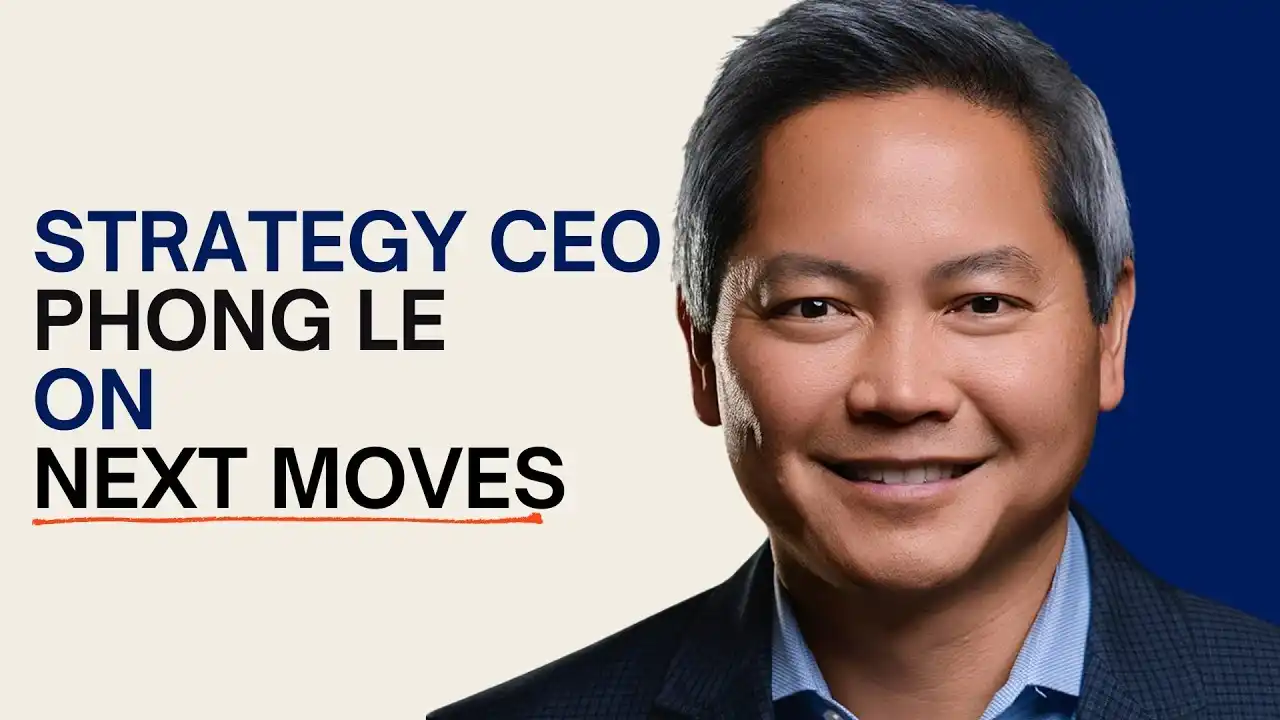
Interview with Strategy CEO: Can STRC Recover After Selling Bitcoin?

Interview with Strategy CEO Phong Le on the recent sale of 32 Bitcoin and its impact. He clarifies the move was a small, strategic action to demonstrate liquidity to debt holders, test internal processes, and prove operational discipline—not a response to fears of a "death spiral" from DeFi protocols leveraging STRC (Strategy's preferred stock product), which he notes holds less than 10% of STRC. Le emphasizes Strategy’s long-term focus as the largest corporate Bitcoin holder, using the adage that markets are a "voting machine" short-term but a "weighing machine" long-term. Decision-making is data-driven, involving the board, complex modeling, and multiple stakeholder considerations, moving beyond a founder-centric model. He outlines various capital options but stresses the strategic importance of "doing nothing" as a valid choice, citing resilience built during the 2022 bear market. Le expresses unwavering belief in Bitcoin's foundational value for global sovereignty and its future role in an AI-driven economy with trillions of autonomous agents. Addressing STRC's current price below its $100 face value, Le explains recent pressure was due to using dollar reserves for bond buybacks. He expects STRC to return to par as reserves are replenished and its semi-monthly dividend payments begin, noting the product is heavily over-collateralized. Finally, Le confirms the company sold Bitcoin the week prior to May 31st, as disclosed in an 8-K filing, leaving prediction market interpretations to others. The overarching philosophy remains "Spread Bitcoin with love," embracing all methods of gaining Bitcoin exposure.

marsbit1h ago

Interview with Strategy CEO: Can STRC Recover After Selling Bitcoin?

marsbit1h ago

Trading

Spot
Futures
活动图片