Аналитики QCP Capital оценили влияние президентских дебатов на криптовалютный рынок

cryptonews.ruPublished on 2024-03-11Last updated on 2024-09-11

Трейдинговая фирма QCP Capital представила новый отчет, в котором анализирует итоги прошедших дебатов между кандидатами в президенты США и предлагает торговые стратегии на фоне текущей макроэкономической ситуации.

По мнению аналитиков QCP Capital, ни один из кандидатов не представил четкого видения экономической политики во время дебатов. Однако некоторые заявления, в частности о «поедании собак», не остались незамеченными. Криптовалютное сообщество также было разочаровано отсутствием комментариев о политике в отношении цифровых активов.

Результаты дебатов

По итогам дебатов, Камала Харрис (Kamala Harris) смогла улучшить свои позиции в глазах общественности. Дональд Трамп (Donald Trump) выглядел заметно растерянным после некоторых ее высказываний. Онлайн-букмекеры зафиксировали изменение коэффициентов в пользу Харрис после завершения дискуссии.

Влияние на рынок

Отсутствие явного фаворита в предвыборной гонке, а также неопределенность в политических позициях обеих партий повышают вероятность снижения аппетита к риску на рынках по мере приближения дня выборов.

После этого важного макроэкономического события внимание участников рынка переключилось на предстоящую публикацию данных по индексу потребительских цен (CPI). Ожидается, что показатель CPI составит 2,55% против 2,9% в предыдущем периоде. Аналитики QCP Capital считают, что вероятность превышения прогноза достаточно высока. Однако они не ожидают значительного влияния этих данных на рынок, так как основное внимание сейчас сосредоточено на показателях безработицы.

Торговая стратегия

В текущих условиях QCP Capital отдает предпочтение стратегиям, позволяющим получать доход в бычьих сценариях. Несмотря на опасения по поводу роста волатильности и возможного снижения цен из-за макроэкономической неопределенности, аналитики фирмы полагают, что эти факторы будут разрешены в четвертом квартале.

Предлагаемая торговая стратегия получила название CFCC (Conditional Fixed Coupon Callable). Ее суть заключается в следующем:

  • Инвестор получает еженедельные купоны с доходностью 55% годовых, пока цена биткоина находится выше $55 000
  • Страйк-цена установлена на уровне $50 000
  • Уровень защиты капитала — $45 000
  • Дата экспирации — 27 декабря 2024 года
  • При погашении, если цена биткоина окажется ниже $45 000, инвестированные доллары США будут конвертированы в биткоины по курсу $50 000

Эта стратегия позволяет инвесторам получать стабильный высокий доход при умеренно растущем рынке, одновременно предоставляя частичную защиту капитала в случае значительного падения цены биткоина.

Важно отметить, что данная стратегия основана на использовании сложных опционных конструкций и несет в себе определенные риски. В случае резкого падения цены биткоина ниже уровня защиты инвестор может понести существенные убытки. Кроме того, получение высокой доходности ограничено определенным диапазоном цен.

По сравнению с предыдущим отчетом QCP Capital от 10 сентября, новая стратегия предлагает более высокую потенциальную доходность (55% против 6% годовых), но и несет в себе большие риски из-за отсутствия верхней границы диапазона цен.


Related Reads

77 Bloody Codes: When the '$5 Wrench' Shatters the Privacy Myth of France's Crypto Elite

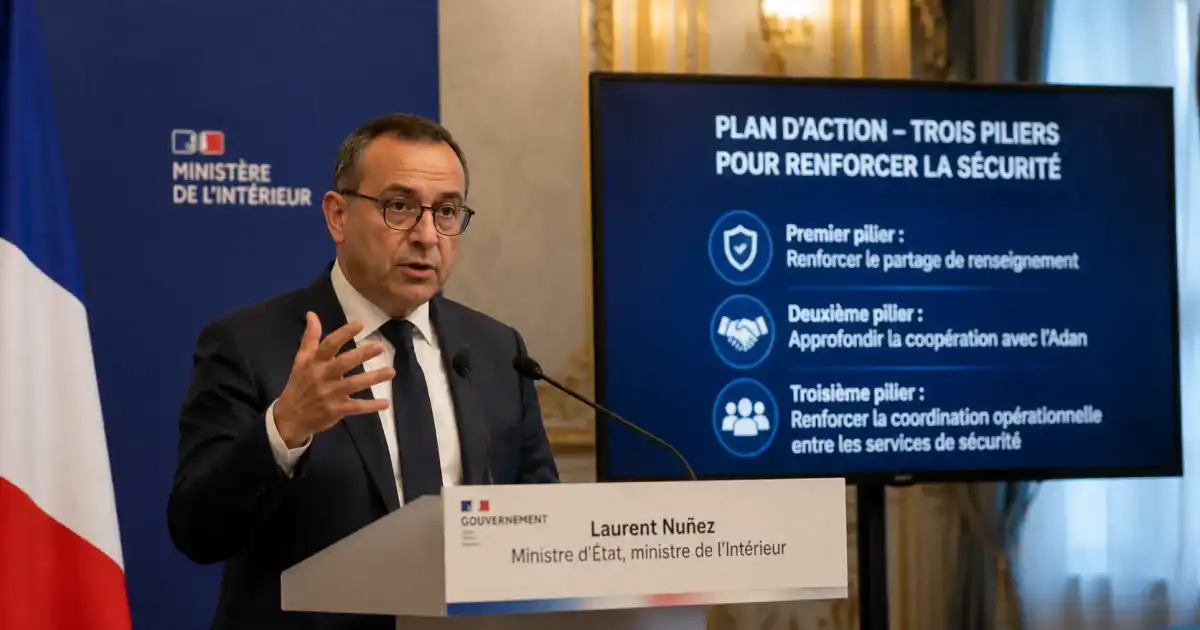
**Summary** In the first half of 2026, France recorded 77 violent crimes—including kidnappings, illegal confinement, and extortion—targeting cryptocurrency holders, a 71% increase over the 45 cases in all of 2025. This equates to an attack every 2.3 days, making France a global hotspot for so-called "wrench attacks," where criminals use physical violence to coerce victims into surrendering crypto assets. High-profile cases include the 2025 kidnapping of Ledger co-founder David Balland, who was shown with a severed finger in a ransom video, and an attempted kidnapping of the family of Paymium's CEO in Paris. Prosecutors note these are not isolated incidents but part of structured criminal networks, sometimes involving minors. Several factors contribute to France's vulnerability: a large holder base (approx. 7.3 million people), the presence of major crypto firms and executives, a culture of public disclosure among enthusiasts, and potential data leaks. The trend is spreading across Europe, which now accounts for over 40% of such global attacks. Research indicates a correlation between Bitcoin price surges and increased wrench attacks. In response, French Interior Minister Laurent Nuñez announced a three-pillar action plan focusing on enhanced intelligence sharing, deeper cooperation with the industry association Adan, and improved operational and cross-border coordination. Authorities have made over 200 arrests in the past year. Security experts warn that digital asset safety now extends to the physical world. They advise holders to use hardware wallets, avoid disclosing holdings on social media, enable multi-factor authentication, and report suspicious activity. The situation underscores the urgent need for the crypto community to shift from a "show-off" culture to one of discretion as physical security becomes paramount.

marsbit1h ago

77 Bloody Codes: When the '$5 Wrench' Shatters the Privacy Myth of France's Crypto Elite

marsbit1h ago

Both OpenAI and Anthropic are 'Developing Their Own Chips' — Beyond Cost, the Control Over Computing Power is Paramount

OpenAI and Anthropic are both advancing plans to develop custom AI chips, driven by the need to control computing power and reduce costs. According to reports, Anthropic is in early-stage development of its own chips and in talks with Samsung for manufacturing, while OpenAI is collaborating with Broadcom and TSMC, aiming to deploy its first inference chip by late 2026. The primary motivation extends beyond just lowering expenses. For these large model companies, chips are core production assets. By designing specialized hardware (ASICs) tailored to their specific model architectures—OpenAI's being more sparse and Anthropic's more dense—they aim to achieve deeper software-hardware co-design. This synergy can significantly improve inference speed, energy efficiency, and overall unit economics, offering advantages that off-the-shelf GPUs cannot. This move does not signify an immediate replacement for suppliers like Nvidia. The process from design to deployment takes 18-24 months, and Nvidia's GPU ecosystem remains deeply entrenched. Instead, custom chips provide a strategic alternative and negotiating leverage, allowing companies to use them for specific, high-volume workloads like inference while still relying on external GPUs and TPUs for other tasks. The trend reflects a broader industry shift where AI competition is evolving from pure algorithmic prowess to integrated control over the entire software-hardware stack. Companies like Google, Amazon, Meta, and Microsoft are already on this path. For foundries like Samsung, securing orders from AI leaders like Anthropic represents a significant opportunity to expand its footprint in the advanced semiconductor market for AI. Ultimately, the race for "computing sovereignty" is now a central battleground for major AI players.

marsbit1h ago

Both OpenAI and Anthropic are 'Developing Their Own Chips' — Beyond Cost, the Control Over Computing Power is Paramount

marsbit1h ago

Trading

Spot
活动图片