Стюарт Алдероти: «Американский регулятор обманывает суды в исках против криптокомпаний»

investing.ruPublished on 2024-09-04Last updated on 2024-09-04

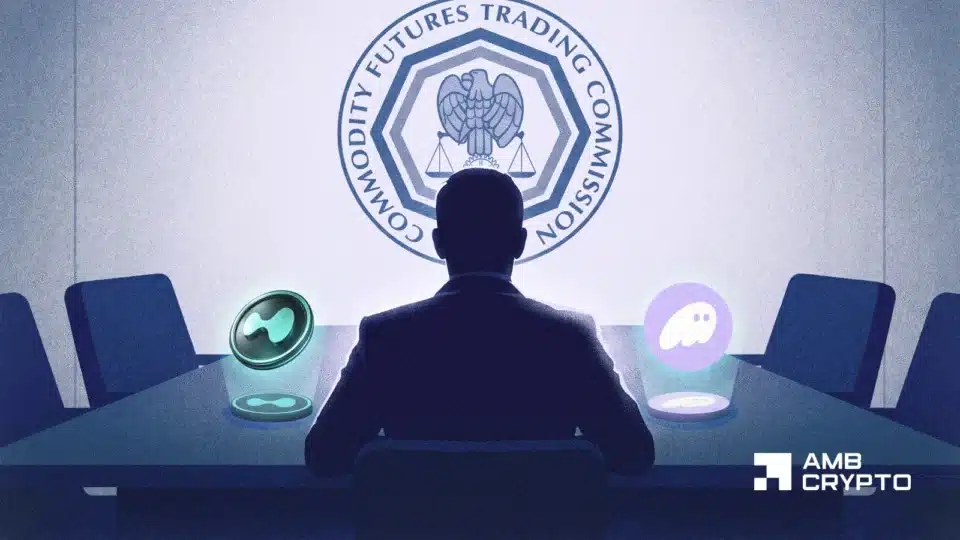
Стюарт Алдероти (Stuart Alderoty) пояснил: финансовый регулятор утверждает, будто все криптовалюты, кроме биткоина, являются цифровыми ценными бумагами. Однако, согласно информации на официальном сайте Комиссии по торговле товарными фьючерсами США (CFTC), виртуальные валюты, в том числе биткоин, классифицируются как товары в соответствии с Законом о товарных биржах (CEA).

«Термин “криптовалютная ценная бумага“ не встречается ни в одном законе — это сфабрикованный термин без какой-либо правовой основы. SEC должна прекратить обманывать судебную систему, используя этот термин», — написал Алдероти в соцсети Х.

SEC использовала этот термин в иске против компании Ripple, а также в судебном разбирательстве против обанкротившейся криптобиржи FTX, не считая других отраслевых компаний, отметил Алдероти. Однако в деле Ripple судья Аналиса Торрес (Analisa Torres) постановила, что монета XRP не считается ценной бумагой, если торгуется на вторичном рынке. Это означает, что в отношении XRP уже внесена нормативная ясность, однако SEC продолжает распространять выдуманный термин на другие альткоины, настаивает юрист.

С заявлениями Алдероти согласился юрисконсульт компании Ethena Labs Зак Розенберг (Zach Rosenberg). Он отметил, что SEC использовала понятие «криптовалютные ценные бумаги» для обозначения криптовалют в иске против консалтинговой компании Galois Capital Management. Ведомство обвинило фирму в неправильном хранении криптоактивов. Розенберг отметил, что в постановлении даже не упоминаются конкретные криптоактивы, которые, по мнению SEC, продавались как «криптовалютные ценные бумаги». Кроме того, отсутствует обоснование того, почему что-то «проданное как ценная бумага» изначально подпадает под действие правил хранения активов.

В июле Алдероти пожертвовал 624 000 XRP (около $300 000) на президентскую избирательную кампанию кандидата в президенты США Дональда Трампа (Donald Trump), пообещавшего поддерживать криптоиндустрию и внести ясность в регулирование цифровых активов.


Читайте оригинальную статью на сайте Bits.media

Related Reads

Is Ethereum Truly a "World Computer"?

Title: Is Ethereum Really a "World Computer"? Ethereum, envisioned as a "world computer" by its founder Vitalik Buterin, aims to be a decentralized platform for global applications. However, a recent analysis by Four Pillars raises questions about whether it is more accurately a "Western computer," based on the geographical distribution of its validators. Currently, the United States dominates with 38.19% of all validators, followed by Germany at 13.04%. Combined, these two countries account for over half of the network. In contrast, Asian representation is minimal, with Singapore holding only 3.15%. The concentration is partly due to affordable cloud hosting services like Hetzner and OVH in Europe and North America, as well as the prevalence of residential validators in the U.S., where individuals run nodes via home internet connections. When examining professionally operated validators, the distribution becomes more balanced. The U.S. share drops to 25.81%, while Asian countries like Singapore (7.28%), Hong Kong (6.44%), Japan (6.38%), and South Korea (4.59%) collectively approach the U.S. level. This shift reflects strategic deployments by institutions to meet regulatory requirements and reduce latency for local users. However, regions like South America, the Middle East, and Africa remain underrepresented. Ethereum's peer-to-peer network mechanisms, such as gossipsub, disadvantage areas with low node density, creating a feedback loop where delayed message propagation reduces validator performance and rewards. This imbalance challenges Ethereum's promises of censorship resistance and global accessibility. Despite these issues, opportunities exist for growth in underrepresented regions. As demand for localized staking infrastructure rises, early entrants in areas like the Middle East could establish dominant positions by offering compliant, low-latency solutions. The evolving validator landscape highlights both the structural challenges and the potential for Ethereum to move closer to its "world computer" ideal.

Foresight News23m ago

Is Ethereum Truly a "World Computer"?

Foresight News23m ago

WEEX TradFi Trading Competition Kicks Off, 50,000 USDT Prize Pool First-Come, First-Served, Open a Position and Get 5 U

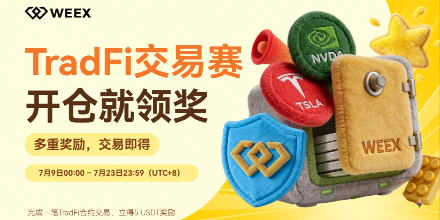
WEEX Exchange Launches "TradFi Trading Competition" with a 50,000 USDT Prize Pool Amidst a crypto market downturn, WEEX Exchange highlights the growth of tokenized traditional finance (TradFi) assets as a key trend, allowing users to trade stocks, ETFs, and commodities using crypto. The platform has launched a "TradFi Trading Competition" from July 9th to 23rd, featuring a 50,000 USDT prize pool. The campaign offers three reward tiers: 1. **New User Bonus (25,000 USDT pool):** New users depositing ≥100 USDT, completing a specified spot trade, and one TradFi contract trade (margin ≥10 USDT) receive 200 USDT. 2. **Volume-Based Rewards (20,000 USDT pool):** All users can earn tiered bonuses for achieving TradFi contract trading volumes of 5,000 USDT (3 USDT), 20,000 USDT (10 USDT), and 100,000 USDT (50 USDT). Rewards are stackable. 3. **Participation Reward:** Any user opening a TradFi contract trade during the event receives 5 USDT instantly. The article promotes WEEX's TradFi features, which include trading tokenized shares of companies like NVIDIA and Tesla using USDT, 24/7 trading, fractional share investing starting from $5, and high leverage up to 100x for hedging. It positions these features as solutions to traditional investing barriers like high fees, strict trading hours, and high share prices. The summary concludes by encouraging users to join the competition and leverage WEEX's platform to access global TradFi markets.

marsbit2h ago

WEEX TradFi Trading Competition Kicks Off, 50,000 USDT Prize Pool First-Come, First-Served, Open a Position and Get 5 U

marsbit2h ago

Trading

Spot
活动图片