2024年还有山寨季吗?

Odaily星球日报Published on 2024-09-02Last updated on 2024-09-02

Abstract

今年山寨币市场波动剧烈,未出现预期的山寨币季,总结来看主要受宏观经济变化、特朗普交易影响及比特币主导地位变动的影响。

原文作者:@DistilledCrypto

原文翻译:白话区块链

今年,山寨币市场经历了剧烈波动,让许多投资者如履薄冰。

然而,随着美国大选和降息在即,市场可能迎来重大变化。

以下是对《 2024 年山寨币展望报告》的一点精华总结:

1、没有山寨币季

许多人感到失望,因为本轮周期还没有出现山寨币季。

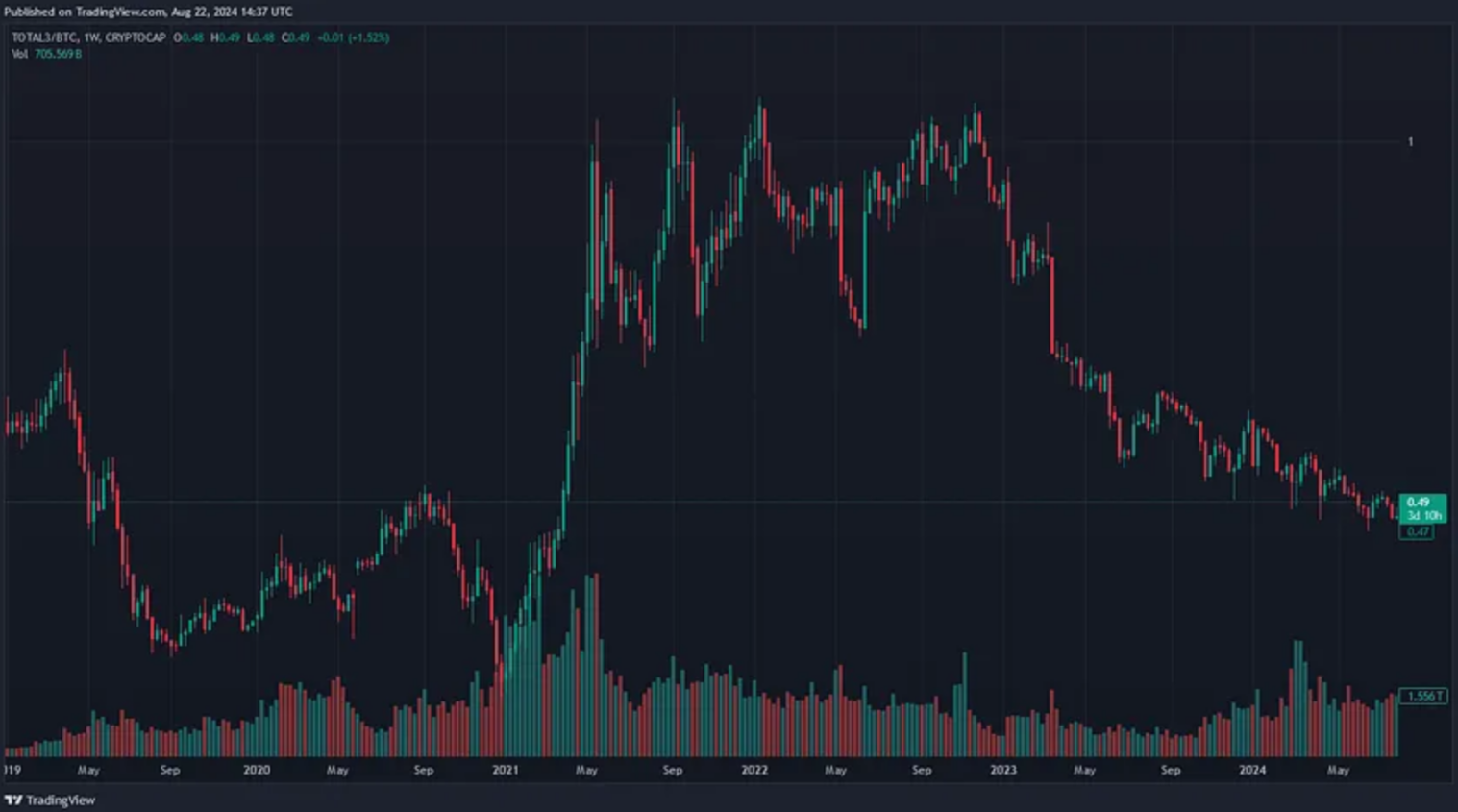
自 2022 年 11 月以来,山寨币表现一直不佳,正如 TOTA L3/BTC 所显示的那样。

前 125 种加密货币(不包括 BTC/ETH)与 BTC 的比率已从 1.05 降至 0.49 。
2024年还有山寨季吗?

2、市场广度令人担忧

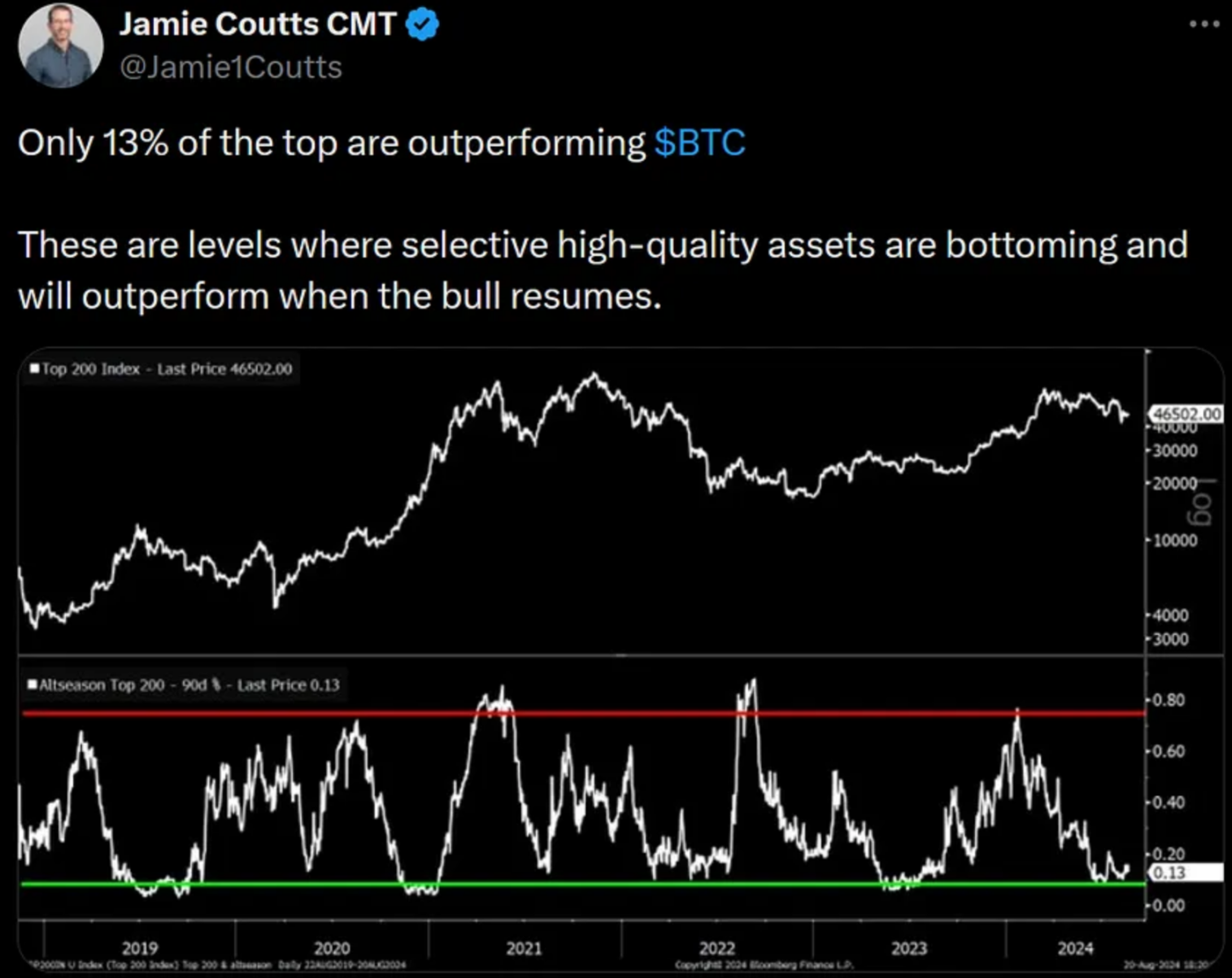
市场目前高度集中,由少数大市值币种主导。

只有 13% 的顶级资产表现优于 BTC。

挑选表现出色的山寨币就像大海捞针一样困难。
2024年还有山寨季吗?

3、影响市场的关键事件

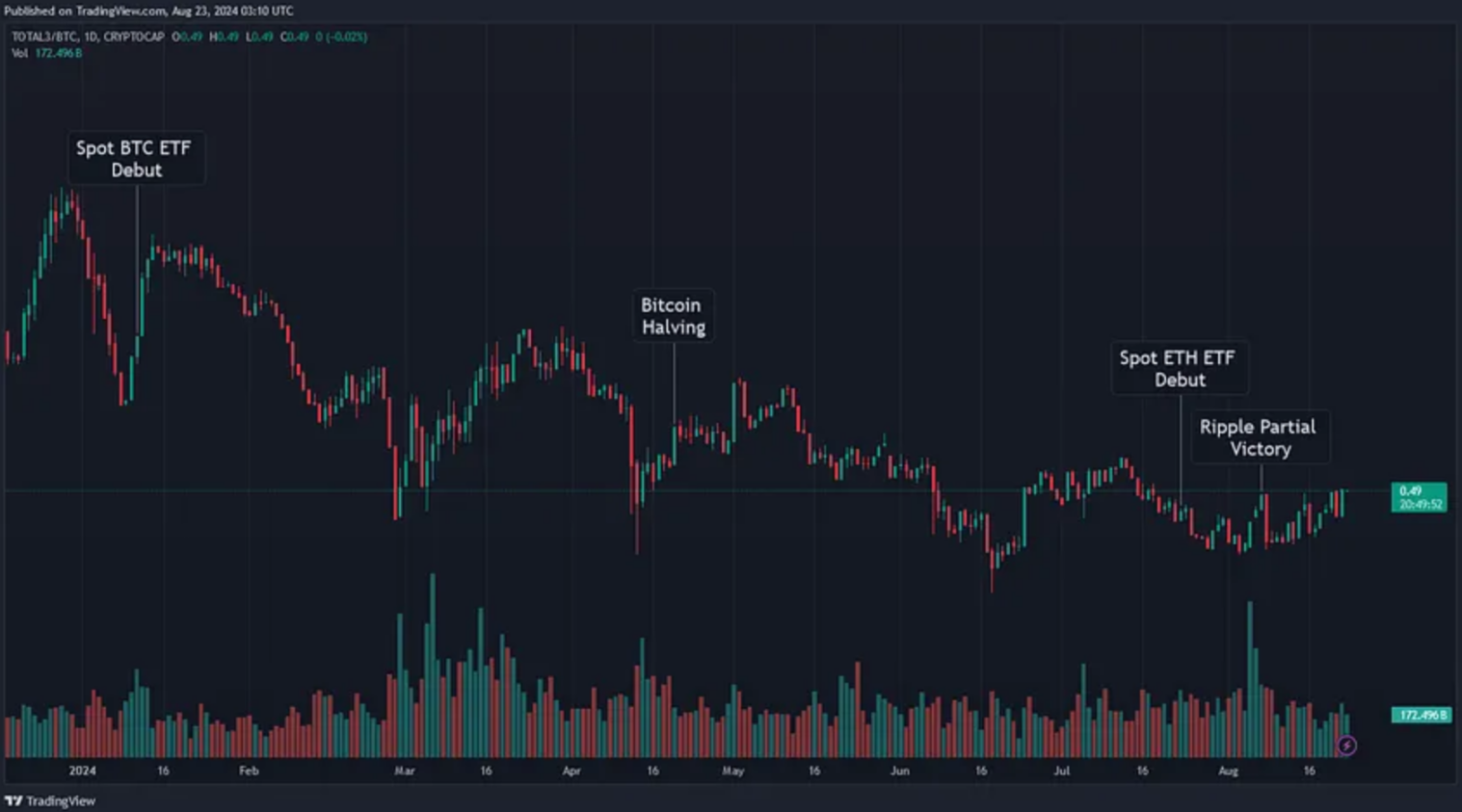
以下四个关键事件影响了今年山寨币与比特币的表现:

  • 现货比特币 ETF 首秀

  • 比特币减半

  • 现货以太坊 ETF 首秀

  • Ripple 部分胜诉 SEC

2024年还有山寨季吗?

4、「山寨币季之路」的终结

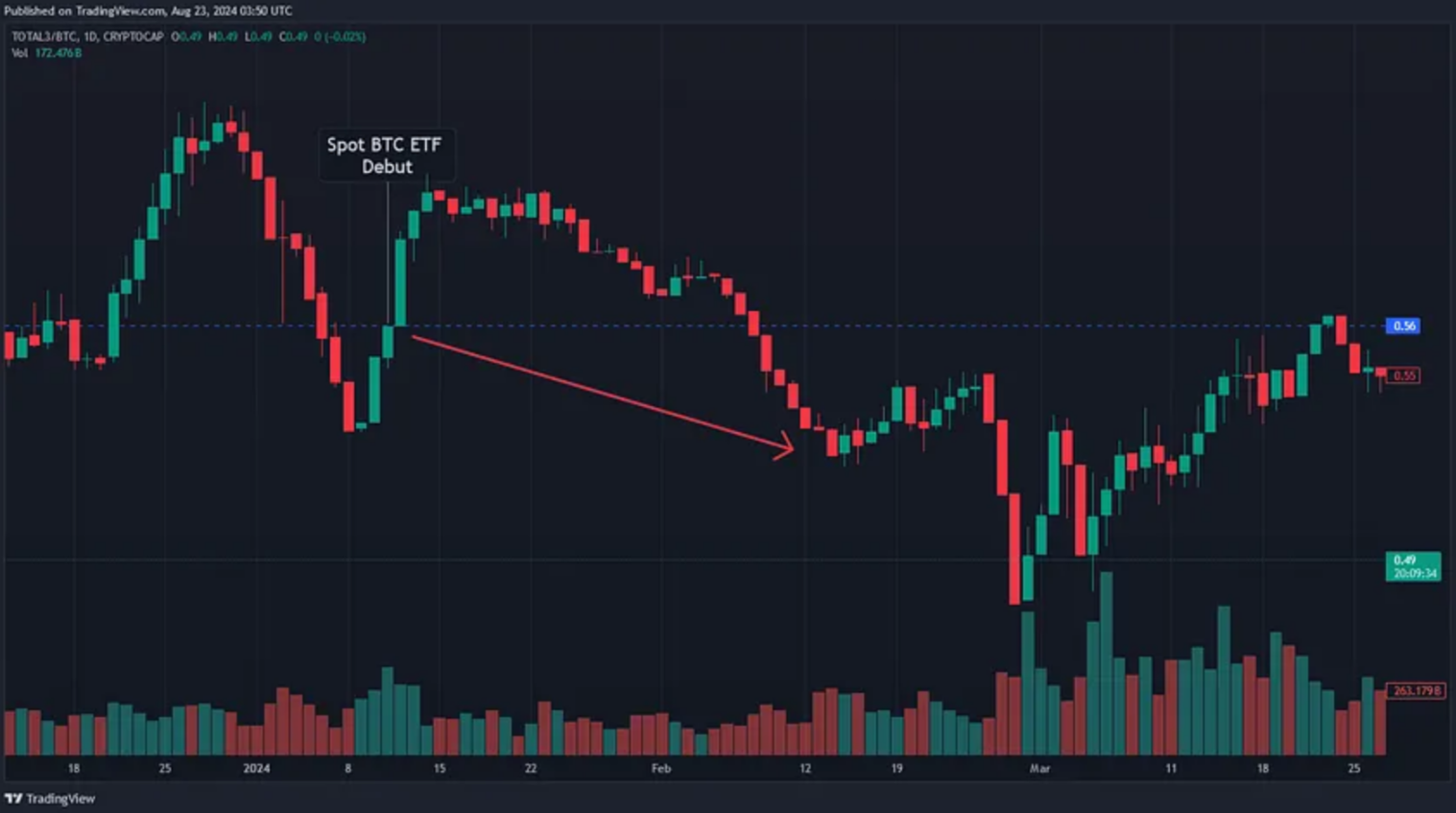
美国现货比特币 ETF 的推出是最关键的事件。

虽然对比特币有利,但这打破了传统的“山寨币季之路”。

短暂的山寨币反弹之后,随即出现了急剧下跌。

比特币的「涓滴效应」被严重高估了。
2024年还有山寨季吗?

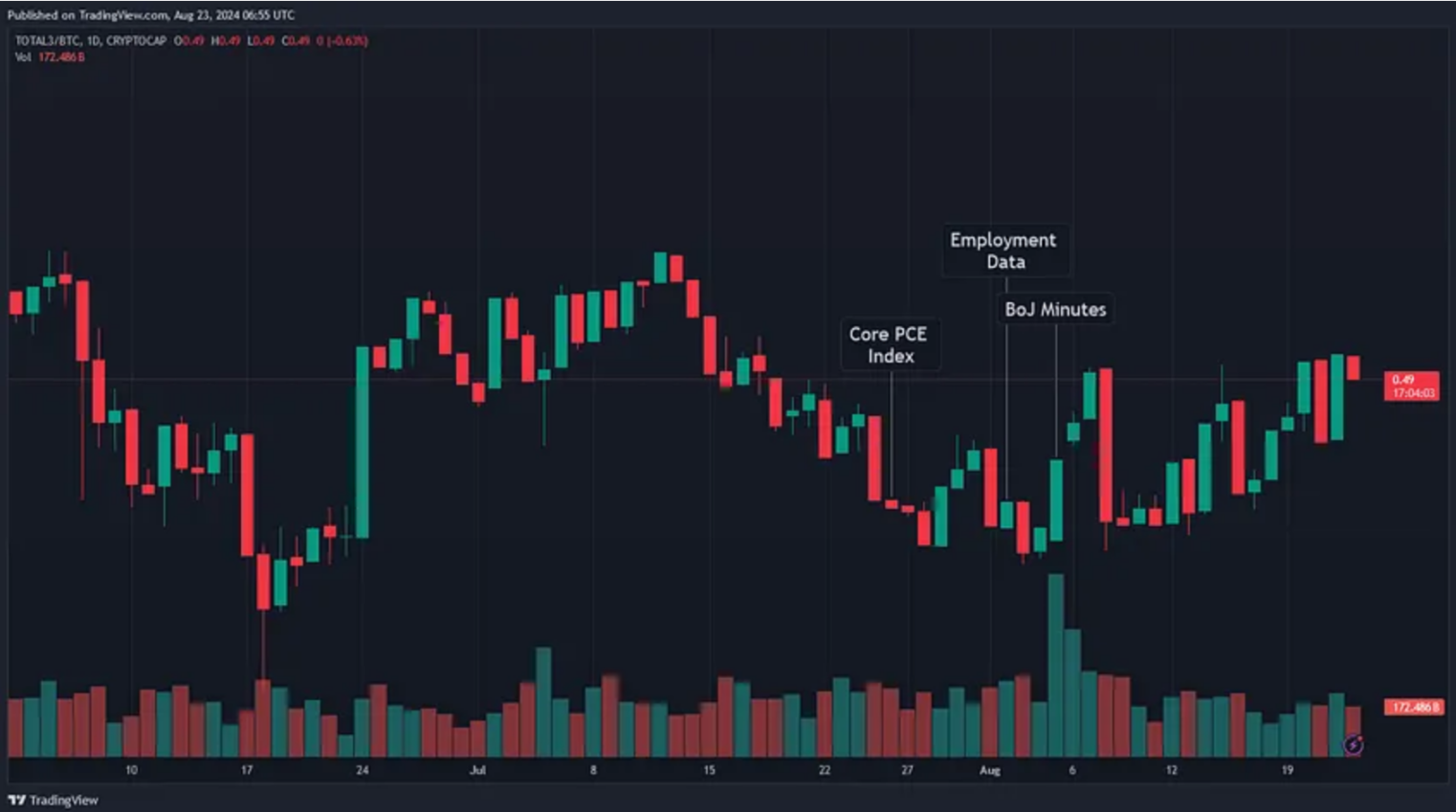
5、宏观不确定性

近期的宏观经济变动显著增加了市场的不确定性。

失业率上升、高利率以及日元套利交易都是重要因素。

在这种风险厌恶的环境下,反映消费者信心的山寨币表现乏力。
2024年还有山寨季吗?

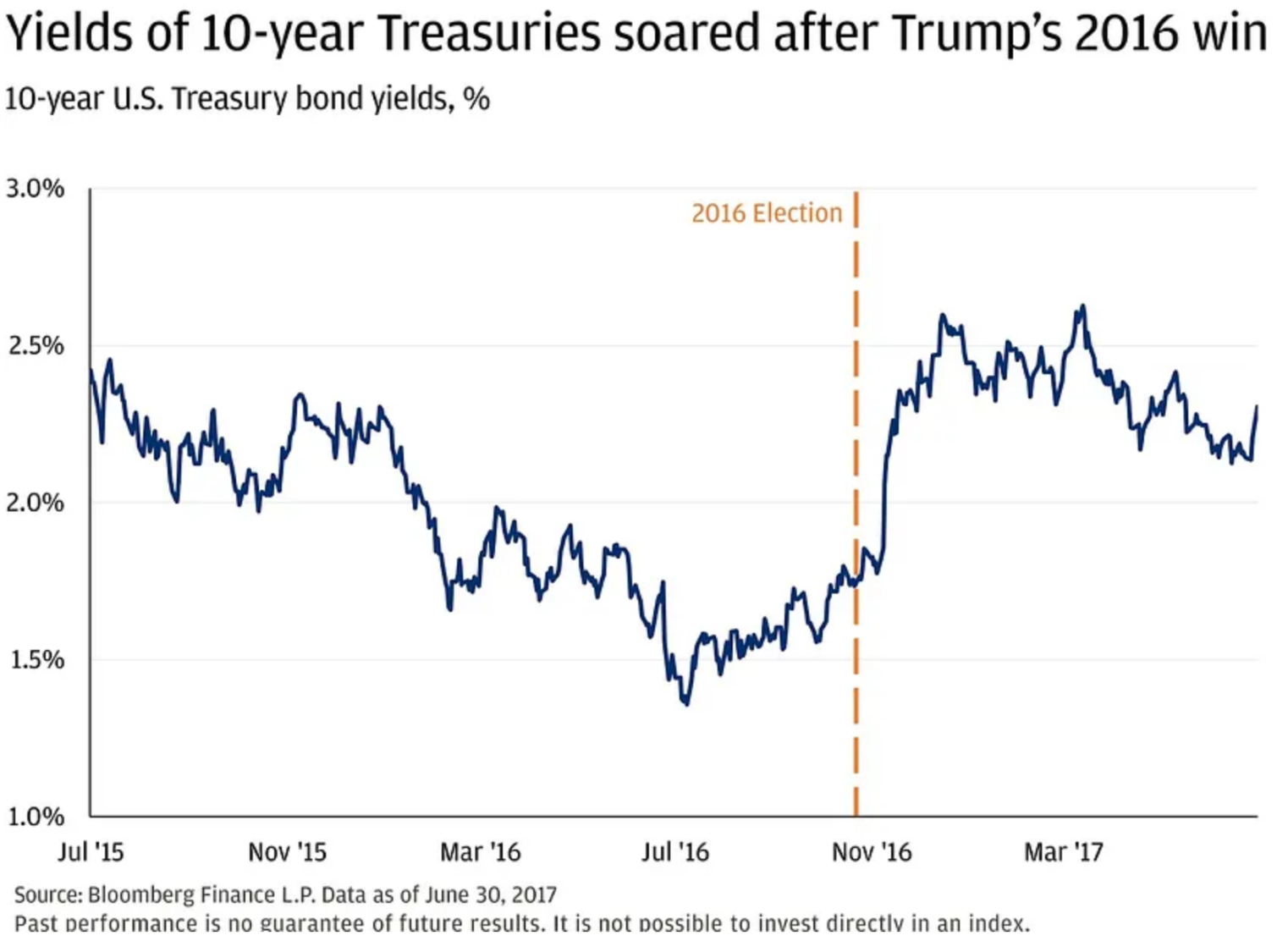
6、特朗普交易

另一个重要因素是特朗普交易。

它反映了市场对特朗普第二任总统可能性的预期,重点关注亲增长政策。

特朗普在 2016 年胜选后,小盘股大幅上涨,表现超过大盘股近 8% 。
2024年还有山寨季吗?

2024 年的特朗普交易

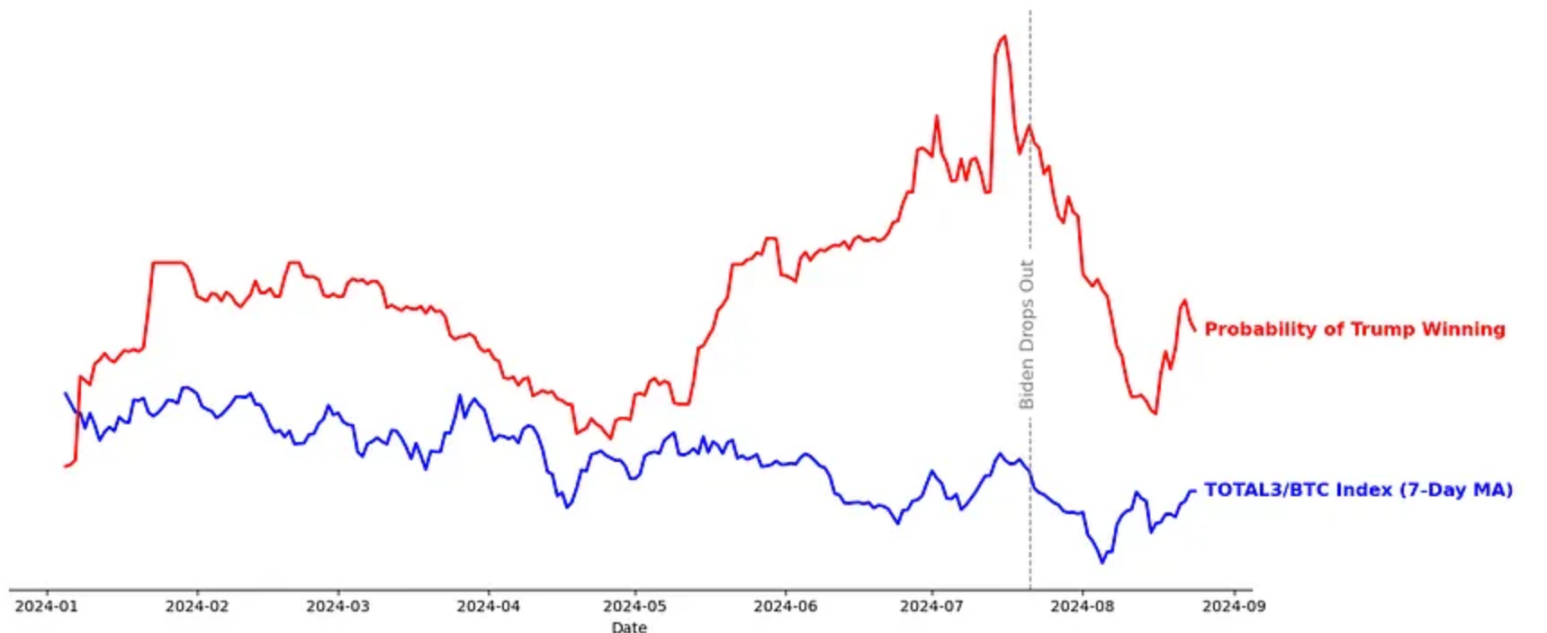
鉴于今年发生了如此多的事件,很难准确确定特朗普交易对市场的影响。

不过,我们可以通过比较 Polymarket 预测赔率与市场指数来进行评估。

例如,TOTA L3/BTC 指数与特朗普的赔率几乎没有关联。
2024年还有山寨季吗?

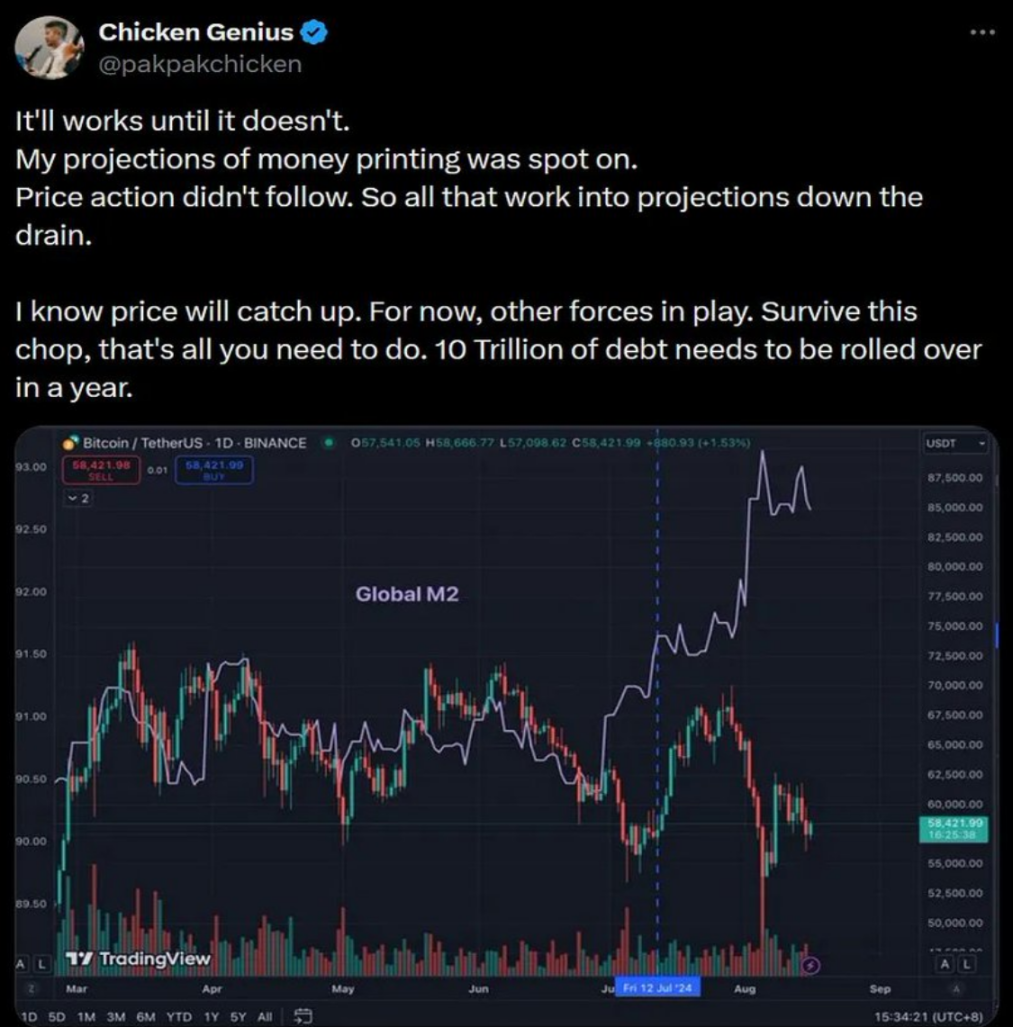
7、何时开始印钞?

一个关键指标是全球 M 2 货币供应量,它暗示价格可能最终会上升。

M 2 的增加通常会提升市场流动性和资产价格,包括加密货币。
2024年还有山寨季吗?

8、失业与衰退担忧

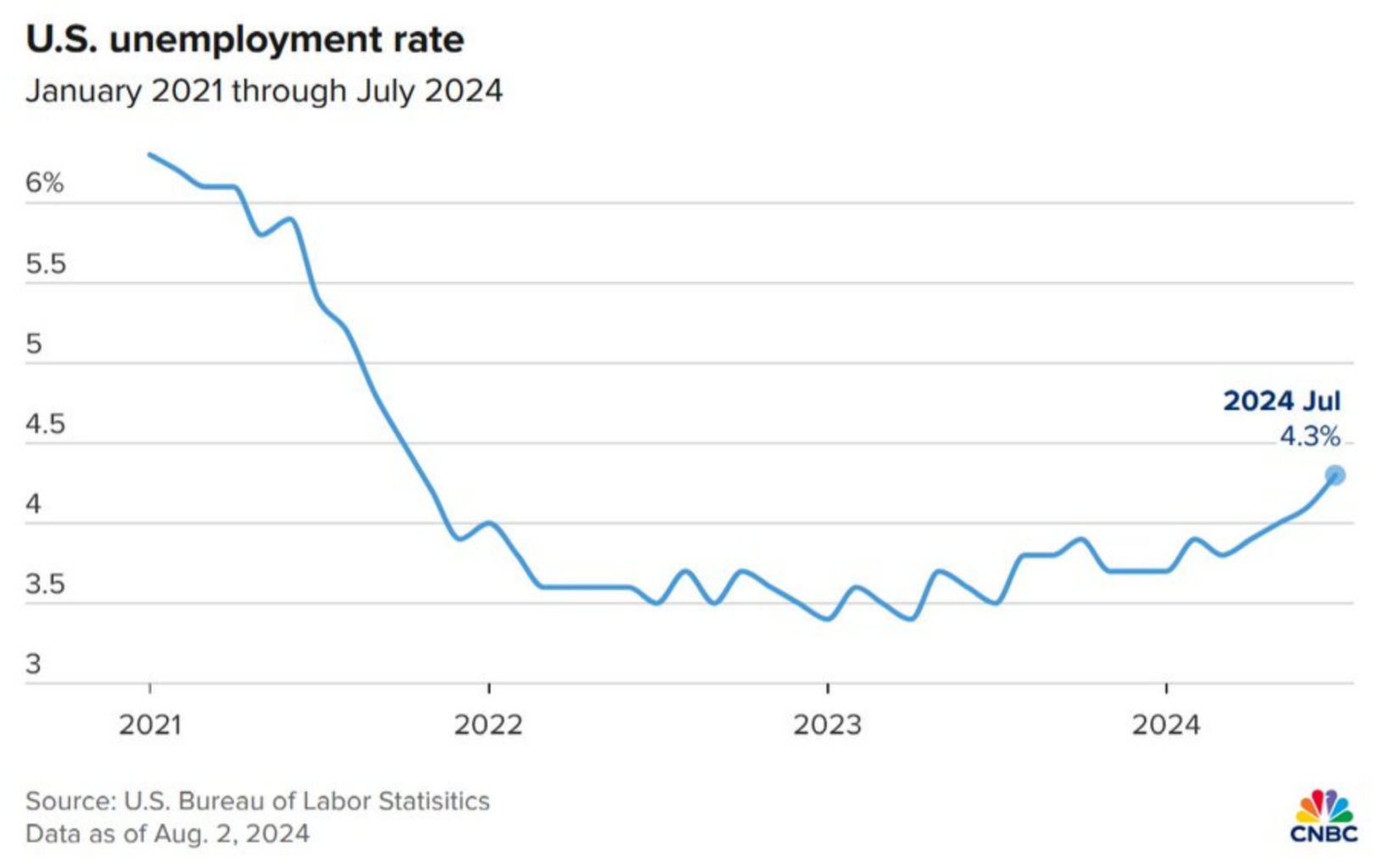
由于美国失业率在 7 月上升至 4.3% ,Sahm 规则预示着经济衰退的可能性。

在这种环境下,投资者倾向于转向更安全的资产,这可能对山寨币造成负面影响。

注意:由于市场具有前瞻性,基于宏观数据进行交易非常困难。
2024年还有山寨季吗?

9、下一步走向何方?

到年底,如果降息稳定了经济,比特币的市场主导地位可能会下降。

然而,如果衰退担忧加剧,比特币的市场主导地位可能会保持在高位。

无论哪种情况,预期山寨币之间的分化会增加(需严谨挑选)。
Related Reads

Fantasy's Closing Notes: After Two and a Half Years of Trial and Error in SocialFi, What Have We Learned?

"Fantasy Shutdown Notes: Two and a Half Years of SocialFi Trial, What Have We Learned?" Fantasy, a SocialFi/crypto card game, is shutting down. The team is refunding 100% of investments to angel/seed round backers, as operational costs were fully covered by revenue. Over 2.5 years, the project returned approximately $20M to its community. The core reason for failure was building crypto economics on a foundation not designed for it. Traditional card games (Magic, Pokémon) succeed by prioritizing gameplay; financial value is a secondary outcome. Crypto card games invert this, attracting speculators first, not genuine players. This financialization trapped the team into managing a financial instrument instead of developing a game. This is a sector-wide issue. Embedding tokenomics into social products or creator-fan relationships often attracts short-term traders over genuine users, undermining the core value. The article also critiques premature token launches. Most tokens fail because they're issued before product-market fit is proven, diverting team and community focus to price speculation instead of building. Successful examples like Hyperliquid or Jupiter built sustainable businesses first. Fantasy's journey highlights key crypto pitfalls: the distorting effect of upfront financialization in gaming/social apps, and the dangers of launching tokens too early. The team hopes sharing these lessons helps future builders avoid the same traps.

marsbit31m ago

Fantasy's Closing Notes: After Two and a Half Years of Trial and Error in SocialFi, What Have We Learned?

marsbit31m ago

Two Companies Capture 90% of AI Startup's $80 Billion ARR

The AI startup landscape is highly concentrated, with OpenAI and Anthropic capturing 89% of an estimated $80 billion in annualized revenue among 34 leading companies. OpenAI, with $24-25B in revenue, primarily drives growth through ChatGPT's consumer subscriptions, while Anthropic, exceeding $30B, focuses on enterprise API integration and has rapidly grown its U.S. enterprise market share from under 1% to 34.4% in under two years. The remaining 32 companies share just 11% of the revenue, facing intense pressure as resources, talent, and market attention consolidate around the two giants. This creates a self-reinforcing cycle where higher revenue fuels greater compute investment and model improvement. Despite their dominance, both leaders face challenges. OpenAI is navigating significant legal disputes and partnership tensions, while Anthropic operates under the high expectations of its massive backers like Amazon. Historical parallels in tech infrastructure (e.g., search engines, mobile OS) suggest such oligopolistic tendencies are common due to scale, network effects, and high switching costs, indicating the market could become even more concentrated. However, the rapid pace of AI innovation leaves room for disruption. For other players, the strategic path forward is not direct competition with the giants but specialization in vertical domains where general-purpose models fall short—such as legal, medical, or industrial applications—building indispensable, niche solutions.

marsbit40m ago

Two Companies Capture 90% of AI Startup's $80 Billion ARR

marsbit40m ago

Trading

Spot
Futures
活动图片