一文了解EIP-5058:能否防止NFT项目方提桶跑路?

Odaily星球日报Published on 2022-06-07Last updated on 2022-06-07

Abstract

详解 EIP5058 的愿景与实现方式。

项目方跑路仿佛在任何行业中都不免出现,有痛点就是有机会,那么在web3区块链行业中,基于密码学以及公开规则合约的信任,能否从ERC721的协议上做优化,从而规避这种情况呢?

5月新出的EIP5058(提案讨论中,以太坊官方还未合并)想实现的ERC721L就是为此设计的,是将所有权和转移权分离的NFT拓展协议。

本文目录:

首先,为小白科普,EIP和ERC是什么关系?

其次,简述核心点:

a:EIP5058的愿景与实现方式;

b:ERC721存在的问题,以无聊猿抵押所有权导致APE空投被闪电贷攻击为例。

最后,穿插分析此EIP的可行性。

常说的EIP和ERC是什么关系?

EIP是什么?

全称 Ethereum Imporvement Proposals(以太坊改进建议), 是以太坊开发者社区提出的改进建议, 是一系列以编号排定的文件, EIP可以是 Ethereum 生态中任意领域的改进, 比如新特性、ERC、协议改进、编程工具等等。

入口:https://eips.ethereum.org/all

ERC是什么?

全称 Ethereum Request For Comment (以太坊意见征求稿), 用以记录以太坊上应用级的各种开发标准和协议(application-level standards and conventions)。如典型的Token标准(ERC20, ERC721)、名字注册(ERC26, ERC13), URI范式(ERC67), Library/Package格式(EIP82), 钱包格式(EIP75,EIP85)。

入口:https://eips.ethereum.org/erc

小结

ERC协议标准是影响以太坊发展的重要因素, 像ERC20, ERC223, ERC721, ERC777等, 都是对以太坊生态产生了很大影响。EIP则可以进一步先观察到行业内的动态,了解什么痛点是当前的瓶颈。因此我每周都在刷最新的EIP,从问题出发去寻找趋势。

总之,虽然两者并不重叠,但是所有的ERC都是EIP,反之则未必。

EIP-5058 想解决什么?

入口:https://github.com/ethereum/EIPs/pull/5058/files

本质上他是ERC721的拓展,让项目方可以对NFT资产,执行锁定而不是转移,他新增函数setLockApprovalForAll()以及lockApprove(),这样一来在锁定期结束之前被锁定的 NFT 不能转移。

对用户而言,资产还在我的账户内,而且到期了或者项目方出问题了,资产也不会损失。

对官方而言,不是恶意黑用户资产的,那就坦坦荡荡的只是锁定防止用户的问题,而不是要求必须转移。

授权对象:可以是第三方,犹如引入监管机构可以一键冻结账户。

这样一来,形成的博弈是让用户即有持有权的同时去发挥其使用权的价值,而项目方也可以以更安全的资产保护来做清白自证。其流动性也可以通过bound NFT来提升

EIP-5058 提案目前会怎样实现?

本质上是对NFT的锁定状态进行管理,让项目方在继承5058实现的NFT项目中,提供锁定即转移的功能,也可以在继承中实现更多功能比如版税等

目前的提案里他封装提供了若干提供方法:

用户授权项目方:lockApprove(许可锁定单个NFT),setLockApprovalForAll(许可锁定该地址下全部NFT)

项目方合约调用:lockFrom(锁定用户的NFT),unlockFrom(解锁用户的NFT)

设定锁定期:

· 项目方(第三方)锁定 NFT 时,

· 需要指定锁定过期的区块高度,该高度必须大于当前区块高度。

· 锁到期后,NFT 自动释放,才可以进行转移。

5058本身的安保措施上也有诸多考虑,执行lock锁定的时候会审计

1. 防止自己误锁定自己:"ERC5058: lock caller is not owner nor approved”

2. 防止恶意锁定别人的:"ERC5058: lock from incorrect owner”

3. 过期时间要大于块号:"ERC5058: lock caller is not owner nor approved”

从eip讨论过程的记录中可以回顾到,早期作者使用时间戳来代表过期,被官方建议驳回了,因为这可能产生更多安全风险,永远不要相信矿工。

至于如何完成锁定,他通过一系列协议,来管理该NFT的锁定状态,解锁方法等,并且定义了两个虚函数,让后续继承此5058代码的合约可以改动此部分。

1. _beforeTokenLock(operator, from, tokenId, expired);

2. _afterTokenLock(operator, from, tokenId, expired);

给了一定程度上项目方合约处理的自主性。

流动性问题如何解决?

提案中则使用Bound NFT来解决流动性问题,相当于把未到期的定期锁定的NFT债券化流通,NFT锁定则创建出boundNFT用于流动,当NFT解锁则boundNFT销毁,而boundNFT就代表特定时段内NFT冻结的ownership变更权,这样可以在不转移原始NFT的前提下将boundNFT质押到各种项目合约来行使某些权利,同时可以规避各类项目合约风险、避免拥有者损失NFT的效用或因NFT转移到项目合约而失去空投机会等。

ERC721 有怎样的问题呢?

确实,ERC721在这两年迎来巨大的爆发,但其问题首当其冲的就是拓展性和安全性和流动性,又是一个不可能三角之间的博弈。当然目前百花齐放的NFT提案已经走在打破三角的路上了。

我们来看看具体的产权分离导致的攻击案例。

安全性&流动性的矛盾-APE事件

在3月份,APE空投时候,项目方是按无聊猿NFT持有即可获取APE代币,https://apecoin.com/about,但是之前作为顶流高价值的无聊猿,不少持有者会将其放在NFTX中,即碎片化转成erc20的token,从而产生细粒度的代币让其易于转移,获得了高流动性。
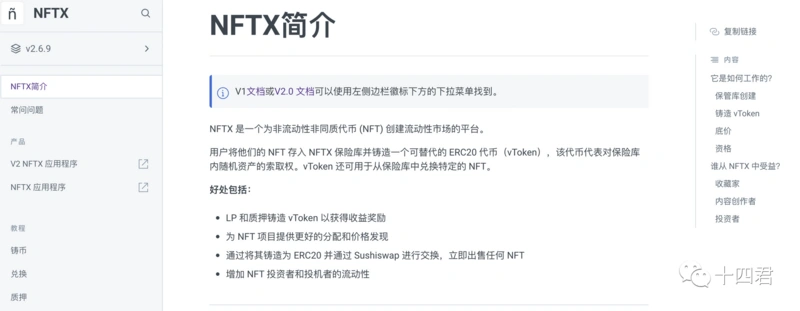
而APE代币,也称之为是“猿币”,持有则可以加入ApeCoin DAO ,具有一定的治理权

· 分发模式:是首个依据地址持有NFT,来空投ERC20的模式。

· 活动规则:用钱包访问他,他识别到有下列nft则可兑换定量代币
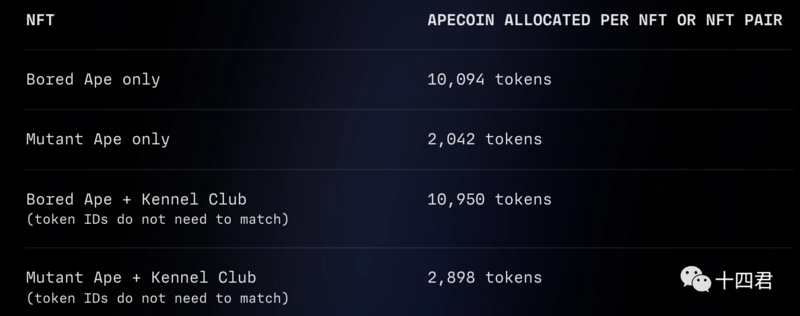
由于是首次NFT持有空投代币,所以出现了一种科学家攻击手法,能那么“快”的进行程序化攻击,只能盲猜,不是科学家太牛逼,就是有内鬼泄题。

被攻击的整体流程

闪电贷-》sushiswap-》vToken ≤ = > NFT -》领空投 -》 再还债

大致步骤是

· 1:套利者先是闪电贷贷到一笔资金,

· 2:用这个资金在sushiswap上买到vToken,

· 3:然后在nftx.io 平台上将nft换了出来,

· 4:拿到nft之后去领取空投代币APE,

· 5:最后再讲nft质押回nftx.io 换回vToken,

· 6:还回去闪电贷

攻击痕迹如下:

https://etherscan.io/tx/0xeb8c3bebed11e2e4fcd30cbfc2fb3c55c4ca166003c7f7d319e78eaab9747098
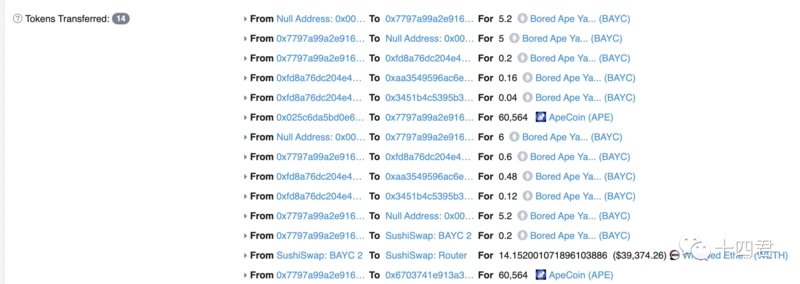
下图是将闪电贷款到的ETH,转成wETH(对原生代币的ERC20协议的包装代币)

下图是1600号无聊猿 NFT 当时的最后交易价格是,85.5个ETH,约23W美金
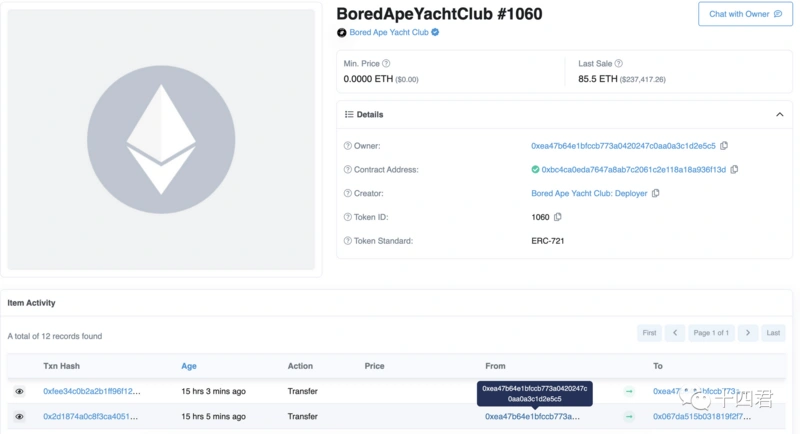
其中之一就是这个头像

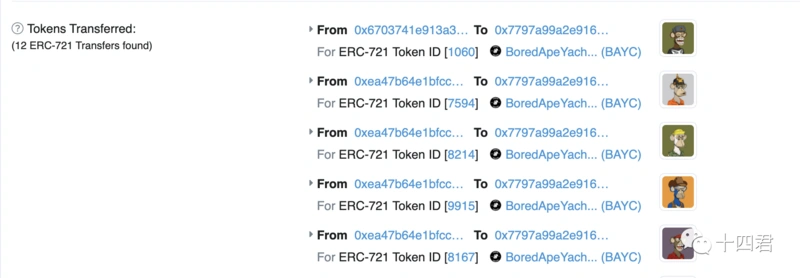
从1060这图中可以看到,他从NFTX.io的合约地址中被取出,然后3个块后即被转回。

而查阅攻击者地址

https://etherscan.io/address/0x29b8d7588674fafbd6b5e3fee2b86a6c927156b0

会发现,收益的399个ETH,依旧躺在这个钱包里。

谁亏了

整个过程中,无聊猿玩家为了流动性,而失去的资产所有权所带来的APE代币收入。

总结-理性很美好,现实还很远

其实产权分离确有一定程度的现实意义,但距离其被纳入到标准协议还有很漫长的道路要走,至于项目方提桶跑路的风险,作为当前还没有选择的用户而言,没普及就没意义。

其实,更多NFT的风险在于归零而不是被项目方回收走,APE代币事件只是描述产权分离导致收益被掠夺的一种相对极端的案例

当然,我关注最新的EIP,并不是单纯寻找可以用的协议代码,更多是关注痛点的趋势变化。

Related Reads

a16z on Hiring: How to Choose Between Crypto-Native and Traditional Talent?

Hiring in Crypto: Balancing Crypto-Native and Traditional Talent As the crypto industry grows, founders face the dilemma of whether to prioritize hiring professionals with blockchain experience or those with traditional tech backgrounds who can learn. The key is recognizing that crypto companies are still tech companies at their core and should apply proven hiring best practices. Crypto-native talent offers immediate productivity and is essential for roles involving high-stakes, specialized work like smart contract development, where errors can be catastrophic. However, traditional professionals from large-scale software companies bring valuable experience in scaling products, operational flexibility, and expertise in areas like fintech, UX, and security, which are crucial as crypto products target mainstream adoption. Recruiting requires tailored approaches. Some candidates may be hesitant due to crypto's volatility or complexity, while others are excited by its innovative potential. Assess candidates' motivations, curiosity, and alignment with the company's vision early. Emphasize the opportunity to shape technology's future and address financial incentives, such as token-based compensation, which can offer liquidity compared to traditional equity. Onboarding is critical. Identify knowledge gaps during hiring and design education programs, mentorship, knowledge-sharing sessions, and resources like blogs or courses to accelerate learning. Pairing new hires with experienced crypto professionals helps bridge gaps and fosters collaboration. Ultimately, successful teams blend both crypto-native and traditional talent, leveraging their strengths to drive innovation and growth.

marsbit52m ago

a16z on Hiring: How to Choose Between Crypto-Native and Traditional Talent?

marsbit52m ago

DeFi Hacked Again for $292 Million, Is Even Aave No Longer Safe?

On April 19, a major DeFi security breach occurred, resulting in the loss of approximately $292 million. The attack targeted Kelp DAO’s rsETH bridge contract built on LayerZero, with 116,500 rsETH stolen. The attacker initiated the exploit using funds from Tornado Cash and manipulated the LayerZero EndpointV2 contract to transfer the assets. Kelp DAO confirmed the incident and temporarily paused rsETH contracts across multiple networks while collaborating with security experts for investigation. Initial analysis suggests the root cause was a compromised private key on the source chain, with the contract secured by only a 1/1 validator set, making it vulnerable to a single malicious transaction. The attacker used the stolen rsETH as collateral on lending platforms—including Aave, Compound, and Euler—to borrow more liquid assets like WETH, accumulating over $236 million in debt. Aave alone accounted for $196 million of this amount. In response, Aave froze its rsETH markets and stated it would explore covering potential bad debt through its Umbrella safety module, which holds around $50 million in WETH. This incident follows another large exploit earlier in April, where Drift Protocol on Solana lost $280 million. The repeated high-value attacks raise concerns about DeFi security, even affecting major protocols like Aave. Users are advised to exercise caution, diversify holdings, and limit exposure to on-chain protocols until more robust security measures are established.

marsbit2h ago

DeFi Hacked Again for $292 Million, Is Even Aave No Longer Safe?

marsbit2h ago

Trading

Spot
Futures
活动图片