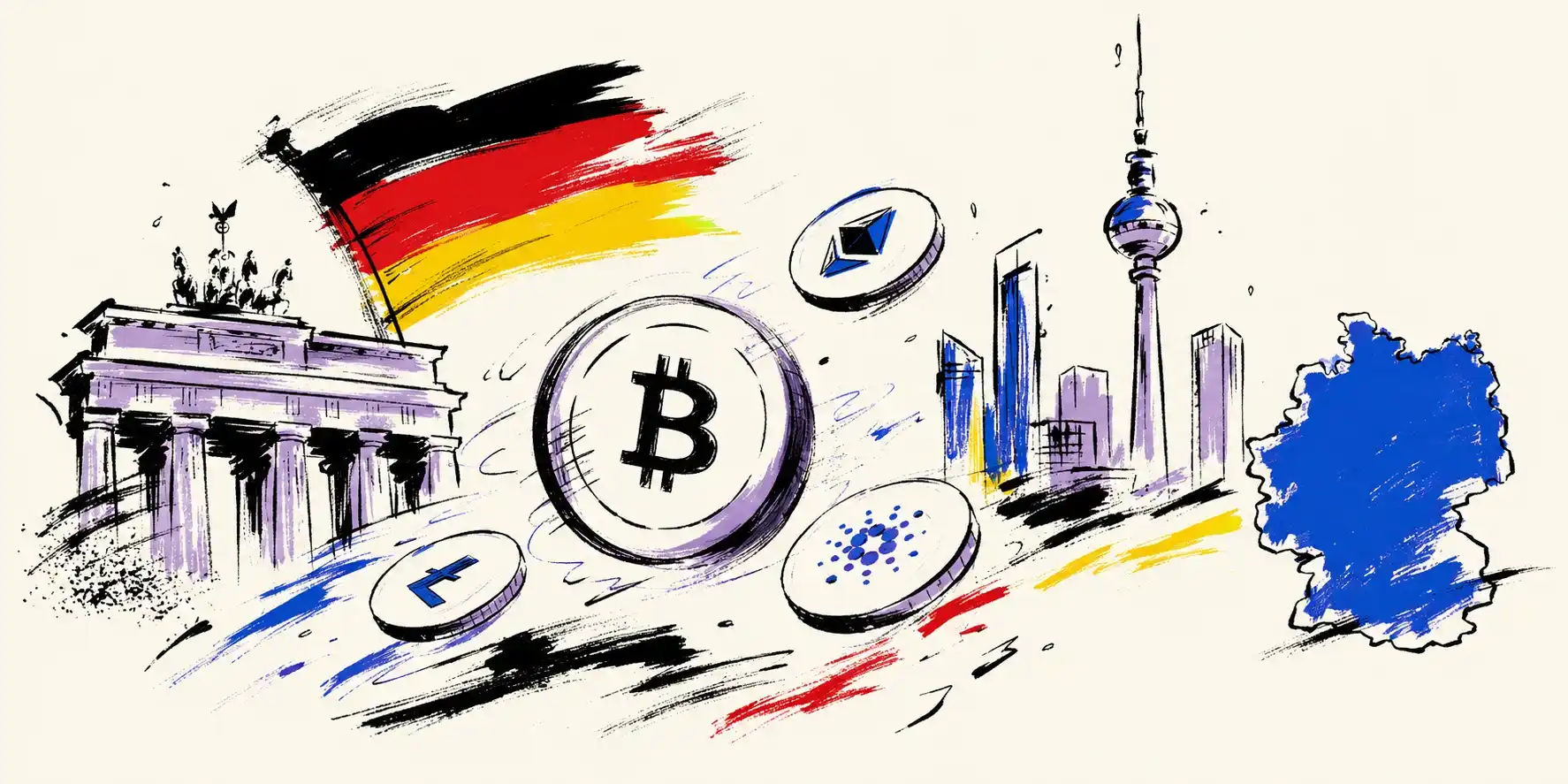
Власти Германии конфисковали 13 криптобанкоматов

investing.ruPublished on 2024-08-21Last updated on 2024-08-21

Happycoin.club - 20 августа полиция Германии провела широмасштабную операцию по борьбе с отмыванием денег, конфисковав 13 криптобанкоматов и изъяв почти $28 млн. Рейды прошли по всей стране.

По данным издания Reuters, полиция сотрудничала с финансовым надзорным органом Германии (BaFin) и Бундесбанком. Их целью были криптовалютные банкоматы, которые работали без необходимых лицензий, а значит, могли использоваться преступниками для отмывания незаконно полученных средств.

Представители BaFin не раз заявляли, что конвертация евро в цифровые активы или наоборот является коммерческой деятельностью. Соответственно, осуществлять её можно только в соответствии с Законом Германии о работе банков.

Нелицензированные криптобанкоматы потенциально могут быть связаны с финансированием терроризма и преступными схемами, заявили в надзорном органе, так как они обеспечивают анонимность отправителей и получателей цифровых активов.

Теперь операторов незаконных криптовалютных банкоматов ждут судебные разбирательства и наказание. Это может быть крупный штраф или тюремное заключение сроком до пяти лет.

Этим летом власти Германии продали около 50 000 биткоинов, конфискованных у операторов популярного пиратского сайта Movie2k.to в 2013 году. Это решение было раскритиковано сторонниками криптовалют.


Читайте оригинальную статью на сайте Happycoin.club

Related Reads

Are the Frantic Acquisitions of Crypto Companies by Giants Good or Bad?

In a bear market, giants are actively acquiring crypto companies. Recent months have seen at least five major deals: Samsung Securities bought a 2% stake in Upbit operator Dunamu; Robinhood acquired WonderFi for $180 million to enter the Canadian market; Figure purchased Kiavi for $717 million to expand into on-chain real estate credit; Franklin Templeton bought 250Digital to launch Franklin Crypto; and Blockworks acquired data platform Messari at a steep discount—over 90% less than its 2022 $300 million valuation. These moves highlight a strategic shift. Cash-rich giants are consolidating resources at low cost, targeting companies with established compliance frameworks to navigate tightening global regulations. Acquisitions like WonderFi and the Upbit stake provide immediate market access and licensed user bases. Figure's deal signals real-world asset (RWA) tokenization moving from concept to large-scale implementation, with Kiavi's $7+ billion annual transaction volume being integrated into on-chain capital markets. Franklin Crypto's launch targets institutional investors like pension funds, offering them tailored, compliant crypto strategies. For these strategic players, bear markets present an ideal entry point: valuations are depressed, speculative noise is minimized, and they can acquire robust technology and compliance infrastructure at a fraction of the cost. This acquisition wave marks a transitional phase for crypto—from a wild frontier toward an institutional, regulated financial system. Giants are positioning themselves to capture future growth when macroeconomic conditions and liquidity improve, leaving latecomers behind.

marsbit11m ago

Are the Frantic Acquisitions of Crypto Companies by Giants Good or Bad?

marsbit11m ago

In the MiCA Era, Europe's New Cryptography Landscape: Why is Germany Taking Center Stage?

With MiCA's transitional arrangements concluding, Europe's crypto industry has undergone a regulatory consolidation. Post-MiCA, platforms must secure CASP authorization to operate compliantly within the EU. As of July 1st, only about 12% of crypto firms have received authorization, with Germany emerging as a key player, holding 57 authorizations (roughly 23% of the EU total). This positions Germany as a primary compliance gateway to the EU's unified market. Germany's advantage stems from its established, function-based regulatory framework, which integrated crypto activities into existing banking, securities, and payment systems pre-MiCA. This allowed a smoother transition and attracted both domestic platforms (like Bitcoin.de, BISON) and international ones (like Coinbase Germany). A distinctive trend is German banks becoming direct retail entry points for crypto services. Examples include DZ Bank integrating "meinKrypto" into its VR Banking App and the Sparkassen savings bank network planning to offer crypto trading via DekaBank. This mainstreams crypto access for ordinary users. Beyond trading, Germany is evolving into a digital asset infrastructure hub. Deutsche Börse Group's Clearstream is developing a next-generation platform for issuing, settling, and servicing both traditional and tokenized securities. Furthermore, German banks like DekaBank and DZ Bank are key participants in the Qivalis project, a European initiative for a regulated euro stablecoin, positioning Germany at the intersection of critical future capabilities like custody, settlement, and cross-border services.

marsbit1h ago

In the MiCA Era, Europe's New Cryptography Landscape: Why is Germany Taking Center Stage?

marsbit1h ago

Trading

Spot
活动图片