Solana co-founder says kissing frogs is the optimal approach to blockchain design

cryptoslatePublished on 2022-06-02Last updated on 2022-06-02

Abstract

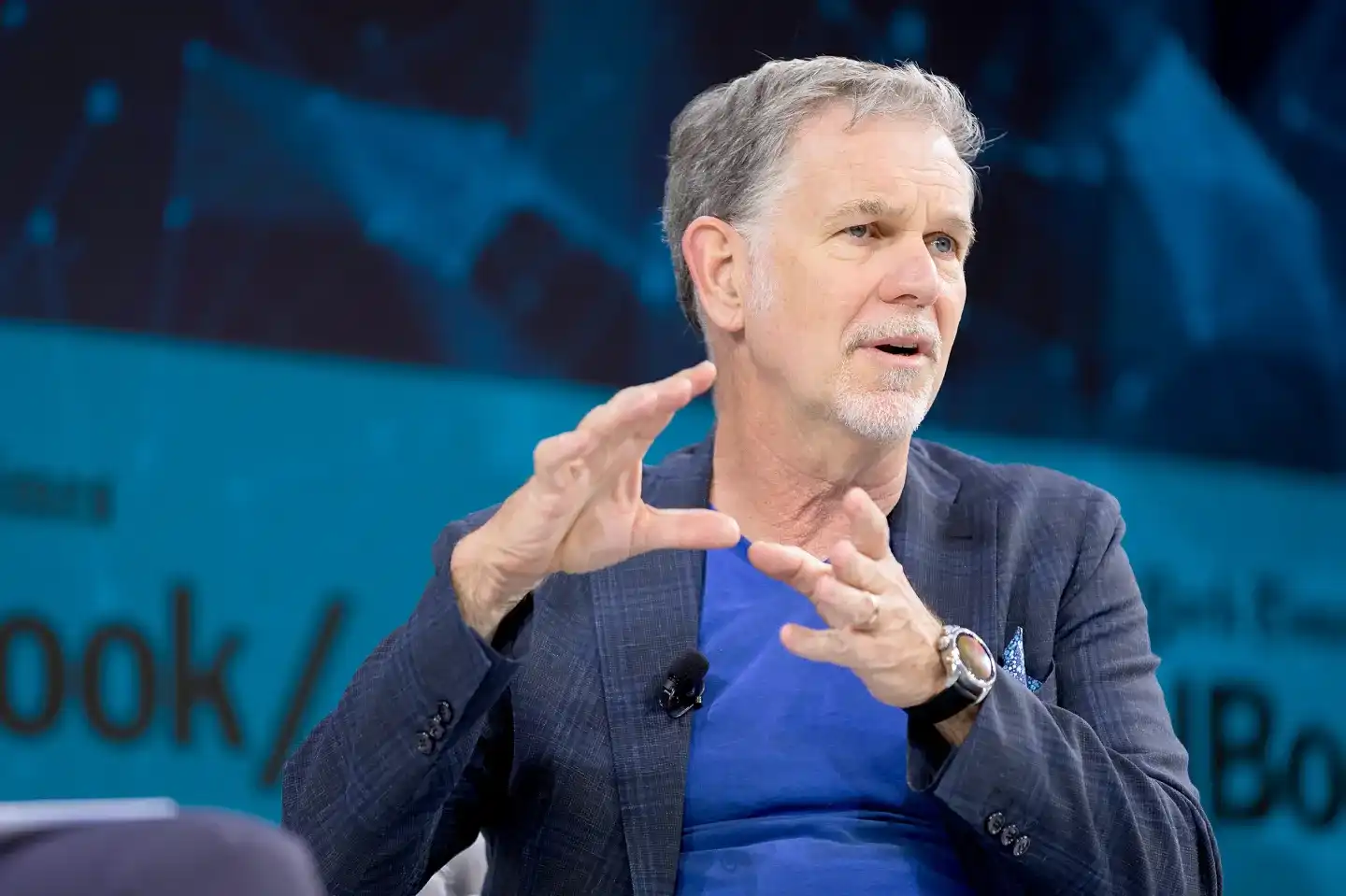
Footage released of Anatoly Yakovenko shows him calling Cardano's approach to coding and design overly fussy.

During a short video clip, Solana co-Founder Anatoly Yakovenko criticized Cardano, saying its approach to blockchain development leads to longer shipping times.

Solana co-founders lady’s and gentleman. Describing why Cardano isn’t completely broken like Solana. His secret “you’ve got to swallow”

— Darth Boomer (@spudiot1) June 2, 2022

Yakovenko said cutting corners, or as he phrases it, to “kiss a couple of frogs in your design,” is the only way to ship on time. Such statements imply security, reliability, and robustness are not pressing concerns for Yakovenko.

It’s unclear when the clip was filmed. However, the tweet was posted shortly after another Solana Network outage.

The Solana Network suffered another outage

A tweet from Solana’s Twitter on June 1

confirmed that a “bug in the durable nonce transactions feature” had halted the entire network.

“Earlier today a bug in the durable nonce transactions feature led to nondeterminism when nodes generated different results for the same block, which prevented the network from advancing.“

The network was restored following a “restart of the Mainnet Beta” by the evening of June 1. A further update, two hours later, requested validators to upgrade software versions.

Last month, bots exploited a flaw in Candy Machine NFT minting protocol, resulting in a flood of traffic. Network congestion, which reached 4 million inbound transactions per second, knocked out consensus and crashed nodes.

According to Solana’s uptime tracker, there have been 12 instances of downtime this year, three of which were major outages.

As expected, social media was awash with negative comments. A recurring theme in the comments was doubt about the project’s viability due to the frequent network outages.

What did Yakovenko say?

During the short video clip, Yakovenko said he’s familiar with Cardano, having done Haskell programming before.

But, examining their approach to building blockchain technology, Yakovenko called it “esoteric,” meaning highly specialized and appealing to/understood by a small niche. He added that Cardano’s unwavering focus on correctness is why it will never ship.

“The approach they’re taking is so extremely like, esoteric, with such a huge stick up their *ss about correctness. This is why they’re never going to ship.”

Yakovenko explained the reality of coding as he sees it, in that getting things done is the top priority, even if that means kissing frogs along the way.

“As an engineer that has to ship code, and get paid for it, it’s just that stuff doesn’t work. You gotta like, swallow, you know, kiss a couple of frogs in your design and ship stuff and just get it done…”

To date, the Cardano chain has had 100% network uptime.
Related Reads

Bitcoin Trading Strategy Breakdown: Celebrity Predictions and Classic Models All Fail, Only These Four Indicators Remain

Analysis of Bitcoin Trading Strategies: Why Celebrity Forecasts and Classic Models Fail, Leaving Only These Four Reliable Indicators This analysis examines the failure of common Bitcoin prediction methods and identifies four reliable indicators for constructing a trading strategy. The author reviewed all major BTC prediction approaches from 2017-2025, categorizing them into three groups: celebrity price targets (consistently over-optimistic), analytical models like Stock-to-Flow (broken post-2022), and on-chain signals. The key finding is that more data often creates confusion, not clarity. The strategy discards unreliable elements: celebrity predictions (incentivized to be extreme), pure models (invalidated by post-ETF market changes), and the Fear & Greed Index used alone (too many false signals). Four reliable indicators were selected: 1. **MVRV Z-Score:** Accurately identifies cycle bottoms when entering its green zone (e.g., 2018, 2020, 2022). Note: Its ability to call tops is now ineffective post-2024. 2. **SOPR (28-day MA):** Consistently signals bottoms when below 1.0, indicating holders are selling at a loss. 3. **ETF Net Flow:** A crucial post-2024 metric showing institutional momentum (e.g., sustained inflows = buying). 4. **Macro Liquidity (Fed policy & M2):** Sets the overall directional bias (e.g., bullish during easing cycles). The core strategy involves waiting for a multi-signal共振 (resonance). For example, a bottom signal requires MVRV in the green zone + SOPR < 1.0. A top signal requires overheated on-chain data + sustained ETF outflows. Macro policy sets the overall direction. The Fear & Greed Index is only used as a weighted confirmatory signal, never alone. Action is only taken when three or more indicators align. The author automated this into a monitoring system that sends Telegram alerts only when signals trigger. As of the article's date (April 15, 2026), the system showed a strong bottom signal: extreme fear (F&G=12), MVRV in the buy zone, and SOPR < 1.0. The only contrary signal was weak ETF flows. Historically, such triple on-chain共振 has preceded 100%+ returns. The conclusion emphasizes building a personal framework over relying on external predictions, allowing for iterative improvement and customization based on individual risk tolerance.

marsbit14m ago

Bitcoin Trading Strategy Breakdown: Celebrity Predictions and Classic Models All Fail, Only These Four Indicators Remain

marsbit14m ago

Trading

Spot
Futures
活动图片