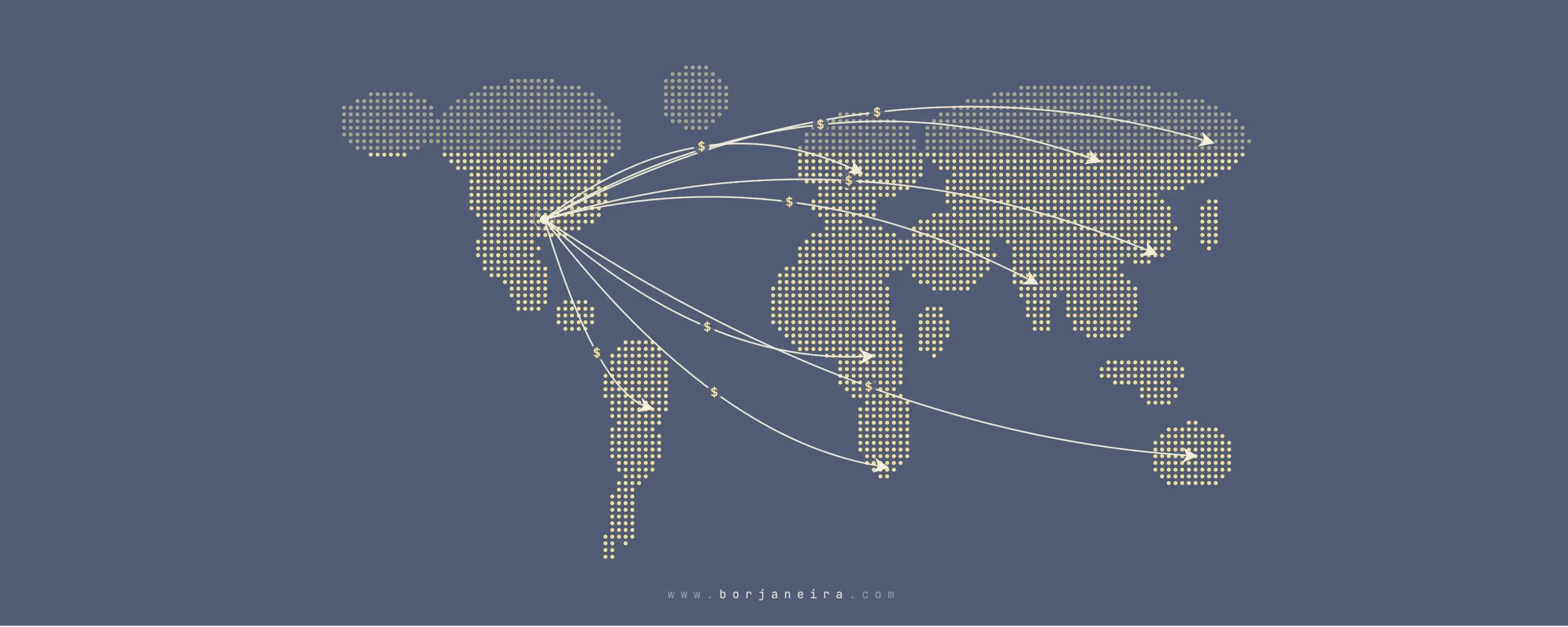
По решению суда FTX и компания Alameda запплатят кредиторам $12,7 млрд

investing.ruPublished on 2024-08-08Last updated on 2024-08-08

Happycoin.club - Судья Питер Кастел вынес постановление, согласно которому биржа-банкрот FTX и компания Alameda Research больше не смогут осуществлять покупку и продажу криптовалют через третьи лица.

Кроме этого, в постановлении суда указано, что FTX и Alameda должны выплатить, совместно и по отдельности, реституцию в размере $8,7 млрд лицам, которые понесли убытки. Соглашение предусматривает выплату $4 млрд в качестве комиссии за возврат незаконно полученного дохода.

Также генеральный директор FTX Джон Дж. Рэй III должен будет каждый квартал подавать отчёт в Комиссию по торговле товарными фьючерсами (CFTC), где будет содержаться информация о выплате средств кредиторам.

Таким образом, можно сказать, что судебная тяжба между регулятором и биржей FTX подошла к логическому завершению. И хотя раньше регулятор требовал от компаний вернуть более $52 млрд, потом в ведомстве отказались от требований по уплате ещё и гражданского штрафа.

Однако не все кредиторы довольны предложенным планом компенсации от биржи. Часть из них выразила недовольство, и окончательное голосование по плану должно состояться на следующей неделе.

Тем временем бывший глава FTX Сэм Бэнкман-Фрид продолжает отбывать наказание в федеральной американской тюрьме, где он может провести несколько десятилетий.


Читайте оригинальную статью на сайте Happycoin.club

Related Reads

Collateral Dollars: How Does a 'Second-Layer Dollar' Above Stablecoins Form?

Collateral Dollars: How Does a "Second Layer of Dollars" Form on Top of Stablecoins? Most assume stablecoins replicate Eurodollar functions, expanding the offshore dollar system. However, stablecoins primarily replace specific functions like operational dollar balances for settlement. They do not inherently create new dollar credit; they substitute existing claims. The key question is: what happens when financial intermediaries use stablecoins as collateral to create a new layer of dollar-denominated claims? This "collateral dollar" channel operates through secured lending, not direct money creation. A money-like event only occurs when a liability issued against the controlled stablecoin is funded, rolled over, or accepted at near-par value by another balance sheet. The discount (haircut) prices the gap between "effective control over the token" and "reliable convertibility to bank dollars." Elasticity stems not from the stablecoin itself but from the liability issued against it and the willingness of third-party balance sheets to treat that liability as a near-par asset. Compared to the traditional Eurodollar system—where elasticity originates from bank deposit creation—the stablecoin collateral chain is structurally different. Eurodollar deposits are credit-expansive from inception. Stablecoins are initially substitutive; elasticity emerges later if an intermediary's liability against them gains monetary acceptance. Stablecoins disrupt specific tiers of the offshore dollar system, mainly replacing operational settlement balances. They do not replace the need for full dollar balance-sheet capacity (credit lines, hedging, maturity transformation). For systemic impact, the second-layer liability must pass three tests: transferability, funding capacity, and monetary acceptance (being fundable or held at par by others). Pressure transmission also differs. In the Eurodollar system, stress moves up a hierarchy of claims. In a stablecoin collateral chain, the second-layer liability can lose its money-like status well before the underlying stablecoin faces a run, often triggered by haircut increases and margin calls that create a dynamic spiral of falling token prices and rising discounts. In conclusion, the "collateral dollar" is not the stablecoin itself. It is the second-layer liability issued against a controlled token balance that is willing to be funded and maintained at near-par value. Its existence depends on that liability surviving the leap from "token liquidity" to "bank dollar liquidity."

marsbit1h ago

Collateral Dollars: How Does a 'Second-Layer Dollar' Above Stablecoins Form?

marsbit1h ago

Trading

Spot
活动图片