Source: The Block
Original Title: 2026 DeFi Outlook
Compiled and Arranged by: BitpushNews

2025 pushed DeFi into a more mature stage, characterized by clear credit cycles, growing institutional inflows, and increasingly robust trading venues. With the return of risk appetite, on-chain credit expansion resumed in the second half of the year; the rise of RWA (Real World Asset) tokenization indicates that institutions now view blockchain infrastructure as a viable distribution channel.
Trading dynamics also shifted. Perpetual DEXs hit all-time high (ATH) trading volumes, while spot DEX activity remained relatively quiet, primarily driven by cross-chain rotations rather than net growth. Prediction markets stayed active post-election and attracted large-scale investments.
In summary, 2025 showed DeFi moving towards a more lasting equilibrium, with mature primitives and expanding institutional alliances laying the groundwork for future broad growth.
On-Chain Credit Expansion Continues
DeFi's credit engine continued to expand in 2025, albeit unevenly. The total outstanding loans across major lending protocols grew by 37.2% for the year, lagging behind the 48.1% growth rate of the stablecoin market capitalization.
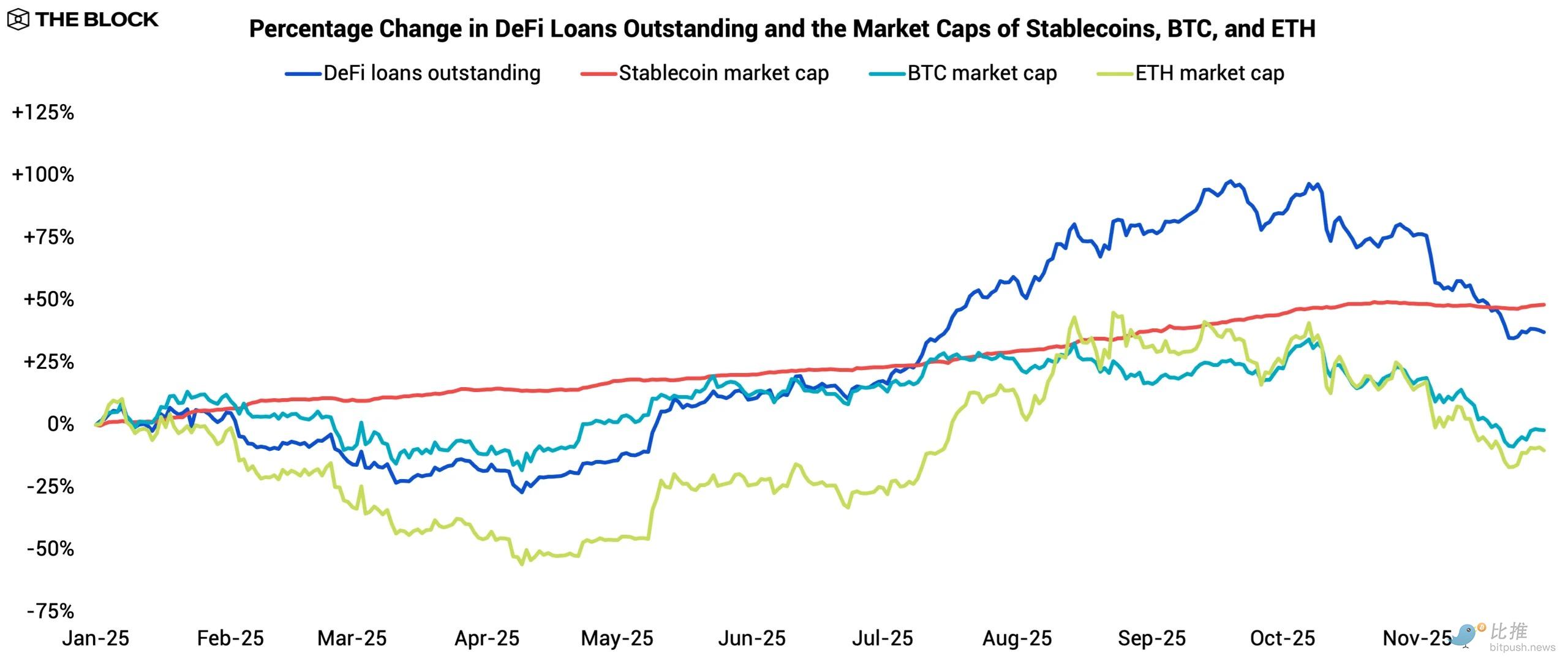
Credit contracted in the first half as borrowers remained cautious; but this trend reversed in the second half, with borrowing activity accelerating and credit growth catching up with liquidity inflows. The annual profile reflected a market shifting from risk aversion to re-engagement: leverage rebuilt as digital asset valuations rose, followed by a noticeable deleveraging process in Q4 as valuations softened.
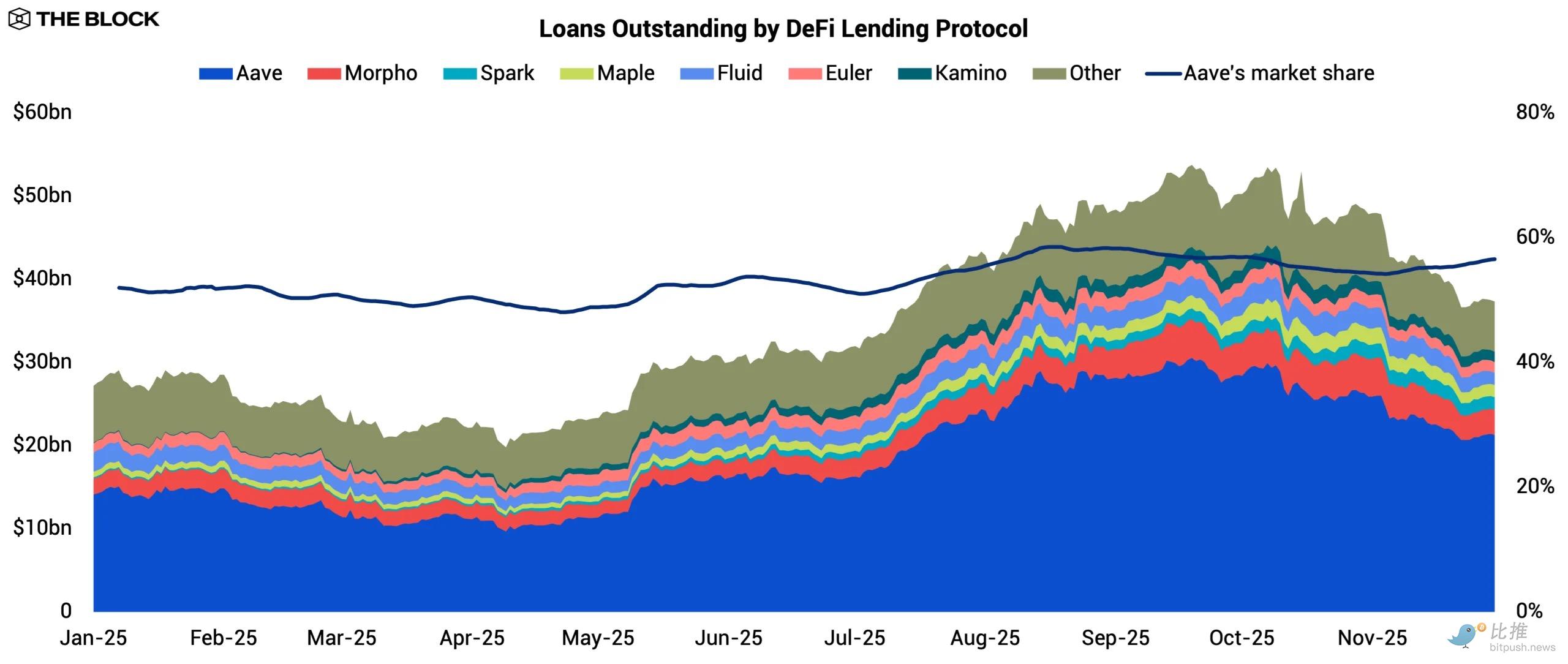
Aave consolidated its position as the dominant lending venue, with its share of total debt rising from 52.0% to 56.5%. This trend reflects Aave's ability to retain and attract borrowing activity as liquidity returned to the system. Its core strength on Ethereum remains anchored in deep liquidity, while its multi-chain strategy continues to play out. Integrations with Plasma and Linea in Q3 contributed significant activity, bringing in $1.8 billion and $190 million in borrowed liquidity respectively.
Aave is also expanding its distribution on multiple fronts. Its RWA-focused money market, Horizon, saw outstanding loans exceed $176 million, marking its formal entry into the tokenized private credit space. Meanwhile, the upcoming mobile app for retail users signals efforts to consolidate retail demand.
Meanwhile, challengers made progress. Morpho surpassed Spark, growing its outstanding loans from $1.9 billion to $3.0 billion, establishing itself as the second-largest lending protocol. Its strategy is to expand into markets served slower by Aave. Morpho currently supports 29 chains, compared to Aave's 19. On Base, it has become the largest lending market with $1.0 billion borrowed, leading Aave's $539 million.
A major catalyst was Coinbase integrating Morpho as the underlying infrastructure for its crypto-backed loan product. This distribution channel significantly accelerated Morpho's growth. Subsequently, Morpho V2 expanded into fixed-rate lending with fixed tenors, giving the protocol a differentiated product line beyond just broad coverage.
Maple was the dark horse of the year. Its outstanding loans grew eightfold, from $181 million to $1.5 billion. Maple has deep expertise in private credit supply, with strong demand for its syrupUSD pool. Users can permissionlessly deposit stablecoins and receive a yield-bearing token backed by a portfolio of short-term, over-collateralized loans to实体 businesses and lenders.
syrupUSD integrated with major DeFi protocols including Spark, Morpho, Fluid, and Pendle during 2025. Spark also allocated $610 million to the syrupUSD pool, a primary driver of its expansion. By packaging institutional private credit into accessible and liquid tokens, Maple expanded the total addressable market (TAM) for on-chain credit and captured segments other major lending protocols failed to serve effectively.
Across the industry, established lending protocols consolidated their positions, while new competitors carved out new territory. Aave expanded on multiple fronts, Morpho gained a powerful distribution channel, and Maple brought private credit on-chain by enhancing accessibility.
The result is a lending landscape that is more competitive and diverse. Looking ahead, sustained growth will require access to new borrower segments and stronger distribution channels, but ultimately remains dependent on rising digital asset valuations to provide the collateral base for further credit expansion.
Public Market RWA Crosses the Adoption Threshold
2025 was the breakout year for RWA tokenization. Stalled after the post-2022 liquidity crunch, the RWA market regained momentum. The value of tokenized public market RWAs grew from $5.6 billion to $16.7 billion, marking the sector's strongest expansion since its inception. This growth wasn't confined to a single asset class, with US Treasuries, commodities, and institutional funds all seeing significant inflows driven by different demand catalysts.
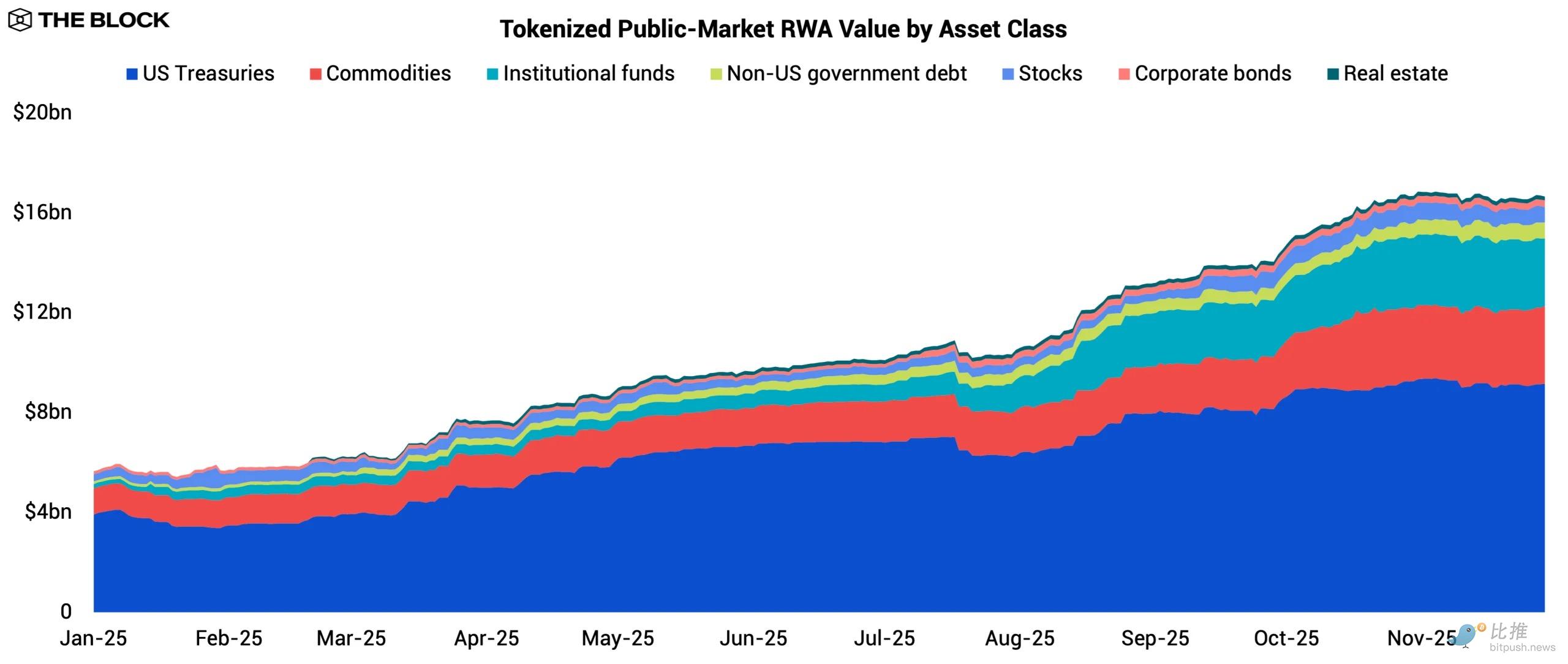
Tokenized US Treasuries remained the largest RWA category, with tokenized value rising from $3.9 billion to $9.2 billion. The star performer was BlackRock's BUIDL issued via Securitize, reaching $2.3 billion in Assets Under Management (AUM). BlackRock's presence provided a credibility anchor for institutions previously hesitant to adopt tokenized fixed-income products.
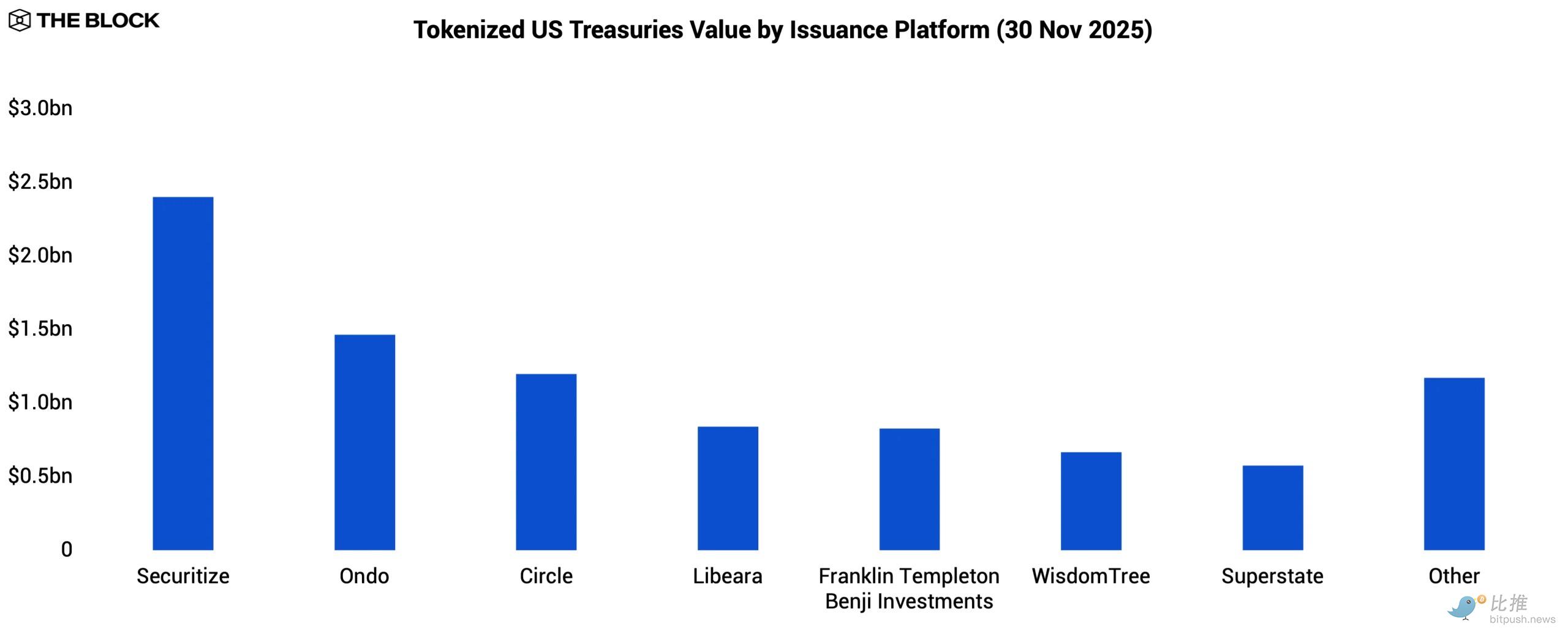
A growing number of on-chain products are now built directly on top of BUIDL. Ethena's USDtb and Ondo's OUSG both utilize BUIDL as a core reserve asset, effectively making it the back-end collateral layer for an expanding category of tokenized cash and Treasury products.
Tokenized commodities remained the second-largest category, with tokenized value nearly tripling from $1.1 billion to $3.1 billion. This expansion was primarily driven by tokenized gold products like Tether's XAUT and Paxos's PAXG. Gold's +60.7% performance for the year and its record highs attracted retail speculators seeking alternative exposure, allowing them to navigate changing macro conditions without leaving the DeFi ecosystem.
Tokenized institutional funds were the clear rising star of the year. Their tokenized value skyrocketed from $170 million to $2.7 billion as crypto-native investors began diversifying beyond digital assets. Anemoy's JAAA led this segment with $1.0 billion AUM, seeded by Grove, an institutional-grade credit infrastructure protocol within the Sky ecosystem. JAAA offers on-chain access to AAA-rated CLO tranches, aiming for capital preservation and stable yield.
Other notable tokenized funds include Superstate's USCC (offering a crypto basis trade strategy, cumulative AUM $440 million) and Blockchain Capital's digital venture fund BCAP (AUM reached $359 million). These products demonstrate that RWA tokenization can support actively managed strategies, not just passive fixed-income exposure.
Some smaller categories also gained traction but remained niche, including non-US sovereign debt, public equities, corporate bonds, and real estate. Limited liquidity and operational constraints likely keep these areas small, though early experiments suggest issuers are testing a wider range of asset classes as infrastructure matures.
The defining theme of 2025 was that tokenization finally became a distribution technology institutions were willing to use at scale. Public blockchains proved to be increasingly efficient venues for issuance, settlement, and investor access, while interoperability with major DeFi protocols enhanced the utility of tokenized RWAs beyond mere holding.
Looking ahead, continued institutional participation is likely to deepen further as the product spectrum broadens. Further integration with lending markets and on-chain treasury systems will add to the utility and appeal of RWAs, making tokenization a core pillar of digital capital markets.
Perpetual DEXs Break Records
2025 was a milestone year for on-chain derivatives. The share of perpetual trading volume on DEXs vs. CEXs (Centralized Exchanges) tripled from 6.3% to 18.7%, marking a significant shift in a market long dominated by centralized venues. This trend reflects a narrowing efficiency gap, as perpetual DEX execution speeds, liquidity depth, and overall user experience have improved enough to accommodate more professional traders. October recorded the highest on-chain derivatives volume to date, driven by the market plunge on October 10th.
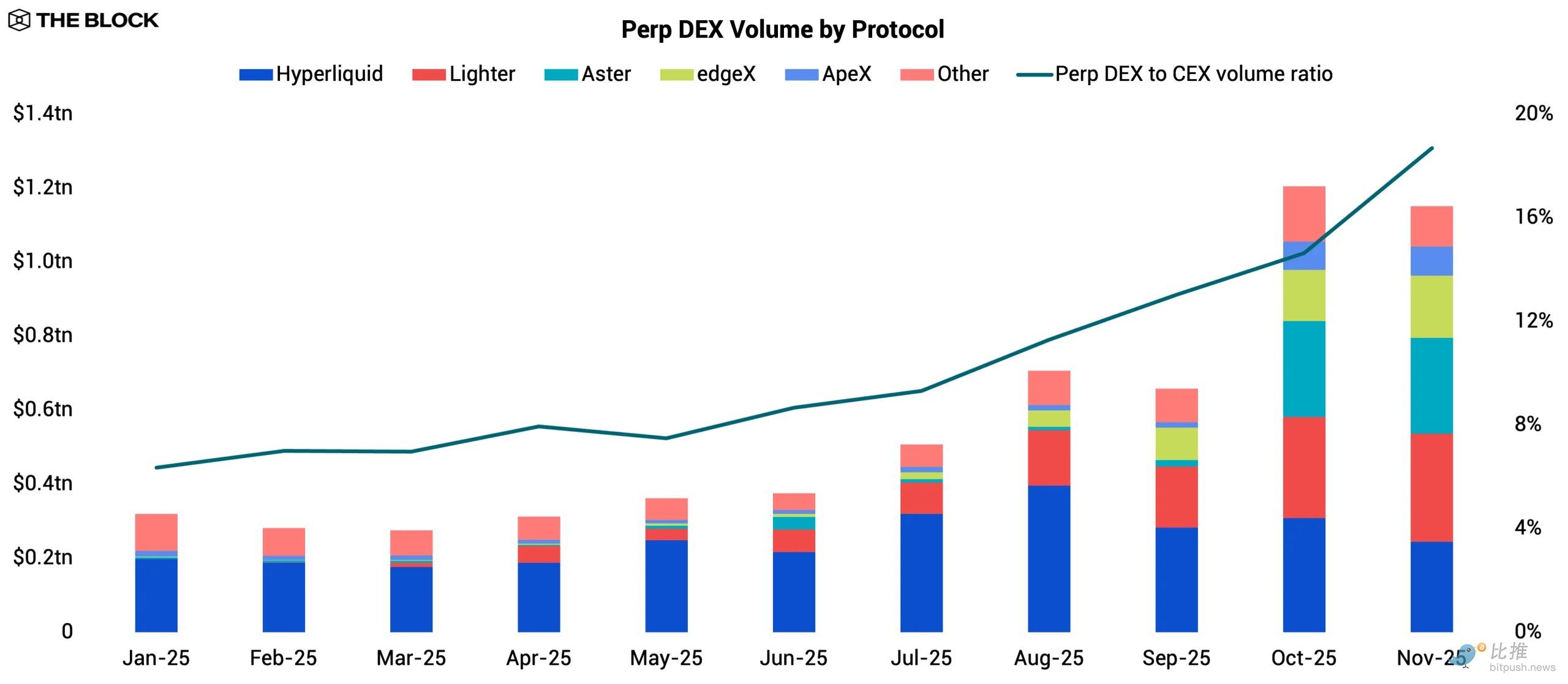
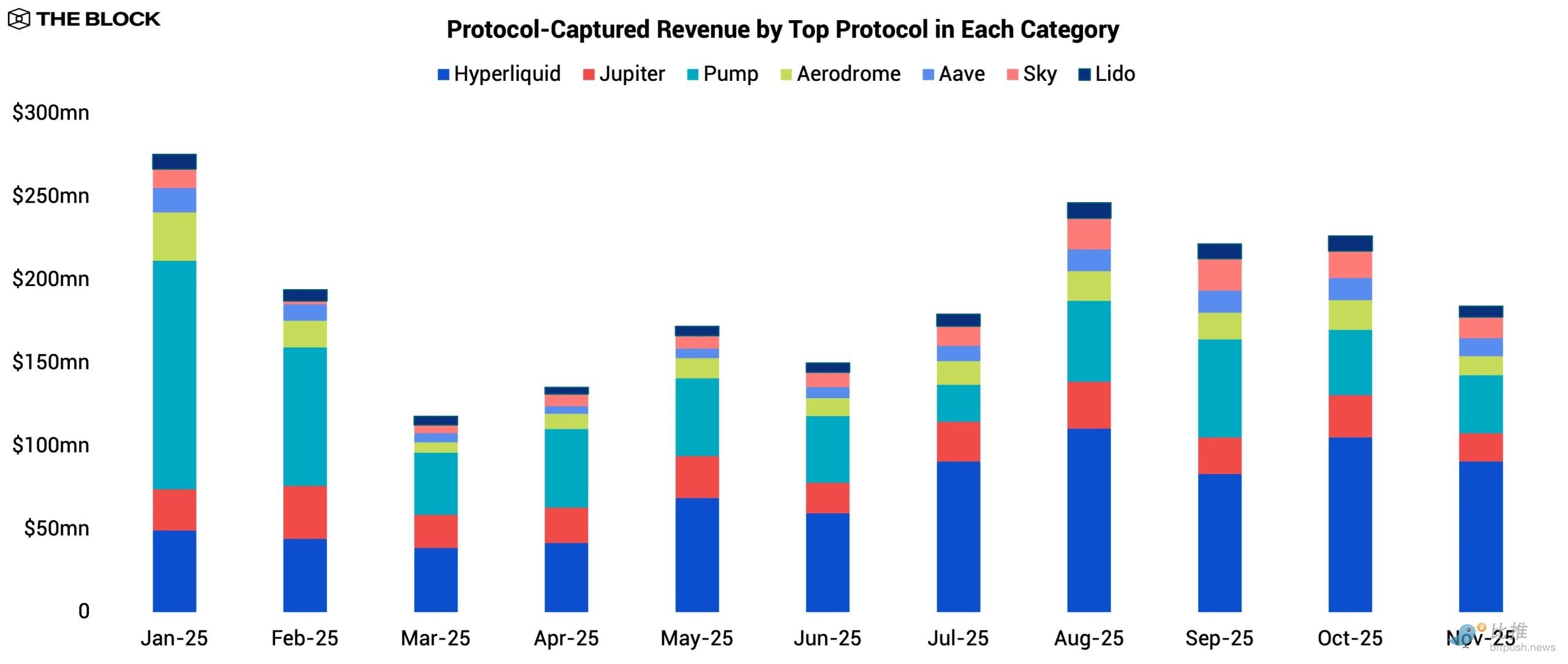
Hyperliquid was the undisputed leader among perpetual DEXs at the start of the year. Its annualized volume grew from $564.7 billion in 2024 to $3.0 trillion in 2025. Measured by protocol captured revenue (excluding supply-side revenue paid to LPs), it consistently ranked among the most profitable protocols in DeFi. Its moat was built on speed, deep organic liquidity, and a sticky user base. But by mid-year, Hyperliquid's dominance began facing real pressure from a new wave of well-funded challengers.
Lighter emerged in the second half as the most aggressive new entrant. Its "zero-fee" model attracted crypto-native traders, and its multi-phase points system, directly tied to future airdrop eligibility, attracted significant incentive hunters. Lighter capped its explosive year-end with a funding round that included rare strategic participation from Robinhood, signaling potential future integration or alignment between centralized trading apps and on-chain derivatives infrastructure.
Aster also gained traction in Q4, primarily driven by its Binance affiliation. Backed by YZi Labs (formerly Binance Labs) and tightly integrated with the BNB Chain ecosystem, Aster benefits from distribution channels few protocols can access. It also undercut Hyperliquid's trading fees by a slight margin, positioning itself as a lower-cost alternative. Its multi-phase points system, mimicking Lighter's approach, helped accelerate user acquisition. The combination of distribution, cost advantage, and incentives made Aster one of the protocols capable of challenging Hyperliquid's lead.
Across the space, the competitive landscape is intensifying. Hyperliquid remains the incumbent, but the influx of capital and incentives suggests its lead is not permanent. This dynamic resembles previous cycles, most notably the rise and fall of dYdX – early dominance doesn't always translate to permanent market share.
Looking ahead, the arms race is likely to continue. Well-funded challengers will keep leveraging low fee structures, points systems, and strategic partnerships to erode Hyperliquid's position. But this competition elevates the overall user experience and continues to narrow the gap with centralized competitors.
Prediction Markets
Following the November 2024 US Presidential election, prediction markets experienced a slowdown, with trading volumes declining in subsequent months. Even so, the election cycle showcased the potential of prediction markets to a broader audience, and despite lower overall volumes, monthly active traders on Polymarket actually increased post-election as users stayed to engage with newly listed event markets.
Trading activity rebounded heading into September 2025 with the emergence of new catalysts. This shift was driven by Kalshi's partnership with Robinhood, which opened a massive retail distribution channel; additionally, the start of major sports seasons diverted流量 to Kalshi's sports event markets.
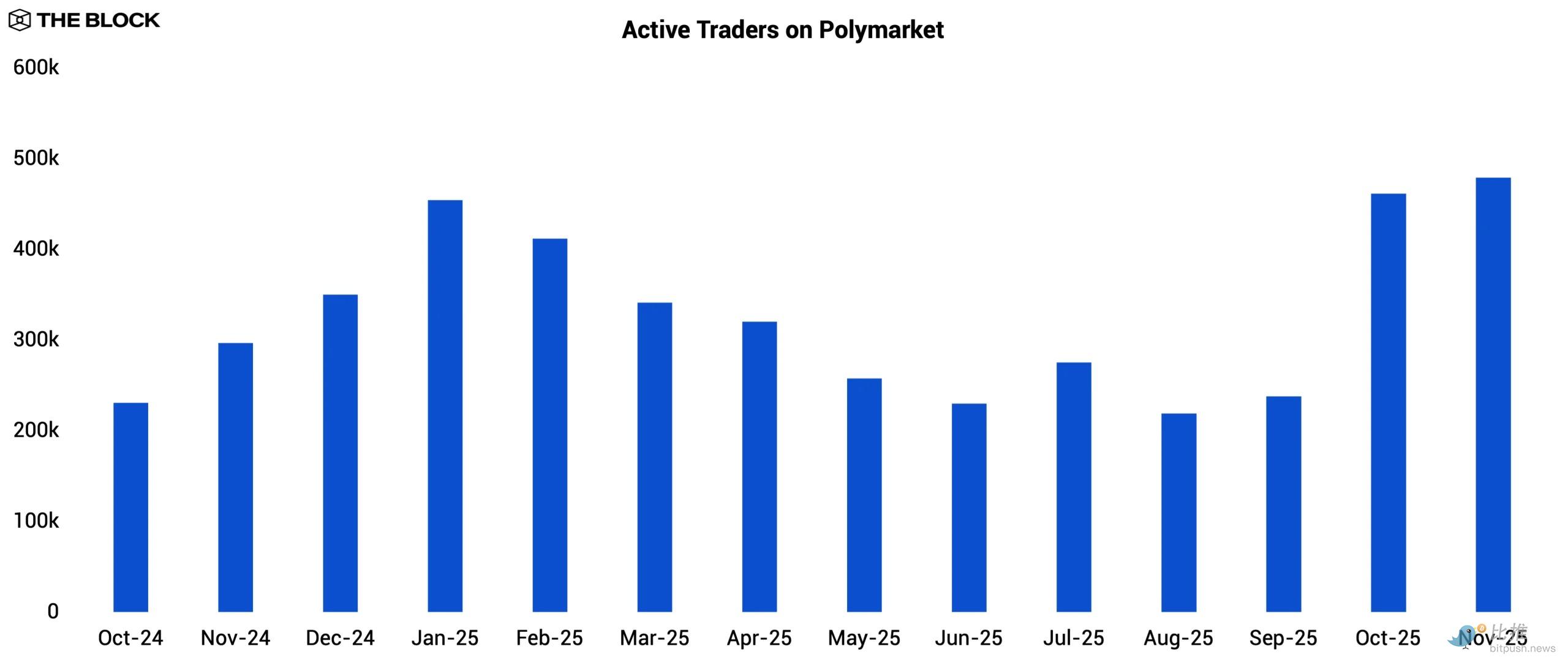
This competitive pressure seemed to prompt Polymarket to accelerate the creation of new markets starting in September to retain user engagement. Both platforms then hit records in November: Kalshi processed $5.8 billion, while Polymarket reached $1.9 billion.
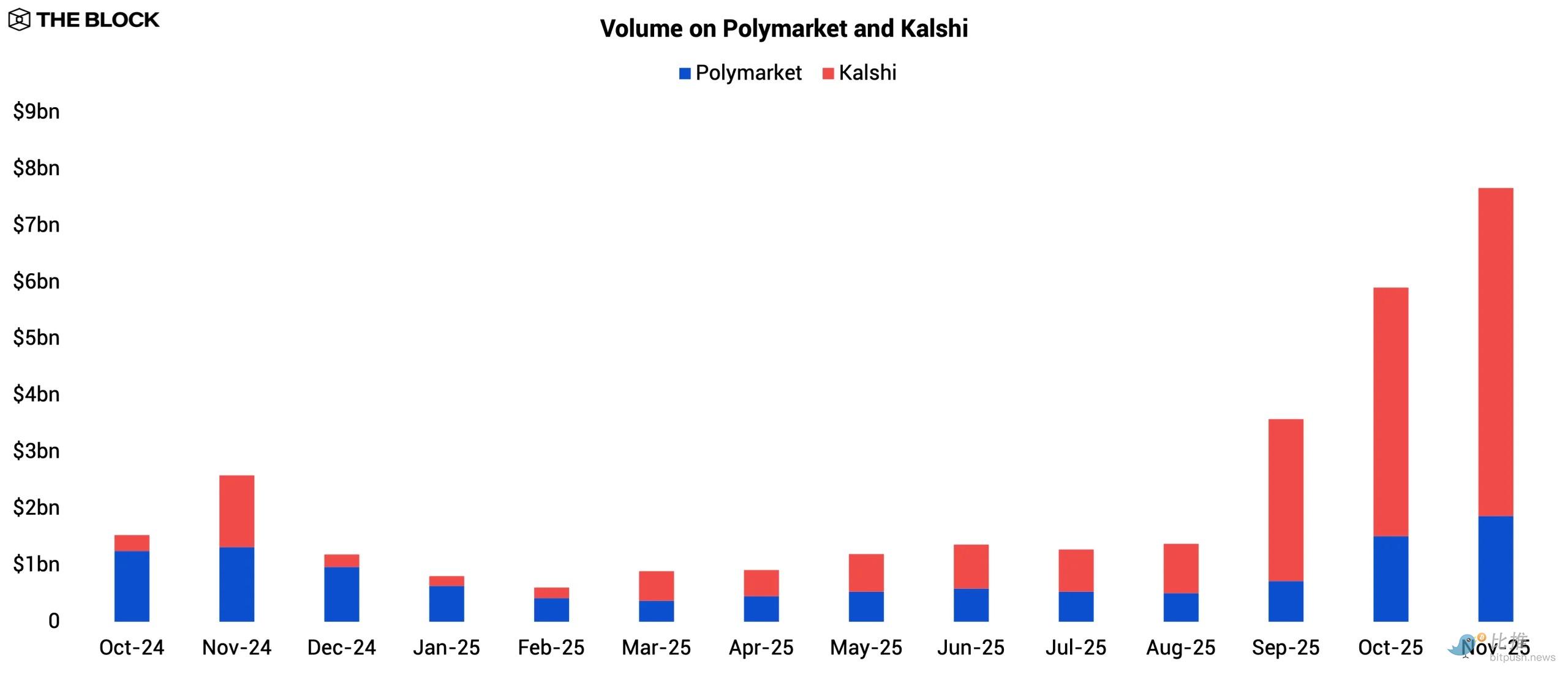
Kalshi operates as a CFTC-regulated centralized platform, while Polymarket is fully on-chain. In 2025, Polymarket acquired a CFTC-licensed derivatives exchange and clearinghouse for $112 million, allowing it to re-enter the US market after receiving CFTC approval in November.
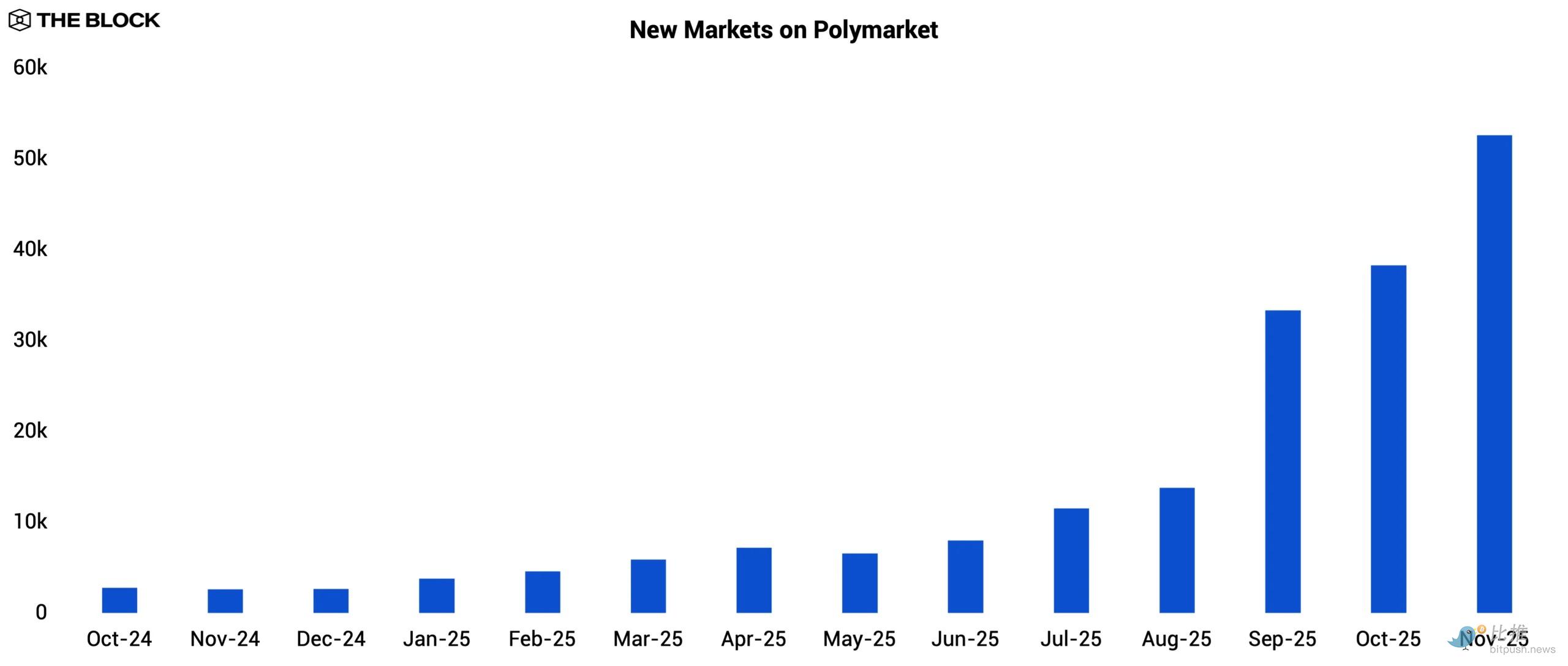
Both platforms secured massive investments in 2025, highlighting growing institutional conviction in "event contracts" as an emerging derivatives category. Polymarket raised $2.0 billion in October from Intercontinental Exchange (parent of the NYSE) at a $9.0 billion valuation. Meanwhile, Kalshi raised over $1.0 billion through multiple rounds during the year, with a latest valuation of $11.0 billion. The size and background of these investors mark an inflection point for the industry's legitimacy.
Looking ahead, these two well-capitalized giants are poised for a head-to-head showdown during the 2026 US midterm election cycle, a period typically accompanied by rising trading volumes. With enhanced balance sheets, resolved regulatory hurdles, broader distribution, and expanding product depth, the upcoming election cycle is likely to produce the largest prediction market activity to date.
Spot Trading Activity Shifts as Launchpad Hype Fades
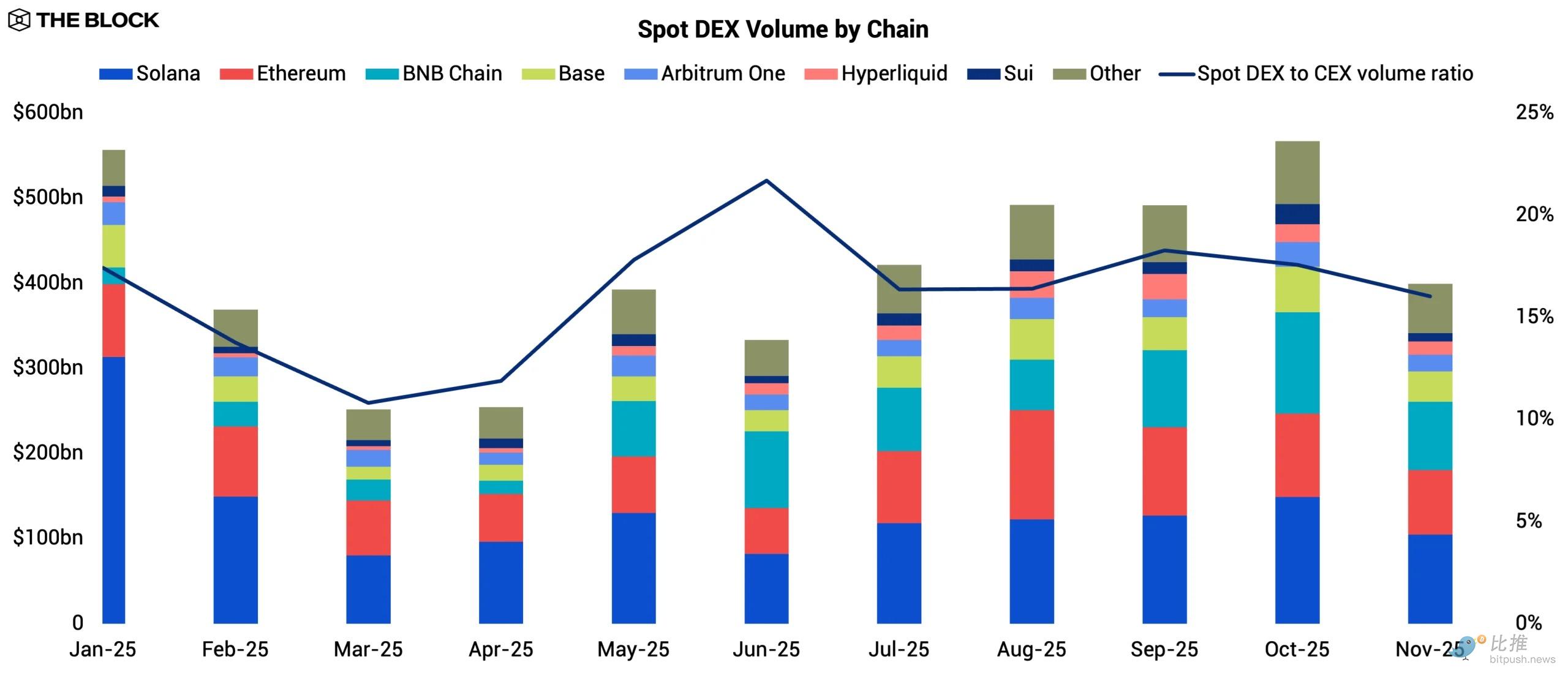
Spot DEX activity in 2025 lacked a clear upward trajectory. Volumes fluctuated throughout the year but ultimately failed to significantly outperform overall market growth. The most striking change came from chain-level rotation: Solana's monthly spot trading volume fell from $313 billion in January to $104 billion in November, a 66.7% drop marking the retreat of last year's retail-driven memecoin frenzy.
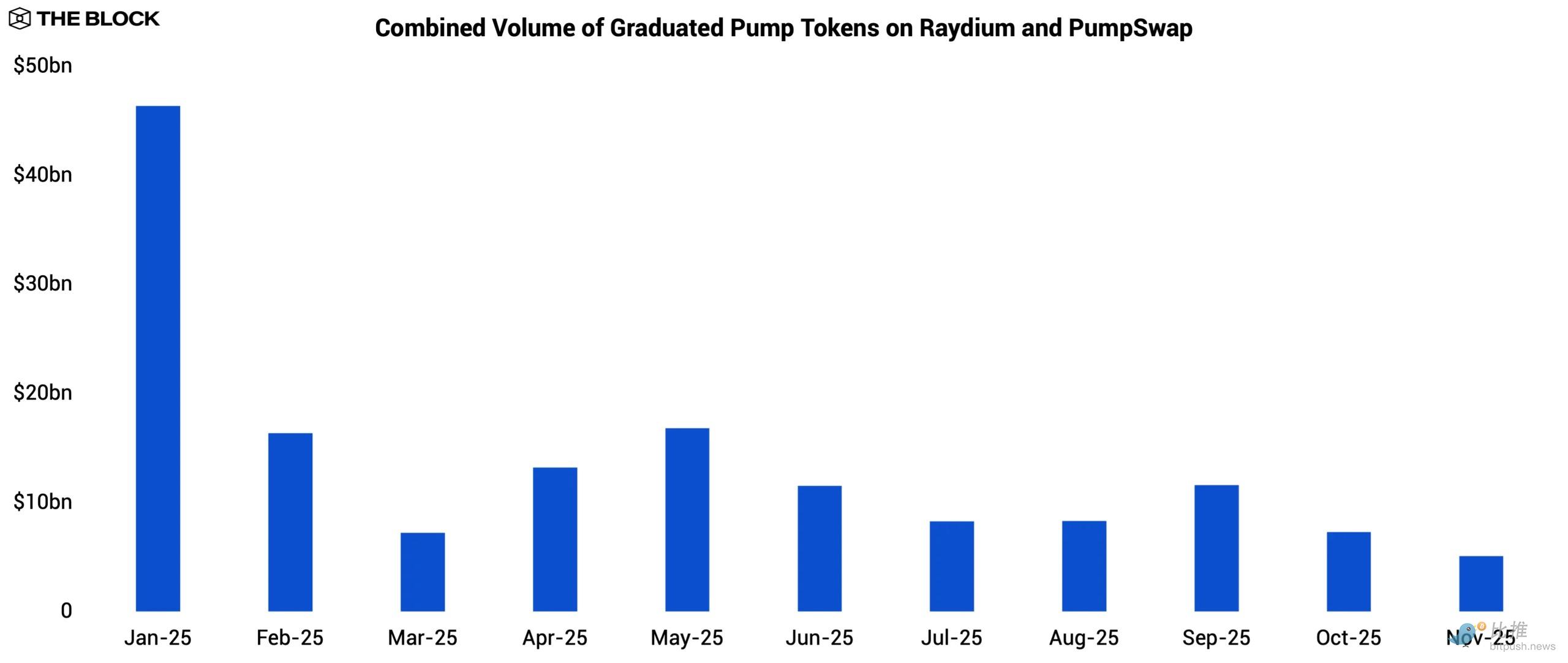
Pump.fun, the dominant token launchpad on Solana in 2024, saw trading volume for its "graduated" tokens on Raydium and PumpSwap plummet from $46.4 billion in January to $5.1 billion in November, an 89.0% decline. The collapse of retail investor enthusiasm for launchpad-incubated tokens meant the "frequent churn" cycle that drove Solana's spot DEX activity in 2024 failed to repeat on a similar scale in 2025.
Meanwhile, BNB Chain moved in the opposite direction, with its monthly spot trading volume more than quadrupling from $19.3 billion in January to $80.3 billion in November. As retail liquidity evaporated from Solana, speculative capital didn't disappear; it migrated to BNB Chain. BNB Chain absorbed a significant portion of retail speculation, its long-standing microcap trading culture showing resilience as Solana memecoins cooled.
Across the ecosystem, the DEX/CEX spot trading volume ratio remained below 20% for the year, highlighting that the structural efficiency gap for spot trading remained largely unchanged, signaling maturity in spot DEX infrastructure. The general interest in on-chain spot trading in 2025 didn't vanish; it just reshuffled. Barring a new catalyst to drive sustained token turnover, the trajectory of spot DEX activity will depend on shifts in retail sentiment shaped by broader macro conditions.
Composability Amplifies Systemic Risk
Composability has always been a defining advantage of DeFi. Protocols can integrate with each other permissionlessly, assets can be re-staked across different venues, and new financial products can be built by stacking existing primitives like modular components. It enhances capital efficiency, enables rapid innovation, and creates powerful network effects.
But it also creates tight coupling between systems. When assets or assumptions within a single protocol fail, the impact ripples throughout the ecosystem. The Stream Finance incident in November 2025 became the clearest case study of how this strength can morph into a vector for systemic risk.
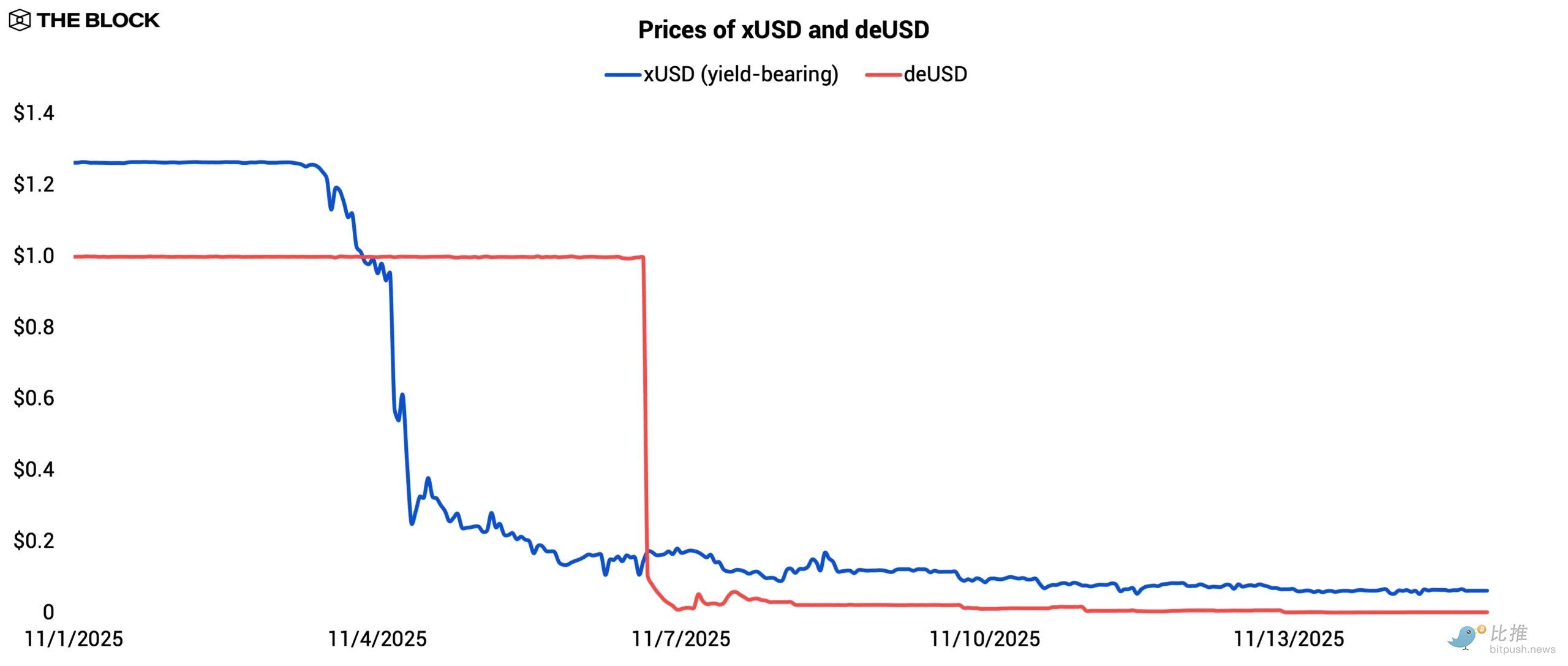
Stream allowed users to deposit assets in exchange for xUSD, a yield-bearing stablecoin purportedly backed by market-neutral strategies run by external fund managers. This assumption collapsed when one of the designated fund managers disclosed a $93 million loss executing a strategy that supposedly had minimal directional exposure, leaving xUSD severely undercollateralized. Stream immediately halted deposits and redemptions, and as confidence evaporated and liquidity fled secondary markets, xUSD began to depeg.
The depeg quickly exposed the fragility of composability. Elixir's stablecoin, deUSD, was partially backed by xUSD-denominated exposure, while xUSD itself held deUSD in its collateral basket, creating a circular collateral loop. This loop became untenable once xUSD fell below parity.
Shortly after xUSD depegged, Elixir froze minting and redemptions of deUSD, which subsequently depegged as the market repriced the interconnected risk exposure. What started as an isolated failure of an external fund manager spiraled into a multi-protocol cascade failure, simply because the two stablecoins were tightly linked through a composable collateral framework.
The contagion also spread to lending protocols. Several money markets on Morpho and Euler had hardcoded xUSD's collateral value at $1. This design was meant to prevent accidental liquidations from temporary market volatility but backfired once the depeg became sustained. Borrowers were able to take out loans collateralized by xUSD trading far below parity at its full face value, creating bad debt points the protocols were forced to absorb.
Composability is not inherently problematic, but it requires risk controls that assume "any single component can fail at any time." Looking ahead, DeFi protocols must account for cross-protocol exposure and design frameworks resilient to "black swan" events. Composability remains one of DeFi's greatest strengths, but without stronger guardrails, its efficiency at amplifying systemic risk will match its efficiency at accelerating innovation.
Outlook
The progress made in 2025 has brought DeFi into a stable expansion phase. Institutional investment in RWAs, derivatives, and prediction markets reflects growing confidence in on-chain infrastructure. These systems are nearing their centralized counterparts in execution and reliability, and the competitive focus is shifting towards distribution and regulatory positioning, not just technology.
Even so, macro conditions remain the primary driver of scale. Credit creation, market depth, and retail participation will depend on the broader liquidity environment. If global liquidity turns supportive, DeFi's mature infrastructure could translate into more sustained growth. Nonetheless, continued expansion will require stronger risk management to mitigate the systemic vulnerabilities inherent in composable ecosystems.
Twitter:https://twitter.com/BitpushNewsCN
Bitpush TG Discussion Group:https://t.me/BitPushCommunity
Bitpush TG Subscription: https://t.me/bitpush