2025 Archive: Odaily Editorial Team's Selection of Featured Articles

Odaily星球日报Published on 2026-01-05Last updated on 2026-01-05

Abstract

Odaily's 2025 Year in Review: A Selection of Key Articles The year 2025 was complex for the crypto world, marked by shifting narratives, dissolving consensus, and amplified market volatility. In this climate, Odaily published 1,770 original articles, with the editorial team selecting those that best captured critical questions and meaningful moments of the year. Key themes and selected articles include: * **Early-Year Opportunities:** Coverage of major early gains, including a personal account of a 100x return on ai16z and analyses of the phenomenon-level TRUMP token, which created millionaires. * **Regulatory Shifts:** Reports on the profound change in the U.S. regulatory landscape under the new administration and its impact on crypto policy. * **Major Events & Security:** In-depth reporting on critical incidents like the $1.5 billion Bybit hack and its subsequent crisis management. * **Market Structure & Innovation:** Analysis of evolving business models, the tokenization of real-world assets (RWA) with Robinhood's move, and the strategic maneuvers of projects like Ethena. * **In-Depth Interviews:** Profiles of key figures, including an ETH bull who held through massive gains and a look at the methods of a prominent Meme trader. * **Market Sentiment & Challenges:** Articles captured the growing industry fatigue, with pieces on declining user engagement, the struggles of Web3 workers," and the intense "airdrop hunting" landscape. * **DeFi & Systemic Risk:** ...

The year 2025 in the crypto world was not an easy one to summarize. Narratives repeatedly failed, consensus frequently collapsed, cycles became blurred, and wildly fluctuating emotions were amplified to the extreme.

Against this backdrop, writing itself became more difficult—because compared to "writing fast," it was more important to write accurately, write truthfully, and write something that can stand the test of time.

This year, the Odaily Planet Daily platform published a total of 1,770 original articles. The editorial team members selected from their own works those that raised critical questions or recorded slices of the era at the time, and which still held value or offered insights when looking back at the new year.

(Note: Many "hot events" may not be included. For an overview of the year's key moments, please refer to Odaily's previously published "4 Key Themes, Composing the 2025 Crypto Seasons' Song".)

The articles vary in perspective and style, and even the answers are not uniform, yet together they paint a true outline of 2025.

We wish our readers judgment in the face of uncertainty in 2026, the ability to find their own rhythm amidst the volatility, and may all your wishes come true!

Now, let's take a look at these representative articles:

January 8

"Confessions of an 88x Heavy Bag Diamond Hand: Why I Chose ai16z (and Sold Swarms)"

Asher(X:@Asher_ 0210 ): Have you already forgotten the AI Agent hype at the beginning of the year? This records my most successful early埋伏 (ambush), telling the true story of how I discovered ai16z and held firmly to achieve nearly a hundredfold return. Although the hype has long faded, the methodology remains, motivating myself to still believe in early埋伏 for gains in 2026.

January 18

"Who Made Over a Million Dollars on TRUMP? The Winning KOLs and the Disappointed ETH Maxis"

Wenser(X:@wenser2010): The wealth creation opportunity from TRUMP at the beginning of the year was堪称 industry-level, a landmark project. We were also among the first to盘点 (take stock of) the traders with impressive track records. Looking back now, most of the smart money remains active in the crypto circle and subsequently seized many major annual opportunities, worth long-term attention.

January 28

"Odaily Dialogues with CryptoD: TRUMP Single Coin Profit of Tens of Millions of Dollars, Starting with 1 SOL to Advance to A9 Net Worth"

Golem(X:@web3_golem): The Meme market may have receded now, but the wave of fierce competition in early 2025 is still worth revisiting. It was at that moment that Odaily interviewed Crypto D, a representative figure in the Meme field. The Meme strategies he summarized in the article are not products of emotion but冷静拆解 (calm deconstruction) of cycles, human nature, and liquidity; they will not become outdated.

February 8

"From New York to Washington, US Anti-Crypto Forces Are Facing a Comprehensive Reckoning"

Dc(X:@HanzoDC): Focuses on the fundamental changes in the US regulatory environment. After the Trump administration took office, the overall landscape of personnel reshuffles and policy shifts within major US financial regulatory agencies (including the SEC, FDIC, CFTC) and how this change reshapes the regulatory attitude towards the crypto industry. The angle found is quite special; most of the news points discussed were minor stories not heavily covered by mainstream media, but together they form a major trend. Some events were actually very interesting.

February 19

"盘点 (Inventory) of Big Crypto Money-Making Machines"

Wenser(X:@wenser2010): The business models of platforms, organizations, and projects within the circle have always been a direction I pay attention to. So, in the first half of the year, I did a simple data collection and analysis on the revenue and people efficiency of highly profitable protocols and platforms. Looking back now, CEXs and stablecoins remain the top, while the DAT model is highly dependent on market performance.

February 21

"Bull Market Black Swan: Bybit Hacked for Over $1.5 Billion in Assets, 514k ETH Dumped Directly onto the Market?"

Wenser(X:@wenser2010): The Bybit $1.5 billion asset theft shocked the industry inside and out. That night, we quickly provided in-depth tracking reporting on the event within 2 hours and witnessed a textbook-level crisis PR. The industry's ability to digest security risks and crisis events was once again verified. A very iconic security attack event.

March 8

"White House Crypto Summit: A Political Performance of Flattery and Empty Slogans (Full Live Transcript Attached)"

Dc(X:@HanzoDC): After following the conference live, I was very shocked by the empty and假大空 (false, large, and empty) nature of the meeting itself; much of it was the kind of very bureaucratic but content-less expression in English. I quickly wrote this article. It's not long, but at a time when the prevailing wind was吹捧 (praising) Trump for leading crypto, I tried to glimpse the other side.

April 19

"From Application Process to Fees, In-Depth Comparison of Ten Crypto Payment Cards"

Dc(X:@HanzoDC): Conducted a systematic evaluation and横向比较 (horizontal comparison) of ten representative crypto payment cards on the market. Spent a long time collecting information, conducting interviews, comparing domestic and international user needs and experiences, and their user feedback.

July 1

"Robinhood Rewrites the Global Trading Landscape, Tokenized Stocks Enter the Era of Dimensionality Reduction Strikes"

Leo(X:@LeoAndCrypto): Written overnight after the news broke. Robinhood's announcement of stock tokenization was one of the important moments in crypto this year. This is not just a product innovation but also marks the official move of real-world core financial assets towards scalable on-chain circulation. Crypto began to deeply介入 (intervene in) and reshape the operating methods of traditional capital markets.

July 11

"Odaily Exclusive Interview with Yi Lihua: Bottom Call ETH Holdings of 182k, Floating Profit of $130 Million, Why 'Not Selling a Single Coin'?"

DingDang(X:@XiaMiPP): Although the crypto industry was overall低迷 (sluggish), ETH indeed stood out this year, hitting a new high of $4950. Yi Lihua, as a "famous ETH bull," also attracted attention. This article was published on the eve of ETH's soaring. Although it didn't have much new content, it also had the taste of a shot in the arm at the time.

July 17

"Where is Institutional Money Flowing? Unveiling the Five Golden Tracks of This Potential 'Altcoin Season'"

DingDang(X:@XiaMiPP): At that time, DAT was emerging, and it was already possible to judge that altcoins would not repeat the patterns of the past. Instead, it would be a sector rotation led by the structural inflow of institutional funds. Attention shifted from traditional small-cap speculation to compliance, real yield, and institutional participation. Although the market trend in the following months was bleak,局部热点 (local hotspots) confirmed this characteristic.

July 25

"Deep Dive into Jia Yueting's Foray into RWA, Who is the New Director Behind the Old Actor?"

Ethan(X:@ethanzhang_web3): One of the hottest discussion sectors this year is RWA, and Jia Yueting's crossover into crypto was truly unexpected. Initially, based on the logic of the order assets he actually owned, it was predicted he would put pre-orders on-chain. But没想到 (didn't expect) Boss Jia would play it even better, separating the car and crypto, establishing separate operating systems, creating dual flywheels and dual bridges, making crypto metrics. Indeed, often the answer you think of most directly is not the final answer.

July 29

"ENA's 'Confidence Game': $260 Million Buyback to Stabilize Price, $360 Million Blood Transfusion for StablecoinX Sprinting Towards Listing"

DingDang(X:@XiaMiPP): This article tracked the "confidence game" process of Ethena/ENA, from the hundreds of millions buyback to stabilize the price, to on-chain data revealing potential selling pressure, to the strategic extension into the compliant stablecoin track and RWA布局 (layout).

August 22

"The First Batch of Post-00s Web3 Workers Have Already Started to 'Leave the Circle'"

Golem(X:@web3_golem): In mid-2025, I personally also went through a relatively difficult period. Questions about why I still stay in Web3, the meaning of making money, and even the motivation to move forward were repeatedly shaken. It was against this background that I wrote this article. It is not a grand narrative but an attempt to restore the real situation of an ordinary post-00s worker in the Web3 world: about choices, about ups and downs, and also about the reasons to stay on amidst uncertainty.

August 31

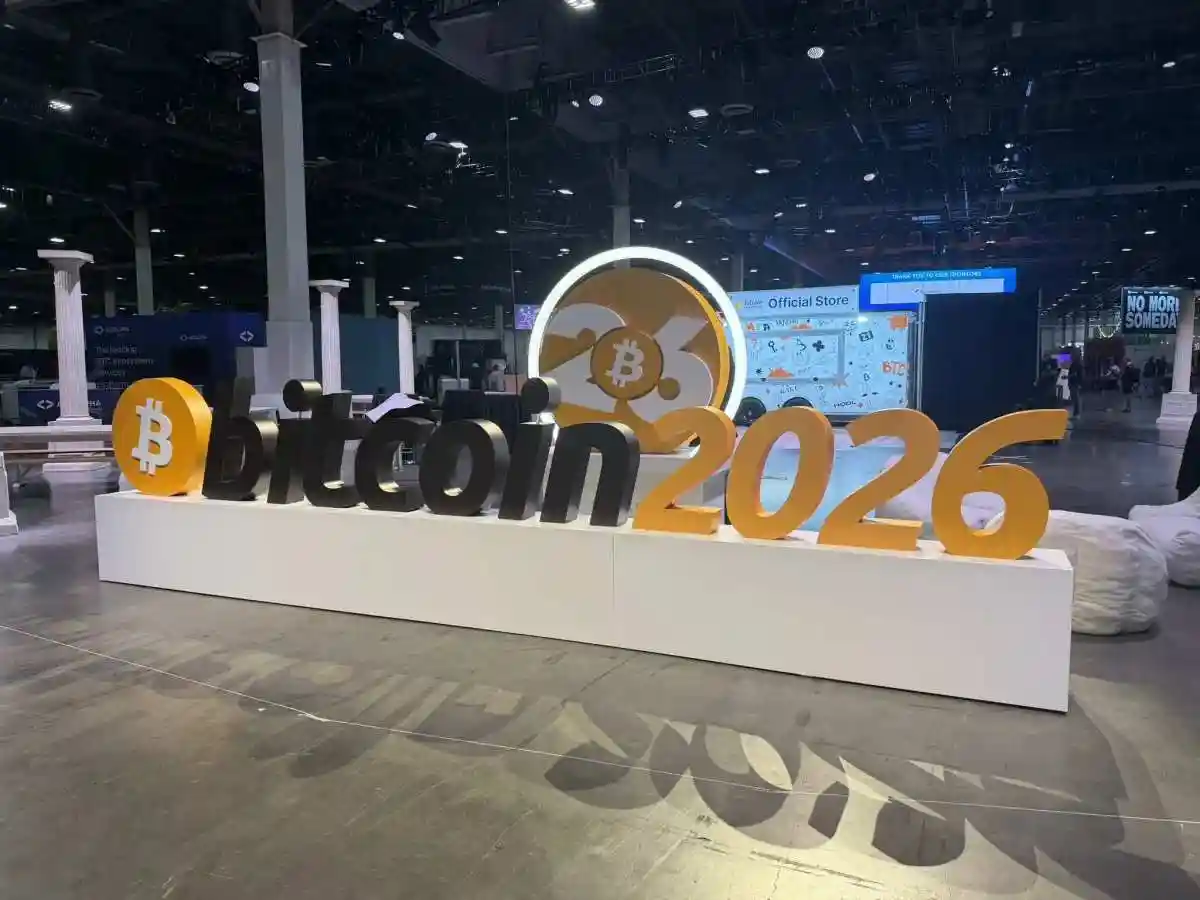
"This Year's Bitcoin Asia, Where Did Everyone Go?"

Golem(X:@web3_golem): It is a travelogue and also a record and reflection on the current state of the Bitcoin ecosystem. What I love is not yet dead.

September 9

"2025 New Prediction Market Complete Inventory (Part 1)"

"2025 New Prediction Market Complete Inventory (Part 2)"

"Odaily Selection: These Tools Can Double Your Trading Win Rate in Prediction Markets"

Leo(X:@LeoAndCrypto): Three combined into one, forming a prediction market实用手册 (practical handbook).

September 29

"Post-05 Crypto Madman Enheng: 'Binance Prince' is Just My Camouflage"

Golem(X:@web3_golem): Enheng is a young, smart, and controversial figure. As I said in the article, although not everyone's way of completing原始积累 (primitive accumulation) is glorious, a young person who uses limited resources to bet on possibilities, no matter what, deserves to be recorded.

October 16

"$15 Billion BTC Changes Hands: US DOJ Wipes Out Cambodia's Prince Group, Becomes World's Largest BTC Whale"

Ethan(X:@ethanzhang_web3): The article拆解 (deconstructed) the case of Chen Zhi. The amount involved was staggering. The most discussed voice at the time was the BTC reserve game between China and the US. Later,加上 (coupled with) the quantum attack rhetoric, it顺势成为 (naturally became) one of the triggers for the surge in privacy coins like ZEC.

October 19

"Odaily Office Trading Competition: Record of Mischief Made with the Boss's Money"

Dc(X:@HanzoDC): A record of the "internal office trading competition held by Odaily." The article records the real trading performance, position choices, and mindset changes of Odaily colleagues with an initial capital of 200 USDT over two weeks, the wins and losses, impulses, and reflections we experienced in the market.

October 30

"If This Continues, Really No One Will Trade Coins Anymore"

Wenser(X:@wenser2010): An article written after the October 11th major crash. It only points out problems, expresses emotions, gives no methods, no clear conclusions, highlighting the chronic ills of the current crypto industry. The market is facing the困境 (dilemma) of drying up increments and并存 (coexisting)存量竞争 (stock competition).

November 1

"17 Years Later, Why Do We Still Need Bitcoin?"

Dc(X:@HanzoDC): A long article summarizing the trajectory of Bitcoin's 17 years since its birth, reflecting from the perspectives of historical cycles, institutional logic, and value philosophy: while the real world continuously expands credit and debt, Bitcoin, due to its immutability and decentralization, remains a key to understanding the present and future.

November 3

"Privacy Coin Revival: From Binance Delisting Candidate to a 13x Surge, ZEC's Lightning Rebirth"

DingDang(X:@XiaMiPP): When writing this article, the market still regarded ZEC's rise as an emotional rebound; but what I wanted to emphasize was: against the backdrop of持续收紧 (continuously tightening) regulation, privacy has not disappeared but has been重新定价 (repriced) and has developed new narrative models.

November 5

"What is the Curator Role in DeFi? Could It Be a Hidden Landmine in This Cycle?"

Azuma(X:@azuma_eth): In November, on-chain security incidents entered a high-incidence period. Curators became the trigger for multiple blow-up events at the time. But when searching for information in the Chinese region, I found that basically no one had systematically written about the Curator role, which had实质上 (substantially) become a behemoth in DeFi. So I published an article to梳理 (sort out) its role, revenue logic, and risk paradox, becoming an important reference for understanding DeFi security incidents and yield strategy changes during that phase.

November 6

"The Record of 'Machi Big Brother' Going to Zero"

Ethan(X:@ethanzhang_web3): Machi,兼具 (combining) the底气 (confidence) of "infinite bullets" and the label of a "serial entrepreneur," has a story full of depth and a vivid character image. From holding the highest long position of $126 million on Hyperliquid in July,跻身 (joining the ranks of the platform's top whales, to his account彻底归零 (completely zeroed out) in November, this drama of "sudden wealth - downfall" has long been commonplace in the coin circle — everyone knows him, teases him, yet countless people still渴望 (desire) to become the next him. On the "gambling table," obsessed with "being the big brother," his outcome was perhaps predestined, but this still doesn't stop him from trying every possible way to scrape together money and continue opening positions.

November 11

"On-Chain Wealth Management, Danger! Run!"

Azuma(X:@azuma_eth): Starting from the panoramic logic of on-chain wealth management risks, it拆解 (deconstructs) how the depegging of high-yield stablecoins, the leverage amplification of curator fund pools, and the lack of regulation in lending protocols联动 (interact) to trigger systemic risks leading to large-scale withdrawal of DeFi funds. This is also why I believed the risk transmission on-chain after 10.11 was not over. I梳理 (sorted out) the judgment logic from the beginning and implemented it in my personal operations.

November 26

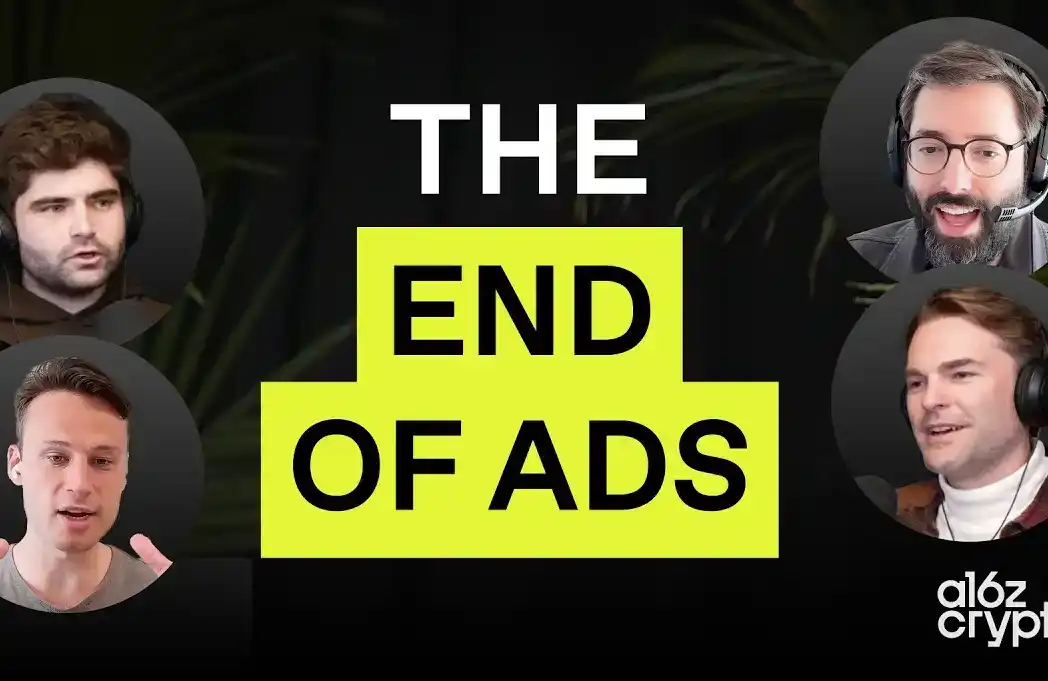
"Exclusive Reveal of Exchange User Acquisition Rules: $50 to Buy a New User"

Golem(X:@web3_golem): User growth remains a core难题 (difficult problem) that the Web3 industry cannot avoid. Even in 2026, this statement still holds true. For this reason, I interviewed the Paid Ads team of an exchange. They are trying to find the possibility of "breaking the circle" for Web3 in a way closer to mainstream internet. Perhaps one day, Web3 ads will really appear in every corner of our lives.

December 4

Why Prediction Markets Are Really Not Gambling Platforms

Xiao Hua: Attempts to explain why prediction markets are repeatedly suppressed and then pulled back to the table by capital and institutions—it challenges not the regulatory bottom line but the existing classification system. The real conflict is not about "whether it resembles gambling," but about who regulates it, who gets the taxes, and whether it counts as a financial product. This is a power and institutional game, not a moral judgment.

December 12

"2025 Airdrop Farming Survival Rules: Formerly Gold Everywhere, Now Relying Solely on These Two Trump Cards"

Asher(X:@Asher_ 0210 ): Summarizes the real process of the airdrop farming track in 2025 from "gold everywhere" to "winter involution," revealing the structural changes of sharply reduced airdrop profits, studios exiting, and the rise of new玩法 (playstyles). It is not only an annual summary of airdrop farming techniques but also a梳理 (sorting out) of the logic behind the transformation of interactive收益 (yields) in a bear market by a firsthand experiencer, along with suggestions for 2026.

December 28

"2026, Survive: A Bear Market Survival and Counterattack Manual for Crypto Practitioners"

Wenser(X:@wenser2010): 2026, survive, we are with you!

Related Questions

QWhat was the main challenge for writing about the crypto world in 2025 according to the Odaily editorial team?

AThe main challenge was that writing accurately, truthfully, and creating content that could stand the test of time became more important than writing quickly, due to the year's narrative failures, frequent consensus collapses, and amplified market volatility.

QWhich article provided a first-hand account of achieving nearly 100x returns by early investment in an AI project?

AThe article titled '88 倍重仓钻石手的自白:我为什么选择 ai16z(并卖掉 swarms)' by Asher, published on January 8th, detailed the story of discovering ai16z and holding firmly to achieve nearly a hundredfold return.

QWhat major security event involving a cryptocurrency exchange was covered in an article on February 21st?

AThe article '牛市黑天鹅:Bybit 被盗超 15 亿美元资产,51.4 万 ETH 直抛市场?' by Wenser covered the major security breach where Bybit was hacked, resulting in over $1.5 billion in assets being stolen, including 514,000 ETH potentially being dumped on the market.

QWhat significant shift in traditional finance did the July 1st article about Robinhood announce?

AThe article 'Robinhood 改写全球交易格局,股票化代币进入降维打击时代' by Leo announced that Robinhood's introduction of tokenized stocks marked a pivotal moment where real-world core financial assets began scalable on-chain circulation, deeply integrating crypto with traditional capital markets.

QAccording to the article on December 12th, how did the 'Airdrop Farming' landscape change in 2025?

AThe article '2025 撸毛生存法则:昔日遍地黄金,如今全靠这两张底牌' by Asher summarized that the airdrop farming sector shifted from being 'full of gold everywhere' to a 'winter of involution,' characterized by sharply reduced airdrop profits, studios exiting, and the rise of new gameplay strategies.

Related Reads

Trading

Spot
Futures

Hot Articles

What is SONIC

Sonic: Pioneering the Future of Gaming in Web3 Introduction to Sonic In the ever-evolving landscape of Web3, the gaming industry stands out as one of the most dynamic and promising sectors. At the forefront of this revolution is Sonic, a project designed to amplify the gaming ecosystem on the Solana blockchain. Leveraging cutting-edge technology, Sonic aims to deliver an unparalleled gaming experience by efficiently processing millions of requests per second, ensuring that players enjoy seamless gameplay while maintaining low transaction costs. This article delves into the intricate details of Sonic, exploring its creators, funding sources, operational mechanics, and the timeline of significant events that have shaped its journey. What is Sonic? Sonic is an innovative layer-2 network that operates atop the Solana blockchain, specifically tailored to enhance the existing Solana gaming ecosystem. It accomplishes this through a customised, VM-agnostic game engine paired with a HyperGrid interpreter, facilitating sovereign game economies that roll up back to the Solana platform. The primary goals of Sonic include: Enhanced Gaming Experiences: Sonic is committed to offering lightning-fast on-chain gameplay, allowing players and developers to engage with games at previously unattainable speeds. Atomic Interoperability: This feature enables transactions to be executed within Sonic without the need to redeploy Solana programmes and accounts. This makes the process more efficient and directly benefits from Solana Layer1 services and liquidity. Seamless Deployment: Sonic allows developers to write for Ethereum Virtual Machine (EVM) based systems and execute them on Solana’s SVM infrastructure. This interoperability is crucial for attracting a broader range of dApps and decentralised applications to the platform. Support for Developers: By offering native composable gaming primitives and extensible data types - dining within the Entity-Component-System (ECS) framework - game creators can craft intricate business logic with ease. Overall, Sonic's unique approach not only caters to players but also provides an accessible and low-cost environment for developers to innovate and thrive. Creator of Sonic The information regarding the creator of Sonic is somewhat ambiguous. However, it is known that Sonic's SVM is owned by the company Mirror World. The absence of detailed information about the individuals behind Sonic reflects a common trend in several Web3 projects, where collective efforts and partnerships often overshadow individual contributions. Investors of Sonic Sonic has garnered considerable attention and support from various investors within the crypto and gaming sectors. Notably, the project raised an impressive $12 million during its Series A funding round. The round was led by BITKRAFT Ventures, with other notable investors including Galaxy, Okx Ventures, Interactive, Big Brain Holdings, and Mirana. This financial backing signifies the confidence that investment foundations have in Sonic’s potential to revolutionise the Web3 gaming landscape, further validating its innovative approaches and technologies. How Does Sonic Work? Sonic utilises the HyperGrid framework, a sophisticated parallel processing mechanism that enhances its scalability and customisability. Here are the core features that set Sonic apart: Lightning Speed at Low Costs: Sonic offers one of the fastest on-chain gaming experiences compared to other Layer-1 solutions, powered by the scalability of Solana’s virtual machine (SVM). Atomic Interoperability: Sonic enables transaction execution without redeployment of Solana programmes and accounts, effectively streamlining the interaction between users and the blockchain. EVM Compatibility: Developers can effortlessly migrate decentralised applications from EVM chains to the Solana environment using Sonic’s HyperGrid interpreter, increasing the accessibility and integration of various dApps. Ecosystem Support for Developers: By exposing native composable gaming primitives, Sonic facilitates a sandbox-like environment where developers can experiment and implement business logic, greatly enhancing the overall development experience. Monetisation Infrastructure: Sonic natively supports growth and monetisation efforts, providing frameworks for traffic generation, payments, and settlements, thereby ensuring that gaming projects are not only viable but also sustainable financially. Timeline of Sonic The evolution of Sonic has been marked by several key milestones. Below is a brief timeline highlighting critical events in the project's history: 2022: The Sonic cryptocurrency was officially launched, marking the beginning of its journey in the Web3 gaming arena. 2024: June: Sonic SVM successfully raised $12 million in a Series A funding round. This investment allowed Sonic to further develop its platform and expand its offerings. August: The launch of the Sonic Odyssey testnet provided users with the first opportunity to engage with the platform, offering interactive activities such as collecting rings—a nod to gaming nostalgia. October: SonicX, an innovative crypto game integrated with Solana, made its debut on TikTok, capturing the attention of over 120,000 users within a short span. This integration illustrated Sonic’s commitment to reaching a broader, global audience and showcased the potential of blockchain gaming. Key Points Sonic SVM is a revolutionary layer-2 network on Solana explicitly designed to enhance the GameFi landscape, demonstrating great potential for future development. HyperGrid Framework empowers Sonic by introducing horizontal scaling capabilities, ensuring that the network can handle the demands of Web3 gaming. Integration with Social Platforms: The successful launch of SonicX on TikTok displays Sonic’s strategy to leverage social media platforms to engage users, exponentially increasing the exposure and reach of its projects. Investment Confidence: The substantial funding from BITKRAFT Ventures, among others, emphasizes the robust backing Sonic has, paving the way for its ambitious future. In conclusion, Sonic encapsulates the essence of Web3 gaming innovation, striking a balance between cutting-edge technology, developer-centric tools, and community engagement. As the project continues to evolve, it is poised to redefine the gaming landscape, making it a notable entity for gamers and developers alike. As Sonic moves forward, it will undoubtedly attract greater interest and participation, solidifying its place within the broader narrative of blockchain gaming.

1.3k Total ViewsPublished 2024.04.04Updated 2024.12.03

What is SONIC

What is $S$

Understanding SPERO: A Comprehensive Overview Introduction to SPERO As the landscape of innovation continues to evolve, the emergence of web3 technologies and cryptocurrency projects plays a pivotal role in shaping the digital future. One project that has garnered attention in this dynamic field is SPERO, denoted as SPERO,$$s$. This article aims to gather and present detailed information about SPERO, to help enthusiasts and investors understand its foundations, objectives, and innovations within the web3 and crypto domains. What is SPERO,$$s$? SPERO,$$s$ is a unique project within the crypto space that seeks to leverage the principles of decentralisation and blockchain technology to create an ecosystem that promotes engagement, utility, and financial inclusion. The project is tailored to facilitate peer-to-peer interactions in new ways, providing users with innovative financial solutions and services. At its core, SPERO,$$s$ aims to empower individuals by providing tools and platforms that enhance user experience in the cryptocurrency space. This includes enabling more flexible transaction methods, fostering community-driven initiatives, and creating pathways for financial opportunities through decentralised applications (dApps). The underlying vision of SPERO,$$s$ revolves around inclusiveness, aiming to bridge gaps within traditional finance while harnessing the benefits of blockchain technology. Who is the Creator of SPERO,$$s$? The identity of the creator of SPERO,$$s$ remains somewhat obscure, as there are limited publicly available resources providing detailed background information on its founder(s). This lack of transparency can stem from the project's commitment to decentralisation—an ethos that many web3 projects share, prioritising collective contributions over individual recognition. By centring discussions around the community and its collective goals, SPERO,$$s$ embodies the essence of empowerment without singling out specific individuals. As such, understanding the ethos and mission of SPERO remains more important than identifying a singular creator. Who are the Investors of SPERO,$$s$? SPERO,$$s$ is supported by a diverse array of investors ranging from venture capitalists to angel investors dedicated to fostering innovation in the crypto sector. The focus of these investors generally aligns with SPERO's mission—prioritising projects that promise societal technological advancement, financial inclusivity, and decentralised governance. These investor foundations are typically interested in projects that not only offer innovative products but also contribute positively to the blockchain community and its ecosystems. The backing from these investors reinforces SPERO,$$s$ as a noteworthy contender in the rapidly evolving domain of crypto projects. How Does SPERO,$$s$ Work? SPERO,$$s$ employs a multi-faceted framework that distinguishes it from conventional cryptocurrency projects. Here are some of the key features that underline its uniqueness and innovation: Decentralised Governance: SPERO,$$s$ integrates decentralised governance models, empowering users to participate actively in decision-making processes regarding the project’s future. This approach fosters a sense of ownership and accountability among community members. Token Utility: SPERO,$$s$ utilises its own cryptocurrency token, designed to serve various functions within the ecosystem. These tokens enable transactions, rewards, and the facilitation of services offered on the platform, enhancing overall engagement and utility. Layered Architecture: The technical architecture of SPERO,$$s$ supports modularity and scalability, allowing for seamless integration of additional features and applications as the project evolves. This adaptability is paramount for sustaining relevance in the ever-changing crypto landscape. Community Engagement: The project emphasises community-driven initiatives, employing mechanisms that incentivise collaboration and feedback. By nurturing a strong community, SPERO,$$s$ can better address user needs and adapt to market trends. Focus on Inclusion: By offering low transaction fees and user-friendly interfaces, SPERO,$$s$ aims to attract a diverse user base, including individuals who may not previously have engaged in the crypto space. This commitment to inclusion aligns with its overarching mission of empowerment through accessibility. Timeline of SPERO,$$s$ Understanding a project's history provides crucial insights into its development trajectory and milestones. Below is a suggested timeline mapping significant events in the evolution of SPERO,$$s$: Conceptualisation and Ideation Phase: The initial ideas forming the basis of SPERO,$$s$ were conceived, aligning closely with the principles of decentralisation and community focus within the blockchain industry. Launch of Project Whitepaper: Following the conceptual phase, a comprehensive whitepaper detailing the vision, goals, and technological infrastructure of SPERO,$$s$ was released to garner community interest and feedback. Community Building and Early Engagements: Active outreach efforts were made to build a community of early adopters and potential investors, facilitating discussions around the project’s goals and garnering support. Token Generation Event: SPERO,$$s$ conducted a token generation event (TGE) to distribute its native tokens to early supporters and establish initial liquidity within the ecosystem. Launch of Initial dApp: The first decentralised application (dApp) associated with SPERO,$$s$ went live, allowing users to engage with the platform's core functionalities. Ongoing Development and Partnerships: Continuous updates and enhancements to the project's offerings, including strategic partnerships with other players in the blockchain space, have shaped SPERO,$$s$ into a competitive and evolving player in the crypto market. Conclusion SPERO,$$s$ stands as a testament to the potential of web3 and cryptocurrency to revolutionise financial systems and empower individuals. With a commitment to decentralised governance, community engagement, and innovatively designed functionalities, it paves the way toward a more inclusive financial landscape. As with any investment in the rapidly evolving crypto space, potential investors and users are encouraged to research thoroughly and engage thoughtfully with the ongoing developments within SPERO,$$s$. The project showcases the innovative spirit of the crypto industry, inviting further exploration into its myriad possibilities. While the journey of SPERO,$$s$ is still unfolding, its foundational principles may indeed influence the future of how we interact with technology, finance, and each other in interconnected digital ecosystems.

54 Total ViewsPublished 2024.12.17Updated 2024.12.17

What is $S$

What is AGENT S

Agent S: The Future of Autonomous Interaction in Web3 Introduction In the ever-evolving landscape of Web3 and cryptocurrency, innovations are constantly redefining how individuals interact with digital platforms. One such pioneering project, Agent S, promises to revolutionise human-computer interaction through its open agentic framework. By paving the way for autonomous interactions, Agent S aims to simplify complex tasks, offering transformative applications in artificial intelligence (AI). This detailed exploration will delve into the project's intricacies, its unique features, and the implications for the cryptocurrency domain. What is Agent S? Agent S stands as a groundbreaking open agentic framework, specifically designed to tackle three fundamental challenges in the automation of computer tasks: Acquiring Domain-Specific Knowledge: The framework intelligently learns from various external knowledge sources and internal experiences. This dual approach empowers it to build a rich repository of domain-specific knowledge, enhancing its performance in task execution. Planning Over Long Task Horizons: Agent S employs experience-augmented hierarchical planning, a strategic approach that facilitates efficient breakdown and execution of intricate tasks. This feature significantly enhances its ability to manage multiple subtasks efficiently and effectively. Handling Dynamic, Non-Uniform Interfaces: The project introduces the Agent-Computer Interface (ACI), an innovative solution that enhances the interaction between agents and users. Utilizing Multimodal Large Language Models (MLLMs), Agent S can navigate and manipulate diverse graphical user interfaces seamlessly. Through these pioneering features, Agent S provides a robust framework that addresses the complexities involved in automating human interaction with machines, setting the stage for myriad applications in AI and beyond. Who is the Creator of Agent S? While the concept of Agent S is fundamentally innovative, specific information about its creator remains elusive. The creator is currently unknown, which highlights either the nascent stage of the project or the strategic choice to keep founding members under wraps. Regardless of anonymity, the focus remains on the framework's capabilities and potential. Who are the Investors of Agent S? As Agent S is relatively new in the cryptographic ecosystem, detailed information regarding its investors and financial backers is not explicitly documented. The lack of publicly available insights into the investment foundations or organisations supporting the project raises questions about its funding structure and development roadmap. Understanding the backing is crucial for gauging the project's sustainability and potential market impact. How Does Agent S Work? At the core of Agent S lies cutting-edge technology that enables it to function effectively in diverse settings. Its operational model is built around several key features: Human-like Computer Interaction: The framework offers advanced AI planning, striving to make interactions with computers more intuitive. By mimicking human behaviour in tasks execution, it promises to elevate user experiences. Narrative Memory: Employed to leverage high-level experiences, Agent S utilises narrative memory to keep track of task histories, thereby enhancing its decision-making processes. Episodic Memory: This feature provides users with step-by-step guidance, allowing the framework to offer contextual support as tasks unfold. Support for OpenACI: With the ability to run locally, Agent S allows users to maintain control over their interactions and workflows, aligning with the decentralised ethos of Web3. Easy Integration with External APIs: Its versatility and compatibility with various AI platforms ensure that Agent S can fit seamlessly into existing technological ecosystems, making it an appealing choice for developers and organisations. These functionalities collectively contribute to Agent S's unique position within the crypto space, as it automates complex, multi-step tasks with minimal human intervention. As the project evolves, its potential applications in Web3 could redefine how digital interactions unfold. Timeline of Agent S The development and milestones of Agent S can be encapsulated in a timeline that highlights its significant events: September 27, 2024: The concept of Agent S was launched in a comprehensive research paper titled “An Open Agentic Framework that Uses Computers Like a Human,” showcasing the groundwork for the project. October 10, 2024: The research paper was made publicly available on arXiv, offering an in-depth exploration of the framework and its performance evaluation based on the OSWorld benchmark. October 12, 2024: A video presentation was released, providing a visual insight into the capabilities and features of Agent S, further engaging potential users and investors. These markers in the timeline not only illustrate the progress of Agent S but also indicate its commitment to transparency and community engagement. Key Points About Agent S As the Agent S framework continues to evolve, several key attributes stand out, underscoring its innovative nature and potential: Innovative Framework: Designed to provide an intuitive use of computers akin to human interaction, Agent S brings a novel approach to task automation. Autonomous Interaction: The ability to interact autonomously with computers through GUI signifies a leap towards more intelligent and efficient computing solutions. Complex Task Automation: With its robust methodology, it can automate complex, multi-step tasks, making processes faster and less error-prone. Continuous Improvement: The learning mechanisms enable Agent S to improve from past experiences, continually enhancing its performance and efficacy. Versatility: Its adaptability across different operating environments like OSWorld and WindowsAgentArena ensures that it can serve a broad range of applications. As Agent S positions itself in the Web3 and crypto landscape, its potential to enhance interaction capabilities and automate processes signifies a significant advancement in AI technologies. Through its innovative framework, Agent S exemplifies the future of digital interactions, promising a more seamless and efficient experience for users across various industries. Conclusion Agent S represents a bold leap forward in the marriage of AI and Web3, with the capacity to redefine how we interact with technology. While still in its early stages, the possibilities for its application are vast and compelling. Through its comprehensive framework addressing critical challenges, Agent S aims to bring autonomous interactions to the forefront of the digital experience. As we move deeper into the realms of cryptocurrency and decentralisation, projects like Agent S will undoubtedly play a crucial role in shaping the future of technology and human-computer collaboration.

572 Total ViewsPublished 2025.01.14Updated 2025.01.14

What is AGENT S

Discussions

Welcome to the HTX Community. Here, you can stay informed about the latest platform developments and gain access to professional market insights. Users' opinions on the price of S (S) are presented below.

活动图片