ERC-404:NFT能否在Web3游戏中获得重生?

Odaily星球日报Published on 2024-02-27Last updated on 2024-02-27

Abstract

共享所有权和社区驱动经济在Web3游戏中的潜力是不可否认的,而ERC-404凭借其独特的属性,可以成为关键的推动者。

最近,ERC-404 代币标准引发关注,褒贬不一。

一方面,其兼具可替代性和不可替代性的创新组合令人兴奋;另一方面,其实验性质和不稳定的市场表现也备受争议。毋庸置疑的是,仅凭最初的炒作或价格波动来判断 ERC-404 是片面的。它现在需要的是实际的应用来证明其价值并推动更广泛的采用。

这就是 ERC-404 和 Web3 游戏令人兴奋的交叉点所在,这两种技术都具有天然的协同性。Web3 游戏以社区和共享所有权为荣,而 ERC-404 则促进 NFT 的“流动化”,非常适合游戏内资产的分割或代表社区对虚拟产物的所有权。

让我们来看看这个结合的一个最新案例研究:《Project Matthew》是一款太空建设模拟游戏,作为太空生活的先驱者,玩家将有机会设计和管理自己的工业工厂、开采资源、建造机器人协助工厂工作并对抗星际势力,甚至从零开始建造自己的外星城市。知名游戏开发商 BinaryX 宣布他们与《Project Matthew》的团队合作,将把 ERC-404 代币结合到《Project Matthew》中。

传统游戏资产出售方式之一是推出 NFT,而 Project Matthew 为玩家提供了拥有非同质化代币 (NFT) 和同质化代币 (FT) 双重特性的 ERC-404 代币。游戏玩家持有 404 代币相当于同时持有了 NFT 和 FT 代币。其 NFT 拥有长期空投权益;玩家也可以利用交易重新生成 NFT ,来改变自己的 NFT 稀有度,从而获得更高的空投机会。玩家也可以将 FT 兑换为游戏内资产,并销毁对应 NFT;这一动作将减少 NFT 总数,并提高他人的空投的收益。

ERC 404 极大增强了 NFT 的流动性,且为未来的所有权开辟了不同的可能性,包括土地、建筑和资源的共享所有权和收益率,促进了合作、社区意识,并将游戏开放给更广泛的受众,同时又不影响拥有自己游戏资产的拥有权。

这只是一个例子,ERC-404 的可能性远不如此。公会可以利用碎片化的 ERC-404 NFT 来管理共享资产和奖励公会成员。游戏可以使用它们创建动态的可替代游戏内货币以及可交易的 NFT。更关键的是 ERC-404 使开发人员能够创建新的所有权模型,并在其游戏中培养更深层次的社区参与。

当然,ERC-404 还处于早期阶段。它需要时间成熟,需要更稳固的技术标准,最重要的是需要成功的应用案例来建立社区的信任和理解,将其仅仅视为炒作绝对是不够严谨的。共享所有权和社区驱动经济在 Web3 游戏中的潜力是不可否认的,而 ERC-404 凭借其独特的属性,可以成为关键的推动者。

超越最初的热潮,ERC-404 可能只需专注于构建有影响力的应用,即可以找到立足之地。只有这样,我们才能真正评估 ERC-404 的潜力,并释放其塑造 Web3 游戏领域共享社区和所有权模型未来的力量。
Related Reads

27-Year Reign Ends: SK Hynix Market Cap Surpasses Samsung for First Time, an AI-Driven Reshuffle of Korean Chip Power

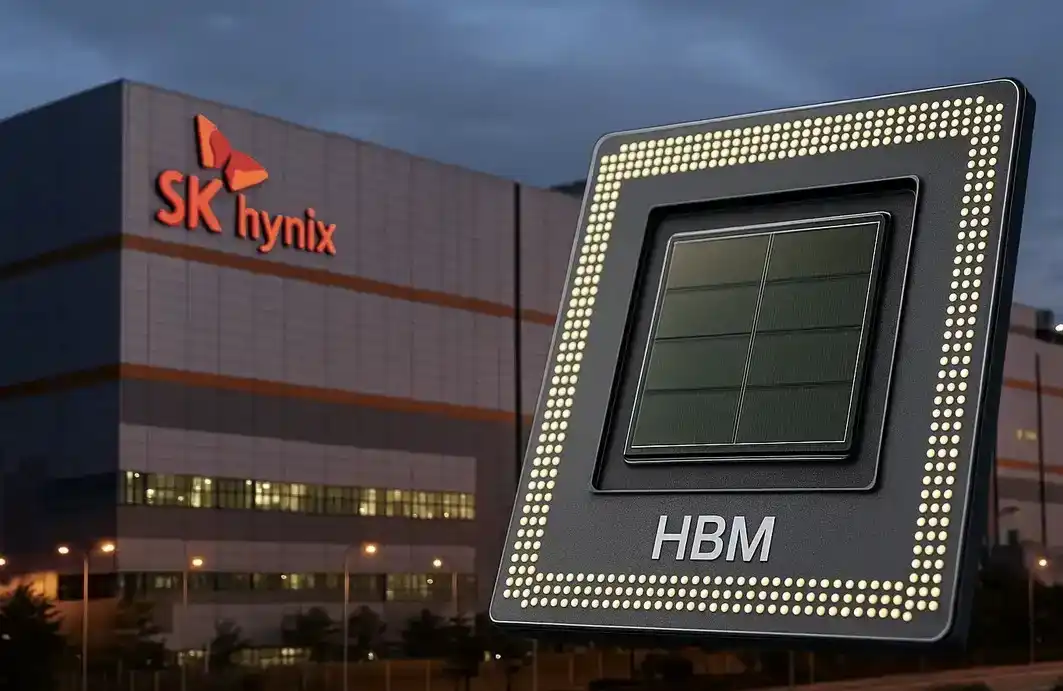
On June 22, 2026, SK Hynix made history by surpassing Samsung Electronics in market capitalization, ending Samsung's 27-year reign as South Korea's most valuable company. This dramatic reversal is powered by the AI boom and SK Hynix's dominant position in High Bandwidth Memory (HBM), a critical component for AI model training. Once a heavily indebted firm on the brink of bankruptcy, SK Hynix bet early on HBM, which has evolved from a niche product to essential AI infrastructure. It now commands a 59% share of the global HBM market. Its financial performance is staggering, with Q1 2026 net profit soaring nearly fourfold year-over-year to KRW 40.35 trillion, translating to over 2 billion RMB in daily net profit. HBM now drives roughly 40% of its revenue with exceptionally high margins. In contrast, Samsung, with its broad portfolio spanning memory chips, smartphones, and foundry services, has lagged in the HBM race while facing headwinds in other divisions. This shift signifies a deeper restructuring of South Korea's economy, moving from consumer electronics to AI-driven growth. However, the future remains competitive. With major capacity expansions planned industry-wide by 2028 and Samsung aiming to catch up in HBM technology, the new market leader cannot afford complacency. This event marks a pivotal moment in the global semiconductor industry's ongoing power realignment.

marsbit13m ago

27-Year Reign Ends: SK Hynix Market Cap Surpasses Samsung for First Time, an AI-Driven Reshuffle of Korean Chip Power

marsbit13m ago

Why Does 'AGI Godfather' Ben Goertzel Believe the Future of AI Relies on Blockchain?

Ben Goertzel, known as the "AGI Godfather," argues that the future of Artificial General Intelligence (AGI) must be built on blockchain to prevent its control by a few corporations or venture capital firms. He believes the core AGI code should be free and open-source, but that this alone is insufficient without a decentralized infrastructure to run it affordably. His blockchain project, SingularityNET, and the broader Artificial Superintelligence Alliance aim to create a user-owned, decentralized network for hosting and deploying AGI, contrasting with the closed models of companies like OpenAI and Anthropic. Goertzel criticizes the shift of other labs from open to closed development. He argues that while a closed path is simpler, an open, decentralized model—akin to Linux and the internet—is both possible and ultimately better for humanity. He envisions an "Agent economy" where individuals orchestrate teams of AI agents to perform tasks, including transactions, on an open network rather than corporate clouds. While his current model relies on cryptocurrency, plans include offering paid AI services to businesses with the decentralized blockchain as the backend. Goertzel predicts human-level AGI could arrive by 2029 and warns that a gap in understanding and access to AGI could drastically worsen inequality. The first test of his decentralized approach will be the upcoming release of the Agent Omega Claw.

Foresight News43m ago

Why Does 'AGI Godfather' Ben Goertzel Believe the Future of AI Relies on Blockchain?

Foresight News43m ago

Trading

Spot
Futures
活动图片