详解Asteroid:Cosmos Hub开源铭文新协议,能否盘活整个生态的流动性?

Odaily星球日报Published on 2024-01-17Last updated on 2024-01-17

Abstract

该协议旨在让任何人都可以将内容直接永久发布到 Cosmos Hub 区块链上,并永久存在。

原文作者:深潮 TechFlow

详解Asteroid:Cosmos Hub开源铭文新协议,能否盘活整个生态的流动性?

铭文市场的格局仍在持续发生变化。

1 月 17 日,Dephi Digital 旗下的 Dephi Labs 在其推特上宣布了与 Astroport 基金会合作共建的项目:Asteroid Portocol。

该协议旨在让任何人都可以将内容直接永久发布到 Cosmos Hub 区块链上,并永久存在。

目前,该协议已完整包含了 Asteroid 索引器、区块浏览器、API、Cosmos Fungible Token (CFT-20) 代币规范、代币部署器和铸造工具以及前端/后端软件。

用户也可以直接在其官网上进行铭文相关的操作。
详解Asteroid:Cosmos Hub开源铭文新协议,能否盘活整个生态的流动性?

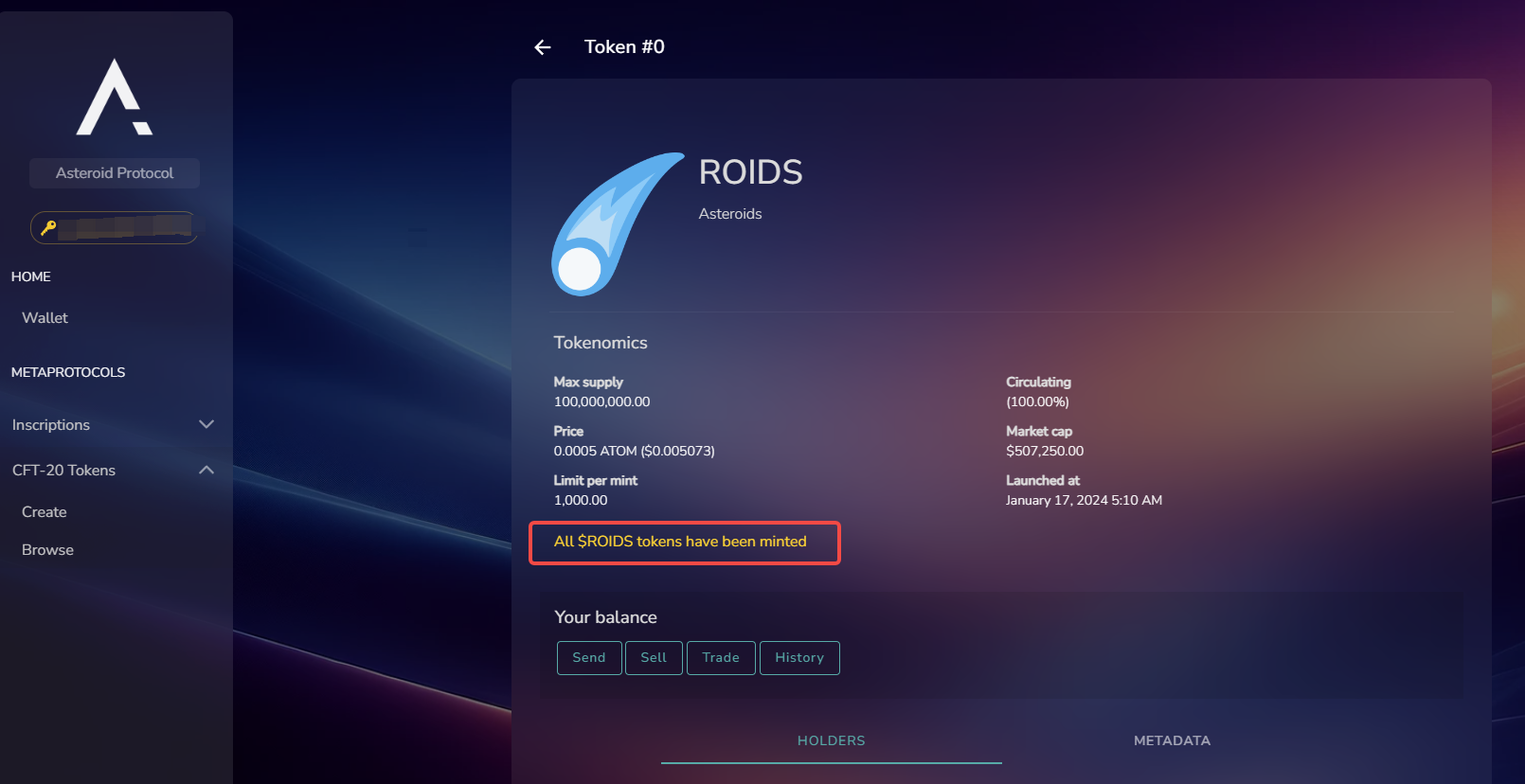
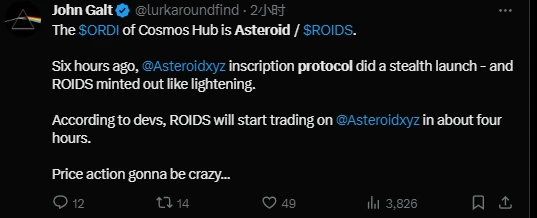
不过值得一提的是,Asteroid 并没有大张旗鼓的进行宣传,而是选择了静默上线。但嗅觉敏锐的市场依然捕捉到了机会,Asteroid 上的第一个官方铭文 RODIS 在平台上线不久后就被光速 Mint 完毕,后知后觉的 degen 们也开始在 Asteriod 上玩起了其他铭文。

同时,根据推友透露,该协议的开发人员表示 RODIS 将会在接下来的 4 小时内于平台内开始交易,届时相想必也会引发一阵有关 Cosmos Hub 的铭文热潮。
详解Asteroid:Cosmos Hub开源铭文新协议,能否盘活整个生态的流动性?

而在 Dephi Labs 的博客中他们写到:

“我们认为 Cosmos Hub 很可能是加密货币中第二好的区块链铭文——仅在比特币后面”。

为什么是 Cosoms Hub?

Dephi Labs 认为,虽然 Cosmos Hub 是市值最大的 Cosmos 区块链,但在设计上并没有对智能合约、NFT 或可替代代币的原生支持。

实际上,它是一台功能强大的全球计算机,每秒能够处理数千笔交易,但基本上处于待机状态。

此外,Dephi Labs 也相信 Cosmos Hub 有潜力成为 Cosmos 及其他地区任何项目的记录数据库。通过在那里永久写入数据,它不仅可以与其他 Cosmos 链竞争,还可以与 Filecoin、IPFS 和 Arweave 竞争——并且应该在此过程中为验证者提供丰厚的回报。

因此,让 Cosmos Hub 动起来的一个好办法,便是引入原生的铭文协议。

Asteroid 的出现,给了 Cosmos Hub 一个更好的赋能,包括但不限于:

  • 在 Cosmos Hub 上引入新功能,而不影响该链的核心价值主张

  • 大幅扩展 Cosmos Hub 的可能性范围,为其带来更多交易、用户和可见性

  • 为 Cosmos Hub 验证者和 ATOM 质押者创造新的收入来源

  • 重振并调整 Cosmos Hub 社区

  • 通过更轻松地将区块链数据集成到 web2 应用程序中来扩大 Cosmos Hub 开发社区

Asteroid 的使用方式

Asteroid Protocol 提供了一个 Cosmos 通用元协议框架,它可以结构化格式记录其内容,以便在链外进行索引和使用。

当前的实现方法是在交易 memo 中填入 URN(Uniform Resource Name),并在 Cosmos SDK 区块链的 non_ritic_extension_options (NCXO) 字段中记载元协议所需的任何其他内容。

详解Asteroid:Cosmos Hub开源铭文新协议,能否盘活整个生态的流动性?

该方法允许在 Cosmos Hub 上记录高达约 550 kb(理论上高达 800 kb)的任意数据,并且对数据的内容没有限制,因此理论上任何人都可以使用它来构建各种各样的数据和链上协议。

一些可能的想法包括社交网络、博客平台、论坛和加密聊天等形式。目前,由项目官方定义的两种关键类型的 Asteroid 协议是:

  • 任意内容铭文规范:通过该类型用户几乎可以直接在 Hub 上发布浏览器可以显示的任何类型的数据,从 JPG 到视频、文本到 JSON、HTML 甚至是游戏……

  • Cosmos 可分割代币(CFT-20)规范: 一种在 Cosmos Hub 上部署、铸造和转移可分割代币的方法。

$ROIDS 便是推出的第一个 CFT-20 代币,总量为 1 亿,每人都可以在单笔交易中铸造最多 1000 个代币,下面是由官方给出的铸造步骤:

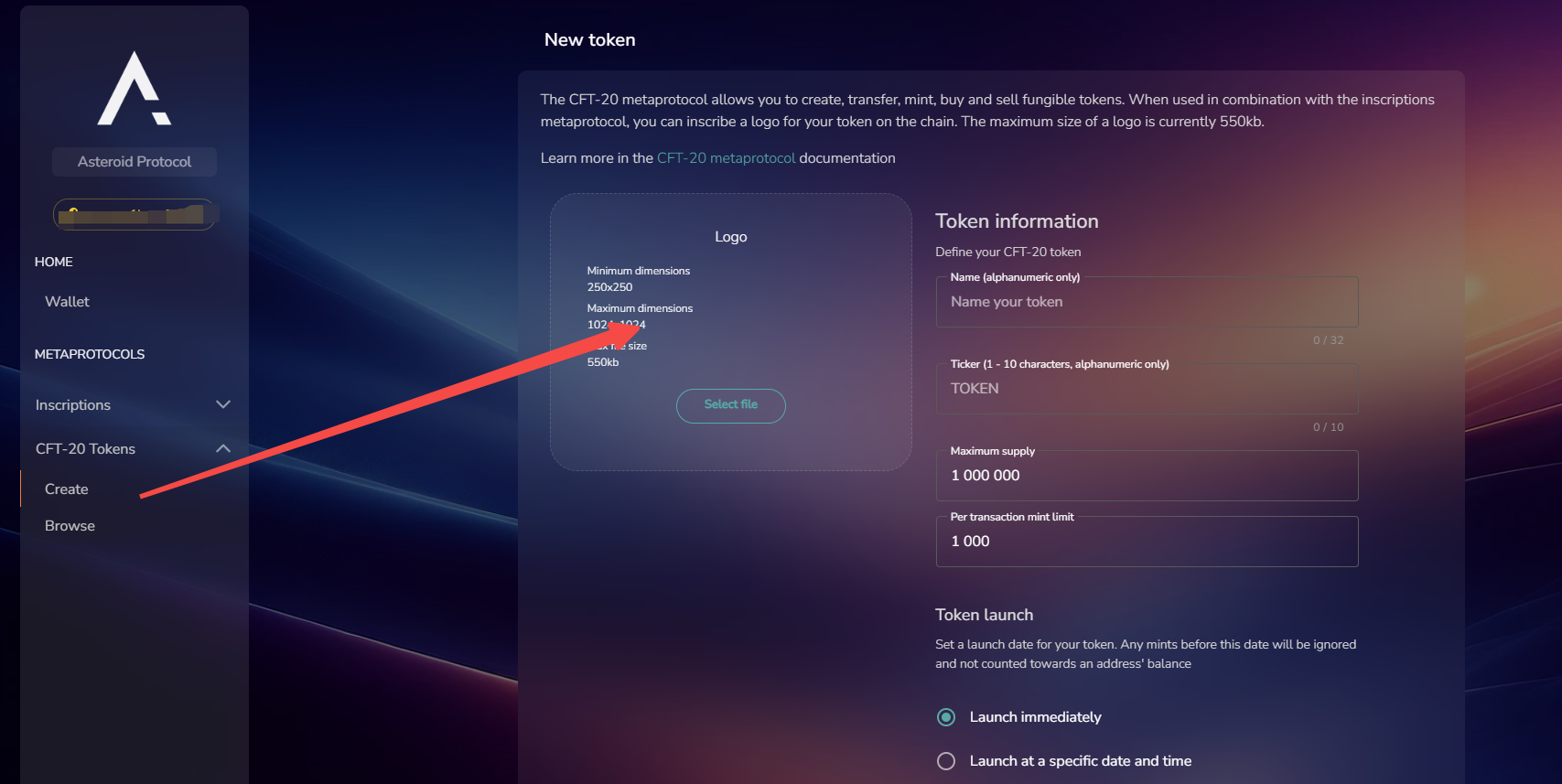
但正如前文所说,ROIDS 已经被铸造完毕。玩家们目前还有两个选择,即自己创建新的铭文,以及从目前的市场中浏览其他的铭文进行铸造。
详解Asteroid:Cosmos Hub开源铭文新协议,能否盘活整个生态的流动性?

如上图所示,Asteroid 提供了非常简洁的界面供玩家自己铸造,只需上传图片并对铭文进行简单定义即可创建铭文,并不需要太多的技术支持。

但是,当实际面临 Inscribing 或者铸造的时候,往往存在网页打不开的尴尬局面。因此,在了解了 URN 的结构之后,我们还有另一种铸造选择:

  • 给自己地址转 0.000001 atom,因为在 Cosmos Hub 上记录数据需要进行链上交易。为了防止铸造失败,Asteroid 还将最低 Gas 水平上调了 40% ,这些费用将直接奖励给 Hub 的验证者和 ATOM 质押者。

  • 在 memo 中填写:urn:cft 20:cosmoshub-4 @v1;mint$tic=ROIDS, amt= 1000000000. (以$ROIDS 为例)

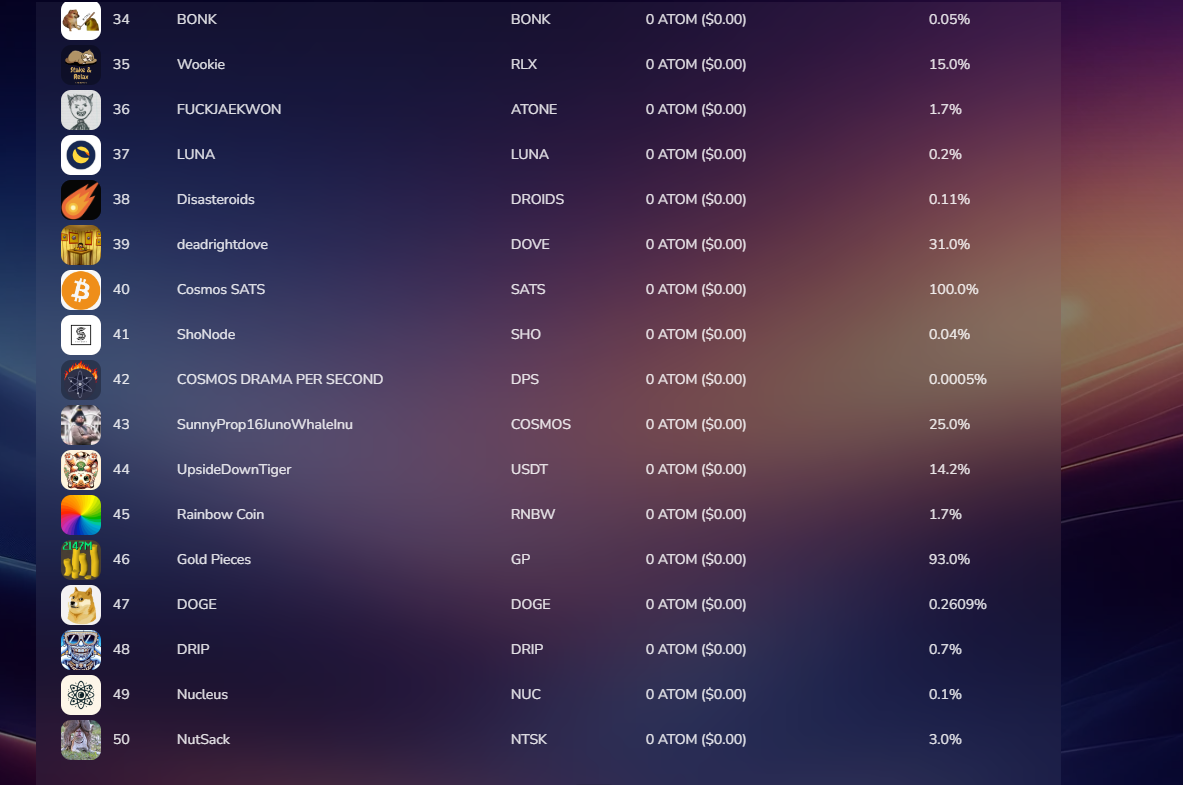
而在浏览功能上可以看到,目前各路山寨铭文也开始了新一轮跑马圈地运动,BONK/DOGE/LUNA 等命名的铭文常客又一次换了生态出现,玩家们也可以随时查看界面右边的百分比数据,观察哪些铭文打的相对火热。
详解Asteroid:Cosmos Hub开源铭文新协议,能否盘活整个生态的流动性?

不过需要注意的是,目前这些所有的铭文都还没有价格。

作为实验的一部分,Asteroid 还草拟了跨链桥计划,该桥允许用户将 CFT-20 代币转移到支持 IBC 的智能合约链,以便人们在 Astroport 上部署 LP,这无疑也为流动性的扩大创造了条件,或许 Cosmos 关联的各条链之后都会收到 Asteroid 铭文市场的影响。

但项目方目前还没有将该计划付诸实践,并不保证它一定会启用。

另外,使用 Asteroid 的费用如何?

目前的设计下,上币和下币费用设定为 0% 。所有市场交易均收取 2% 的 swap 费用,该费用通过 IBC 传输至 Terra 并随每笔交易存入 Astroport 的 $xASTRO 质押池中。

由于 Asteroids 是开源的,因此任何人都可以通过 Asteroids 创建自己的 OTC 市场,设定自己的费用。

最后需要强调的是,基于 Cosmos Hub 部署广泛的基于铭文的元协议框架,可以扩展到几乎任何 Cosmos SDK 区块链。

比特币上的铭文点燃了火种,其他生态的铭文之战仍未结束。

市场究竟会作何反应,不妨静观其变。
Related Reads

Playnance’s $GCOIN Lists on KoinBX Amid Rapid Growth in India

Playnance's native token, $GCOIN, has been listed on the cryptocurrency exchange KoinBX as of June 18. This move aims to enhance accessibility for its rapidly growing community, particularly in India, where the blockchain-powered Web3 iGaming ecosystem has gained significant traction. Over 130 partners in Playnance's "Be the Boss" program have built communities engaging thousands of active players in the region. The "Be the Boss" model allows participants to create and manage their own gaming communities, earning rewards tied to community activity. CEO Pini Peter noted India's high engagement, with community leaders successfully building player networks. One partner, Dr. Nicolas, reported earning over $57,000 through the program in recent months, highlighting both the financial rewards and the opportunity to grow an engaged community. $GCOIN serves as the ecosystem's core utility token, incentivizing participation and aligning the interests of players and community leaders ("Bosses"). The listing on KoinBX is part of Playnance's strategy to expand globally, increasing the token's utility and accessibility by combining community ownership, gamified engagement, and blockchain-based incentives. Founded in 2020, Playnance is a Web3 iGaming infrastructure company focused on creating live, non-custodial, on-chain products to onboard mainstream users. It currently processes approximately one million transactions daily, aiming to simplify the user experience while maintaining full on-chain transparency.

TheNewsCrypto4m ago

Playnance’s $GCOIN Lists on KoinBX Amid Rapid Growth in India

TheNewsCrypto4m ago

STRC Hits Historic Low, Saylor's Perpetual Motion Machine Grinds to a Halt

STRC, the perpetual preferred stock issued by MicroStrategy to fund its Bitcoin purchases, hit a historic low of $85.32, a 17% discount to its $100 par value. Designed as a "digital credit engine" to trade stably near par and enable continuous share issuance for buying Bitcoin, its plunge signals a breakdown in this model. Three key factors drove the decline: 1. Bitcoin's price fell over 50% from its peak, trading around $63,000 amid hawkish Fed signals. 2. MicroStrategy's cash reserves were depleted after a $1.5 billion convertible note repayment, slashing the dividend coverage for STRC's 11.5% yield to ~7 months. The company then sold 32 BTC to cover dividends—Michael Saylor's first Bitcoin sale since 2022—damaging the "never sell" narrative. 3. A competing Bitcoin-backed preferred stock, Strive's SATA, offers a higher yield (~13%) and daily dividends, drawing investors away from STRC. The drop triggers a negative cycle: STRC below par halts ATM share issuances, cutting off a key funding source for Bitcoin buys and potentially forcing more BTC sales for dividends, further eroding confidence. While Saylor argues the model is mathematically sound—needing only 2.3% annual Bitcoin growth to sustain itself—the market is testing the resilience of the leveraged Bitcoin treasury strategy in a bear market. The STRC price now reflects rising skepticism about this financial machinery's durability during downturns.

marsbit24m ago

STRC Hits Historic Low, Saylor's Perpetual Motion Machine Grinds to a Halt

marsbit24m ago

A Guide to Grayscale’s ‘Bottom Fishing’: Using Cash Flow to Assess Cryptocurrency Value

**Title:** Grayscale's Guide to Bottom-Fishing: Valuing Cryptoassets Using Cash Flows **Summary:** This report by Grayscale Research presents a fundamental valuation framework for cryptocurrency assets, moving beyond pure speculation to analyze those with underlying cash flows. It distinguishes between "commodity-like" assets (e.g., Bitcoin) and "cash-flow" assets, primarily within DeFi. Using the leading decentralized lending protocol Aave as a case study, the analysis applies traditional financial methodologies like Discounted Cash Flow (DCF) and Price-to-Earnings (P/E) multiples. Key findings indicate that AAVE tokens are currently undervalued. Despite recent challenges, the protocol's strong revenue growth, ~50% net profit margin, and diversified treasury support a fundamental valuation range of $80-$100 per token (compared to a ~$75 market price at the time of writing). In a base-case scenario driven by stablecoin adoption and regulatory clarity, the fair value could rise to around $175 within a year. The report emphasizes that protocol success does not automatically translate to token value. It critically examines the "value capture" mechanisms—such as buybacks, burns, and staking rewards—that channel protocol profits to token holders. Furthermore, it addresses the legal and governance complexities of Decentralized Autonomous Organizations (DAOs), noting their difference from traditional corporate equity but highlighting how robust, transparent governance can align protocol economics with holder interests. The conclusion is that the crypto market is maturing, with capital increasingly flowing towards projects with demonstrable fundamentals, real adoption, and disciplined capital allocation, creating opportunities for value-based investors.

marsbit1h ago

A Guide to Grayscale’s ‘Bottom Fishing’: Using Cash Flow to Assess Cryptocurrency Value

marsbit1h ago

After semiconductors lead the gains, are funds buying into AI orders or a macroeconomic rebound?

After US-Iran talks led to a temporary ceasefire and framework for reopening the strategic Strait of Hormuz, U.S. stocks rose on June 18, with the Nasdaq gaining 1.9%. The semiconductor and AI hardware sectors outperformed. This rally stemmed primarily from reduced geopolitical risk, which lowered oil prices and inflation expectations, easing discount rate pressure on high-valuation growth stocks like tech. The key question is not whether tech rebounded, but the nature of the rebound. The market appears to be selectively repricing AI infrastructure plays rather than broadly chasing AI narratives. Gains were concentrated in chips, optical interconnects, memory, and domestic manufacturing—segments tied to tangible data center build-outs and capital expenditure. Intel's ~10% surge, fueled by a Trump statement about potential Apple collaboration, exemplifies this mixed dynamic. It reflects policy catalysts and domestic manufacturing sentiment more than confirmed fundamentals. Meanwhile, strong earnings from companies like Astera Labs (revenue up 93% YoY) provided concrete evidence of AI-driven demand in hardware. In essence, the rally represents a risk-premium recalibration. Lower Middle East tensions opened a valuation repair window, and capital flowed first into AI infrastructure segments with visible near-term revenue streams. The sustainability of this move hinges on upcoming Q2 earnings, specifically continued strength in cloud provider capex, AI server orders, and hardware company guidance. Policy hopes alone are insufficient; the cycle needs validation from orders and financials.

marsbit1h ago

After semiconductors lead the gains, are funds buying into AI orders or a macroeconomic rebound?

marsbit1h ago

Trading

Spot
Futures
活动图片