ETF让比特币的问题变得更加严重!

金十Published on 2024-01-16Last updated on 2024-01-16

现货比特币ETF的推出可能对投资者造成双重不利,一个关乎比特币的用途,另一个关乎比特币及其ETF的交易。

《华尔街日报》文章指出,这些ETF破坏了加密货币的真正目的,从而损坏其长期价值。而且,由于ETF推出之时正值加密货币热潮,它们可能会重复许多主题基金的错误,即在高峰时买入。

比特币的初衷是允许小额在线交易,但由于成本高昂和支付流程繁琐而惨遭失败。作为一种加密货币,它也许可以用于更大金额的支付,但目前为止它基本上还没有涉及这个用途。然而,基金持有的比特币越多,可供实际用户使用的比特币就越少。之前实际用户比较少的时候,这不是什么问题,但新推出的ETF肯定会破坏比特币找到实际用途的机会。

许多加密货币倡导者喜欢比特币,因为它不依赖于传统银行、无中介,并且独立于任何国家,这与美元等“法定”货币不同。新的ETF将比特币与华尔街的旧金融机制和美元重新连接起来。

贝莱德(BlackRock)董事长兼首席执行官劳伦斯·芬克(Lawrence Fink)等许多人都在主张,比特币应该是数字黄金,能够在危机中保持其价值。但是,到目前为止,没有证据表明比特币可以作为数字黄金。比特币ETF可能会为其在危机中的糟糕表现雪上加霜比特币本来就是投机性资产,推出ETF后可能会吸引更多投机者。

在2023年3月的银行挤兑和2020年3月的疫情大流行恐慌中,比特币成为了数字傻瓜的黄金,一出现麻烦迹象就暴跌。从2020年2月的高点开始,比特币价格一个月就减半,而标普500指数从高点到低点大概跌去三分之一,黄金下跌了6%。在2023年的银行挤兑中,比特币从2月份的高点到3月份的低点下跌了近20%,是标普500指数的四倍,而黄金仅下跌1%。

自2019年以来,比特币与方舟创新ETF(ARKK)的关系比与黄金价格的关系要密切得多,该基金持有的是最具投机性的科技股。这背后的理由很明显:像ARKK一样,比特币非常适合投机,因为它的价格波动很大。比特币远不是一种价值储存手段,而是一种波动性储存手段。随着越来越多的人参与“赌博”,价格就会上涨。但当出现恐慌时,这会产生不利影响,因为投机者会平仓,引发价格暴跌。

另一个大问题是ETF推出的时机。通常,主题基金只有在投资者抬高标的资产价格后才会推出,从90年代的互联网基金,到2021年的绿色环保、大麻、太空和SPAC基金。投资者应该都知道不宜涌入已经过度热门的投资领域,但他们仍会在高位买入,而且往往最终会低位卖出。

比特币期货ETF也发生了类似的情况。ProShares比特币策略ETF BITO推出的时机是灾难性的,它在2021年比特币非常接近峰值时推出。随着比特币下跌,这个ETF第一年暴跌超过70%。目前它已经有所反弹,但仍然比起始价低了近一半。ProShares指出,它仍然很受欢迎,自新一波现货比特币ETF推出以来的两天内交易量领先。

有意思的是,ProShares后来推出了一只做空比特币的ETF,即BITI。但这又是一个大输家,尽管当时做空比特币很流行,但它几乎是在价格低点的时候推出的。

另外,比特币因ETF推出的预期而大幅上涨,这又为ETF推出后进一步上涨带来了障碍。毫不奇怪,截至上周五晚上,比特币较周三SEC批准ETF上市时的价格下跌了8%。而且,周末期间,比特币跌幅超过1000美元。直接持有者可以继续交易,因为比特币是7*24交易的。但是,那些持有比特币ETF的人只能观望并等待华尔街周二开盘,因为市场周一因马丁·路德·金纪念日休市。


Related Reads

NVIDIA CPU Advances, China's RISC-V Responds: Semiconductor Deep Dive - Part Four

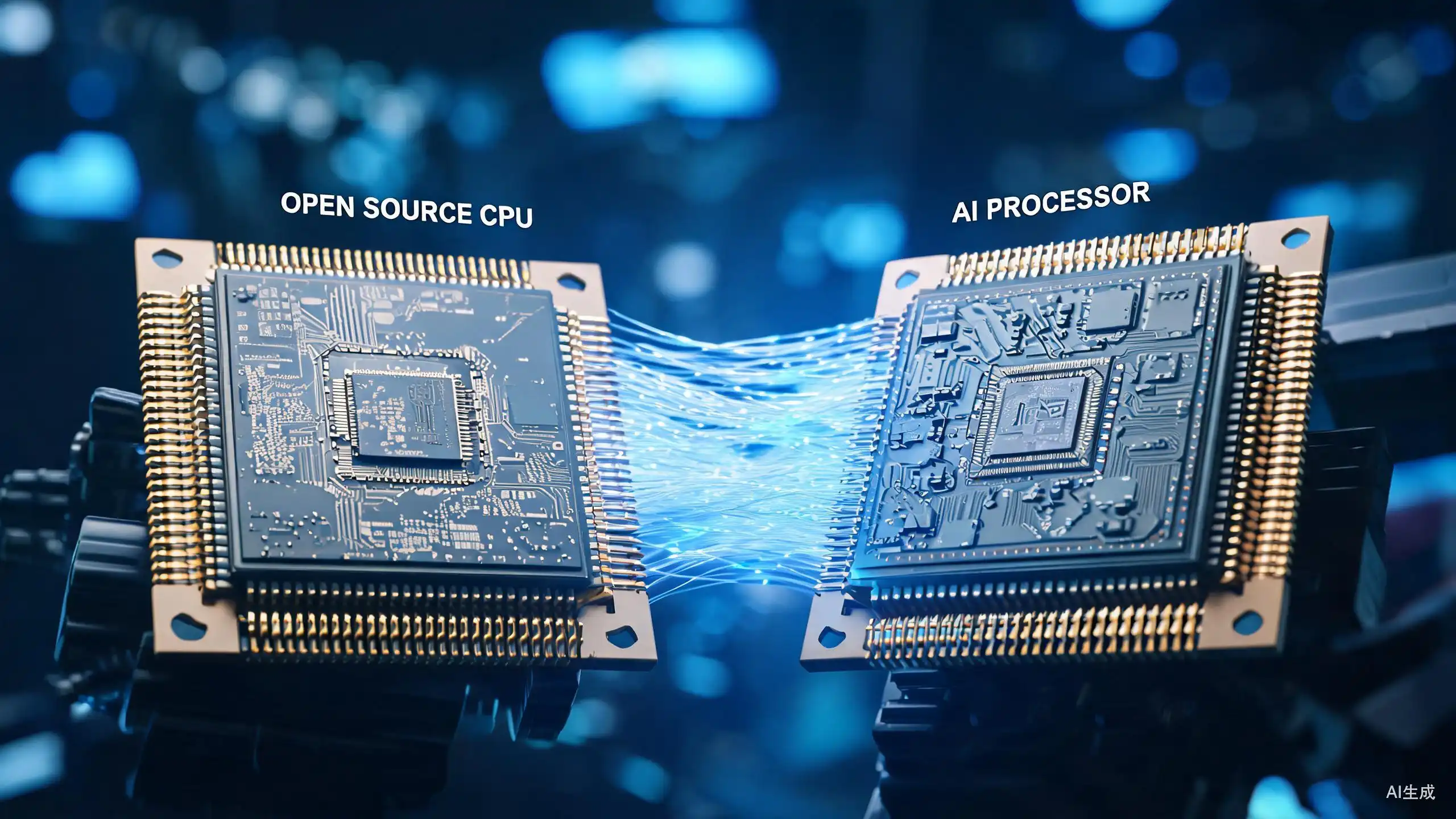
NVIDIA is set to launch its new Vera AI data center CPU in China as early as August, with high pricing. While this move offers a new option, it highlights China's continued dependence on foreign-controlled Arm architecture. In response, the Chinese semiconductor industry is increasingly turning to RISC-V as a strategic alternative for achieving high-performance computing autonomy. The article explores the concept of the "impossible triangle" in CPU development—balancing prosperity, control, and autonomy—and posits that RISC-V's open-source, modular nature offers a unique path to achieving all three. While RISC-V is already dominant in embedded systems, the focus is now shifting to data centers and AI workloads. China has become a global hotspot for RISC-V development, driven by AI-driven compute demand, supply chain concerns from export controls, cost benefits of open-source, and strong policy support. Multiple Chinese companies have reportedly crossed the key performance threshold of 15 SPECint per GHz, a benchmark for entering the high-performance CPU club. Progress extends beyond single-core benchmarks. Companies are developing complete computing subsystems, including commercial-grade coherent network-on-chip (NoC) technology and server processors with up to 40 cores that strictly adhere to the RVA23 standard to ensure software compatibility. Real-world applications are emerging in areas like video transcoding and edge AI. However, significant challenges remain. The RISC-V ecosystem faces fragmentation, immature toolchains and verification processes, and gaps in single-core performance and energy efficiency compared to mature x86 and Arm architectures. The formidable software moat, epitomized by NVIDIA's CUDA, is a long-term hurdle. In conclusion, while RISC-V cannot immediately replace offerings like NVIDIA's Vera, it represents a viable long-term path for China to develop a self-sufficient, high-performance CPU ecosystem. The journey is acknowledged to be long and arduous, requiring sustained effort to overcome technical and ecosystem challenges.

marsbit6h ago

NVIDIA CPU Advances, China's RISC-V Responds: Semiconductor Deep Dive - Part Four

marsbit6h ago

Trading

Spot
Futures
活动图片