New York's Crypto BitLicense Oversight Criticized by State's Comptroller

CoinDeskPolicyPublished on 2024-01-08Last updated on 2024-01-09

Abstract

The New York fiscal chief says the Department of Financial Services let some things fall through the cracks as a crypto watchdog.

The New York Department of Financial Services (DFS) is drawing some internal heat over whether it's doing a good job overseeing crypto activity through its BitLicense program, according to a review from New York State Comptroller Thomas DiNapoli.

DiNapoli's office found that the regulator has relied on spotty, outdated and sometimes totally missing data on the backgrounds of its virtual currency license holders when considering their applications.

10

The audit report recommended DFS do a better job ensuring applications are complete and examinations are timely.

Advertisement
Advertisement

"For much of our audit scope period, policies and procedures were not in place to provide assurance that DFS' oversight of the application, supervision and examination of BitLicensees was appropriate," DiNapoli's office noted in the document.

However, the agency responded to the comptroller's office in September of 2023 that the problems outlined in a draft version of the report shared with DFS predate the agency's current leadership and have been addressed. The audit began in April of 2022 and extended through much of 2023.

"Over the last two years, DFS has cemented its position as the premier regulator of virtual currencies in the nation and remains committed to further strengthening its efforts," the DFS noted in a response included in the audit report. An agency spokesperson didn't immediately respond to a CoinDesk request for further comment.

The document accused the agency – still the only U.S. regulator with a comprehensive set of rules for doing crypto business – of falling short in several areas, including missing fingerprint information, unavailable background on applicants' tax obligations, long lags between risk assessments on applicants and their eventual approvals, missing financial information and insufficient cybersecurity compliance from BitLicensees.

"DFS noted that our findings predate the tenure of the current DFS administration and that DFS self-identified many of our findings prior to the conclusion of our audit," the report said. "Several issues have not been remediated."

Advertisement
Advertisement

Another New York regulator – the state Attorney General's Office – has also questioned whether the state's financial watchdog is adequately overseeing the crypto industry. The NYAG sued a BitLicense recipient and lobbied for legislation giving it greater oversight in the past year.

Edited by Nikhilesh De.

Related Reads

Solana's Historic First Governance Vote Concludes: Why Did SGP-003 Spark Massive Controversy?

Solana has completed its first-ever formal on-chain governance vote, marking a shift towards decentralized decision-making. Three proposals, SGP-0001, SGP-0002, and SGP-0003, were voted on. SGP-0001, establishing the foundational governance framework, and SGP-0002, accelerating the reduction of SOL's inflation rate, both passed. However, the most contentious proposal, SGP-0003, failed to reach the required supermajority. SGP-0003 proposed a significant change to Solana's fee structure, introducing a variable "Resource Fee" based on computational unit (CU) consumption, which would be entirely burned. Supporters, including some core developers, argued it would create fairer resource pricing and increase SOL's deflationary pressure. Opponents, led by major DeFi applications like Jupiter and Drift, criticized it as an effective tax on complex applications, warning it would unpredictably increase operational costs and undermine business models built on Solana's low fees. The vote outcome highlights a critical tension within Solana's growing ecosystem: balancing the interests of SOL holders (through deflationary mechanisms), validators (through rewards), and application developers (through cost predictability). As Solana evolves from a high-performance blockchain to one hosting substantial economic activity, governance is becoming central to its future development and competitiveness.

marsbit1h ago

Solana's Historic First Governance Vote Concludes: Why Did SGP-003 Spark Massive Controversy?

marsbit1h ago

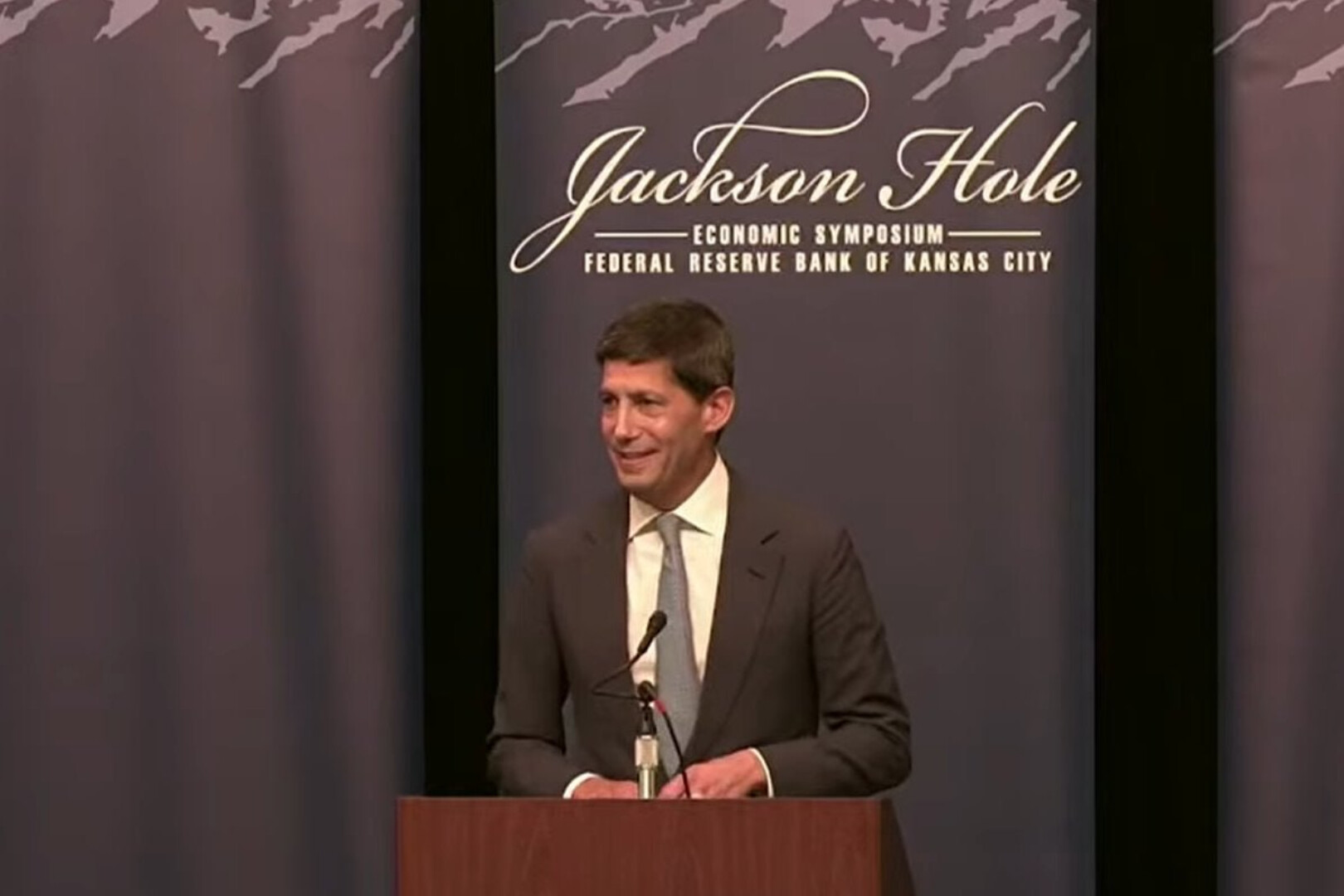
Wash's Jackson Hole Debut: Bidding Farewell to 'Forward Guidance', Reshaping Fed Discipline Amidst the Squeeze Between AI and Inflation

In his first Jackson Hole speech, new Fed Chair Kevin Warsh signaled a significant shift in monetary policy communication. He declared that "forward guidance," a tool heavily used since the financial crisis, has outlived its usefulness in normal times and should be retired. He cautioned that over-reliance on it can distort market signals and constrain the Fed's flexibility. Instead, Warsh emphasized a return to data-dependence and decision-making discipline. Warsh outlined seven key principles to guide policy: anchoring the 2% inflation target, pursuing the employment mandate, using short-term rates as the primary tool, acknowledging the importance of money, and maintaining purposeful, restrained communication. He stressed that policy should focus on trends, not single data points. On the current economic outlook, Warsh noted that the labor market is consistent with full employment but inflation remains "far above" the Fed's target. He highlighted that over half of the PCE basket's components are still rising above 3% annually. While acknowledging AI's transformative potential for productivity and capital allocation, he admitted its full economic impact remains uncertain and is not a factor in current policy decisions. His core message was a commitment to policy discipline rather than pre-set decisions. Warsh stated the Fed's primary focus must be on restoring price stability, vowing, "We still have work to do," until there is clear evidence inflation is moving decisively toward 2%. He concluded by framing effective monetary policy as crucial for economic prosperity and U.S. global leadership.

Odaily星球日报2h ago

Wash's Jackson Hole Debut: Bidding Farewell to 'Forward Guidance', Reshaping Fed Discipline Amidst the Squeeze Between AI and Inflation

Odaily星球日报2h ago

Trading

Spot
活动图片