Head of Dubai Crypto Regulator to Quit to 'Pursue Other Interests'

CoinDeskPolicyPublished on 2023-11-15Last updated on 2023-11-16

Abstract

VARA also plans to fine at least 12 crypto companies for failing to comply with guidelines by a Nov. 17 deadline, Bloomberg reported.

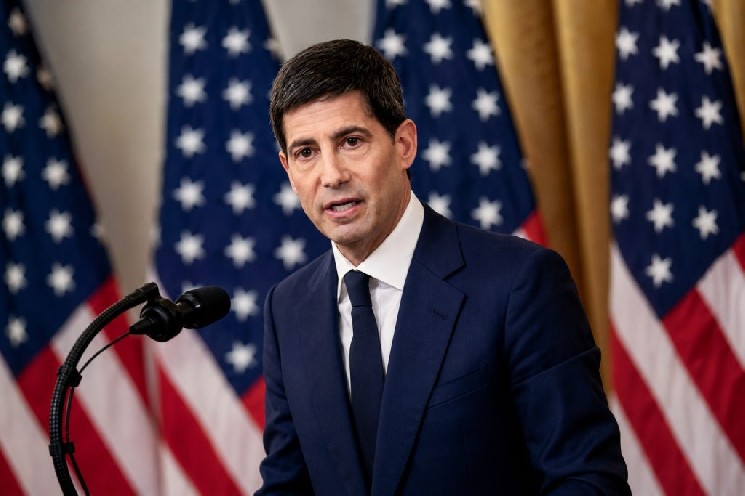
The CEO of Dubai's crypto regulator, Henson Orser, is set to be replaced by Matthew White, a partner at PwC, the Virtual Assets Regulatory Authority (VARA) said in an email.

Bloomberg reported the change earlier, citing a statement from the regulator.

Additionally, more than 12 crypto companies are set to be fined for not complying with guidelines by a Nov. 17 deadline, Bloomberg said, citing anonymous sources who asked not to be identified because the matter is private. The names of the firms were not mentioned, but don't include Binance, OKX or ByBit and some others, which will be given more time to comply, according to the report. In its email, VARA did not comment on the fines.

A D V E R T I S E M E N T

The Virtual Assets Regulatory Authority has been run by Orser since January. He will remain fully engaged for a "planned transition" as a consultant, VARA said.

“It was a great experience and I’m fully vested in a consultative capacity to support VARA,” Orser said to Bloomberg. “I’m leaving to pursue other interests.” Orser did not immediately respond to a request for comment from CoinDesk.

White has previously worked with VARA as a consultant and has headed the Cybersecurity and Digital Trust team at PwC.

In the past few weeks, Dubai has fined crypto bankruptcy claims exchange OPNX and its founders, who also set up the failed hedge fund Three Arrows Capital (3AC), and has awarded regulatory approvals to Crypto.com, Nomura-backed crypto custody firm Komainu, and Hex Trust, another custody firm.

Edited by Sheldon Reback.


Related Reads

Why Is No One Buying DeFi Insurance?

"Why DeFi Insurance Remains Unpurchased" explores the paradox of decentralized finance insurance. While DeFi insurance promises automatic, unbiased payouts via smart contracts—eliminating traditional insurers' denial practices—it struggles to attract users. The core issue is economic viability. Premiums are prohibitively high relative to the yields from DeFi protocols. For example, insuring a deposit on Aave or Maple Finance can consume most or even all of the annual yield, leaving returns comparable to or worse than traditional savings. Only the safest protocols, like MakerDAO, offer affordable premiums. Furthermore, the DeFi insurance model is structurally fragile. Unlike traditional insurance where risks are uncorrelated, DeFi risks are highly interconnected (e.g., oracle failures, bridge hacks). A single major exploit can simultaneously threaten multiple protocols, potentially bankrupting the entire insurance pool, which holds only millions against billions in total value locked. The governance model also creates a conflict of interest. In platforms like Nexus Mutual, token holders who vote on claims risk their own capital if payouts are approved, incentivizing denials. Consequently, the market is tiny and shrinking. Nexus Mutual dominates with $81.56 million in assets, but the industry lacks the capacity to cover a catastrophic event like the $292M Kelp DAO hack. Other providers have dwindled or shut down. The article concludes that DeFi insurance faces a "tragedy of the commons": its stability requires widespread adoption, but individual users have no incentive to pay for it, as premiums destroy their yields. Current solutions involve preventative measures like bug bounties and seeking external capital from traditional reinsurance, acknowledging that on-chain capital alone is insufficient to cover on-chain risks.

marsbit55m ago

Why Is No One Buying DeFi Insurance?

marsbit55m ago

Trading

Spot
活动图片