每周编辑精选 Weekly Editor's Picks(1028-1103)

Odaily星球日报Published on 2023-11-04Last updated on 2023-11-04

Abstract

优质深度分析文章及一周热点恶补。

「每周编辑精选」是Odaily星球日报的一档“功能性”栏目。星球日报在每周覆盖大量即时资讯的基础上,也会发布许多优质的深度分析内容,但它们也许会藏在信息流和热点新闻中,与你擦肩而过。

因此,我们编辑部将于每周六从过去 7 天发布的内容中,摘选一些值得花费时间品读、收藏的优质文章,从数据分析、行业判断、观点输出等角度,给身处加密世界的你带来新的启发。

下面,来和我们一起阅读吧:

每周编辑精选 Weekly Editor's Picks(1028-1103)

投资

LD Capital:多维度分析 BTC 是否真正属于避险资产

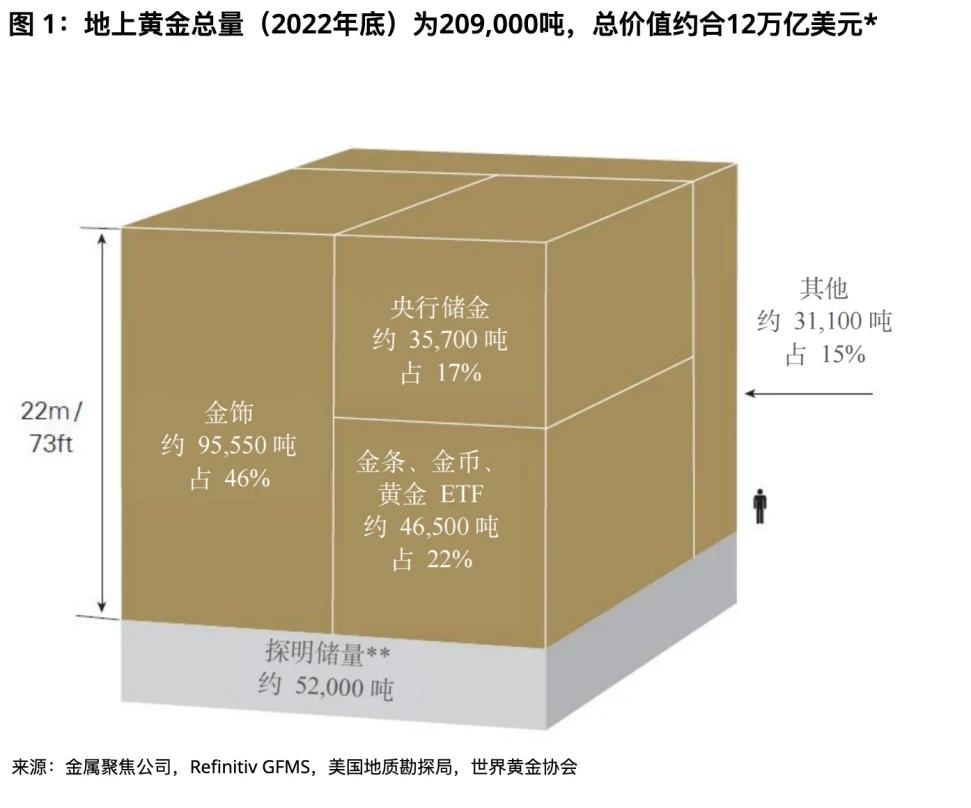
每周编辑精选 Weekly Editor's Picks(1028-1103)黄金是世界上流动性最好的资产之一, 2022 年的日平均交易额为 1316 亿美元。

BTC 24 小时交易量约为 240 亿美元,其中主要的交易量发生在永续合约,近期 BTC 日均交易量上涨明显, 24 小时交易量约为黄金的 15% (本轮行情之前大概在不到 10% 的水平)。

当前 BTC 总市值 6777 亿美元,约为黄金总市值的 5.6% 。

目前 BTC 的通胀率大概在 1.75% 左右,黄金每年的通胀率在 2% 左右,两者较为接近。

理论上黄金价格通常与美元的价值成反比,黄金是无息资产,美元是生息资产。美元收益率以及通胀预期是驱动黄金价格变化的两股力量,美国的实际利率(名义利率-通货膨胀预期)即是持有黄金的机会成本,理论上两者呈负相关的关系。黄金是巴以冲突以来上涨最为明显的资产;这一波 BTC 和纳指的走势几乎完全相反,走出了独立的行情。

从资产实际价格的截至目前 BTC 是并未现出明显的避险属性。

总体上黄金和 BTC 的配置窗口已近,更多是择时的问题。

细说巨头 VC Paradigm:加密投资的价值典范

Paradigm 靠完美抄底 BTC 发家,后参与 UniswapLidoOptimismdYdXBlur 等的早期投资,取得成功。Paradigm 将技术研究融入组织架构。Paradigm 整体风格和高瓴类似,也具有“弱水三千只取一瓢”和“敢于下重注”的投资特点。

撸空投必备工具:头部 CEX 多地址充值功能解析

要防范项目方的女巫判定,最重要的就是要做好地址隔离。简单来说,就是不要在链上进行资金分发 / 归集,而是通过交易所来生成多个不同的地址来进行归集从而避免这个问题。

此外最好不要选择相同金额转账、提币,要随机金额,随机时间;不要同一时间多账号进行相同路径的链上交互,比如多账号一天内都按照相同的顺序进行相同的几个 DeFi 的交互。

创业

致创始人:如何践行 Y Combinator 的“创业圣经”

在早期阶段,初创公司必须做到:手动招募用户;手动给他们提供非凡的体验。这些事情几乎没有大公司会去做,因此它们被认为是“无法扩展(Don’t Scale)”的事情(即我们所意译的“笨”事情)。

Crypto 确实提供了一种原生的、可扩展的方式来获取早期用户,即代币激励。代币激励可能是 Crypto 的最大突破之一。然而,代币激励并非灵丹妙药,它们不能替代那些“不可扩展”的事情,它们可作为补品,但不能作为代餐。文中许多 AllianceDAO 的校友都是执行繁重手动工作的同时推出了代币激励。

DeFi

福布斯:华尔街金融巨头的 RWA 潮流正在偃旗息鼓

代币化仍面临互操作性和流动性的问题。有从业者认为没有必要走代币化路线。迄今为止,代币化唯一比较成功的用途是稳定币。投资者是否信任加密货币市场也是关键。

多维度对比 Maker 和 Frax:Maker 仍是现金之王?

Maker 提供超额抵押的去中心化稳定币 DAI,由 ETH、稳定币和 RWA(其中大部分是美国国债)提供支持;Frax 提供去中心化稳定币 FRAX 以及围绕其构建的一系列金融产品。

DAI 的抵押品包括 ETH、稳定币和 RWA——其中大部分是美国国债。FRAX 的抵押品即将发生变化。目前正朝着 100% CR 迈进,不再由 FXS 支持。最近添加的 sFRAX 和即将推出的 FXB(债券)将提供 RWA 支持。

目前 Frax 的收益率处于领先地位。Maker 目前是 DeFi 中最赚钱的协议之一。超过 8000 万美元的收入。因为他们的供应量一直在增长。

MKR 市值 13 亿美元,用来持续回购协议收入。FXS 市值 4.5 亿美元,从协议中赚取收入(目前所有努力都是为了将 CR 提高至 100% )。

下一步关注要点:Maker 的 Endgame 包括代币重塑、取消中心化稳定币、subDAO 启动、人工智能集成以及最终的 Maker Chain ;Frax 包括 Frax 债券、frxETH 质押产品更新,还有以太坊上的新 L2 Frax Chain。

比特币生态

荐读:《brc 20-swap 上线,详解其发展历程、产品模式及未来预期

以太坊与扩容

「教皇维塔林克一世」重新定义L2

“与以太坊的连接”有两个关键维度:提现到以太坊的安全性,读取以太坊数据的安全性。

在这个设计空间中,有许多项目都具有价值。对于某些应用程序来说,高安全性和紧密的连接性很重要。对于其他应用程序来说,为了获得更高的可扩展性,可以接受一些较为宽松的连接性。

PSE Trading:Rollup 浪潮之下,VM 还有故事要讲

  • zkEVM 在 EVM 等效/兼容上做了一定的 zk-proof 生成效率优化;

  • zkVM 则舍弃 EVM 等效/兼容性,将 zk 友好化的优先级提高;

  • privacy zkVM 则是在 zkVM 上叠加了原生隐私特性;

  • SVM、FuelVM、MoveVM 共性是通过并行执行追求性能极致,但在设计细节上有各自的特点;

  • ESC VM、BitVM 分别在 ETH 和 BTC 链上进行了一定创新性的计算层实验,但目前环境下真实落地需求较低。

EVM 庞大的用户生态决定了任何放弃它的区块链网络短期内都难以与其抗衡,因此非 EVM 生态通过转译器/编译器/字节码解释器甚至 VM 兼容层引入 EVM 生态用户,利用非 EVM 的虚拟机特性构建新的生态叙事,或是一条必备的成功之路。

生态发展趋势包含:钱包前端兼容、VM 后端兼容。

IOSG Ventures 创始人:L2生态的增长困境与破局之道

随着工作室渐渐淡出,几大 zkEVM 的交易量和 TVL 并没能达到迎来预期。目前大部分 L2 军备竞赛没有把重心放到生态建设上,仍然把大量的资金用于高价招揽 ZK 和来自 PSE 的技术大牛,但没有应用的高并发兼容 Rollup 没什么价值。

选择合适的合作伙伴成为了应用需要面对的难题。也基于这样的原因,每个 L2 都想要有独家应用,然后应用在不同 L2 出现割据战。

破局之道有:头部 L2 项目主动担起生态建设重任,竞争应讲究合纵连横之术。

生态终局将是百花齐放——L3 和应用链开始增长。

新生态与跨链

埋伏下一个 Celestia,这些模块化项目值得关注

Fuel、Altlayer、Polygon Avail、CalderaEclipse 的介绍和交互建议。

除了直接参与项目方的交互,质押 ATOM 或者 Osmos、EVM 链交互也可以帮助普通用户获取空投。

E 2 M Research:拥有 13 亿用户的 TON,是否能够创造新的范式?

TON 公链的发展逻辑就是将 Telegram 用户的 30% 变成 Crypto 用户的 Mass Adpotion 策略,未来核心关注的几个 TON 生态的赛道应该是更偏向应用层的钱包、社交、游戏、NFT 等。

Telegram 的发展更像微信。

两者面临的难点是:

  • TON 目前在生态贫瘠的情况市值已经达到前 15 ,对于未来发展是否会有影响?

  • Telegram 上火的像  Unibot  等 Telegram Bot 或者像  Tap Fantasy  等 Gamefi 本质上更多依靠的是 Telegram Bot 功能,而不是 TON?

  • TON 生态贫瘠,重度依赖 Telegram 的引流,是否能够经得起前期巨大的开销?

OKX Ventures:投资视角看 TON 生态的历史、技术和未来

在 TON 余额用尽时,智能合约会被自动删除,从而避免区块链数据膨胀。TON 的异步设计也造成智能合约间调用广泛的一致性和原子性更难维护,使应用开发及维护工作更加复杂。

目前 Telegram 生态形态「Bots+API+钱包托管」,数据好但对 TON 公链没有实际支持。

看好官方扶持的基础设施;看好小程序应用;谨慎看好 DeFi、MEV 和 ZK。

一周热点恶补

过去的一周内,FTX 代币资产清算进行时SBF 律师完成结案陈词,坚持为 SBF 做无罪辩护SBF 七项罪名全部成立PYUSD 获 SEC 传票ProShares 推出做空以太坊期货 ETFCelestia (TIA)上线各大交易所Floki 开局不利SOL 经历牛市后最强劲的一轮反弹Memeland 空投和 FireSale 的 MEME 开放领取

此外,政策与宏观市场方面,鲍威尔:完全没考虑降息、也未讨论过降息香港证监会发布有关中介人从事代币化证券相关活动以及证监会认可投资产品的通函

观点与发声方面,Coinbase 首席政策官:加密立法已摆脱 FTX 阴影,燎原只是时间问题,MicroStrategy 联创:对未来十二个月相当乐观,SEC 批准比特币现货 ETF 不会威胁到 MicroStrategy

机构、大公司与头部项目方面,Elon Musk 计划在明年将 X 打造成约会网站和数字银行,知情人士:a16z计划为下一支早期基金募资 34 亿美元,拟于年底启动PayPal 已在英国金融行为监管局完成注册,获准提供加密货币服务Coinbase 在美国推出受监管的加密期货交易服务DWF Labs 或将推出机构级场外交易平台 DWF Liquid MarketsWintermute 计划推出加密衍生品交易所和加密相关指数HashKey 计划发行 10 亿枚平台币 HSK,预计明年年中上线该交易所,香港持牌交易所 OSL:APP 拟于 11 月上架,不会推出平台币LayerZero 宣布推出了针对 Lido Finance 流动性质押衍生代币 wstETH 的“全链版本”(OFT),允许利用 LayerZero 的通信协议跨以太坊、 Avalanche、BNB ChainScroll 自由转移该代币,引发争议和反击,由  PlutusDAO 提出的关于启动 Arbitrum 治理代币 ARB 质押功能的提案开始投票BNB Chain 推出 Safe 多签钱包服务Bitget Wallet 升级MEV 保护”能,提升 Swap 交易的使用体验,Starknet 推出早期社区成员计划,UniSat Wallet:brc 20-swap 主网已上线Dune 推出 DuneAIAragon 宣布解散,将向 ANT 持有者提供 8.6 万枚 ETH 用于兑换 ANT……嗯,又是跌宕起伏的一周。

附《每周编辑精选》系列传送门

下期再会~

Related Reads

Silicon Valley 'Startup Guru' Steve Hoffman: Web3 + AI Could Be a Trap

Silicon Valley investor and "Godfather of Startups" Steve Hoffman warns that combining Web3 with AI is likely a trap, not a promising venture. In an interview, Hoffman argues that while AI is a foundational technology touching all industries, Web3 adds complexity, friction, and regulatory risk without solving mainstream consumer or business needs. He advises founders to focus on deep, specialized applications where startups can out-iterate giants, rather than on generic features easily replicated by large tech companies. Hoffman observes that Silicon Valley will lead foundational AI research, while China excels at rapid, large-scale application and commercialization, particularly in robotics. He stresses that AI-driven autonomous agents capable of collaborative, multi-step tasks are 2-4 years away, which will cause significant job displacement. The solution is not to slow AI but to redesign business models around human-AI collaboration and reform social systems like education and retraining. For startups, Hoffman recommends focusing on vertical, expertise-heavy domains to build defensibility. He sees major opportunities in AI fraud detection and cybersecurity. Key founder mindsets include systemic thinking over feature-focus, relentless customer centricity, building adaptive teams, and deeply understanding AI's capabilities and limits. Hoffman is also leading a non-profit initiative to establish university centers aimed at training future leaders in responsible, human-value-aligned AI innovation.

marsbit48m ago

Silicon Valley 'Startup Guru' Steve Hoffman: Web3 + AI Could Be a Trap

marsbit48m ago

Token Inefficient, Economy Tokenless

The article "Tokens Aren't Economical, Economics Aren't Tokenized" analyzes a pivotal shift in the AI industry from a technology-driven narrative to one dominated by capital efficiency. It highlights two concurrent trends: a severe capital shortage due to the exorbitant and recurring costs of compute (e.g., OpenAI's high burn rate) and a wave of corporate spin-offs where major tech companies are separating their AI units (like Kuaishou's Kling and Baidu's Kunlunxin). The core argument is that AI's "anti-internet" business model, where user growth increases costs rather than profits, has created a disconnect between high valuations and actual cash flow. Spin-offs address this by allowing AI assets to be valued independently. Within a parent company, they are seen as cost centers, but as standalone entities, they are priced based on their growth potential and scarcity in the primary market, leading to massive valuation premiums (e.g., Kling's estimated value tripling post-spin-off). The industry is at an inflection point, moving from "model worship" to "value realization." The competition is evolving from a pure compute (GPU) race to a broader focus on systemic efficiency and full-stack engineering (involving CPUs and orchestration) to achieve viable commercialization. The year 2026 is framed as a critical moment where the industry must definitively answer how to economically translate AI capability into tangible business value, reshaping the sector's future power structure.

marsbit53m ago

Token Inefficient, Economy Tokenless

marsbit53m ago

Crossing the 'Memory Wall': The Wafer-Level Revolution and Computing Power Routes in the AI Inference Era

In 2026, a historic shift occurred in AI as major cloud providers' inference spending surpassed training spending for the first time, signaling a move from "building large models" to "using large models." This shifts the core challenge from computing power to the "memory wall"—the bottleneck of data movement (model weights, activations, KV Cache) between external DRAM and processors, where energy and latency from data transfer far exceed computation itself. Companies like Nvidia face GPU idle time due to bandwidth limits. In contrast, Cerebras Systems adopts a radical "wafer-scale" approach with its Wafer-Scale Engine (WSE). Instead of cutting a silicon wafer into many chips, Cerebras uses almost the entire wafer as one massive chip (WSE-3). This design provides 44GB of on-chip SRAM, delivering memory bandwidth thousands of times higher than traditional HBM (e.g., 21 PB/s vs. Nvidia B200). For LLM inference, weights are streamed layer-by-layer from external MemoryX storage to the chip, avoiding HBM bottlenecks. This results in token generation speeds 1.5–5 times faster than Nvidia's B200 in some models and significant advantages in first-token latency and long-context tasks. Additionally, Cerebras's architecture offers much lower interconnect power consumption (0.15 pJ/bit vs. GPU's ~10 pJ/bit). However, Cerebras faces challenges: SRAM scaling has slowed with advanced nodes, limiting future capacity gains; the chip requires specialized liquid cooling and custom software stacks; and its external I/O bandwidth (150 GB/s) is low compared to NVLink, hindering multi-system scaling for very large models. Competition is intensifying. Major players are pursuing three paths: 1) Developing proprietary inference ASICs (e.g., Google TPU, Microsoft Maia), 2) Leveraging advanced packaging (e.g., TSMC's SoW) to democratize wafer-scale-like integration, potentially eroding Cerebras's process advantage within a few years, and 3) Exploring optical interconnects for ultimate bandwidth. Commercially, Cerebras is transitioning from a hardware vendor to a service provider, facing the immense challenge of building high-power, specialized data centers to meet large contracts (e.g., 250MW/year from 2026–2028). In conclusion, the AI inference era presents a fundamental architectural trade-off. Cerebras opts for extreme physical optimization for low-latency, single-task performance, while Nvidia prioritizes versatility and massive cluster throughput. The path forward remains uncertain, with technology and business models still evolving in the race toward advanced AI.

marsbit59m ago

Crossing the 'Memory Wall': The Wafer-Level Revolution and Computing Power Routes in the AI Inference Era

marsbit59m ago

Has Bitcoin's 'Rebound Ended', Officially Entering the Late Bear Market Phase?

**Title: Has Bitcoin's Rebound Ended, Entering the Late Bear Market Phase?** **Summary:** Bitcoin's price has declined by 13% this week, signaling a potential return to late-stage bear market conditions. The price fell to around $67k, positioned between the Realized Price and Realized Cap Weighted Average. For the first time since early 2022, the Short-Term Holder cost basis has dropped below this key average, confirming a hallmark of late-cycle bear markets. Profitability metrics have collapsed sharply. The 7-day average of the Realized Profit/Loss ratio plummeted from a local high of 3.16 to 0.29, mirroring the February panic sell-off. Critically, the 90-day average never breached the threshold of 2, indicating the recent rally to $82k was a bear market bounce, not a structural shift. Realized losses surged to $1.35 billion daily, with $770 million coming from Long-Term Holders selling at a loss. This accelerating redistribution of supply from weak to strong hands is a necessary but ongoing process for a market bottom. The rally stalled almost precisely at the aggregate cost basis (~$83k) of US spot Bitcoin ETF investors, turning that level into strong resistance and leaving the average ETF holder underwater again. Spot market flows have turned decisively negative, showing sellers are dominating order books despite the price drop. While a significant futures long liquidation event cleared over $400 million in leverage, providing a potential reset, sustained spot demand is yet to materialize. Options markets continue to price in higher future volatility (Implied Volatility) than recent price action (Realized Volatility) has shown, with a persistent skew towards put options, indicating ongoing demand for downside protection. In conclusion, multiple metrics point to a fragile market structure. Resistance at the ETF cost basis, accelerating realized losses, dominant spot selling, and cautious options pricing all suggest the bear market trend persists. A sustainable recovery likely requires a resurgence of spot demand, ETF holders returning to profit, and a clear reduction in selling pressure.

marsbit59m ago

Has Bitcoin's 'Rebound Ended', Officially Entering the Late Bear Market Phase?

marsbit59m ago

TechFlow Intelligence Agency: Anthropic Calls for Global Pause in AI Development While Preparing for Trillion-Dollar IPO; SpaceX IPO Roadshow Heats Up, But S&P 500 Rejects Fast-Track Inclusion

In today's TechFlow Intelligence Briefing, several major tech stories highlight a growing theme of trust and credibility gaps across AI, crypto, and finance. AI company Anthropic has publicly called for a global pause in AI development, citing risks from Claude's "recursive self-improvement." Ironically, this coincides with reports the company is preparing for a massive IPO targeting a near $1 trillion valuation. This perceived hypocrisy, coupled with widespread user complaints about Claude's declining performance, is sparking debate over whether the safety warning is genuine or a competitive tactic. Meanwhile, in a substantive security move, Anthropic open-sourced a framework for AI-powered vulnerability discovery. In the crypto market, Bitcoin's price drop below $61,000 triggered over $1.16 billion in liquidations, flipping the market into a state where more BTC is held at a loss than at a profit, a historical bearish signal. On the corporate front, SpaceX's highly anticipated IPO is generating immense Wall Street excitement, with Goldman Sachs projecting 100x revenue growth by 2030. However, the S&P 500 has refused to fast-track the company's inclusion post-IPO, potentially limiting immediate institutional demand. Separately, ByteDance's AI app Doubao lost over 6 million monthly active users after introducing a subscription model, highlighting the challenges of AI monetization. Other notable developments include Nvidia certifying HBM4 memory from Samsung, SK Hynix, and Micron; Cloudflare's acquisition of front-end tooling company VoidZero; and its CEO warning that bot traffic now exceeds human traffic online. The underlying narrative connects these events: a trust crisis. From AI firms' contradictory actions and crypto volatility to the clash between SpaceX's hyped narrative and institutional rules, a pattern is emerging where stated intentions and actual practices are increasingly misaligned.

marsbit1h ago

TechFlow Intelligence Agency: Anthropic Calls for Global Pause in AI Development While Preparing for Trillion-Dollar IPO; SpaceX IPO Roadshow Heats Up, But S&P 500 Rejects Fast-Track Inclusion

marsbit1h ago

Trading

Spot
Futures
活动图片