长推:RWA的下一波叙事又开始升温

MarsBitPublished on 2023-07-19Last updated on 2023-07-19

Abstract

只有少数玩家会成为赢家。

注:本文来自@TheDeFISaint 推特,其是加密KOL,原推文内容由MarsBit整理如下:
RWA的下一波叙事又开始升温。
只有少数玩家会成为赢家。
其中的底层技术被设置为连接不同的 RWA 协议。
为了早点抓住这个机会,让我们深入了解一下:
RWA


Coinbase的报告称,代币化资产可能是DeFi增长的催化剂。
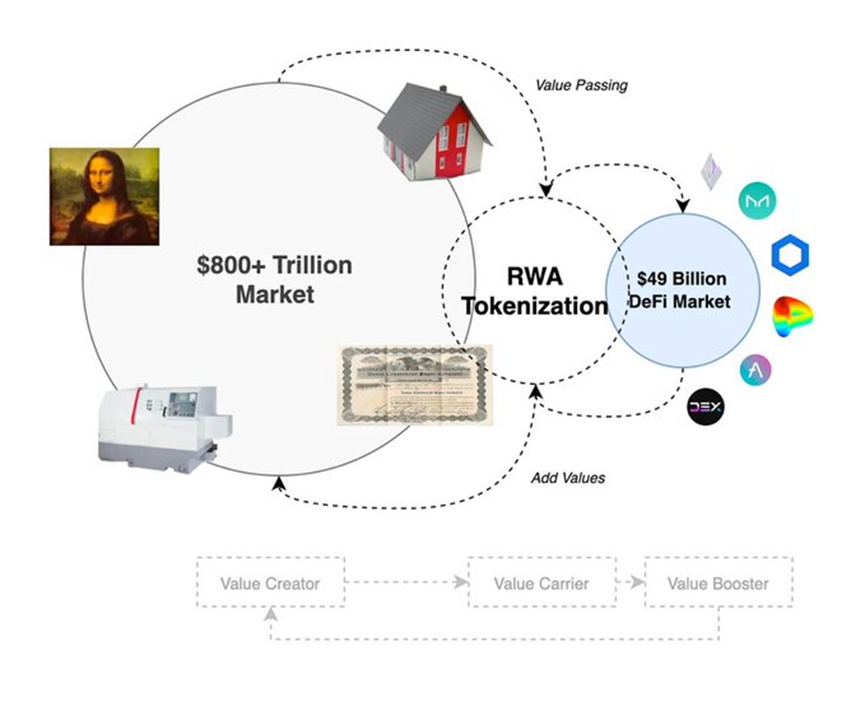
现实世界资产(RWA) 是可以代币化并在区块链上表示为数字代币的实物资产。
由于区块链易于访问,因此将其上的资产代币化使其非常高效
由于代币化,对现实世界收益资产的投资起价低至50美元,消除了高障碍,让每个人都能通过可持续的商业模式获得利润。
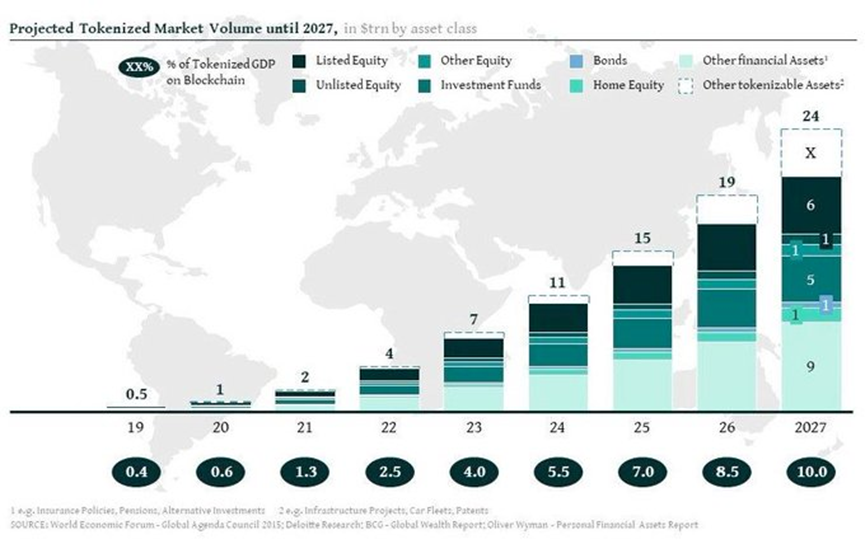
随着web3行业的迅速发展,代币化的RWA已经达到169亿美元,到2030年将达到16万亿美元。
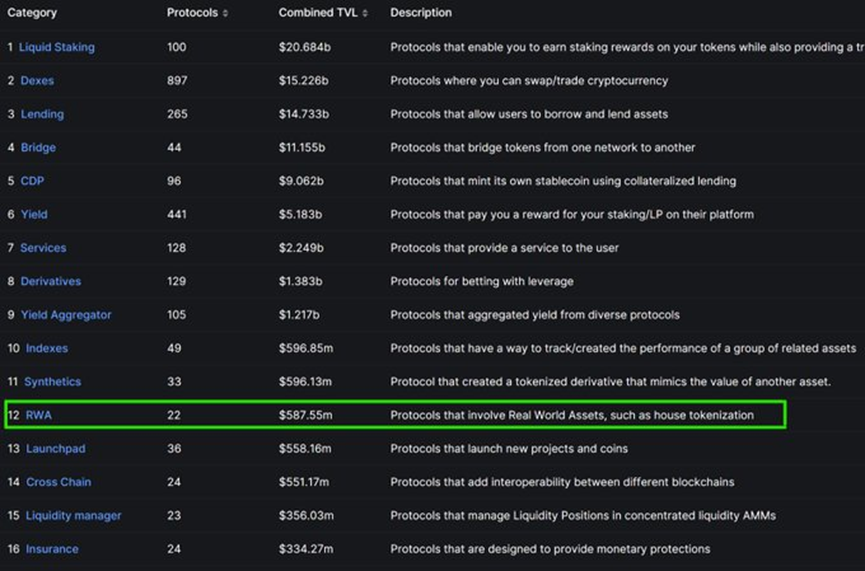
根据DeFILlama的数据, RWA TVL现在排名第12位,之前排名第22位
RWA


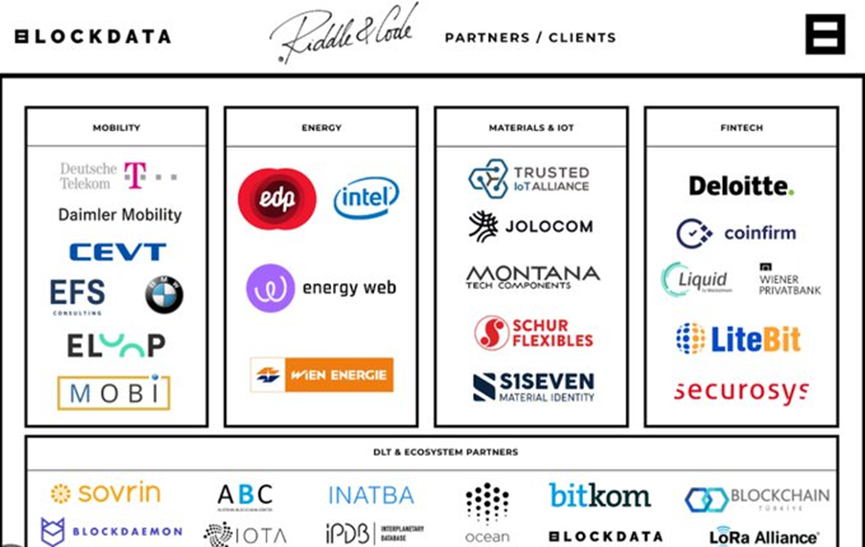
标准普尔500强公司是代币化的早期采用者:谷歌、万事达、Visa、Fiserv, Inc.、Micro Focus、美国运通公司等等。
RWA


据Blockworks报道,贝莱德首席执行官拉里·芬克(Larry Fink)表示,“现实世界资产的代币化是一个有吸引力的用例,因为它指出了提高资本市场效率、缩短价值链、改善投资者成本和准入的机会。”
万事达和谷歌推出了代币化,为Google Pay用户提供安全的万事达卡支付。
此外,有传言称亚马逊的新NFT与RWA相关
不仅如此,西门子还在Polygon上发行了6000万欧元的债券
新加坡金融管理局(Monetary Authority of Singapore)也在通过Project Guardian测试资产代币化。
高盛也推出了GS Dap来对传统资产进行代币化。
这么多有趣的观点都是关于RWA的
RWA接管加密货币只是时间问题,因为Circle的首席执行官同样相信RWA的未来

RWA


https://twitter.com/jerallaire/status/1641103383229595658
谈到代币化的RWA,一切都足够透明和清晰,没人会去争论。
公司的股份在链上移动。即使在熊市中,一些公司也承认,代币化会给他们带来比任何其他推动者更多的好处。
RWA


RWA 附带许多好处,比如你的资产可以获得固定收益,这对于那些希望尽量减少市场波动风险的用户来说是很有用的。
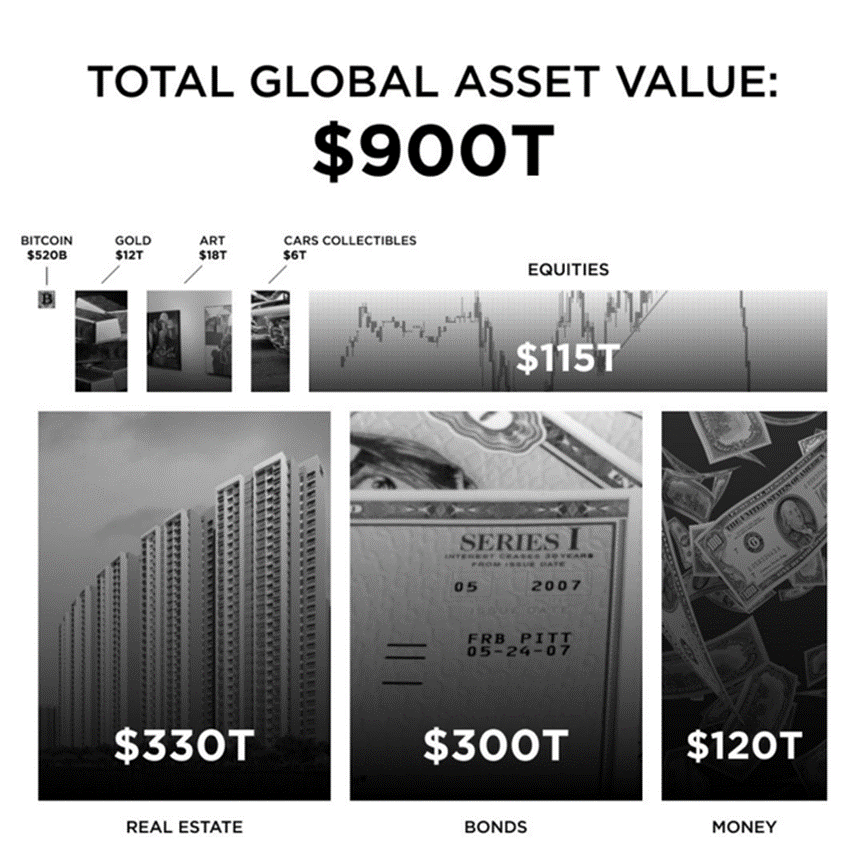
900万亿美元将被代币化,任何资产都可以被代币化,并且很有可能,想象一下,所有资产都是被分散的,并且是完全上链的。我们将拥有多么好的经济啊!股票、房地产、债券、艺术品等等
RWA


RWA是大规模采用DeFi的门户,随着企业转向线上,商务变得更快、更高效。同样,随着资产所有权转移到区块链上,新的市场将被创造出来,围绕它们的商业将变得更加高效。
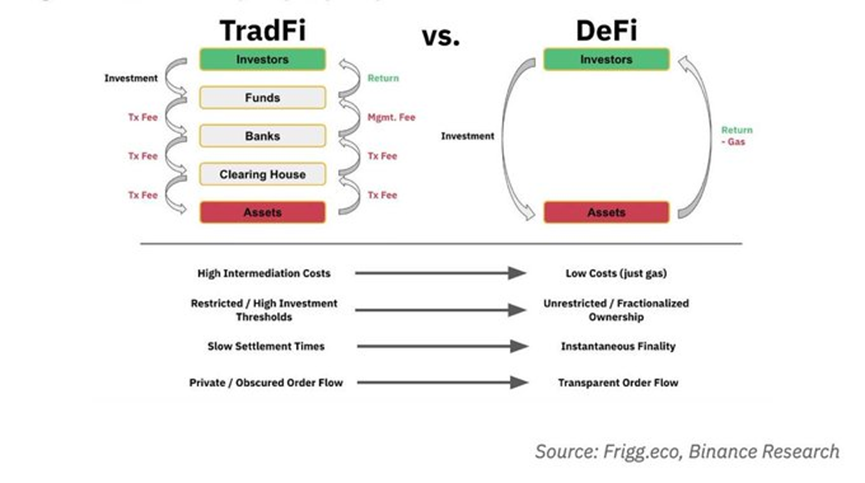
RWA


RWA将为下一批百万用户提供DeFi,尽早从这种叙事中获益的最好方法是利用构建RWA未来的协议。
Related Reads

Hubei State-Owned Assets Achieve the Largest Return in History

After years of anticipation, Yangtze Memory Holdings Co., Ltd. (YMTC) has filed for an IPO on Shanghai's STAR Market, seeking to raise 33 billion yuan—the largest offering in the board's history. This move follows the recent listing of its peer, ChangXin Memory Technologies (CXMT), which reached a market valuation exceeding 4 trillion yuan. Dubbed the "twin stars of domestic memory," both companies, founded in 2016 in Hefei and Wuhan respectively, symbolize China's push for semiconductor self-sufficiency. YMTC's journey began with its predecessor, Wuhan Xinxin, established in 2006. Backed by substantial state investment from Hubei and Wuhan, it evolved into a national memory base. The company achieved key technological breakthroughs, and now ranks as the world's third-largest and China's top NAND Flash manufacturer by sales. Its recent financials are strong, with Q1 2026 revenue of 47.04 billion yuan and net profit of 33.38 billion yuan. Post-IPO, its market value is widely expected to surpass 1 trillion yuan. The potential windfall highlights the success of long-term, patient capital from Hubei's state-owned entities. Key shareholders like Hubei Changsheng, Xintech, and government-backed funds have supported YMTC through years of development. Their collective stake could be worth hundreds of billions after the listing. This model mirrors other successes in Wuhan, such as Huagong Tech, where local state investment during a low point later yielded massive returns. The story reflects a broader national trend of regional transformation through strategic, high-tech investments. Hefei's bet on CXMT, now worth over 3.7 trillion yuan, propelled the city's A-share market cap to 4th nationally, showcasing how a major firm can reshape an entire local industry ecosystem. Similarly, Wuhan's photoelectronics cluster, now worth over 850 billion yuan, aims to become a world-class hub. The takeaway is clear: in the reshuffling of Chinese cities, patient, courageous state investment in core technologies—from memory chips to advanced manufacturing—is proving to be a decisive factor, turning long-term visions into economic reality.

marsbit27m ago

Hubei State-Owned Assets Achieve the Largest Return in History

marsbit27m ago

The Myth of AI Investment Collapses

"The AI Investment Myth Bursts: The Swift Collapse of a $45 Billion Fund The high-flying hedge fund Situational Awareness (SA), founded by 24-year-old former OpenAI researcher Leopold Aschenbrenner, neared total collapse in late July. Once a Wall Street darling, the fund saw its assets under management rocket from $1.5 billion to $45 billion in under a year, driven by a massively leveraged bet on the AI boom. Its core strategy was a 'Texas hedge'—simultaneously buying stocks seen as AI beneficiaries (like chipmakers) and shorting those deemed AI victims (like certain software firms). In reality, both sides of this trade were dependent on unbroken market confidence in AI. This strategy generated staggering returns, peaking at 439% year-to-date. However, it concealed extreme concentration, high leverage (reportedly 3-to-1), and liquidity risks from illiquid private holdings like Anthropic. When semiconductor stocks corrected sharply in late July, SA's long positions plummeted. Simultaneously, its short bets failed as 'AI victim' stocks rose, causing losses on both sides. The fund faced immediate, massive margin calls. With minutes to spare before a forced liquidation by its prime brokers, SA sold its entire public market portfolio at a discount to Citadel on July 30, narrowly avoiding a market-wide cascade. The fund's value crashed from $45 billion to roughly $10 billion (excluding its remaining Anthropic stake). The episode exposes the systemic risks embedded in the frenzied, highly leveraged chase for AI returns. It serves as a stark reminder of the old Wall Street adage: markets can stay irrational longer than investors can stay solvent. The crisis shifts focus from Aschenbrenner's AI predictions to whether capital markets will continue ignoring such dangerous concentration and leverage in pursuit of the next 'sure thing' narrative."

marsbit28m ago

The Myth of AI Investment Collapses

marsbit28m ago

Trading

Spot
活动图片