比特币下穿 2.7 万、以太坊跌逼 1770!美国地区银行危机再起

动区动趋Published on 2023-05-12Last updated on 2023-05-12

Abstract

于西太银行11 日披露5 月首周存款下降9.5%,投资者担忧有挤兑风险,尽管官方强调能满足流动性取款需求,开盘后股价仍大幅跳水,并连带拉垮金融股,美股四大指数多数收黑。

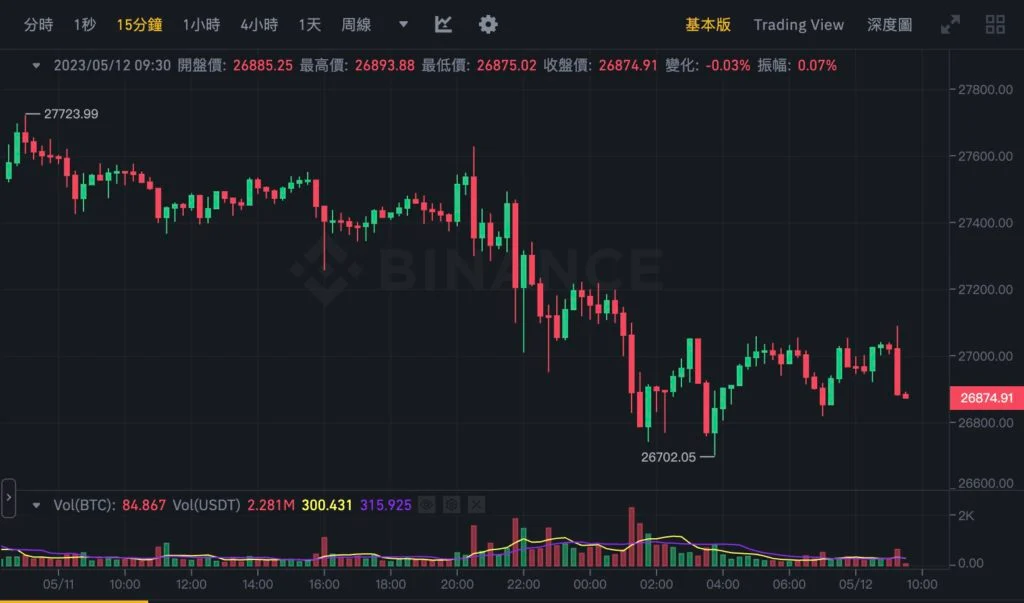
比特币昨晚持续在27,500 美元附近震荡多时候,于晚间08:30 左右开始下跌,今(12)晨最低跌至26,702 美元,截稿前多次挑战站回2.7 万美元都以失败告终、现报26,874 美元,近24 小时2.26 %。
BTC价格走势|图源:币安

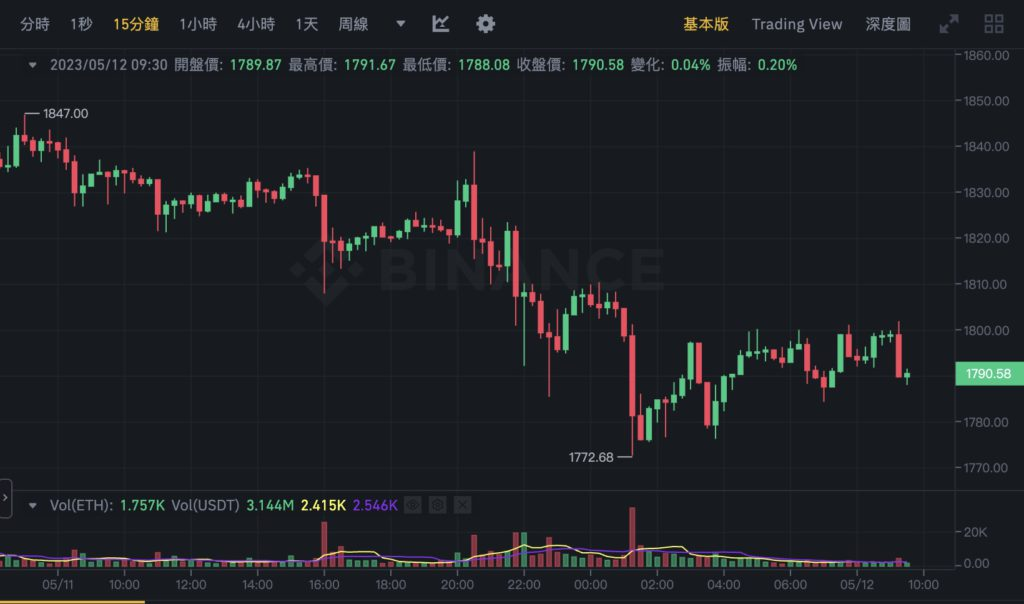
以太币(ETH)方面走势也大致雷同,清晨最低跌至1,772 美元,来到4 月初以来的低点,截稿前现报1,790 美元。
ETH价格走势|图源:币安

通膨稳步降温、但地区银行危机再起

至于在美股方面,美国劳工统计局昨晚公布生产者价格指数(PPI) ,年增2.3%,低于预期的2.5%、年增幅度写下自2021 年1 月以来最低,此外截至上周,美国首次申请失业救济人数增加了22,000 人,创下自2021 年10 月30 日以来的最高,两份报告显示通膨与劳动力市场似乎正稳健降温的迹象。

但由于西太银行11 日披露5 月首周存款下降9.5%,投资者担忧有挤兑风险,尽管官方强调能满足流动性取款需求,开盘后股价仍大幅跳水,并连带拉垮金融股,美股四大指数多数收黑。

道琼指数下跌221.82 点,或0.66%,收33,309.51 点。

那斯达克指数上涨22.07 点,或0.18%,收12,328.51 点。

标普500 指数下跌7.02 点,或0.17%,收4,130.62 点。

费城半导体指数下跌18.79 点,或0.63%,收2,978.72 点。

全网爆仓近1 亿美元

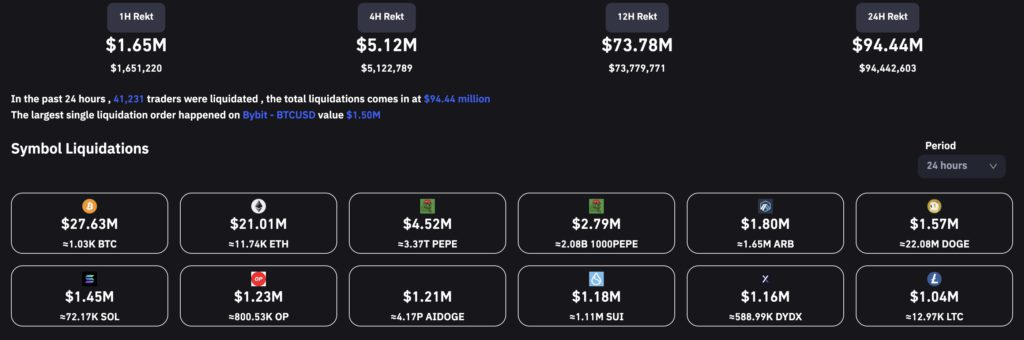
震荡下跌的行情,据Coinglass数据显示,过去24 小时内,有近4.1 万人遭清算,全网爆仓金额达9,444 万美元。其中,比特币爆仓额最大,达2,763 万美元,以太币爆仓额名列第二,达2,101 万美元。

Related Reads

Why Is the World Nervous About Japan Raising Interest Rates?

In June 2026, the Bank of Japan raised its policy rate to 1%, marking its first hike to this level since 1995. While this rate remains low compared to global peers like the US and Europe, the move signals a profound shift for a nation that has been a global source of ultra-cheap funding for decades. Japan's long-standing near-zero or negative interest rates had facilitated massive "yen carry trades," where international investors borrowed low-cost yen to invest in higher-yielding assets worldwide, such as US tech stocks and emerging market bonds. This made Japan a critical, often overlooked, source of global liquidity. Japan's ultra-loose policy stemmed from structural challenges post-1990s asset bubble: aging demographics, chronic low inflation/deflation, and high public debt. Recent shifts, including sustained wage growth (exceeding 5% in recent years) and inflation consistently above the 2% target, have created a "wage-price spiral" possibility, prompting the policy normalization. The global market's concern lies not in the absolute rate but in the potential unwinding of the yen carry trade. As Japanese borrowing costs rise, the economics of these leveraged global investments change, potentially triggering deleveraging and capital outflows from risk assets. Market anxiety focuses on the end of a thirty-year consensus that Japan would perpetually provide cheap funding. Ultimately, the global impact will depend on the interplay with US monetary policy. While Japan is tightening, the significant interest rate differential with the US remains. The key future dynamic is whether simultaneous Japanese hikes and eventual US rate cuts will narrow this gap, forcing a major recalibration of global capital flows and asset pricing built on an era of abundant, cheap yen liquidity.

marsbit5h ago

Why Is the World Nervous About Japan Raising Interest Rates?

marsbit5h ago

Trading

Spot
Futures
活动图片