12张数据图表解读1月加密行业的复苏景象

PanewsPublished on 2023-02-02Last updated on 2023-02-02

Abstract

随着比特币反弹,加密货币行业在2023年1月出现复苏迹象,绝大多数指标都展现了强劲的上涨态势,下面就让我们一起来看看吧。

随着比特币反弹,加密货币行业在2023年1月出现复苏迹象,绝大多数指标都展现了强劲的上涨态势,下面就让我们一起来看看吧。

“”

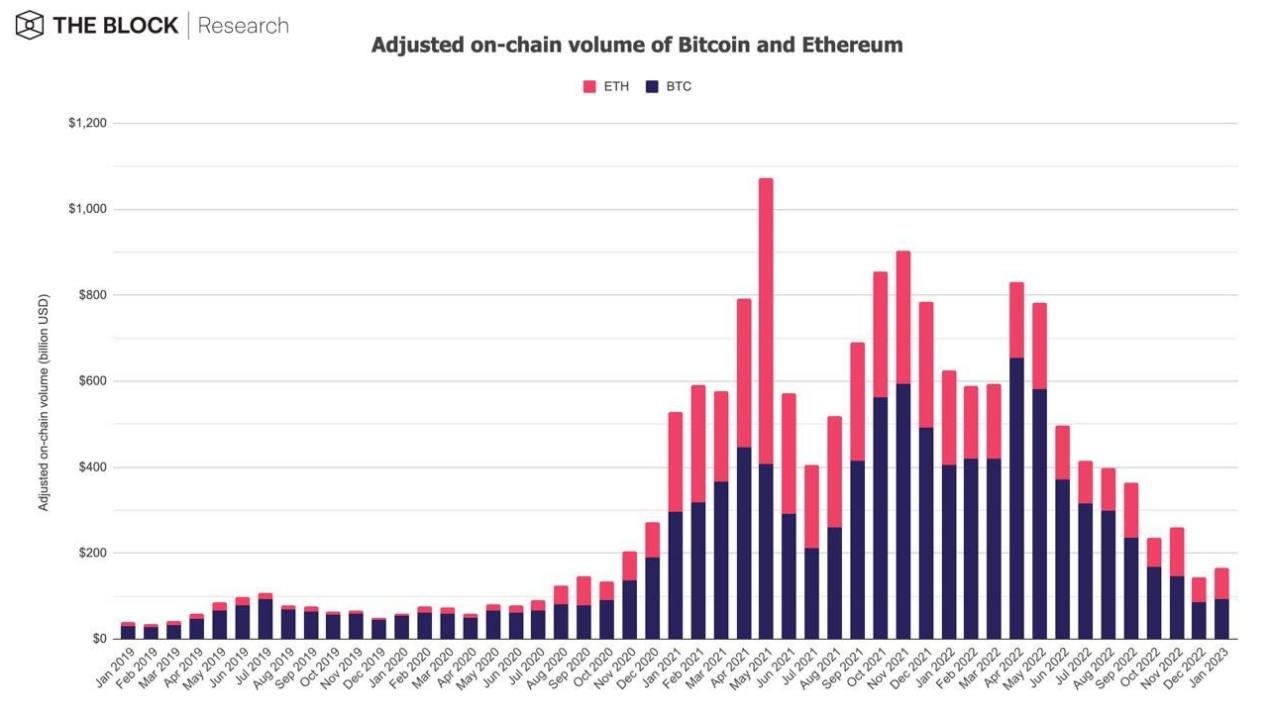
1、调整后链上总交易额增加了 14.6%,达到1650亿美元,其中比特币链上交易额增长8.1%, 以太坊链交易额增长24.1%。
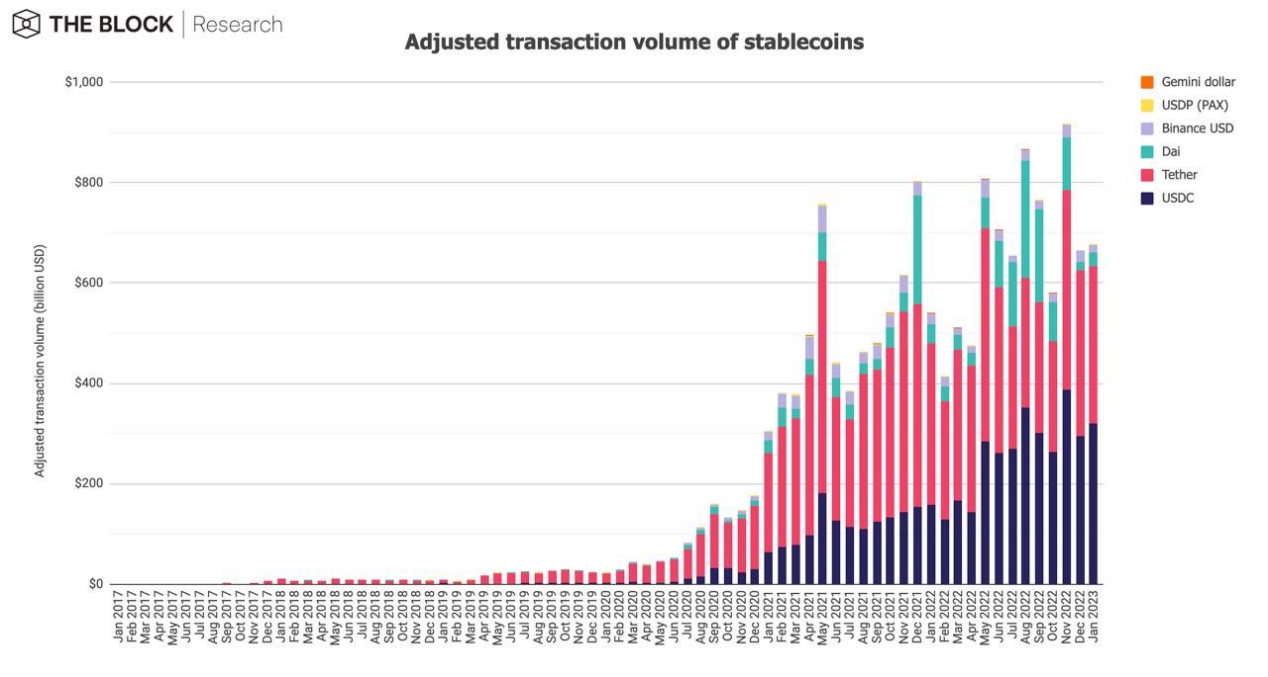
2、调整后的稳定币链上交易额增长至6672亿美元,涨幅约为1.7%;已发行稳定币供应量则进一步收缩至1327亿美元,降幅约为1.9%,其中美元稳定币USDT的市场份额上升至 53.1%,USDC则下降至29.5%。
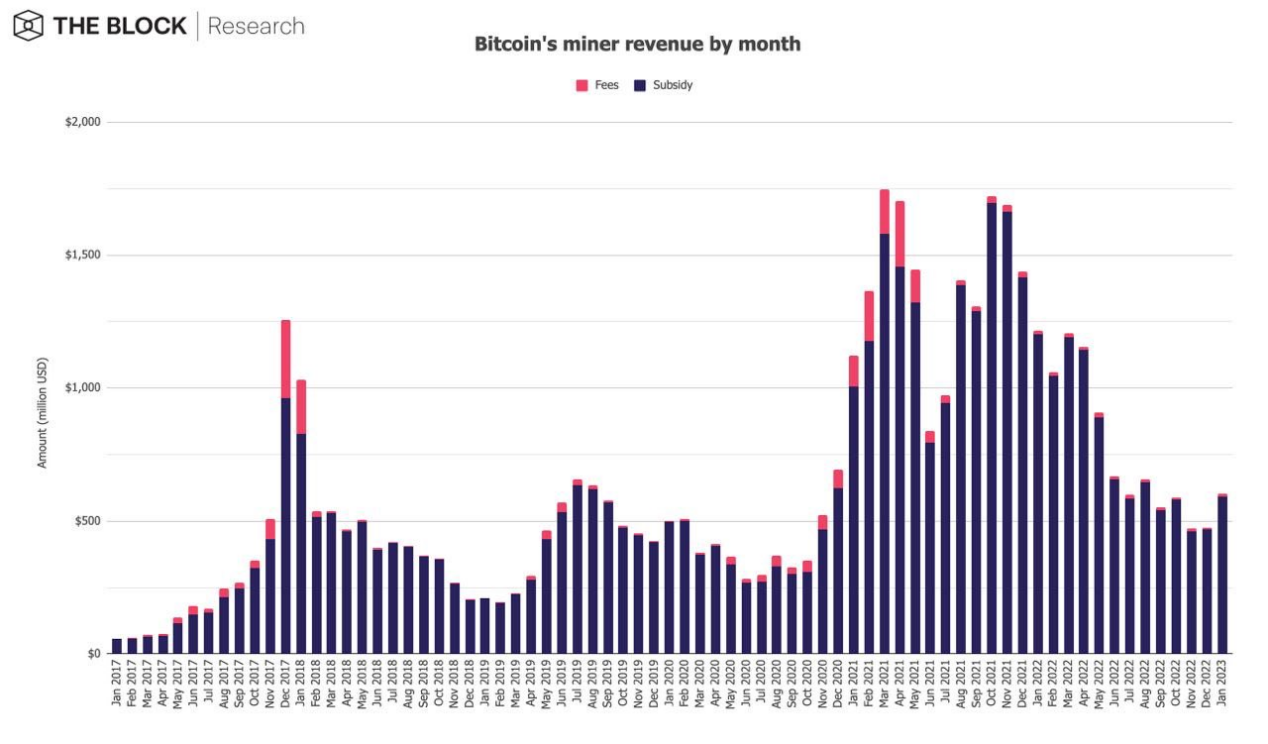
3、比特币矿工收入上涨26.1%至6.012亿美元,以太坊质押收入增长26.7%,达到1.018亿美元。
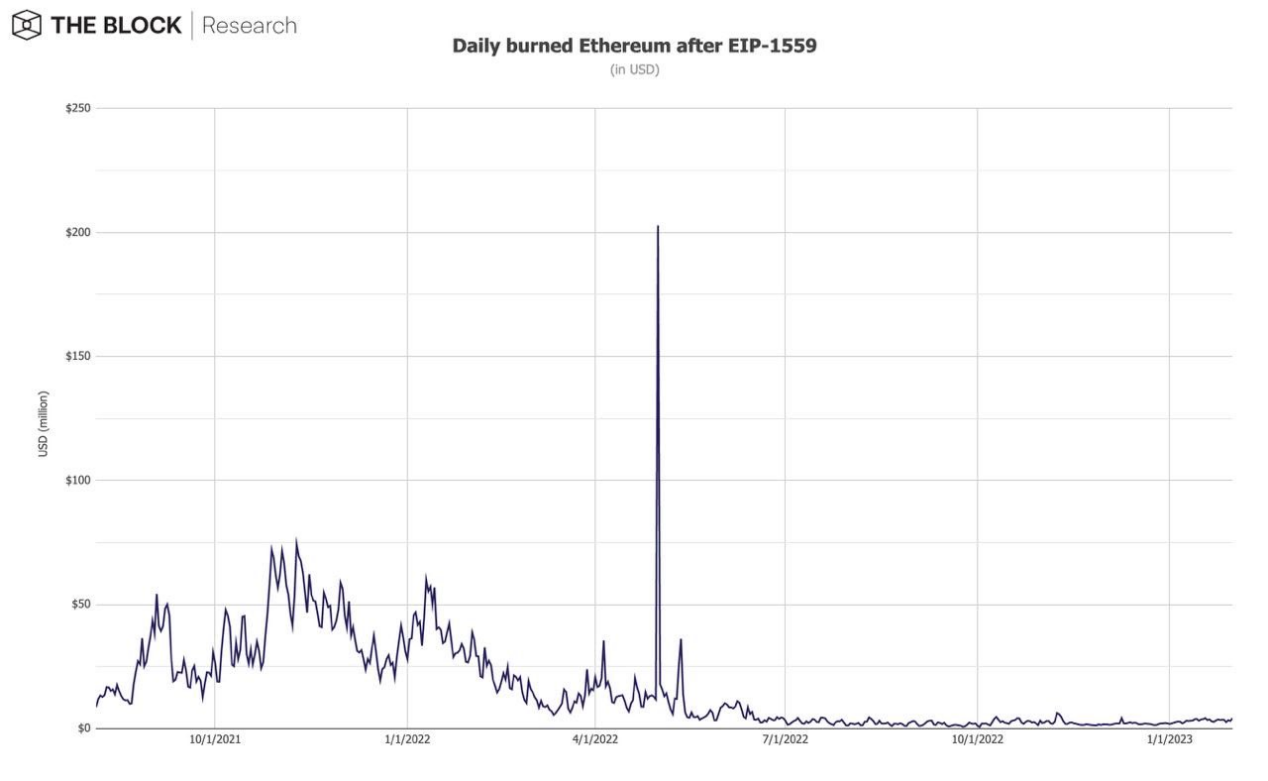
4、一月份以太坊网络共销毁了65,059枚ETH,价值相当于9,570万美元。2022年5月,以太坊网络销毁ETH数量较多是因为YugaLabs元宇宙项目Otherside销售虚拟地块引起的。自2021年8月上旬实施EIP-1559以来,以太坊总计销毁了约286万枚ETH,约合88.8亿美元。
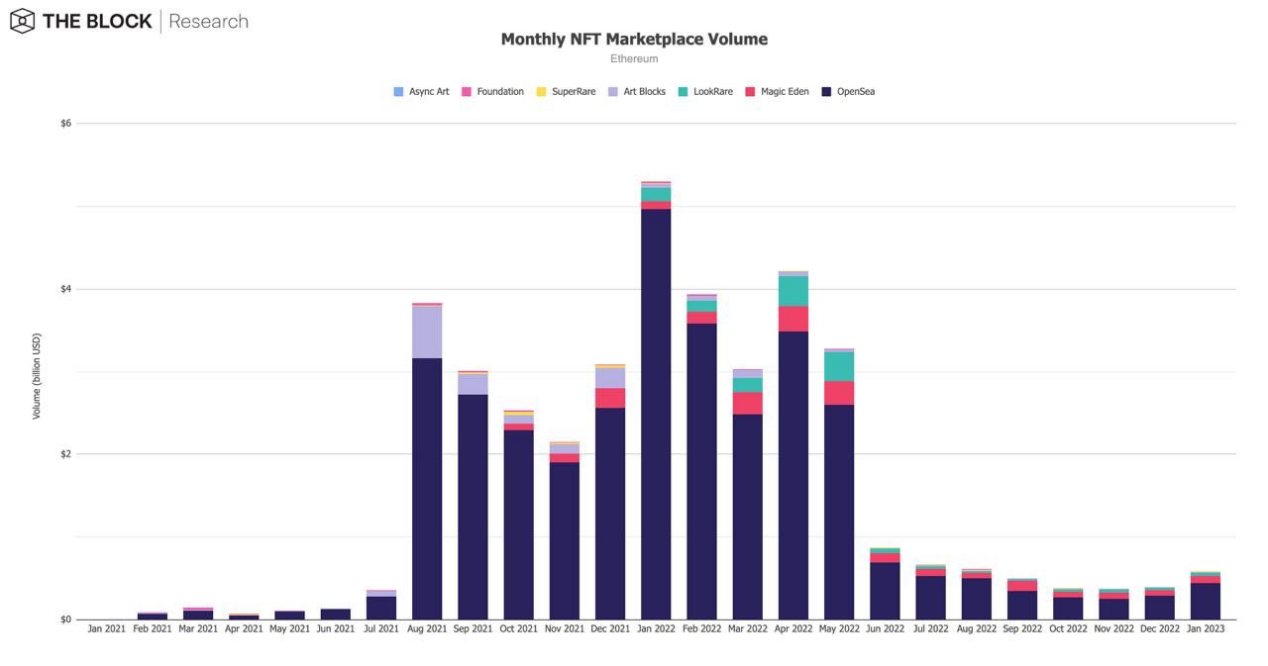
5、1月以太坊链上NFT市场交易额接近6亿美元(5.89亿美元)涨幅达到46.8%。
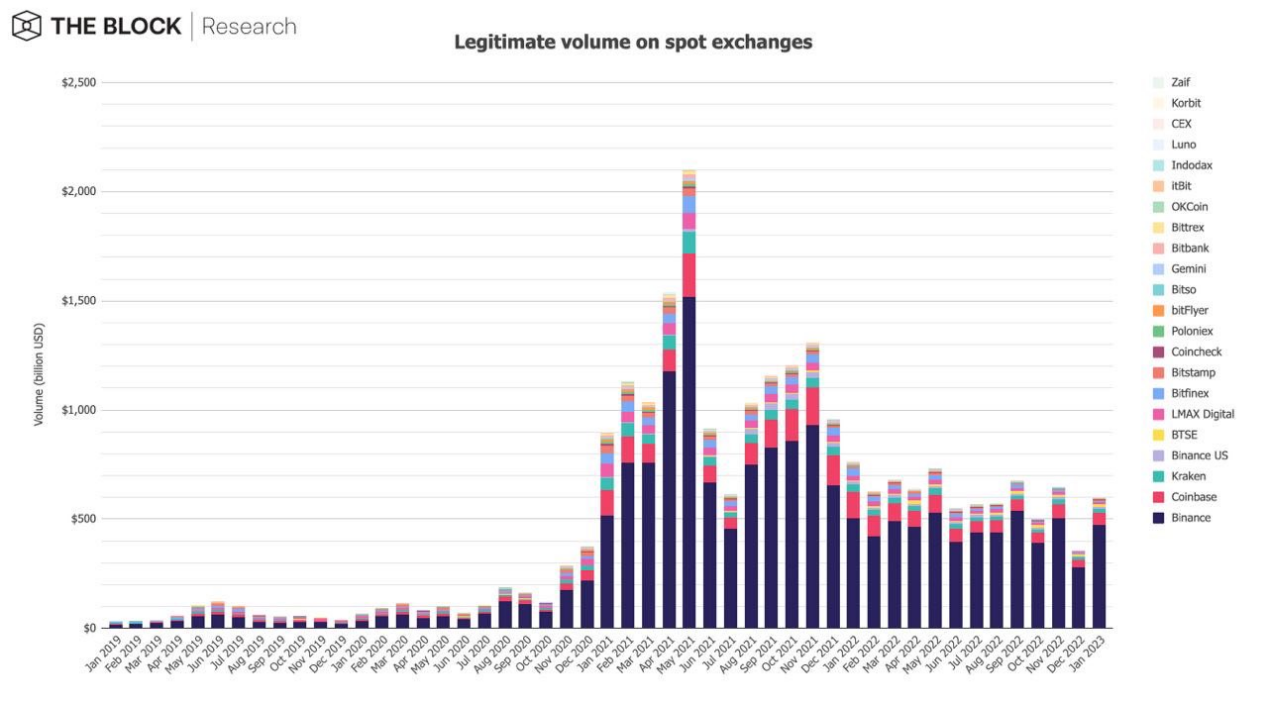
6、合规中心化交易所(CEX)的现货量在一月份增加了67.2%,达到约5976亿美元。
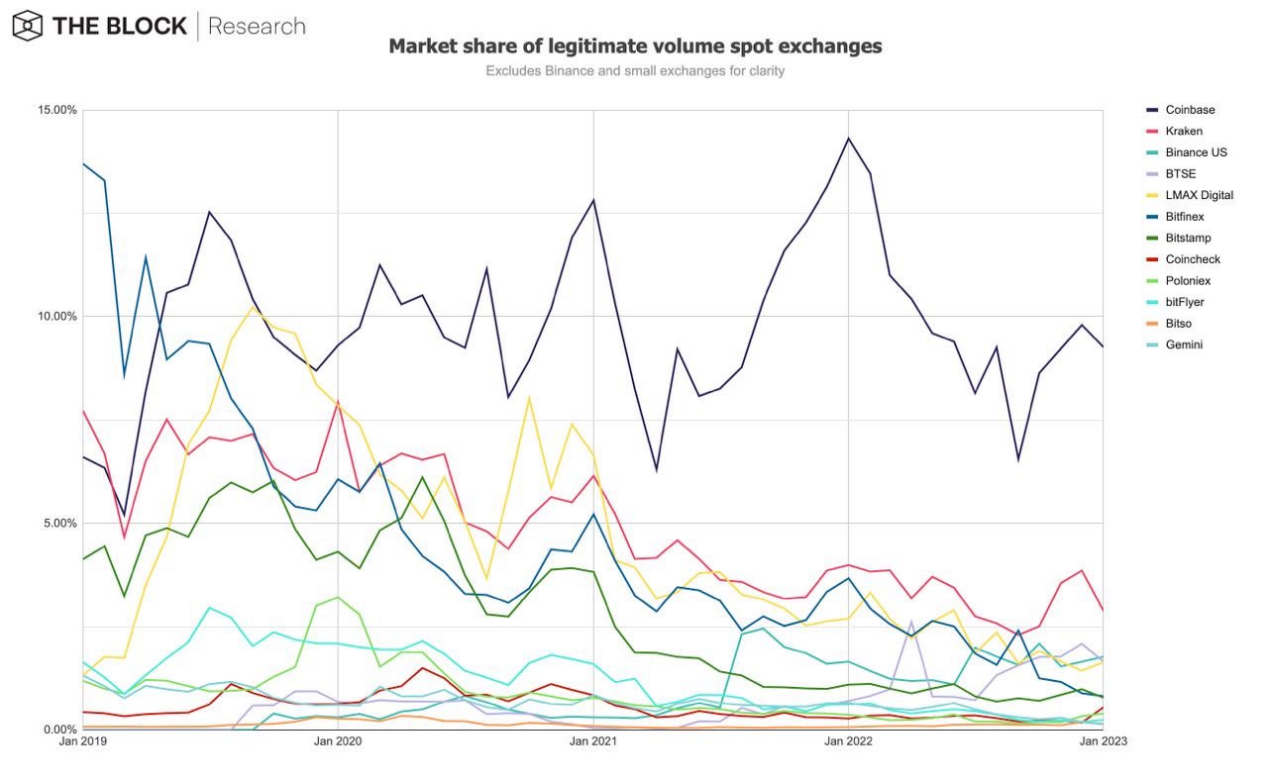
7、加密货币交易所的市场份额变化值得关注:Binance在一月份的市场份额达到79.3%,Coinbase为9.3%,Kraken为2.9%,Binance US为1.8%。
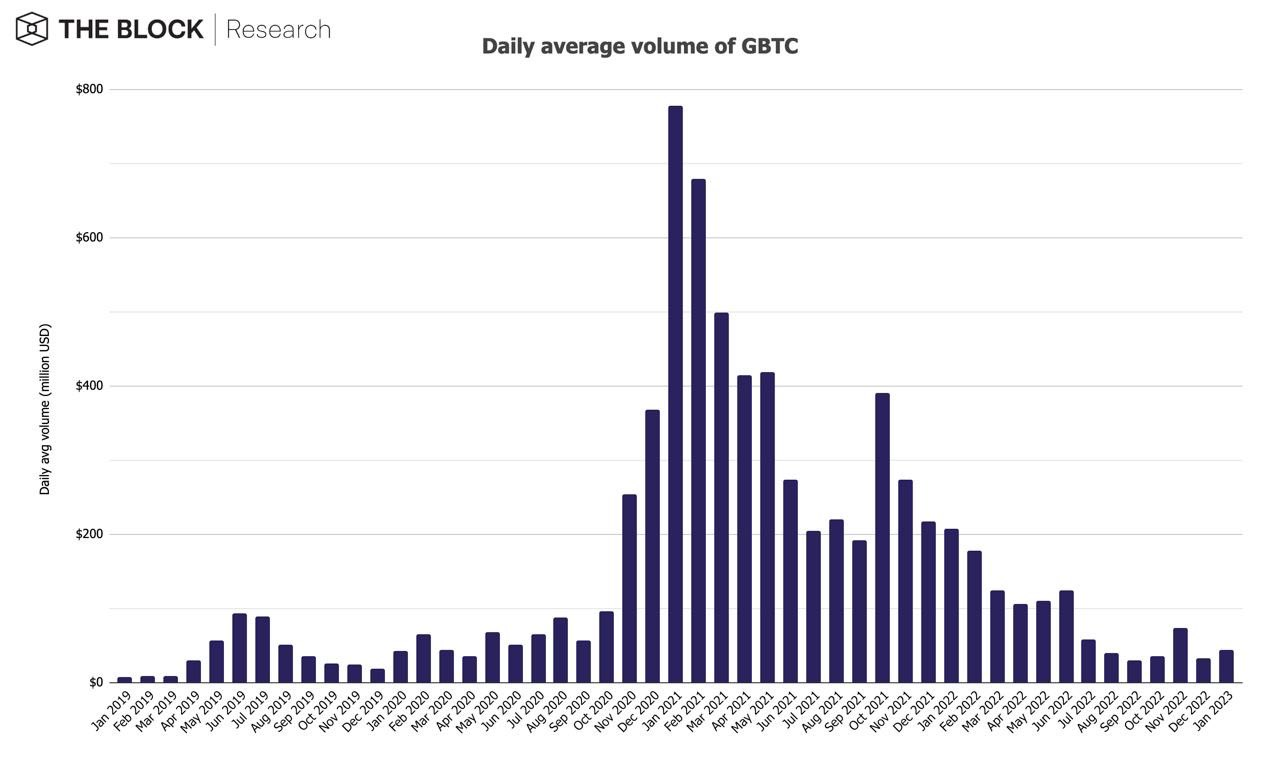
8、灰度的比特币信托近GBTC日均交易额在一月增长了32.4%,升至4400万美元。
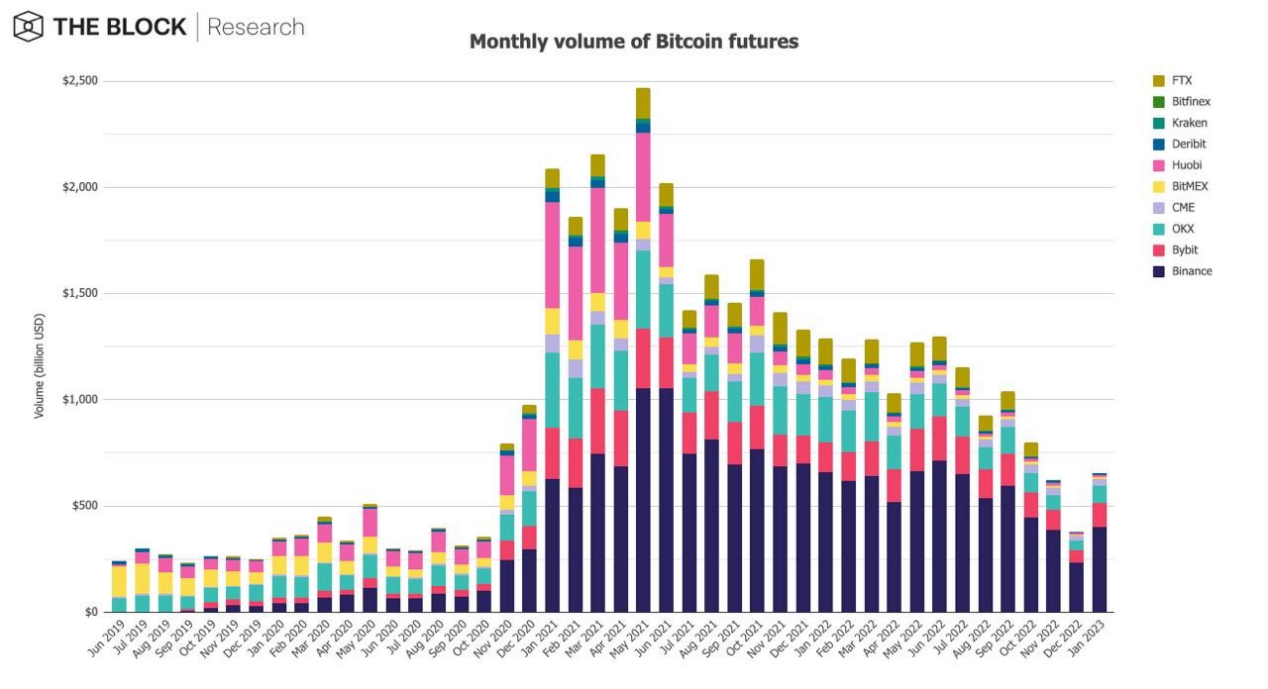
9、在加密期货方面,比特币和以太坊期货持仓量均出现上涨,其中比特币期货持仓量上涨21.3%,以太坊期货持仓量上涨15.9%;在期货交易额方面,比特币和以太坊期货交易额也出现上涨,其中比特币期货交易额在1月增加73%达到6560亿美元。
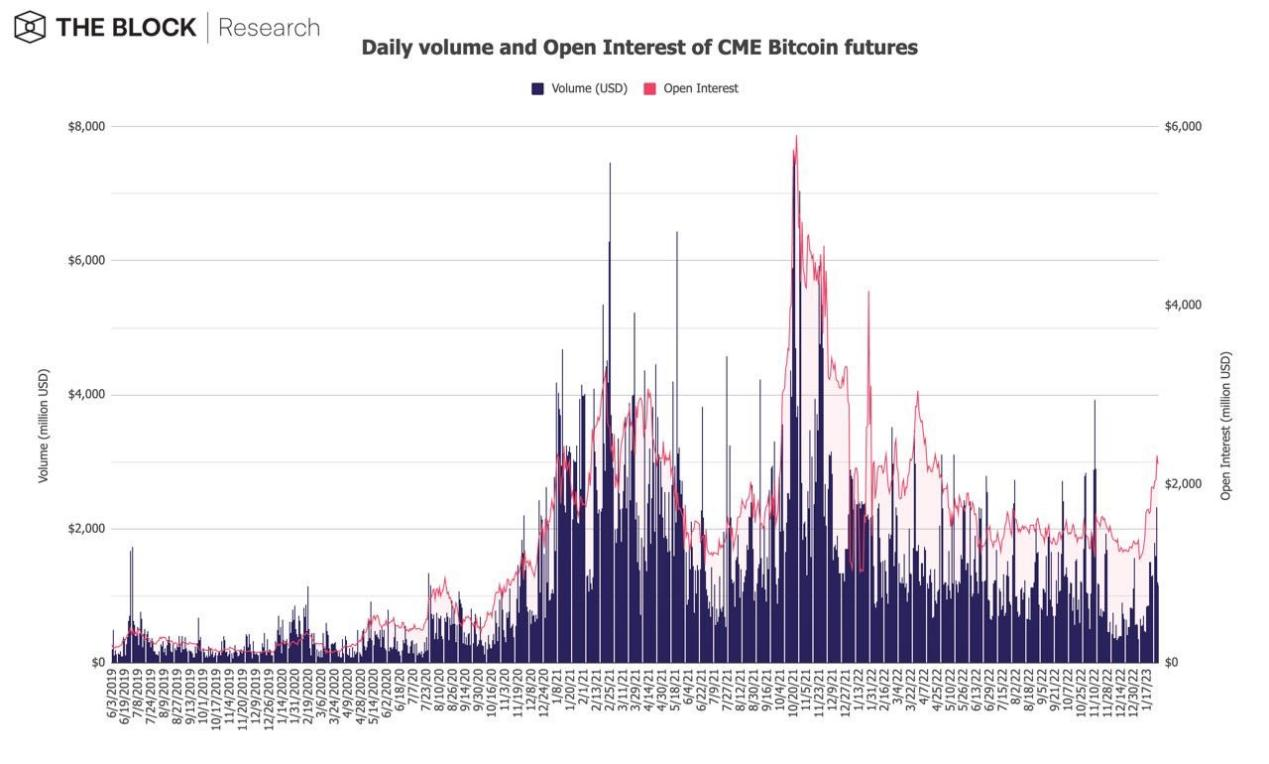
10、芝商所一月比特币期货持仓量增加了63.2%,达到22.2亿美元,日均成交金额涨幅达到55.8%,升至9.85亿美元。
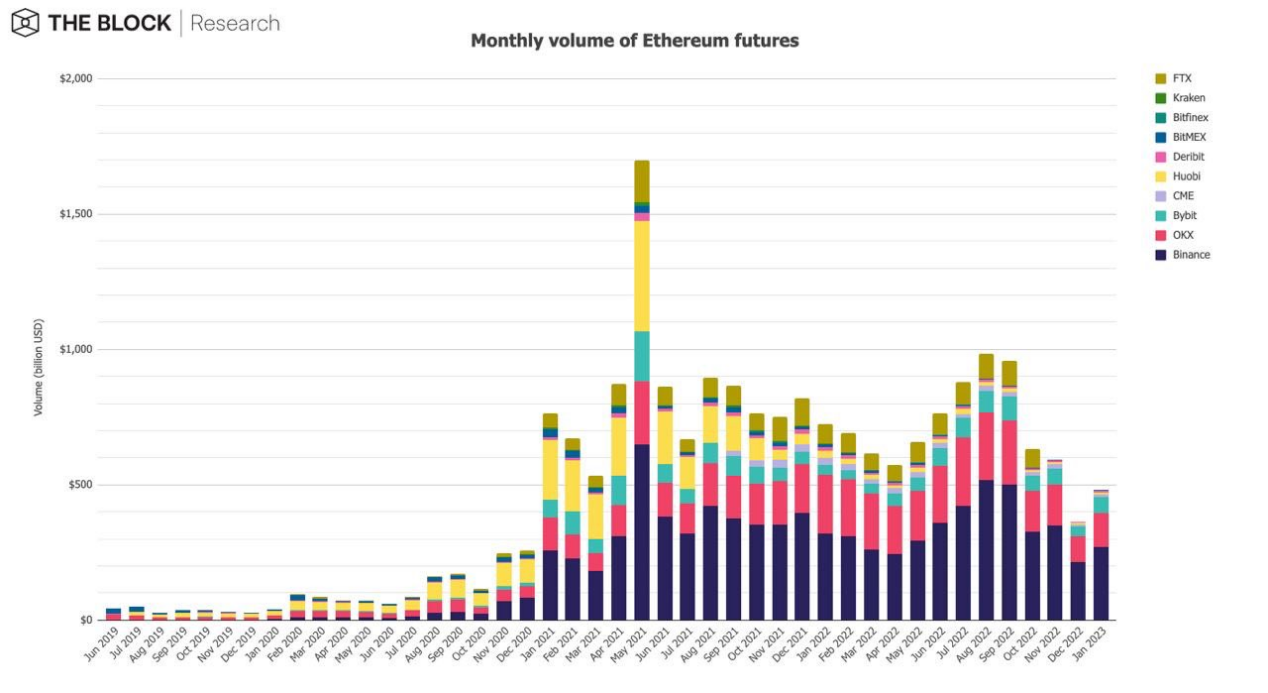
11、在以太坊期货方面,月均交易额达到4810亿美元,涨幅为32.1%。
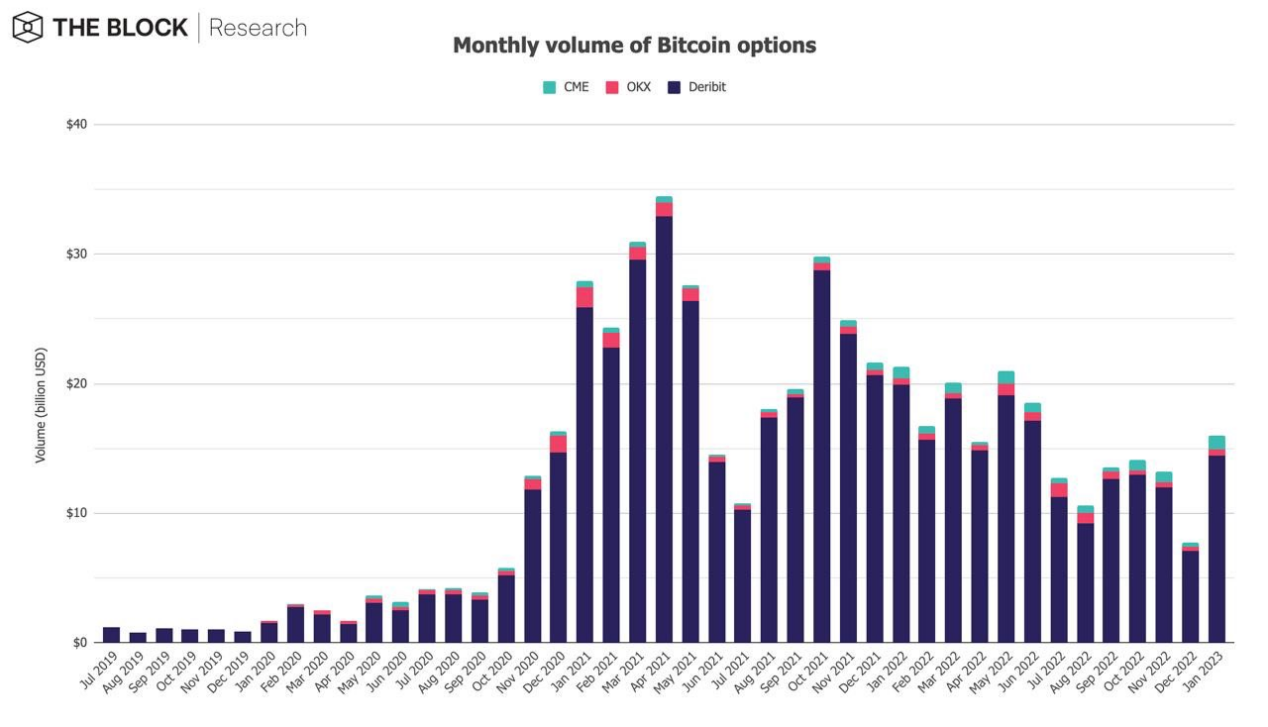
12、在加密货币期权方面,比特币和以太坊期权持仓量也都出现上涨,其中比特币期权持仓量涨幅达到116.5%,以太坊期权持仓量涨幅为71.7%。比特币和以太坊期权交易额同样普涨,其中比特币期权交易额在1月份增长了107.8%,达到160亿美元;以太坊期权交易额在1月份增长了54.5,达到85亿美元。

Related Reads

UBS: The Crowdedness of A-Share Tech Stocks Is Far From Reaching Historical Peaks

UBS: A-share tech stocks still far from peak crowding levels A-shares' technology sector has seen a strong rebound, with trading activity hitting record highs, raising concerns about market crowding. However, UBS Securities argues that a key indicator of institutional positioning suggests the current crowding level remains well below historical peaks. While the large-cap tech sector's share of total A-share trading volume and market capitalization have reached historical highs, the overweight ratio of domestic mutual funds in this sector stood at 9.9% in Q1 2026. This is down from 11.6% in Q3 2025 and significantly lower than the historical peak of 14.1% in Q4 2015. It also pales in comparison to the historical peak overweight of 18.7% for the consumer sector. UBS notes that typical cycles from a low to a peak in fund overweighting last about three years, and the current outperformance of the tech/growth style has lasted less than two years since the policy pivot in September 2024. UBS expects A-share earnings recovery to accelerate, providing fundamental support. It forecasts 2026 A-share profit growth to rise to 11% from 3.9% in 2025. Non-financial A-share profits grew 11.8% YoY in Q1 2026, with gross and net profit margins at their highest since 2023. Persistent fund inflows, the expansion of thematic ETFs, and a recovery in private fund issuance are supporting market liquidity. In tactical allocation, UBS favors growth and cyclical styles under its "slow bull" base case, with overweight ratings on six sectors: Electronics (benefiting from semiconductor inventory recovery and AI innovation), Communications (driven by AI computing demand), Machinery (aided by domestic capex recovery), Non-ferrous Metals (due to rising copper/aluminum prices), Chemicals (supported by anti-involution policies), and Electrical Equipment (driven by policy support and AI data center power demand).

marsbit7m ago

UBS: The Crowdedness of A-Share Tech Stocks Is Far From Reaching Historical Peaks

marsbit7m ago

Should You Buy SpaceX Stock at $1.7 Trillion? Here's What the Market Is Worried About

SpaceX is preparing for a massive IPO aiming to raise around $75 billion at a valuation of approximately $1.75 trillion. While its achievements in reusable rockets and the profitable Starlink satellite internet service are clear, the market is concerned about the aggressive valuation. Key issues include: the current $1.75 trillion valuation, which is about 94 times 2025 revenue, seems to price in not just existing businesses but also unproven future ventures like AI infrastructure and orbital data centers. Financially, while Starlink is profitable, the AI division, bolstered by the acquisition of xAI, is incurring massive losses and consuming the majority of capital expenditures. This acquisition also introduced complex related-party financing arrangements and debt onto SpaceX's balance sheet. Furthermore, corporate governance poses a challenge. SpaceX's dual-class share structure ensures founder Elon Musk retains absolute control, limiting ordinary shareholders' influence over high-risk, long-term strategic decisions. The future success of ambitious projects like the Starship rocket—critical for lowering costs and enabling new services—remains a significant variable for the valuation. In summary, the market's apprehension (FUD) centers not on doubting SpaceX's past technological triumphs but on questioning how much premium public investors should pay for a future that combines proven profits with highly speculative and capital-intensive new ventures, all under a governance structure that offers limited shareholder oversight.

marsbit1h ago

Should You Buy SpaceX Stock at $1.7 Trillion? Here's What the Market Is Worried About

marsbit1h ago

Breaking the DeFi Cascading Liquidation Curse: Vitalik Proposes a New Solution

Vitalik Buterin has proposed a new DeFi design to eliminate the automatic liquidation mechanism that causes market instability during sharp downturns. The current system, used by protocols like Aave, triggers forced sales when collateral value falls below a threshold, often exacerbating price drops and creating systemic selling pressure. Buterin's alternative model is based on splitting an asset like ETH into two synthetic option-like tokens, P and N, pegged to a price index. Their combined value always equals one ETH. Instead of sudden liquidation, a position's value gradually drifts from its target peg if the market moves. Users must proactively rebalance their holdings to maintain their desired exposure, transferring the management burden from the protocol to the user or automated tools. A key advantage is the reduced reliance on real-time oracles. Pricing decisions are deferred until contract expiry, allowing for more robust, fault-tolerant oracle designs. This removes a clear liquidation threshold that speculators can target for manipulation or MEV extraction. However, significant challenges remain. Frequent rebalancing could incur high slippage and transaction costs, necessitating new liquidity provider models. The design is better suited for hedging instruments than for stablecoins requiring a rigid 1:1 peg. While not an immediate replacement for existing systems, the proposal challenges the foundational assumption that instantaneous forced liquidation is an unavoidable necessity in DeFi, opening the door for fundamentally different risk management architectures.

marsbit1h ago

Breaking the DeFi Cascading Liquidation Curse: Vitalik Proposes a New Solution

marsbit1h ago

Trading

Spot
Futures
活动图片




