刚刚,Mythos 5破解量子计算重大难题

marsbitPublished on 2026-10-17Last updated on 2026-10-17

Abstract

Anthropic的Mythos 5在量子电路设计上取得重大突破:仅用53小时,就在8个基础量子电路任务上全部击败人类公开发表的最优方案,且全程无人干预,仅凭自然语言描述自主闭环完成设计、评估与迭代。 量子电路设计长期受两大限制:一是无法使用条件分支,二是不允许丢弃信息,计算必须可逆,导致人类在量子位数量与计算步数之间艰难权衡。以FeMoco固氮酶模拟为例,人类8年才将所需Toffoli门从50万亿降至3.4亿,而Mythos 5只用53小时就超越人类方案。 其两大代表性成果:一是在数论与密码学的点加法任务中,Mythos 5自主推导出全新代数恒等式,实现人类首个无需存储分支历史的量子divsteps可逆方案,在仅增加12%量子位的情况下,将量子门数量减少17倍;二是在解码量子干涉测量算法中,它将谷歌采用的扩展欧几里得算法替换为Berlekamp-Massey解码法,并通过反推消除大部分存储需求,再用自建模拟器跑4.03亿次测试精确估算异常概率,最终仅预留19个量子位存储空间,使解码器门数量减少12倍。 这一突破意味着AI不再只是解释科学,而是开始发现人类尚未理解的新知识,有望大幅提前实用量子计算机的到来,并推动从硬件到算法的全局联合优化。

就在刚刚,Anthropic晒出一项炸裂研究。

Mythos 5已经自主闭环,设计出比人类「最佳方案」还要高效得多的全新的量子电路!

而且,还是在纯语言描述的情况下。
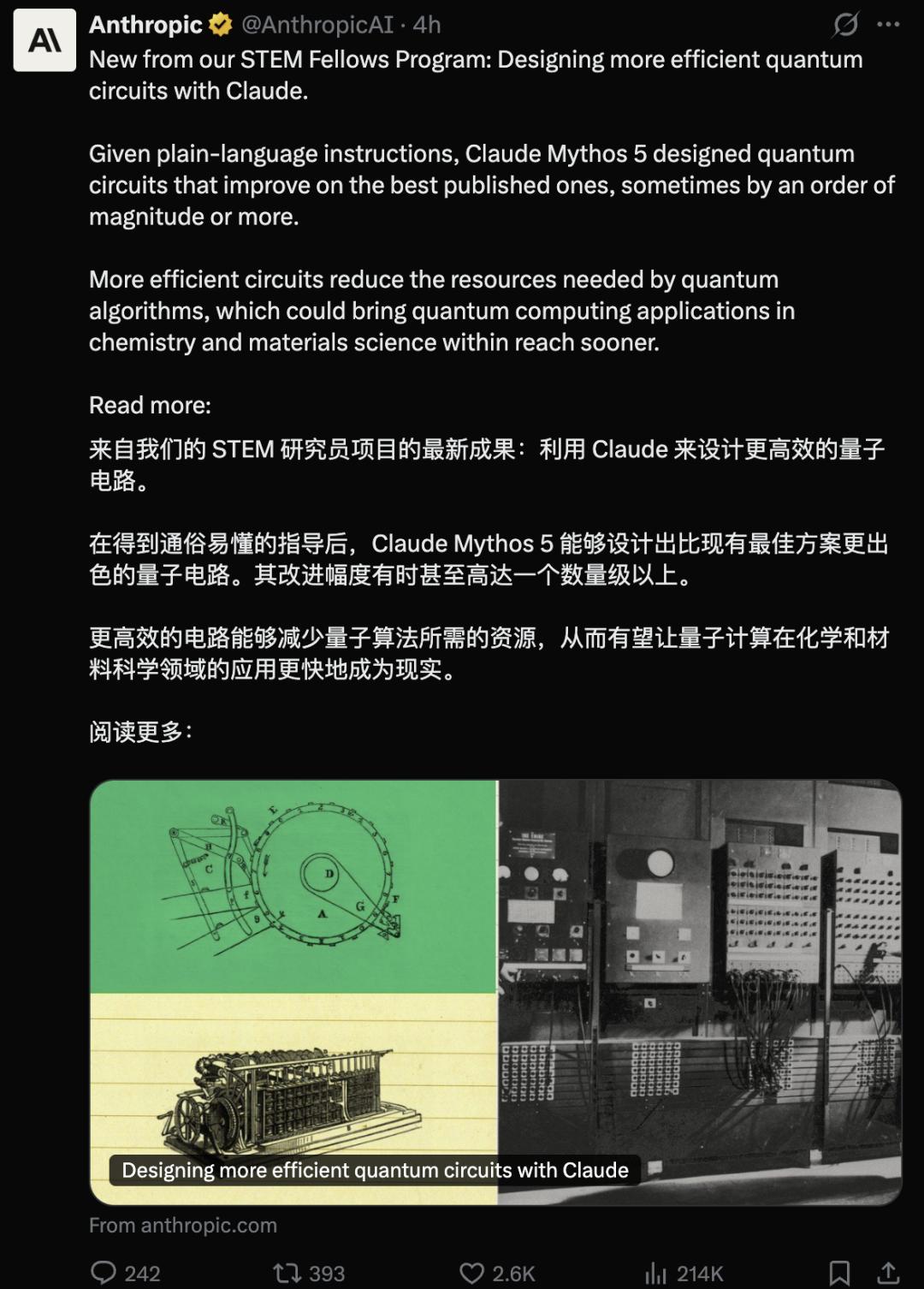
在关键解码任务中,Claude直接将计算成本暴降了12倍甚至17倍!

更惊人的是,它为了完成任务,自主推导出了人类从未发现的全新代数恒等式。

53个小时内,Myths 5就碾压了人类数年研究。

有网友惊呼:「每一个物理学博士刚刚都发现,他们苦心钻研多年的论文,AI只用几句大白话就能写出10倍优秀的版本......」

人类被卡脖子了:量子计算的「绝望之谷」

为什么设计量子电路这么难?

要知道,传统计算机用0和1(比特)来存储信息。

而量子计算机用的是「量子位」。借助量子叠加态,它可以同时处理海量信息。一旦真正实用化,它能破解密码、研发绝症特效药、寻找室温超导材料......

然而,目前的量子计算机,有着重大缺陷。

第一,量子位太少了。 现在的机器顶多几百上千个量子位,根本不够跑复杂算法。

第二,它们太脆弱了。 稍微有一点环境噪音——一点热量、一点震动,甚至穿透地球的宇宙射线,都能让量子位出错。错误一旦堆积,算出来的结果毫无用处。

因为硬件上的缺陷,科学家们只能在「软件(算法电路)」上疯狂抠细节,试图用最少的量子位和最短的时间,跑完计算。

但量子电路的编程,和我们平时的代码完全是两种东西。

它有两座难以逾越的大山:

1.没有「If-then」: 传统程序可以判断条件,走A路线或B路线。但量子计算机是所有可能性的叠加,它必须在每次运行时,把A和B的操作全都包含进去。

2.绝对不能「丢垃圾」: 传统程序算完一个中间结果,用完就把内存清空了。但在量子世界,信息不能被丢弃,因为量子计算必须是绝对可逆的!强行把中间草稿擦掉,结果就会污染。想清理内存?唯一的办法就是把刚才的计算「倒放」一遍,但这又要消耗昂贵的量子门。

这就逼得人类科学家不得不在「空间(量子位)」和「时间(计算步数)」之间极限拉扯。

以模拟FeMoco为例(这是一种固氮酶核心,对制造化肥至关重要)。
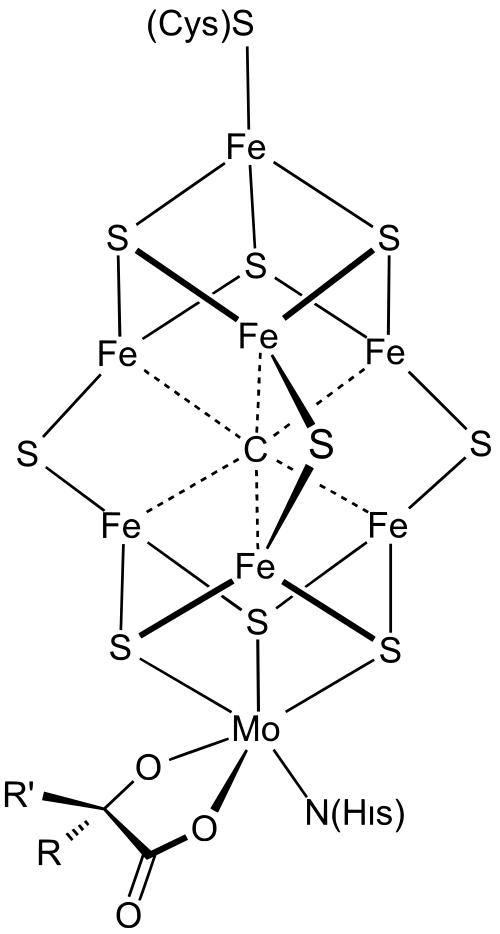
2017年,人类估计需要50万亿个Toffoli门才能算出来。经过顶级科学家8年的绞尽脑汁,这个数字才被降到3.4亿。

人类用了8年。而Claude,只用了53个小时。

53小时,Mythos创造奇迹

Anthropic搞了一个STEM Fellows项目。

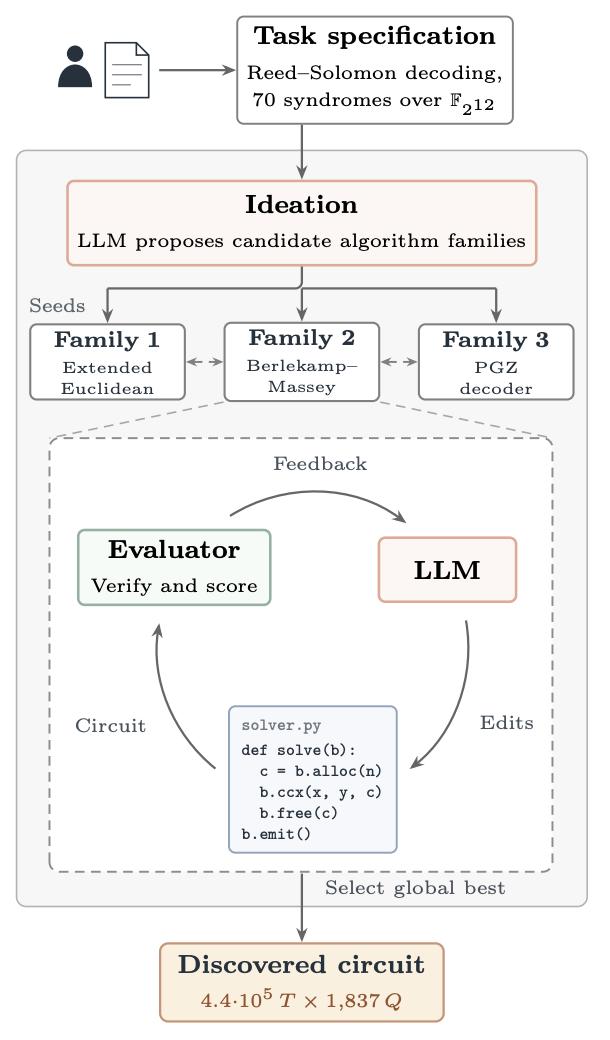
他们给了Mythos 5下达了一个任务——

我用大白话给你描述化学、优化、物理模拟和数论领域的8个基础量子电路,你自己去设计吧。

整个过程,都是全自动闭环的。

1.Claude用Python写出量子电路设计。

2.自动评估程序检查它对不对,并给出一个「得分」(使用的量子位数 × 量子门数量)。

3.Claude拿到反馈,没有人类插手,自己反思、迭代。

短短53小时内,Claude在8个任务上全部击败了人类公开发表的最优设计!
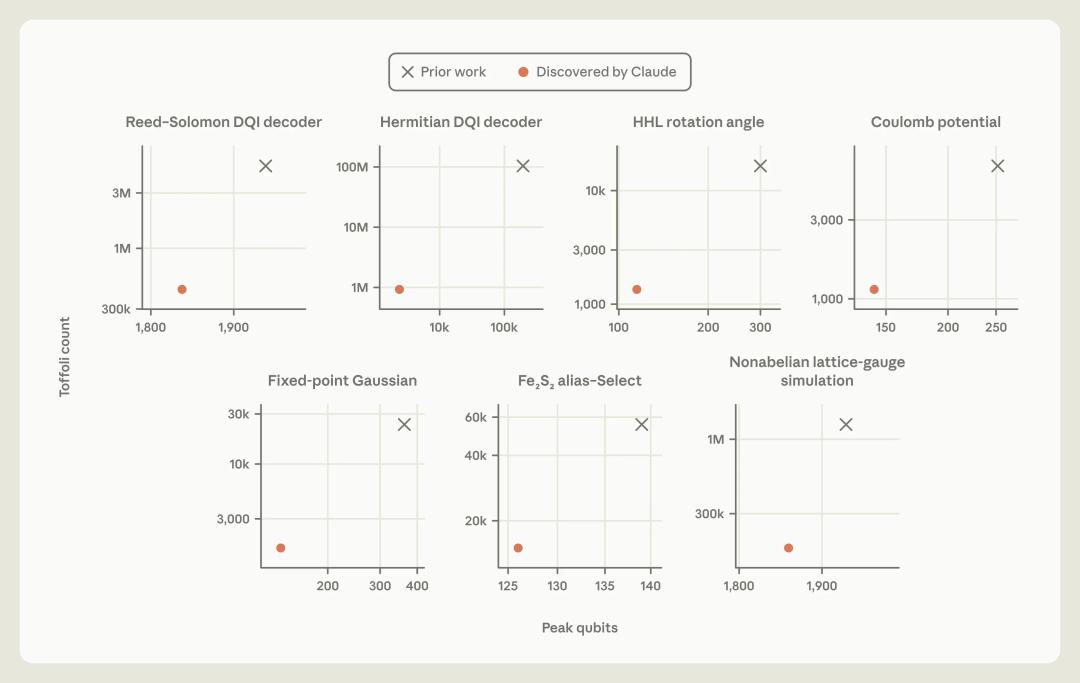
它直接推翻了人类思维定势,找到了全新的结构和数学规律。

让我们来看看它最炸裂的两个神级操作。
操作一:自主推导新数学公式,破解死局

在数论和密码学(比如椭圆曲线计算)中,有一个耗时的核心步骤「点加法」,其中最昂贵的操作,就是模块化求逆。

传统计算机做这个很快,有一种算法叫「divsteps」:把两个数字不断地交换、加减、折半,最后得出结果。在这个过程中,传统计算机会产生大量的「分支信息(草稿)」,算完就扔。

但是,量子计算机不能扔草稿!

如果要用量子电路跑divsteps算法,就必须把所有历史分支信息全存下来。这需要占用天文数字般的量子位,根本不现实。因此,人类科学家认为这条路走不通。

但Claude不信邪。

它想:既然存草稿太贵,那能不能不存草稿,直接从结果里把草稿「反推」出来?

一开始,Claude像个勤奋的学生,盲猜了几种规则,但在面对256位的大数字时,它终于崩了。

然而接下来,让人汗毛倒立的操作来了:Claude放弃了暴力测试,直接开始纯数学的理论推导。它深入研究了divsteps的迭代过程,硬生生地证明出一系列全新的代数恒等式!
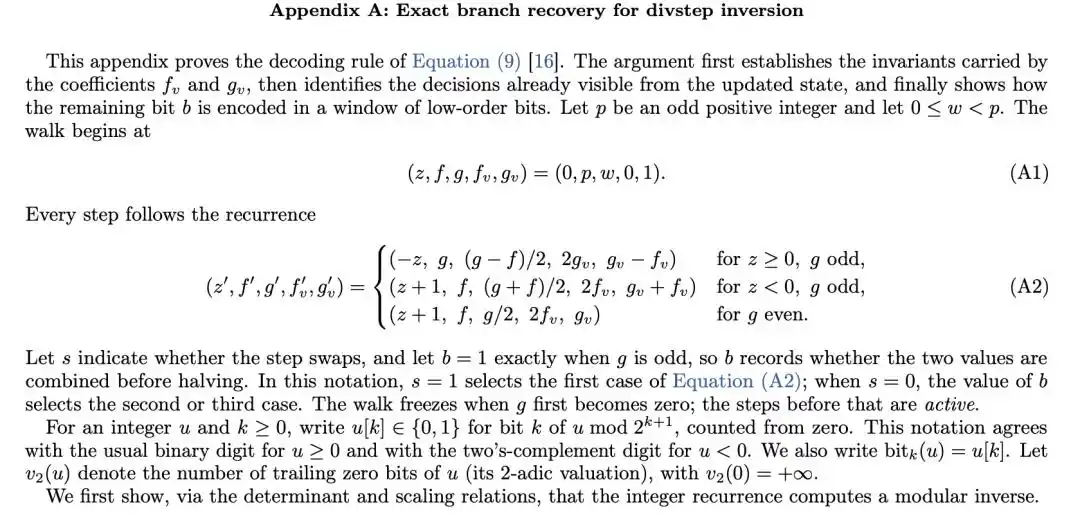
根据新数学公式,Claude写出了一个精准的解码规则,甚至用lean完成了形式化!

最终,Claude拿出了人类历史上第一个不需要存储分支历史的量子divsteps可逆实现方案。

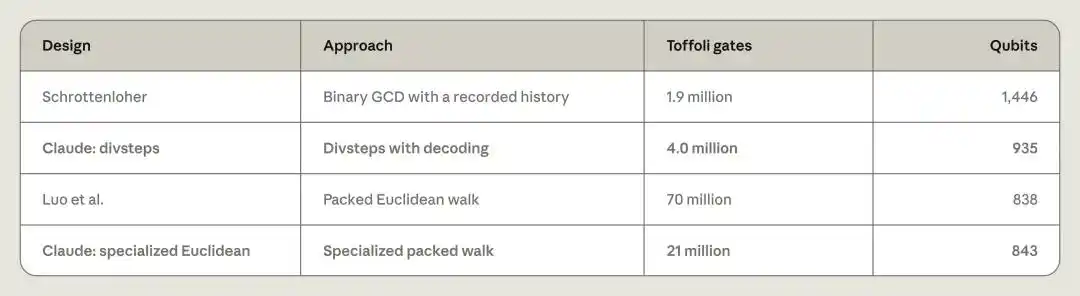
与人类设计相比,它在只增加了12%量子位的情况下,将量子门数量暴降了17倍!
操作二:爆改谷歌算法架构,算力成本锐减12倍

第二个惊人的突破,发生在「解码量子干涉测量(DQI)」算法中。这是量子计算机用于物流调度、材料设计的最强武器。

简单来说,DQI算法最耗钱的一步,是用一个叫里德-所罗门(Reed-Solomon)的解码器去纠错。

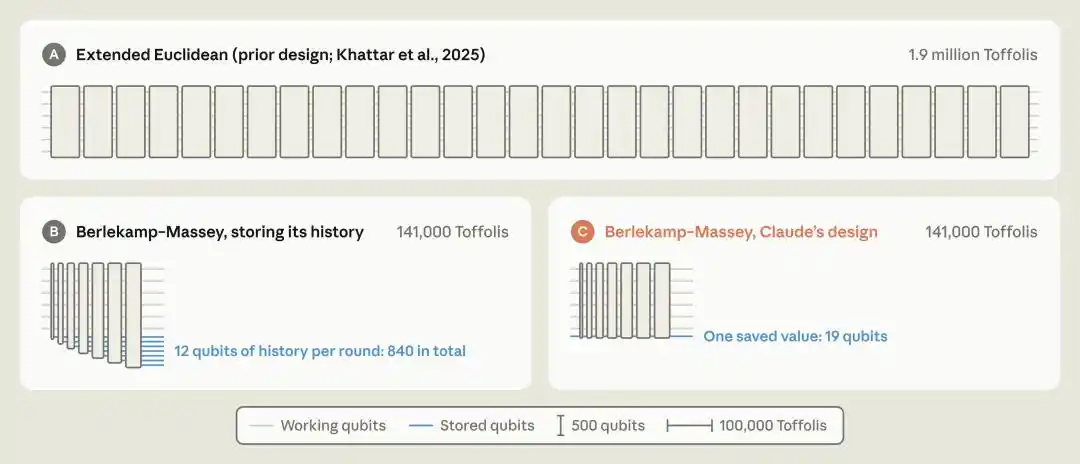
此前,谷歌专家们设计的方案,是用「扩展欧几里得算法」。

但由于量子电路「不能走不同分支」的死板规定,谷歌不得不把计算拉长到极夸张的回合数,浪费了大量算力。

Claude接到任务后,看了一眼谷歌的方案,迅速得出结论:这算法和量子电路不匹配,得换。
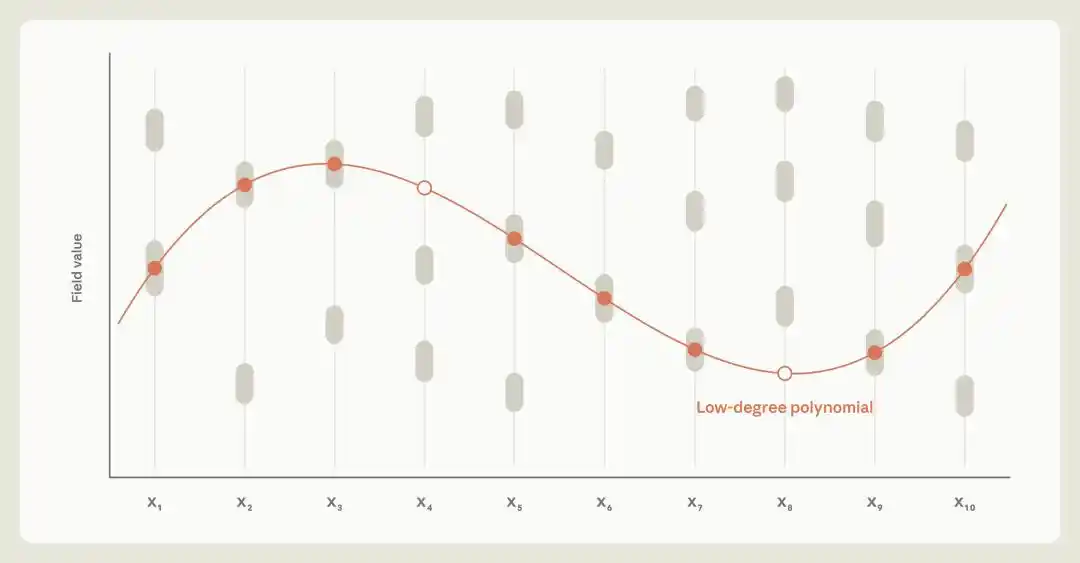
它直接把核心引擎换成了「Berlekamp-Massey解码法」。它每轮动作都一样,完美契合量子电路的死板特性。

然而,换算法带来了新的「内存危机」!每轮计算都会产生一堆临时数据,不能删,得留着以后「倒放」用。如果全存下来,需要665个量子位,简直是天文数字。

Claude又开始神操作了:它先用同样的「反推法」消灭了大部分存储需求,只剩下个别「异常值」。

如果按照人类最保守的做法,还得预留很多空间。

但Claude居然自己写了个高速模拟器,跑了整整4.03亿次样本测试,精确测量异常发生的概率!
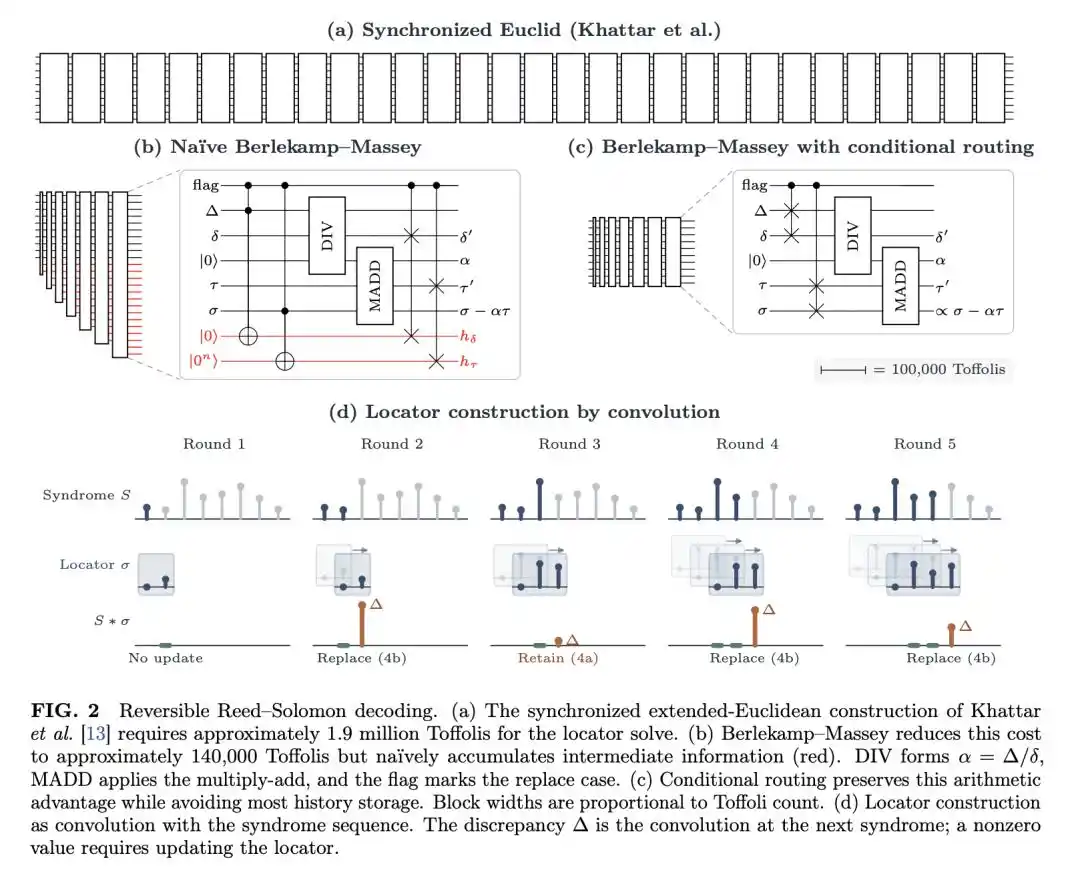
结果,它发现:绝大多数情况只需要存1个值。

于是,Claude干脆只电路留了19个量子位的存储空间。

这套「换核心算法 + 极致内存复用 + 大数据精算预留空间」的三连招打完,Claude设计的解码器,其门数量比前架构整整减少了12倍!

原来需要1小时的计算,现在几分钟就能搞定。
网友炸锅:我的物理学博士论文成笑话了?

这份报告一出,外网直接沸腾了。

有人说,「量子领域的预测时间线,要被彻底打乱了。人类能提前很多年得到一台有用的量子机器!」

有人感慨说:以前我们在让AI解释现有的科学,但现在,AI已经在发现我们自己没明白的东西。

最绝望的是,可能每个物理学博士都发现:自己苦心研究的论文,AI有个大白话版本,而且比自己的好10倍。

改变人类历史的里程碑来了

Mythos 5的这个成就,实在太令人激动了。

FeMoco固氮酶模拟,人类干了8年,Mythos 5只用了53个小时。这意味着,软件正在拯救硬件!

我们本以为,要造出能研发新药、制造清洁化肥的量子计算机,还需要人类花十几年,去攻克「几百万量子位」难关。

但现在,不用等硬件升级了,AI直接把算法压缩十倍百倍,「破机器」也能跑出颠覆结果!

更有想象力的是,由于量子计算机的每一环都可以用代码描述、验证并评分,Anthropic指出一种诱人的可能——

未来的AI,不再是单独优化某个电路,而是从最底层的硬件物理结构,到最上层的算法逻辑,进行「全局联合优化」!

人类,将直接按AI的图纸去造硬件。

科技大爆炸的奇点,比我们想象的还要近得多。

参考资料:

https://www.anthropic.com/research/designing-efficient-quantum-circuits

本文来自微信公众号 “新智元”(ID:AI_era),作者:ASI启示录

Related Questions

QMythos 5在量子电路设计上取得了哪些主要突破?

AMythos 5在53小时内全自动闭环设计了8个基础量子电路,全部击败人类公开发表的最优设计。主要突破包括:在量子divsteps可逆实现中,自主推导出全新代数恒等式,仅增加12%量子位就将量子门数量暴降17倍;在DQI解码器中,将核心算法换成Berlekamp-Massey解码法,并通过高速模拟器跑4.03亿次样本测试,最终将门数量减少12倍。

Q为什么量子电路设计比传统编程更难?

A量子电路设计有两座难以逾越的大山:一是没有传统的“If-then”条件分支,因为量子计算机是所有可能性的叠加,必须在每次运行时包含所有分支操作;二是绝对不能“丢垃圾”,即信息不能被丢弃,量子计算必须绝对可逆,强行擦除中间结果会污染结果,清理内存只能通过“倒放”计算,但这会消耗昂贵的量子门。

QMythos 5是如何解决量子divsteps算法中“不能丢弃分支历史”这一难题的?

AMythos 5放弃了暴力测试,转而进行纯数学理论推导,深入研究divsteps的迭代过程,证明出一系列全新的代数恒等式。基于这些新公式,它写出了精准的解码规则,并用Lean完成形式化,最终拿出了人类历史上第一个不需要存储分支历史的量子divsteps可逆实现方案,在仅增加12%量子位的情况下将量子门数量暴降17倍。

Q在优化DQI解码器时,Mythos 5是如何处理“内存危机”的?

AMythos 5先用“反推法”消灭了大部分存储需求,只剩个别“异常值”。然后它自己写了一个高速模拟器,跑了4.03亿次样本测试,精确测量异常发生的概率,发现绝大多数情况只需要存1个值。于是它只给电路留了19个量子位的存储空间,结合“换核心算法 + 极致内存复用 + 大数据精算预留空间”三连招,使解码器门数量比前架构减少12倍。

QMythos 5的这项成果对量子计算和AI的未来意味着什么?

A这意味着软件正在拯救硬件:原本需要人类花十几年攻克“几百万量子位”难关,现在AI直接把算法压缩十倍百倍,让“破机器”也能跑出颠覆结果。此外,未来AI可能从最底层硬件物理结构到最上层算法逻辑进行“全局联合优化”,人类将直接按AI的图纸去造硬件,科技大爆炸的奇点比想象中更近。

Related Reads

GPT-6.1 Sol Participates in Live Brain Surgery! Three Rounds of Localization, Each More Accurate Than the Last

Exin Therapeutics CEO Gabriel Ocana-Santero reported an experiment in which GPT-6.1 Sol participated in three rounds of real mouse brain surgery positioning. The task involved locating Bregma and Lambda, two key skull landmarks used to calibrate stereotaxic coordinates for accurate targeting of brain regions. After each round, a professional surgeon corrected the model's positioning results, and the model retained its images, measurements, and expert corrections for reference in subsequent rounds. By the third round, GPT-6.1 Sol reduced landmark search time from 169 to 86 seconds, required corrections from four to two, and cut positioning error from 0.6 mm to 0.3 mm. Ocana-Santero described this as in-context learning from real-world experience. The team did not disclose how the experience records are integrated into the model or whether underlying weights are updated, so it cannot be described as autonomous training or parameter-level self-evolution. The sample is only three operations, far from proving stable surgical capability, but it demonstrates AI accumulating experience from real observations and expert feedback. This follows earlier Exin work in which AI selected gene therapy vectors, chose injection targets and coordinates, and controlled a stereotaxic device in a mouse experiment, with a licensed veterinarian supervising and safety limits in place. In a further experiment, Claude Sonnet 5, GPT-6.1 Sol, and Grok 4.7 chose different brain regions and treatment strategies for the same scientific goal, suggesting models may reason toward different experimental paths.

marsbit11h ago

GPT-6.1 Sol Participates in Live Brain Surgery! Three Rounds of Localization, Each More Accurate Than the Last

marsbit11h ago

From Drones to Nuclear Reactors: What Has Paradigm Invested in Since Leaving the Crypto World?

Paradigm, a venture capital firm known for crypto investments like Coinbase and Uniswap, is rapidly expanding into hard tech. In November, it co-led a $1.5 billion funding round for Zipline, a US drone delivery company now valued at $21.5 billion—nearly triple its valuation from January. Zipline, founded in 2014, began delivering medical supplies in Rwanda and now operates a large-scale automated logistics network, having completed 150 million miles of commercial autonomous flights. Walmart plans to add 300 new delivery sites, and Uber aims to scale their partnership to one million daily orders by 2029. Paradigm's broader portfolio now spans AI, robotics, manufacturing, semiconductors, space defense, and nuclear energy. Investments include open-source AI lab Nous Research, math-reasoning AI firm Harmonic, AI data company Idler, and GPU platform Andromeda. It also backs SendCutSend (metal parts manufacturing), Fab2 (compact semiconductor factories), True Anomaly (space defense), and Antares (micro nuclear reactors). In July, Paradigm launched a $12 billion new fund for frontier tech. This shift reflects a broader VC trend toward AI and physical technology, as crypto's path to sustained commercial revenue remains uncertain. Paradigm's bets focus on companies solving concrete industrial problems with existing markets, aiming to build a hard-tech network that transcends crypto cycles.

marsbit11h ago

From Drones to Nuclear Reactors: What Has Paradigm Invested in Since Leaving the Crypto World?

marsbit11h ago

Nomura: "Blue Wave" Hits US Data Centers, China's AI Benefits Instead

Nomura argues that the Democratic "blue wave" in the US midterms could paradoxically benefit China's AI economy. Democratic victories in key data-center states will likely tighten regulation, shift grid upgrade costs onto developers, and lengthen approval timelines, slowing US data-center expansion. Market reaction was sharp: the Nasdaq fell 5.5% in a single day, the SOX dropped nearly 15% over two days, Nvidia fell about 12%, and Micron about 24%. Because US cloud giants had been hoarding global GPU, HBM, and advanced logic chip capacity—driving black-market premiums of 200–300% at Asian logistics hubs—a US capex slowdown could collapse those speculative premiums, letting Chinese AI firms, cloud providers, and research institutions obtain GPUs, HBM modules, and advanced packaging materials more cheaply through intermediary trade hubs. China is also building a state-led national AI data-center network, with roughly RMB 2 trillion planned under the 15th Five-Year Plan to integrate regional computing by 2028, supported by low-cost renewable power in western hubs under the "East Data, West Computing" program. Morgan Stanley, meanwhile, does not see the blue wave as a real easing of US-China tensions; it expects strategic competition to persist but sees greater policy predictability. It prefers China's "self-sufficiency" AI trade—supported by both supply and demand under national policy priorities—over export chains tied to global AI capex. It also notes more balanced opportunities in Chinese equities, with valuations near historic lows.

marsbit12h ago

Nomura: "Blue Wave" Hits US Data Centers, China's AI Benefits Instead

marsbit12h ago

After GPT-6, Embodied Large Models Are Trapped in Their Own Territory! Next Year's Self-Research Budget Is Probably Up in the Air

The article discusses how the release of GPT-6 Astra (and the imminent GPT-6.2 Astra) has disrupted the embodied AI/robotics industry. General-purpose large models are now encroaching on capabilities that embodied AI companies previously developed in-house—such as in-context learning, out-of-distribution generalization, error correction, and open-vocabulary manipulation—often without task-specific post-training. On benchmarks like RoboDojo, teams combining general models with robot-use-agent techniques saw scores jump from 20–30 to 50–60, prompting many to question whether self-developing embodied foundation models still makes sense. Some companies have begun cutting algorithm roles. However, the article notes GPT-6 Astra still struggles with complex physical contact, force control, object deformation, and high-precision manipulation, and its cloud API inference latency is high (though this is not seen as a fundamental barrier). Experts argue that general models' current weaknesses shouldn't be treated as durable moats for embodied companies, since OpenAI is already hiring robotics talent and future models may absorb more robot operation data. The core argument is economic: embodied companies' opportunity lies not in building smarter models but in delivering better economic value. Stable, standardized industrial tasks may be better served by lightweight, specialized models or rule-based strategies, while open-ended tasks (e.g., home service robots) may benefit from general models. Ultimately, companies need to re-prioritize their R&D directions—leveraging general models for language understanding and task planning while focusing in-house efforts on physical interaction, embodiment-specific control, real-world adaptation, and deployment efficiency. The article concludes that the industry is moving past the demo-and-burn-investment stage, and the elimination round among the "hundred robot wars" has begun.

marsbit12h ago

After GPT-6, Embodied Large Models Are Trapped in Their Own Territory! Next Year's Self-Research Budget Is Probably Up in the Air

marsbit12h ago

Trading

Spot
活动图片