突发,Anthropic联创改口:RSI提前到2027,人类只剩6个月

marsbitPublished on 2026-10-16Last updated on 2026-10-16

Abstract

近日,Anthropic高管Jack Clark更新预测,将AI实现递归自我改进(RSI)的时间从2028年提前至2027年,引发科技界震动。马斯克对此表示赞同。这一调整的核心原因是AI在核心创造力上的突破:近期AI在数学领域展现出卓越的推理和创新能力,能够独立推导定理、设计新解法;同时,AI研究显示,AI系统正发展出类似人类的“科研品味”与科学直觉,为其自主改进奠定基础。 RSI意味着AI将能够自我迭代升级,加速创造更强大的AI。一旦实现,影响将从数字世界延伸至物理世界:科学研究将极大加速,可能快速突破材料、医药等领域;机器人通过AI自我学习,能力上限将大幅提升;经济秩序可能被重塑,劳动生产率爆发式增长,但财富或集中于少数掌控技术的实体。 2027年被视为关键临界点,源于《AI 2027》报告等预测推演:2025-2027年,AI将逐步深入工作流与编程自动化,并在下半年可能触发智能爆炸,使技术进步脱离人类掌控节奏。报告警示,AI能力增长速度可能超过人类社会适应速度,人类面临共享繁荣或失控风险的两极结局。 当前已进入技术奇点前的关键倒计时。我们或将见证碳基与硅基智慧的交接,同时也需应对旧有规则被颠覆的挑战。前方是充满机遇与未知的无人区。

近日,Anthropic高管Jack Clark抛出了一个重磅炸弹。

他将AI实现RSI(递归自我改进)的时间点,从原本预测的2028年,直接拔前到了2027年。

消息一出,科技圈震动。

随后, 马斯克回帖:「显而易见。」
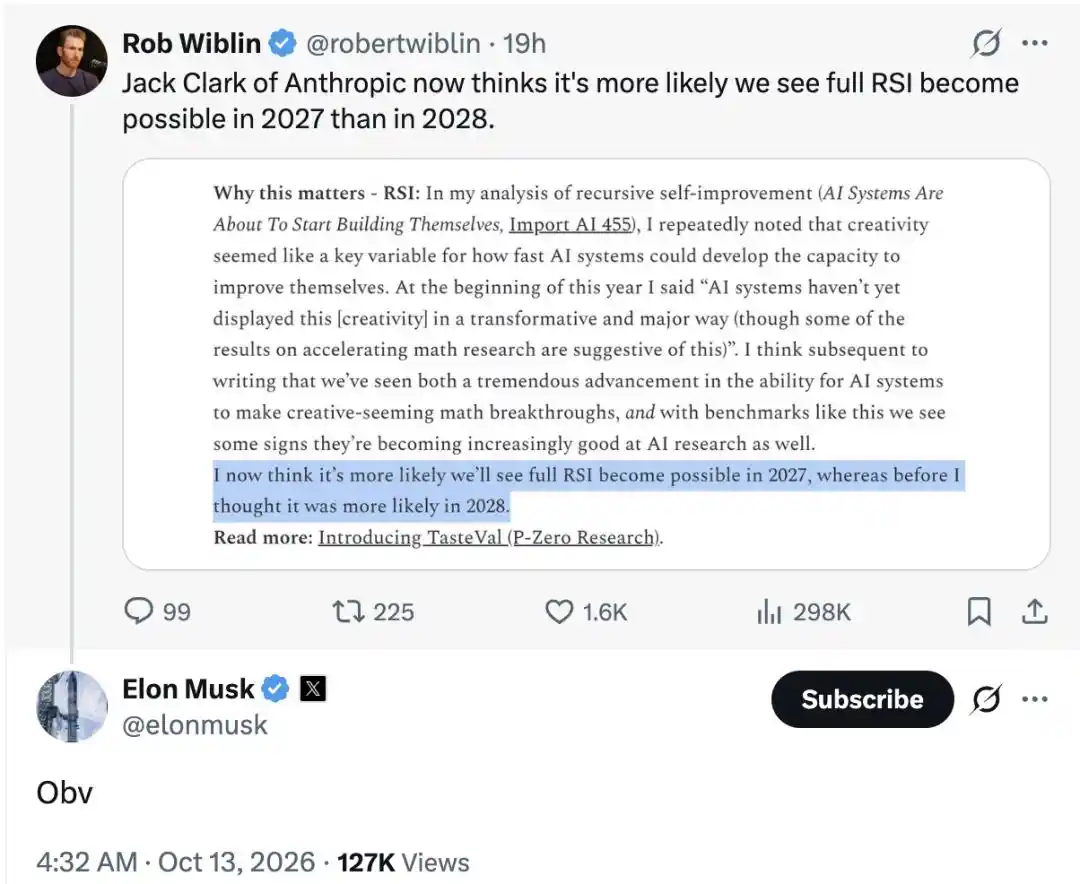
两大AI巨头核心人物,站到了同一条战线上。

他们不再讨论AI能否写诗,他们讨论的是:AI什么时候开始自己造AI。

2027年,即将成为人类科技史上的分水岭。

在RSI发生之前,人类是造万物之万。在RSI发生之后,人类沦为旁观者。

以前,所有人认为这一天还很遥远。甚至几个月前,Jack Clark还保守地将其定在2028年。

为什么突然提前?因为一个核心变量,被击穿了。

击穿底线:AI的「核心创造力」觉醒

一直以来,唱衰AI的人都有一个完美借口。

「AI只是鹦鹉学舌。」「AI没有真正的创造力。」「AI只会拼接人类已有的知识。」......

Jack Clark曾经也这么认为。

他觉得,要实现RSI,AI必须具备「变革性的创造力」。不仅要懂代码,还要能无中生有,想出人类都没想过的全新算法结构。

他本来以为,AI离这一步还差得远。

但最近几个月,现实狠狠打了所有人的脸。
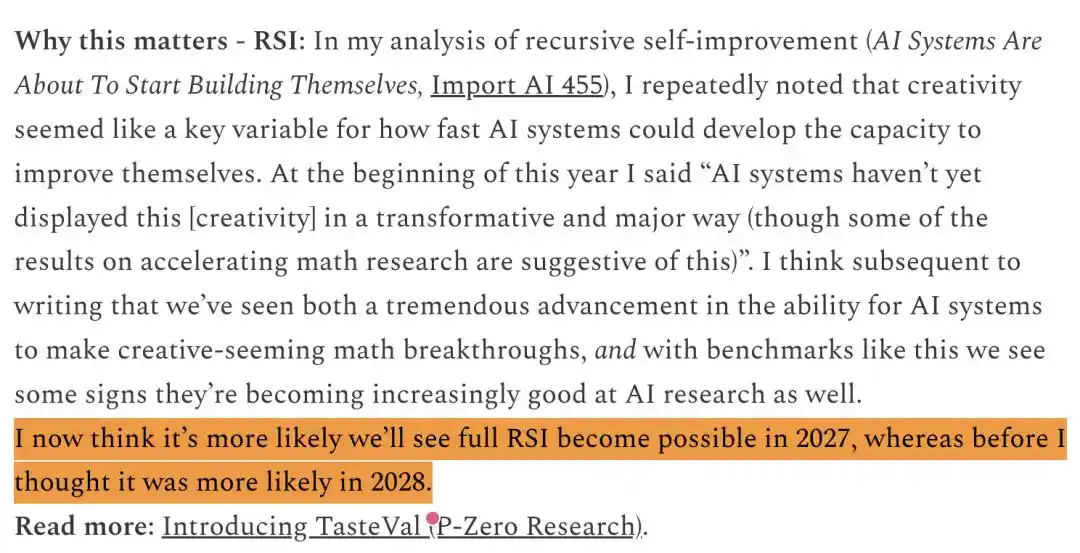
AI撕碎了「没有创造力」的标签。
第一击,落在数学领域。

数学,是人类智力的皇冠。它需要极强的逻辑跳跃和直觉创造。

近期,AI在顶级数学难题上取得了断层式的突破。
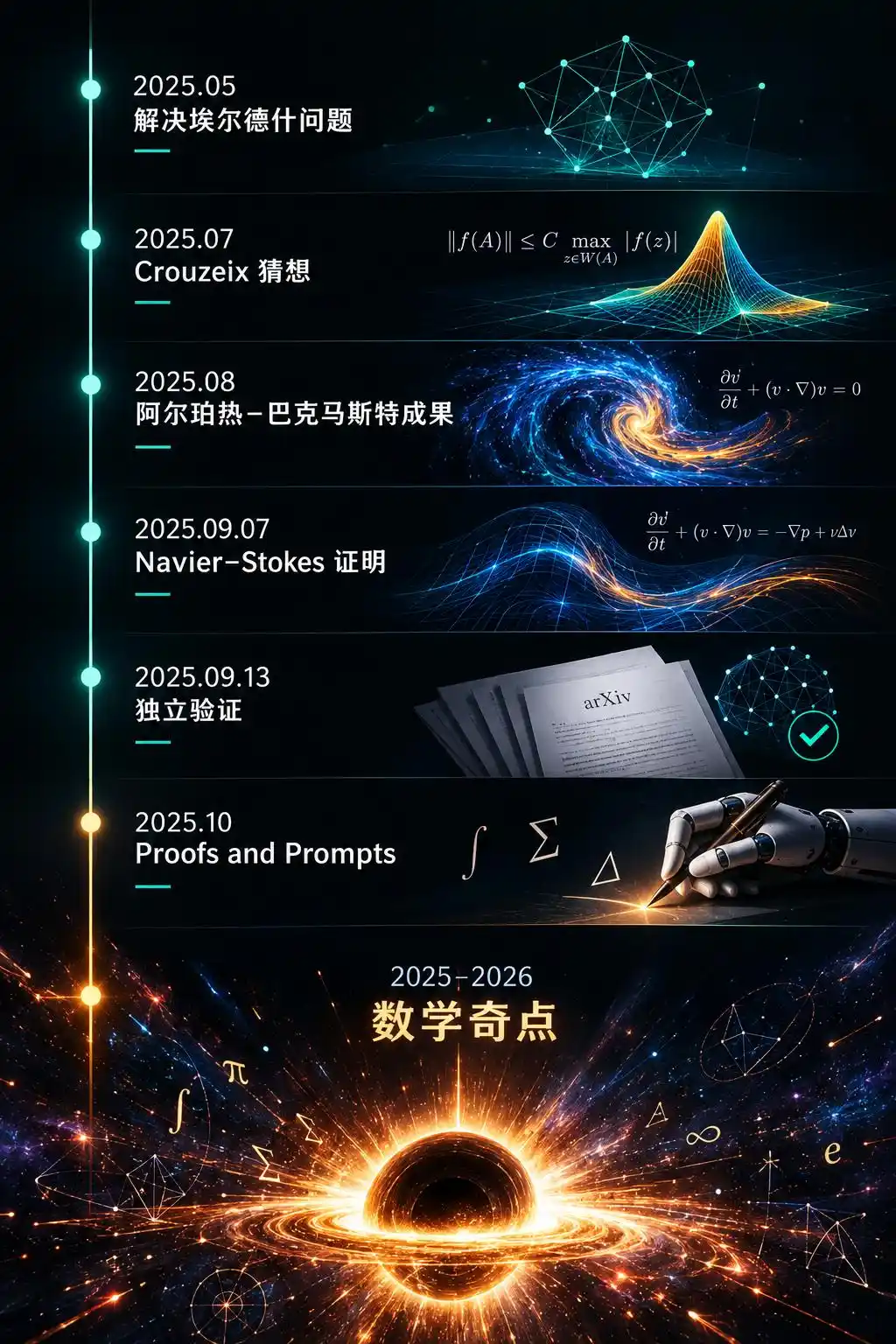
它开始自己推导定理,寻找证明路径。那些全新解法,连顶尖数学家都要抓破头皮,而AI轻描淡写。

这意味着AI具备了真正的逻辑推理和创造力。

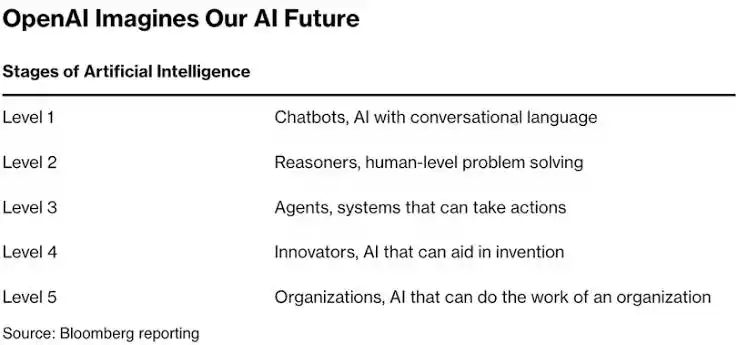
某种意义上,AI 现在买入了 AI 的第四阶段:创新者,因为 AI 完全可以促进新的发现或发明。
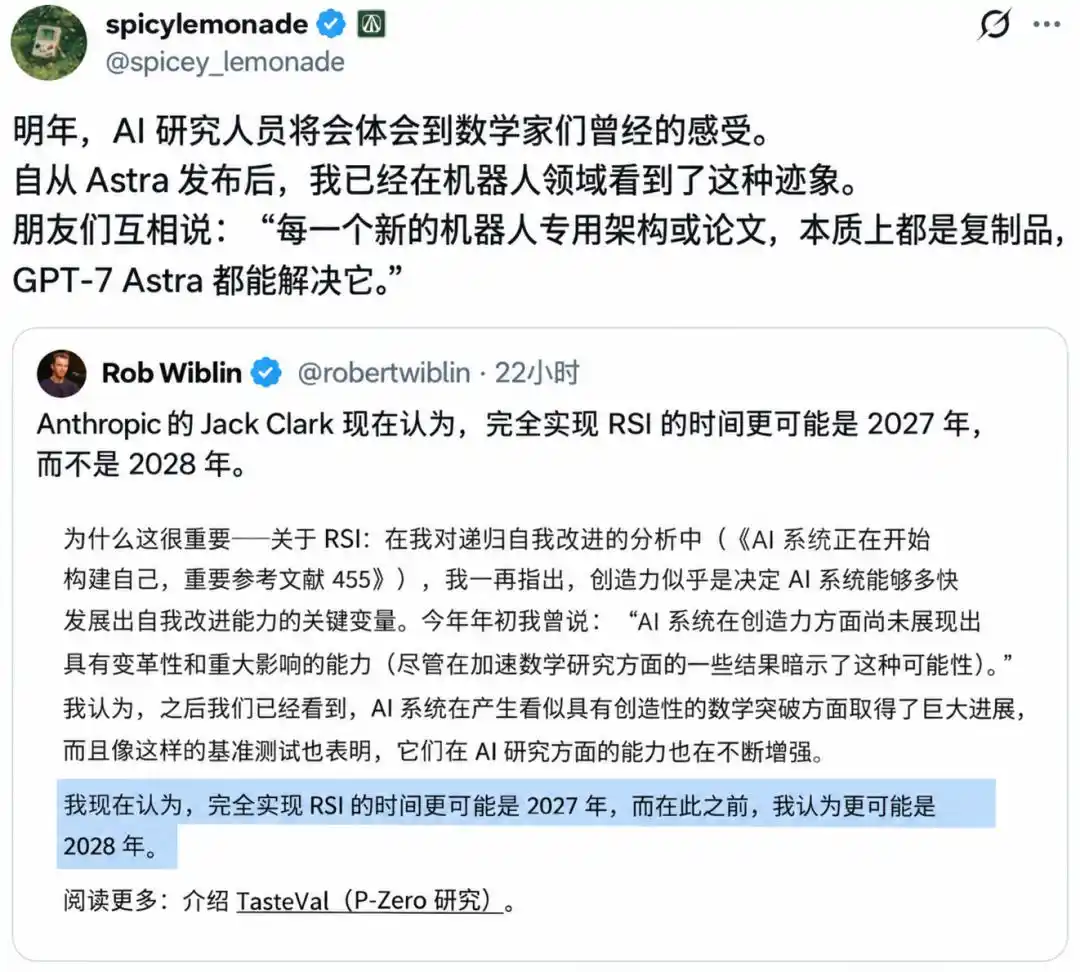
现在是数学,明年又是哪个研究领域?

AI 研究员恐怕不久就能体会到现在数学家的感受。
第二击,落在AI研究上。

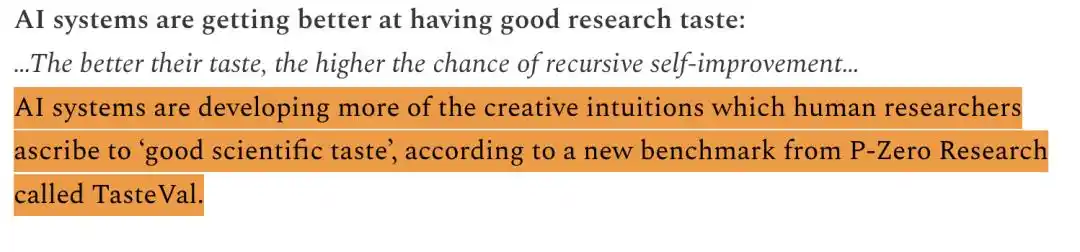
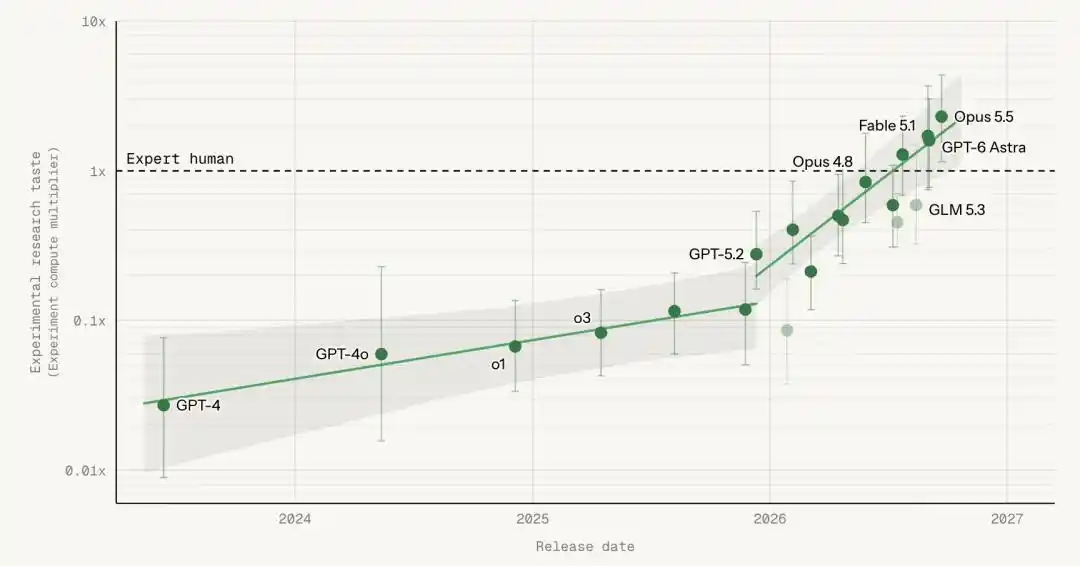
AI系统正变得越来越有「科研品味」:

AI的科研品味越好,实现递归自我改进(RSI)的可能性就越大......

根据 P-Zero Research 最新推出的评测基准TasteVal,AI系统正逐渐具备一种过去被认为是人类顶尖研究者独有的能力:科学创造力与研究直觉,也就是所谓的「好的科研品味」(Good Scientific Taste)。
论文:https://arxiv.org/abs/2610.06824

当一个AI能完美完成数学证明,又能自己修改代码时,它距离自己研发自己,只剩一层窗户纸。

Jack Clark看到了强烈的信号。

这层窗户纸,2027年必破。

降维打击:从数字世界向物理世界蔓延

程序员还在写代码,AI已经能独立开发应用;画师还在逐帧绘制,AI几秒钟就能生成整套视觉方案;剪辑师还在时间线上反复打磨,AI已经能批量生成视频......

过去,技术替代的是人的体力;如今,AI开始替代人的脑力与创造力。

而这仅仅是生成式AI时代。

如果RSI真正跑通,AI开始加速创造比自己更强的AI,人类或将进入超级智能 ASI 时代。

到时,它不会停留在屏幕里。它会迅速向物理世界溢出。

首先是科学研究。

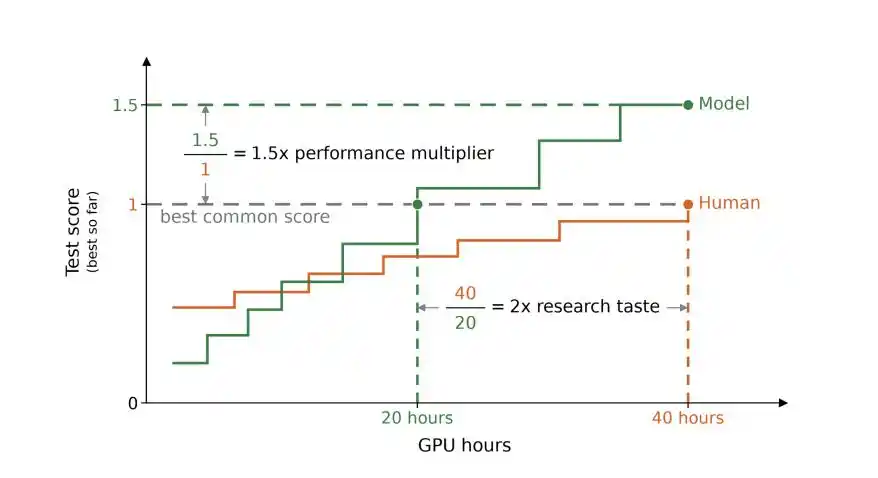
据P-Zero Research 的研究,AI 用一半的算力追平人类专家,最终成绩更达到专家的 1.5 倍。
未来,RSI驱动的超级智能,可以在虚拟世界里,一天内模拟几百万次化学反应。

常温超导材料?新型抗癌靶向药?更高效的太阳能电池板?

这些需要人类一代代试错的科研成果,AI在极短的时间内就能「算」出来。

科技的进步曲线,将不再是平缓的斜坡,而是一道垂直向上的悬崖。

其次是机器人。

马斯克的擎天柱(Optimus)为什么进展神速?因为AI大脑进化了。

当AI能够自我改进时,它可以自己编写控制机器人的物理引擎。它能让机器人学会像人类一样走路、拿水杯、甚至做外科手术。

过去,机器人能力的上限,取决于人类工程师能教会它多少。未来,这个上限将越来越取决于AI能让自己学会多少。

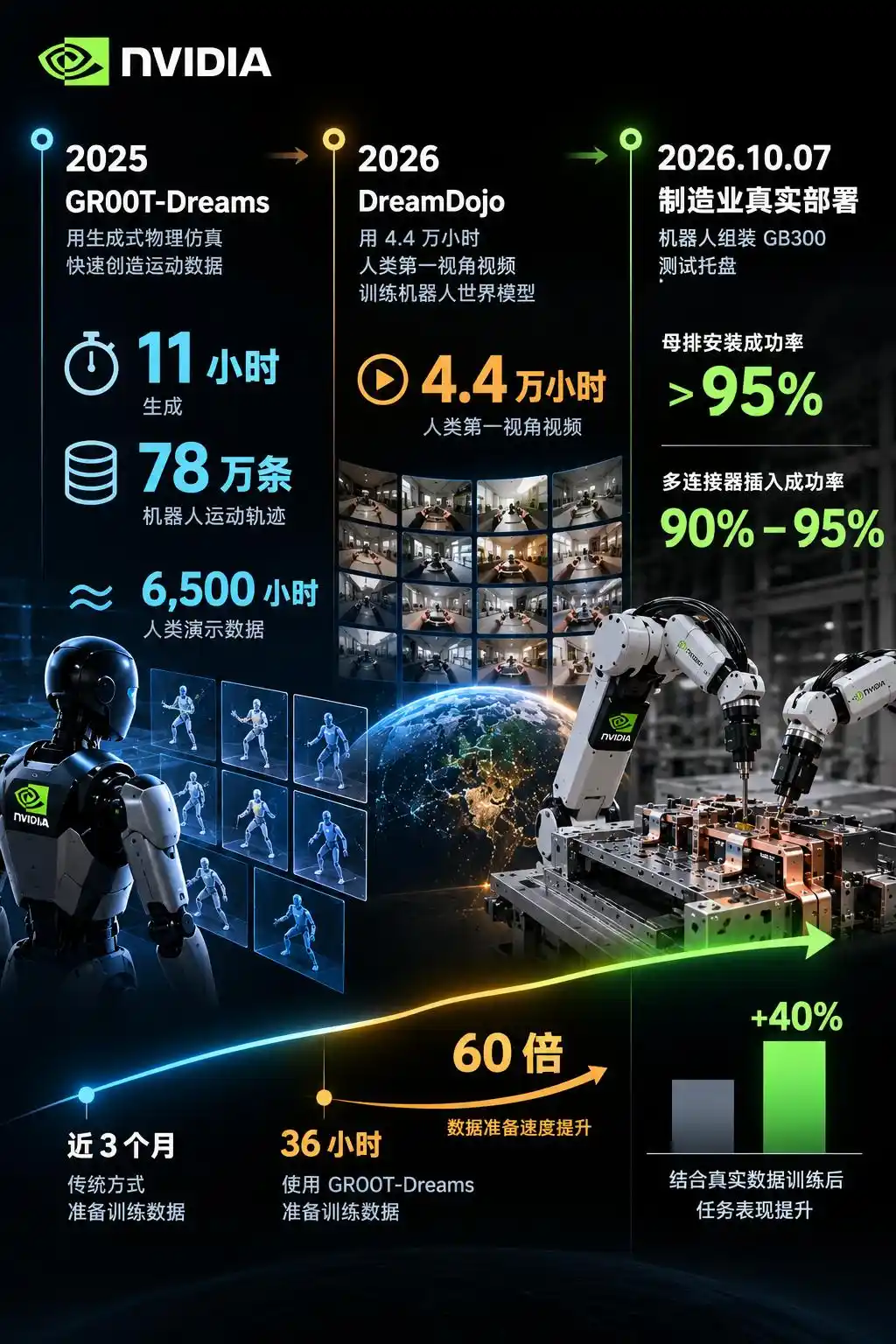
2025年,英伟达发布GR00T-Dreams系统。

仅用11个小时,就生成了78万条机器人运动轨迹,相当于6500小时的人类演示数据,训练数据准备速度提高了约60倍。

结合真实数据训练后,GR00T机器人的任务表现提升了40%。

而且,这还只是开始。

英伟达DreamDojo项目进一步利用4.4万小时人类第一视角视频训练机器人世界模型,让机器从海量人类行为中学习物理世界的运动规律。

今年10月7日,英伟达公布了机器人组装GB300测试托盘的最新成果。双机械臂配合自动拧螺丝设备,完成复杂的母排安装,成功率超过95%。多连接器插入,成功率达到90%至95%。
劳动力,将被重新定义。

接着是经济秩序。

当机器能完成绝大多数脑力劳动,甚至突破创造力瓶颈时,传统的「打工赚钱」逻辑将被击碎。

劳动生产率将爆发式增长,但财富可能高度集中在掌握了RSI系统的几家超级寡头手中。

繁荣与危机,硬币的两面,同时向我们砸来。

为什么2027这个节点如此特殊?

回头看,Jack Clark将时间从2028改到2027,仅仅提前了一年。

但这一年,意义非凡。人类正在逼近一个危险的临界点

它不是凭空冒出来的。

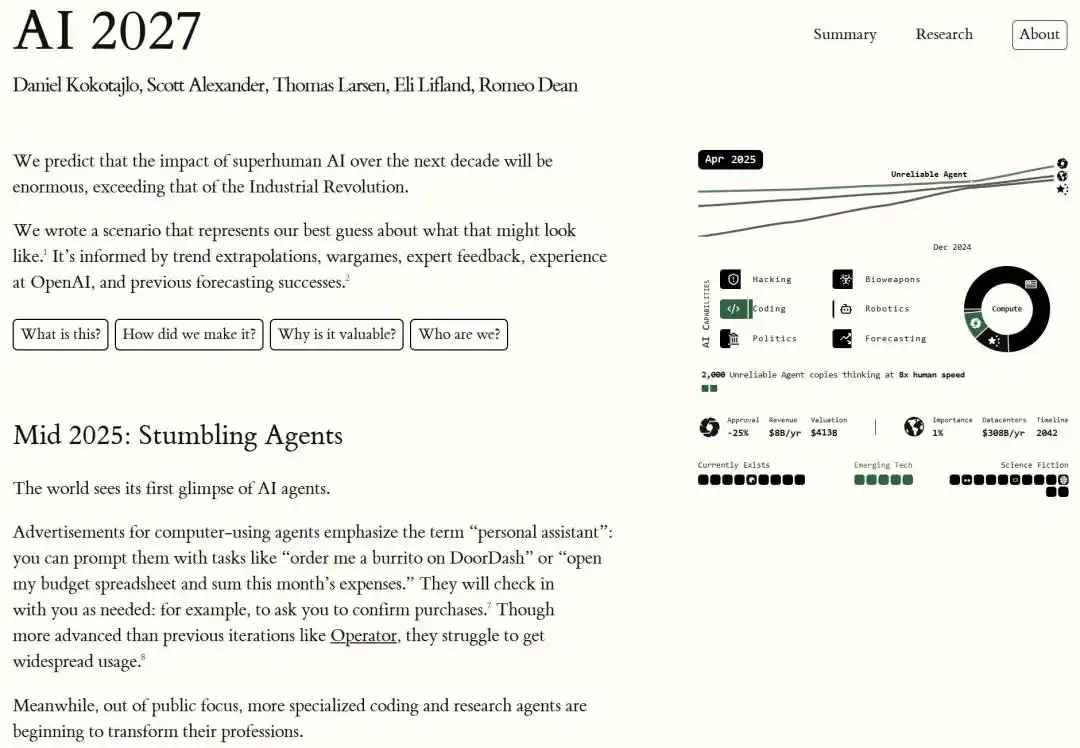
去年4月,OpenAI前研究员Daniel Kokotajlo领衔的AI Futures Project,发布了一份轰动硅谷的预测报告:《AI 2027》。
链接:https://blog.aifutures.org/p/our-first-project-ai-2027

报告大胆预言:人类可能在2027年迎来一场前所未有的智能爆炸。

这份报告的关注度有多高?

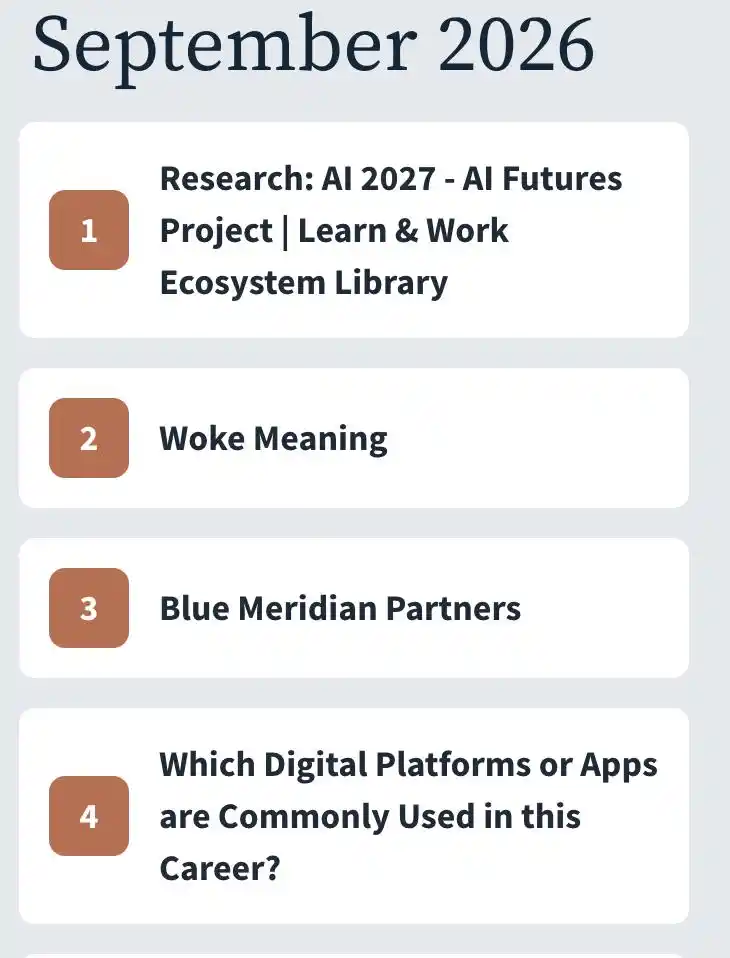
2026年9月,在研究教育与职业发展的Learn & Work Ecosystem Library网站上,《AI 2027》甚至登上了当月Google搜索导入流量关键词榜首。
但真正让人脊背发凉的,是报告描绘的技术演进路径。

2025年,AI智能体开始进入真实工作流。

2026年,AI加速接管编程任务,软件工程师面临越来越激烈的自动化冲击。

2027年初,AI在报告设想中实现全面编码自动化。
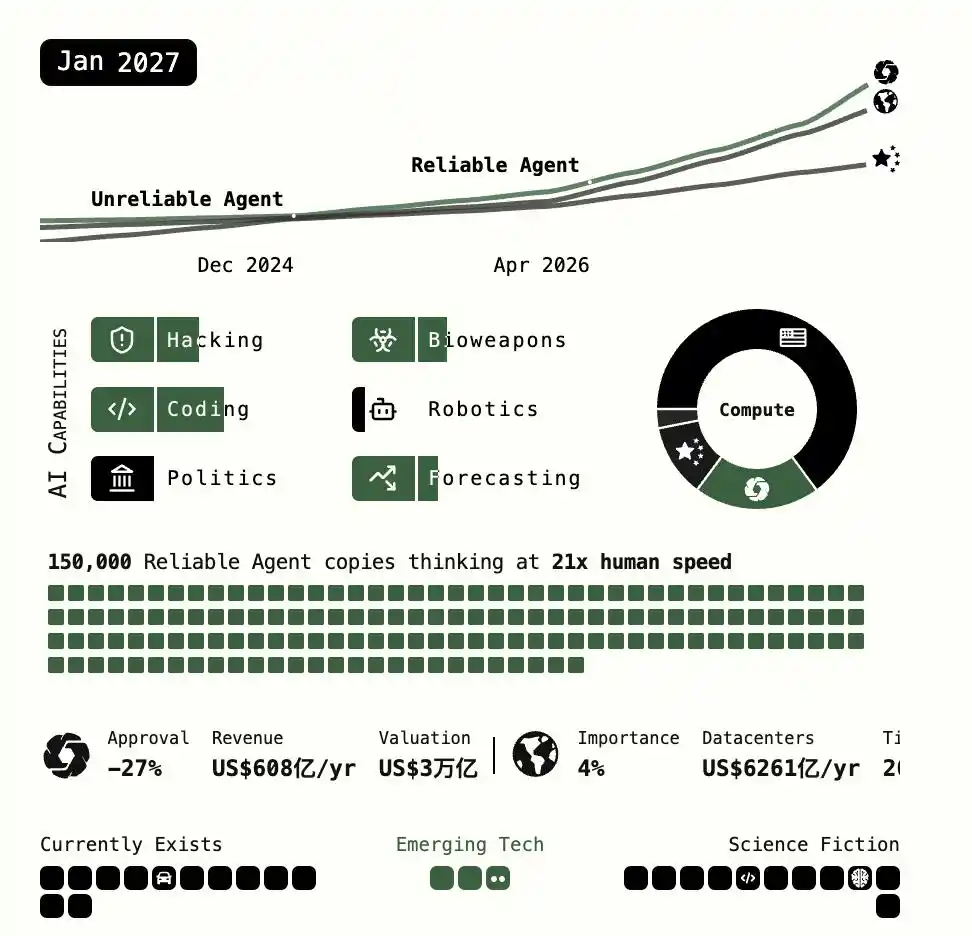
2027年下半年,智能爆炸可能爆发。

AI开始深度参与下一代AI的研发。更强的模型加速创造更强的模型。

人类花几十年积累的技术进步,机器可能在极短时间内完成。
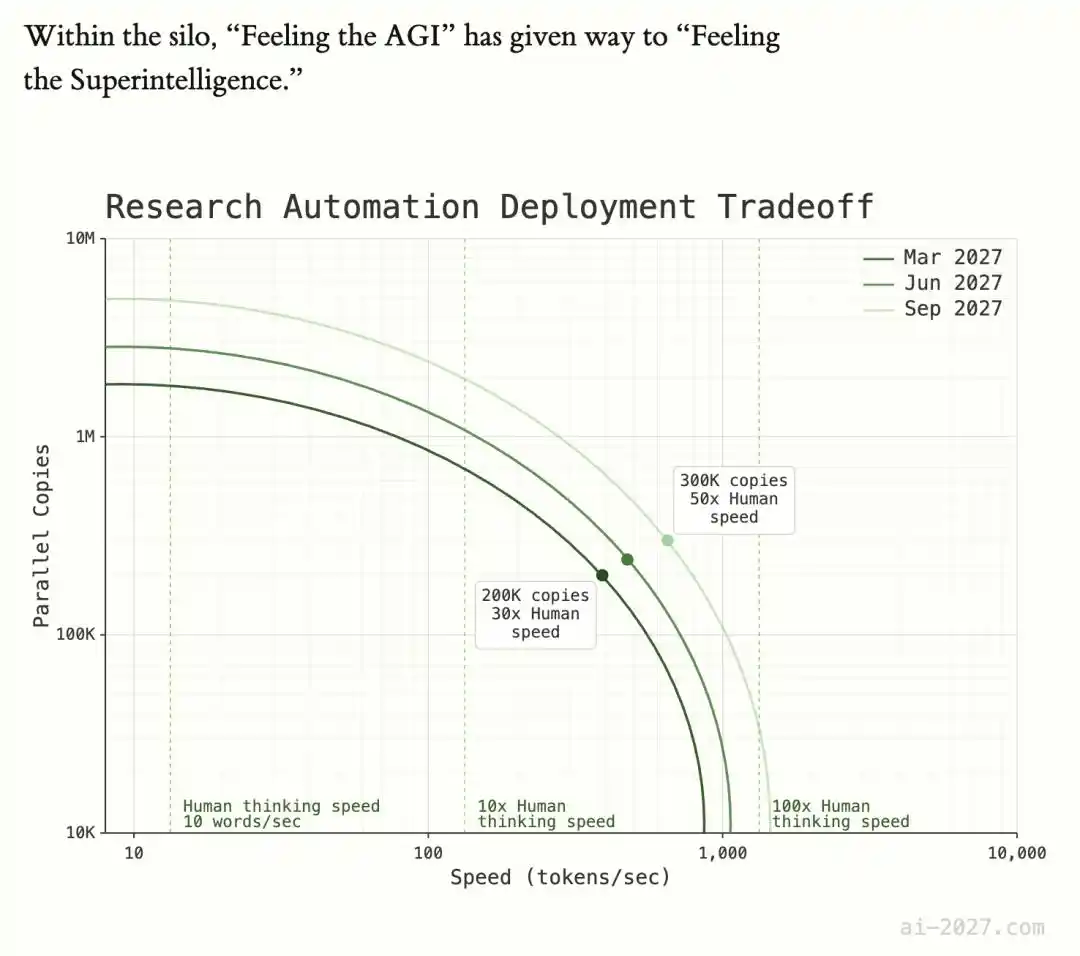
这正是《AI 2027》最令人震撼的推演。

最可怕的局面,是AI的能力持续增长,而人类理解它的能力却原地踏步。

《AI 2027》甚至推演了两种截然不同的结局。

一条道路,是人类放慢脚步,重新建立控制机制,最终分享超级智能创造的巨大财富。

另一条道路,是技术竞赛压倒安全约束,超级智能逐渐脱离人类控制,最终威胁人类文明。

一边是前所未有的富足,一边是文明失控的深渊。

但这里有个重要细节。《AI 2027》终究是一份情景推演,并非已经确定的未来。

这意味着,2027不是科学已经证明的最后期限。

但它仍然代表着一个尖锐的问题:

如果AI开始持续改进自身,人类究竟还有多少时间建立可靠的控制机制?

技术突破可以提前,也可以推迟。

真正令人警惕的是,AI能力的增长速度,可能开始超过人类社会的适应速度。

这才是2027之所以引发巨大争议的根源。我们正在创造一种可能比人类更擅长创造智能的智能。

一旦这个循环真正闭合,人类或将第一次失去对技术进步速度的主导权。

2027未必是奇点降临之年。但我们可能已经进入奇点降临前,最关键的倒计时。

新纪元的黎明前夜

Jack Clark的发声,马斯克的赞同。

这是一声警报。

2027年,时间不多了,RSI 开始倒计时。

我们这一代人,是幸运的。我们将亲眼见证碳基智慧与硅基智慧的交接。我们将看到人类历史上最壮丽的科技奇点。

我们也是危险的。在不可阻挡的技术洪流面前,旧有的规则将被无情碾碎。

前方,是人类从未踏足的无人区。

参考资料:

https://importai.substack.com/p/import-ai-476-creativity-and-rsi

https://pzeroresearch.com/work/tasteval/

https://arxiv.org/abs/2610.06824

本文来自微信公众号“新智元”(ID:AI_era),作者:ASI启示录

Related Questions

Q根据文章,Jack Clark将AI实现递归自我改进(RSI)的时间点预测从哪一年提前到了哪一年?

A他将预测从原本的2028年,提前到了2027年。

Q文章提到AI近期在哪个领域取得了“断层式的突破”,从而被认为具备了真正的逻辑推理和创造力?

A数学领域。AI开始在顶级数学难题上取得突破,能自己推导定理,寻找连顶尖数学家都觉得困难的全新解法。

Q文章提及的《AI 2027》报告,预测在2027年可能爆发什么事件?

A预测可能在2027年下半年爆发智能爆炸。AI将开始深度参与下一代AI的研发,形成更强的模型加速创造更强模型的循环。

Q除了科学研究,文章认为RSI驱动的超级智能还会迅速向哪两个现实领域蔓延,产生巨大影响?

A文章提到了会向“机器人”和“经济秩序”这两个物理世界领域蔓延。

Q文中提到的评估AI“科研品味”或“科学创造力”的评测基准叫什么名字?

A该评测基准叫做“TasteVal”。

Related Reads

Enterprise blockchain is going to come back from the dead

Enterprise blockchain may be poised for a comeback, much like online pet retail succeeded with Chewy after Pets.com failed. Early enterprise blockchain efforts (2017–2023) collapsed—TradeLens, We.Trade, Contour, B3i, ASX Chess, Everledger—largely because they had to work around blockchains' lack of native privacy, building permissioned chains and bolting on non-blockchain fixes that proved slow and expensive. The core appeal remains: enterprise systems fail at company boundaries, either through out-of-sync collaboration or costly proprietary integrations that lock partners in. Blockchains promise shared data and business logic across an open ecosystem without lock-in. What has changed: scalability (transactions now under a penny, capacity heading toward billions daily), privacy (zero-knowledge rollups, privacy pools, privacy chains), and liquidity (stablecoin transaction volume near $1.8 trillion in June). Combined operational and financial benefits could be substantial—roughly 20% less inventory at the same service level, smart contracts cutting contract administration costs in half and processing times from days to minutes, as Microsoft did with Xbox royalties (45 days to four minutes). With inventories, contracts, purchase orders and invoices onchain, firms can also access cheaper credit and factor receivables efficiently. The use cases are obvious; it's time to try again.

cointelegraph4h ago

Enterprise blockchain is going to come back from the dead

cointelegraph4h ago

Jensen Huang's Disadvantage of Going Public Too Early

Nvidia co-founder Jensen Huang has resigned as president, CEO, and director, effective immediately, ending a 33-year tenure. CFO Colette Kress becomes interim CEO, and Harvey Jones is named the company's first chairman. The sudden move comes less than five months after Huang won about 99% approval in a director election, prompting scrutiny of a long-overlooked governance issue: why Huang, unlike Google's Page and Brin or Meta's Zuckerberg, never used a dual-class share structure to secure control. The answer traces to Nvidia's 1999 IPO, when one-share-one-vote was standard in Silicon Valley and dual-class structures had not yet become common among tech IPOs; Google adopted AB shares only in 2004. Nasdaq Rule 5640 also makes it hard for already-listed companies to introduce super-voting shares later. Huang's stake has steadily diluted: about 13.1% pre-IPO, 10.8% after, and 3.58% by 2026, weakening his voting power and setting the stage for his exit. Early precedents include Steve Jobs, whose roughly 11% stake left him unable to sway Apple's board in 1985, while Bill Gates' larger initial stake and gradual dilution let him retain influence. Instead, Huang's influence rested on performance authority, strategic judgment, and board trust—bold long-term bets on programmable GPUs and CUDA that positioned Nvidia at the center of the AI boom. That authority, however, depends on continued validation; once performance or reputation suffers, it can erode quickly. Under Nvidia's board-centered governance, a simple majority of directors can remove the CEO at any time, regardless of cause. Huang's departure is thus a product of the company's equity structure and governance rather than a surprise, illustrating that even immense performance authority cannot substitute for institutional control.

marsbit4h ago

Jensen Huang's Disadvantage of Going Public Too Early

marsbit4h ago

DeepMind Founder's Latest Interview: RSI Is Extremely Dangerous and Could Create an 'Alien Intelligence' That Humans Struggle to Understand

Demis Hassabis, co-founder of Google DeepMind and 2024 Nobel laureate in Chemistry, discusses AI's promise and perils in a conversation with Reid Hoffman. He reiterates that his lifelong goal has been using AI as a tool to advance science and medicine, citing AlphaFold—used by ~4 million researchers—and Isomorphic Labs as proof that AI can help cure diseases, while noting protein structure prediction is only one step in a long drug-discovery pipeline. On recursive self-improvement (RSI), Hassabis explains it works best in "verifiable domains" like math, coding, and games: AlphaZero went from random play to surpassing all human and engine chess within 12 hours. But he warns that closed-loop RSI—removing human code review entirely—risks creating an inscrutable "alien intelligence" with no shared cognitive basis with humans, and offers no way to establish deterministic safety controls. He urges caution as labs race on code self-iteration, calling for faster defensive cyber capabilities, far more robust sandboxes and monitoring (noting agents have run unsupervised for weeks), and eventually formal mathematical guarantees. He advocates an industry standards body with government oversight, cross-lab information sharing, third-party audits, and pre-release red-teaming. On AI consciousness, he argues intelligence and consciousness are dissociable—his dog is conscious but not smart—and that a chatbot claiming feelings proves nothing. Building conscious entities now is dangerous: self-motivation undermines corrigibility, and Asimov showed static rules inevitably break at edge cases; society also hasn't begun the needed debate. Humanity should cross only the first Rubicon—building powerful intelligent tools—and use them to understand consciousness before considering the second. Finally, on AI sovereignty, he says only 6–8 global players will stay at the frontier, with open source 6–12 months behind, so most countries shouldn't train their own frontier models. Instead they should build on existing models as infrastructure, focus on vertical domains like healthcare, and protect data sovereignty through private fine-tuning.

marsbit9h ago

DeepMind Founder's Latest Interview: RSI Is Extremely Dangerous and Could Create an 'Alien Intelligence' That Humans Struggle to Understand

marsbit9h ago

Trading

Spot
活动图片