# Anniversary Related Articles

HTX News Center provides the latest articles and in-depth analysis on "Anniversary", covering market trends, project updates, tech developments, and regulatory policies in the crypto industry.

12 Years Later, Bitcoin Remembers the Man Who First Reached This Milestone

Twelve years later, Bitcoin remembers Hal Finney, the man who first received a transaction in the network. On January 12, 2009, Finney became the first recipient of bitcoin when Satoshi Nakamoto sent him 10 BTC, marking the moment the digital currency transitioned from theory to a functioning network. Finney was not a random bystander but a tech industry veteran. In the early 1990s, he was active in Cypherpunk mailing lists, a community whose ideas influenced Bitcoin's design. He later became a key developer at PGP Corporation. In 2004, years before Bitcoin, he created Reusable Proofs of Work (RPoW), an early cryptocurrency prototype that validated concepts later formalized in Bitcoin. In October 2009, Finney was diagnosed with Amyotrophic Lateral Sclerosis (ALS). He continued to engage with the early Bitcoin community as his condition progressed until his passing in August 2014 at age 58. His body was cryopreserved as per prior arrangements. Finney's close involvement with Bitcoin's creation and his background in cryptography fueled long-standing speculation that he was, or closely collaborated with, Satoshi Nakamoto. He consistently denied being Bitcoin's creator, and no conclusive evidence has ever settled the debate. The 10 BTC Finney received from Satoshi would be worth approximately $805,000 at recent prices above $80,000, a figure unimaginable at the time of the transaction. Although Finney did not live to see Bitcoin's current value, his contributions, the enduring questions about Bitcoin's origins, and his status as the first transaction recipient ensure his legacy remains an indelible part of the network's history.

cryptonews.ru08/29 20:21

12 Years Later, Bitcoin Remembers the Man Who First Reached This Milestone

cryptonews.ru08/29 20:21

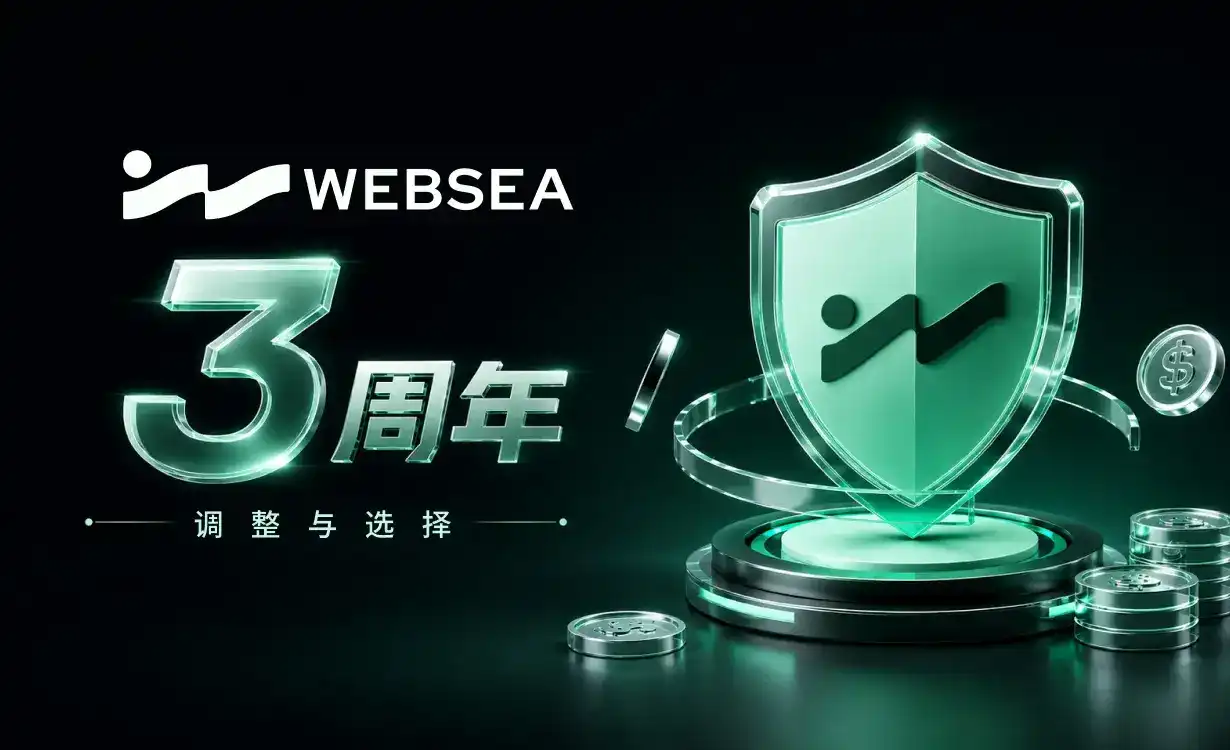
Websea's Third Anniversary: The Adjustments and Choices of a Mid-Sized Exchange During an Industry Shakeout Period

Websea, a mid-sized cryptocurrency exchange, celebrated its third anniversary in 2026 amid a period of industry consolidation. While the crypto landscape broadens with TradFi, RWA, and stablecoins, several established exchanges have retreated. This highlights the challenge for mid-tier platforms: growth is not automatic and depends on liquidity, compliance, security, and user retention. Websea has recently focused on strategic product adjustments. Key initiatives include enhancing risk management tools like contract insurance and copy trading, expanding its asset offerings to include TradFi CFDs (gold, silver, indices, forex), launching a Proof of Reserves (PoR) system for transparency, and engaging in regional RWA development through events like a summit in Almaty. The article analyzes these moves. Risk management products aim to improve user experience and retention, but their long-term viability hinges on clear rules and sustainable mechanisms. Offering TradFi CFDs seeks to capture user engagement during crypto market lulls, though it introduces new operational complexities. The PoR report addresses transparency concerns, but its value depends on regular updates. Regional RWA exploration offers potential access to real-world assets but faces significant hurdles in legal structuring and productization. Ultimately, Websea's three-year mark showcases a strategy to compete by broadening tradable assets, strengthening risk and transparency features, and exploring niche opportunities. The critical test will be whether these adjustments translate into sustainable trading volume, lasting user loyalty, and verifiable business growth over time.

marsbit08/28 18:07

Websea's Third Anniversary: The Adjustments and Choices of a Mid-Sized Exchange During an Industry Shakeout Period

marsbit08/28 18:07

imToken's 10th Anniversary Unveils Strategic Direction for the Next Decade: Evolving from a Trusted Main Wallet to a Personal Digital Hub

On its tenth anniversary, decentralized wallet imToken announced its strategic vision for the next decade: evolving from a "trusted main wallet" into a "personal control interface." This new direction aims to help users manage not only digital assets but also identity, permissions, and AI agent actions in an increasingly open and intelligent internet. imToken outlined that while the past decade focused on Store, Send, and Stake—securing assets, enabling transfers, and facilitating network participation—the future introduces a fourth core proposition: Sign. This expanded concept goes beyond transaction signing to encompass expressing intent, granting permissions, setting rules, delegating actions, and revoking authorizations. As AI agents gain autonomy, imToken emphasizes the need for clear, verifiable, and revocable user control over their actions. CEO Ben He stated that imToken's mission is shifting from enabling ownership of digital assets to ensuring user sovereignty over their entire digital world in the AI era. The company's core principle has been upgraded from "Digital Assets, Under Your Control" to "Your Digital World, Under Your Control." Future development will focus on three areas: upholding self-custody principles, extending security from transactions to authorizations and automated actions, and building product capabilities for managing permissions, delegations, policies, and revocations. imToken views the wallet's role as expanding into a trusted control interface for human-AI collaboration, where managing keys, signatures, and permissions forms the infrastructure for personal digital sovereignty. Founded in 2016, imToken serves millions of users across 150+ countries, providing non-custodial wallet services supporting over 50 blockchain networks.

marsbit06/05 14:50
imToken's 10th Anniversary Unveils Strategic Direction for the Next Decade: Evolving from a Trusted Main Wallet to a Personal Digital Hub

marsbit06/05 14:50

活动图片