US Senators Target Wildfire Betting in New Push Against CFTC Rules

cryptonews.ru发布于2026-08-05更新于2026-08-05

文章摘要

A group of nine U.S. senators has urged the Commodity Futures Trading Commission (CFTC) to restrict wildfire prediction contracts, arguing they allow traders to profit from disasters. In an August 3rd letter led by Sen. Jeff Merkley (D-Ore.), the lawmakers requested answers from CFTC Chair Rostin Behnam by August 14th. The senators, representing states impacted by recent wildfires, expressed concern that betting on fires' duration, spread, or property damage trivializes community suffering and creates a perverse incentive for arson. They cited over $1.2 million in trading volume on contracts related to California's Palisades and Eaton fires on the Polymarket platform as a catalyst for their inquiry. While acknowledging no confirmed cases of arson linked to such markets, the letter draws a parallel to insider trading risks. Polymarket defended its markets as sources of timely information for understanding evolving events, not causes of tragedy. The senators questioned if the CFTC, currently developing new rules, plans to ban wildfire contracts as contrary to the public interest, given its authority to prohibit contracts on terrorism, assassination, or gambling. Although wildfires aren't explicitly mentioned in law, the lawmakers seek a preemptive move, warning it's only a matter of time before U.S.-based markets offer similar contracts. This follows a prior, broader request from Merkley in April to ban election and war-related contracts, which the CFTC did not adopt, instea...

Nine US senators have asked the Commodity Futures Trading Commission (CFTC) to restrict the trading of contracts that predict wildfires, arguing that traders could profit from fires lasting longer, spreading farther, or destroying more property. In a letter dated August 3, they requested a response from CFTC Chairman Michael Sellig by August 14.

Senator Jeff Merkley (D-Oregon) led the effort to send the letter, joined by Senators Alex Padilla (D-California), Jeanne Shaheen (D-New Hampshire), Adam Schiff (D-California), Jacky Rosen (D-Nevada), Catherine Cortez Masto (D-Nevada), Martin Heinrich (D-New Mexico), Ron Wyden (D-Oregon), and Amy Klobuchar (D-Minnesota)—the leading Democrat on the Senate Agriculture Committee, which oversees the CFTC. All signatories represent states affected by fires this season: in Oregon alone, approximately 1.7 million acres had burned by the end of July.

The senators asked whether the commission is considering prohibiting designated contract markets from offering wildfire-related contracts as part of its ongoing rulemaking efforts, "given that they are contrary to the public interest," and whether it has plans to restrict wildfire betting on prediction markets in the United States.

The lawmakers said they wrote the letter following public reports about these markets and that the Polymarket platform generated over $1.2 million in trading volume related to the "Palos Verdes" and "Eaton" fires that struck the Los Angeles area in January 2025. Trading volume on one specific market, dedicated to predicting the full containment date of the Palos Verdes fire, reached $711,587, while other contracts focused on the total acres burned and whether the flames would reach Beverly Hills.

"Offering bets on devastating wildfires risks trivializing the suffering of local communities so that wealthy and powerful individuals can profit," the senators wrote, adding that "there is also an increased risk—according to state and local fire officials—that individuals could be tempted to commit arson to guarantee the success of their bets."

At the time of writing, no confirmed case of arson has been linked to prediction market activity, and the letter does not claim any trader started a fire or hampered emergency response—but the logic mirrors that of an insider trading case in which federal authorities charged an Army sergeant with turning $33,000 into over $404,000 on Polymarket ahead of a raid on Maduro.

Polymarket rejected such accusations. "When a tragedy occurs, people turn to the news for commentary and to Polymarket for information," the company stated in a message to Bloomberg. "While we acknowledge the risks associated with these markets, eliminating them does not prevent tragedy. It only makes it harder for those seeking to understand what might happen next to access timely market information."

The Commodity Exchange Act allows the CFTC to ban contracts on events related to terrorism, murder, war, gambling, illegal activities, or other similar activities that the commission determines by rule to be contrary to the public interest. Wildfires are not explicitly mentioned in the law. Back in April, Merkley led an effort to send a letter asking the CFTC to ban contracts related to elections, war, military action, sports, and government decisions unless they serve economic hedging purposes. The commission did not go down that path: in its June proposal, it acknowledged that sports contracts involve gambling but proposed allowing virtually all of them through a 90-day case-by-case review process, rather than banning any category outright. Under this process, the regulator would evaluate each contract individually based on factors such as economic utility, hedging need, manipulation risk, participant protection, and the availability of reliable settlement information.

The senators acknowledged in their letter that the wildfire contracts they identified appear to have been offered exclusively through the international Polymarket platform, which notes on its market pages that it operates independently from the CFTC-regulated Polymarket US. Therefore, this request is partly preemptive—as they put it, "it is only a matter of time before other U.S.-based designated contract markets attempt to offer such contracts."

CFTC did not immediately respond to Bloomberg's request for comment.

热门币种推荐

相关问答

QWhat is the main action requested by the nine US senators from the CFTC regarding wildfire contracts?

AThe nine US senators are requesting that the Commodity Futures Trading Commission (CFTC) restrict or consider prohibiting the listing of wildfire prediction contracts on designated contract markets, arguing they are contrary to the public interest.

QWho led the initiative to send the letter to the CFTC, and which event prompted the senators to write it?

ASenator Jeff Merkley (D-Oregon) led the initiative. The senators were prompted to write the letter following public reports about prediction markets, specifically regarding over $1.2 million in trading volume on Polymarket related to the 'Paliseides' and 'Eaton' wildfires in the Los Angeles area in January 2025.

QWhat specific risks do the senators associate with allowing wildfire prediction markets?

AThe senators argue that allowing betting on devastating wildfires risks trivializing community suffering for profit and creates an increased risk that individuals might be tempted to commit arson to guarantee the success of their bets, according to state and local firefighters.

QHow did Polymarket respond to the concerns raised by the senators about its prediction markets?

APolymarket rejected the allegations, stating that while they acknowledge the risks, eliminating these markets does not prevent tragedy. They argued their platform provides timely market information for people trying to understand what might happen next during events.

QWhat is the legal basis for the CFTC to potentially prohibit certain event contracts, and how did it recently approach a similar request regarding sports and election contracts?

AThe Commodity Exchange Act allows the CFTC to prohibit contracts on events related to terrorism, murder, war, gambling, illegal activity, or similar activities deemed contrary to the public interest. In response to an earlier request to ban election and sports-related contracts, the CFTC did not impose a broad ban. Instead, in a June proposal, it suggested allowing most such contracts through a 90-day case-by-case review process, evaluating factors like economic utility, hedging needs, and manipulation risk.

你可能也喜欢

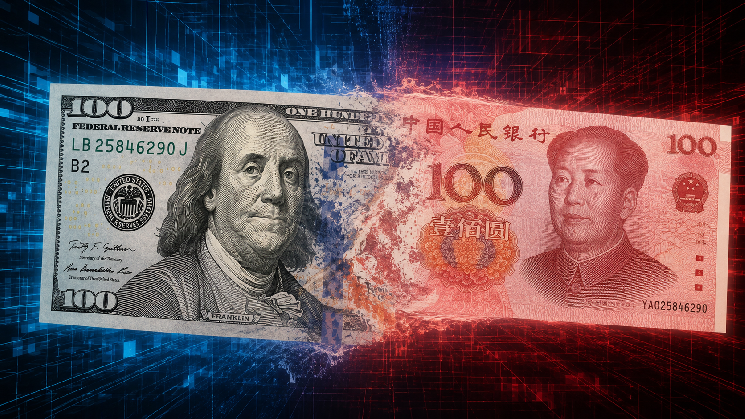
绕过美元的7万亿美元:中国如何构建SWIFT的替代方案

去美元化已从经济学理论转变为多国的国家安全议题,其关键推动力是美国屡次将美元用作施压工具:例如将伊朗踢出SWIFT、对俄制裁以及冻结俄罗斯外汇储备。这些行动促使各国寻求绕开美国金融基础设施的结算方式,而中国已准备好提供替代方案——跨境银行间支付系统(CIPS)。 CIPS是中国人民银行推动的、专注于人民币跨境支付的系统,自2015年启动以来迅猛发展。目前其月度处理支付金额已相当于约7万亿美元。其增长轨迹与国际地缘政治事件紧密相关:2012年伊朗被禁用SWIFT、2014年对俄制裁、2022年冻结俄外汇储备等事件后,CIPS交易量均出现显著跃升,尤其是2022年后。 据统计,2025年CIPS处理了844.19万笔交易,年总额约25.55万亿美元。系统网络持续扩大,现有210家直接参与机构和1619家间接参与机构遍布全球。 然而,CIPS的崛起并不等同于人民币已取代美元。2026年6月,人民币在全球支付中的份额仅占3.10%,远低于美元。人民币在贸易融资中的占比略高,为8.00%。整体而言,人民币正成为规避制裁风险的重要双边结算工具,但距离成为全球储备货币仍有距离。 需注意的是,据行业分析,约80%的CIPS交易仍依赖SWIFT网络进行报文传递,因此CIPS目前更多是补充而非完全独立的替代。此外,人民币资本账户未完全开放及汇率管制,仍是其国际化的根本制约,其影响可能比支付系统等技术因素更为深远。

cryptonews.ru4小时前

绕过美元的7万亿美元:中国如何构建SWIFT的替代方案

cryptonews.ru4小时前

交易

现货

热门文章

如何购买PUSH

欢迎来到HTX.com!我们已经让购买Push Protocol(PUSH)变得简单而便捷。跟随我们的逐步指南,放心开始您的加密货币之旅。第一步:创建您的HTX账户使用您的电子邮件、手机号码注册一个免费账户在HTX上。体验无忧的注册过程并解锁所有平台功能。立即注册第二步:前往买币页面,选择您的支付方式信用卡/借记卡购买:使用您的Visa或Mastercard即时购买Push Protocol(PUSH)。余额购买:使用您HTX账户余额中的资金进行无缝交易。第三方购买:探索诸如Google Pay或Apple Pay等流行支付方法以增加便利性。C2C购买:在HTX平台上直接与其他用户交易。HTX场外交易台(OTC)购买:为大量交易者提供个性化服务和竞争性汇率。第三步:存储您的Push Protocol(PUSH)购买完您的Push Protocol(PUSH)后,将其存储在您的HTX账户钱包中。您也可以通过区块链转账将其发送到其他地方或者用于交易其他加密货币。第四步:交易Push Protocol(PUSH)在HTX的现货市场轻松交易Push Protocol(PUSH)。访问您的账户,选择您的交易对,执行您的交易,并实时监控。HTX为初学者和经验丰富的交易者提供了友好的用户体验。

1.5k人学过发布于 2024.03.29更新于 2026.06.02

如何购买PUSH

相关讨论

欢迎来到HTX社区。在这里,您可以了解最新的平台发展动态并获得专业的市场意见。以下是用户对PUSH(PUSH)币价的意见。

活动图片