Samsung Wallet Supports USDC Cross-Border Remittances: Solana and Sui as Underlying Networks, Coinbase Responsible for Custody

marsbitPublished on 2026-10-08Last updated on 2026-10-08

Abstract

Samsung Wallet now supports cross-border USDC transfers for eligible Galaxy users in the US, starting the last week of October. This feature, integrated directly into the pre-installed Samsung Wallet app on approximately 82 million devices, allows users to send the USDC stablecoin to external crypto wallets or directly to bank accounts in over 60 countries, with recipients receiving local currency. The service is built on the Solana and Sui blockchain networks for underlying transactions. Coinbase provides custody for the stablecoin through Coinbase Prime Vault, while Bastion supplies the regulated stablecoin infrastructure. This move simplifies the user experience by removing typical crypto setup complexities. Funding occurs through built-in channels, and transactions require biometric authentication on registered devices. Samsung does not charge fees for sending USDC to compatible wallets, though receiving wallets or exchanges may apply their own fees. Industry observers view this integration as a significant step toward mainstream adoption of stablecoins for payments, leveraging the massive distribution channel of pre-installed mobile wallets. The company has indicated future plans may include enabling stablecoin payments for online and tap-to-pay transactions on eligible devices. Expansion beyond the US will depend on local regulations.

Author: Olivier Acuna

Compiled by: TechFlow

TechFlow Insight: Samsung aims to turn its Wallet into a cross-border payment gateway: Approximately 82 million US Galaxy devices will be able to send USDC starting from the last week of October, with funds transferable to local bank accounts in over 60 countries. The underlying networks are Solana and Sui, custody is handled by Coinbase Prime Vault, and stablecoin infrastructure is provided by Bastion. For investors, this is more than just a smartphone manufacturer's experiment—it represents the implementation of stablecoin distribution through a pre-installed wallet pipeline, placing SOL, SUI, USDC, and Coinbase on the same consumer-facing chain.
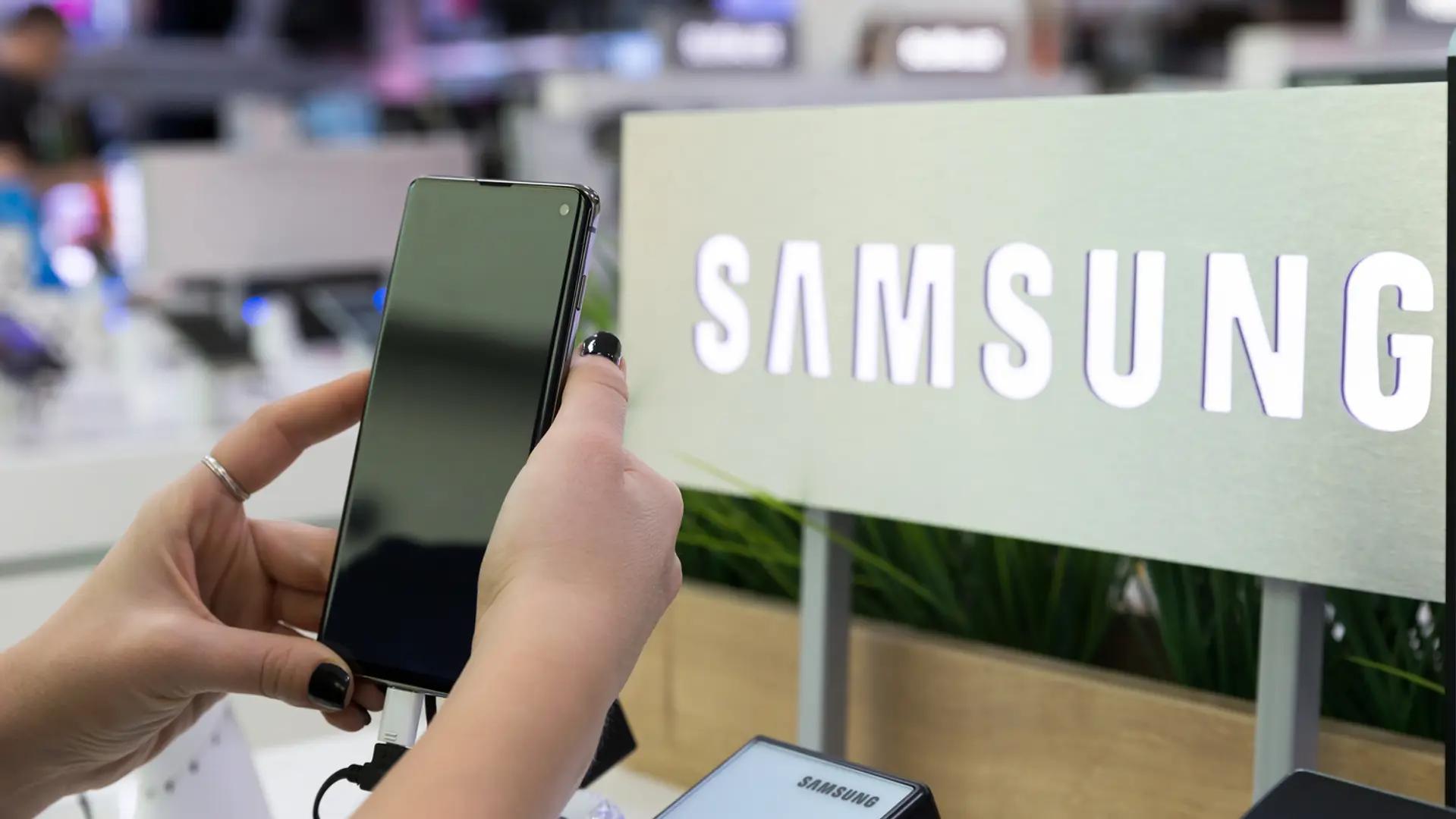
Samsung is transforming its wallet application into a cross-border payment tool: Eligible users will be able to send USDC to other wallets and bank accounts starting from the last week of October.

"Sending money abroad should be as easy as using the wallet already installed on your phone," said Woncheol Chai, head of Samsung Electronics' digital wallet business. "By integrating USDC transfers into Samsung Wallet, eligible Galaxy users can get started without downloading additional apps or managing private keys themselves."

This feature will be available on approximately 82 million Galaxy devices in the United States and will be fully compatible with Samsung Wallet, which already stores bank cards, identification documents, and boarding passes—according to a statement released by Solana on Wednesday announcing the partnership with Samsung.

To support this service, Solana and Sui will provide the underlying blockchain networks. Coinbase will handle custody of the stablecoin via Coinbase Prime Vault, while Bastion will supply regulated stablecoin infrastructure.

Through this integration, users will be able to send Circle's stablecoin USDC—the world's second-largest dollar-pegged token, favored by institutions for its strong regulatory backing. According to the IMF's annual report, the use of stablecoins in cross-border transactions has grown rapidly this year due to low transaction costs.

Galaxy users can seamlessly send USDC to compatible crypto wallets abroad or directly to eligible bank accounts in over 60 countries, with recipients receiving funds in their local currency. Samsung will not charge fees for USDC transfers to compatible external wallets, although receiving wallets or exchanges may impose additional fees.

For users, this product eliminates much of the typical crypto setup required to send stablecoins. Samsung states that customers will fund transfers through built-in on- and off-ramps and must use biometric authentication on registered Galaxy devices to send funds.

This launch turns Samsung's broader stablecoin ambitions into a consumer product. Samsung had previously stated in August its plans to add stablecoin savings and payment features to hundreds of millions of Galaxy phones; analysts told CoinDesk at the time that this could position Samsung as a significant distributor of digital dollars. The US market release marks its first large-scale deployment.

This integration provides Samsung with a token distribution channel—something crypto companies have historically struggled to build themselves. Embedding the technology into a familiar payment app already installed on tens of millions of phones shifts stablecoins from speculative trading tools to simple remittance products: recipients can receive funds directly as fiat into their bank accounts, without even needing to open a crypto wallet.

Industry professionals view this framework as a path for stablecoins to achieve mainstream adoption in cross-border payments.

"Stablecoins have the potential to make moving money globally faster and simpler, and we want Galaxy users to benefit from this without having to grapple with the complexities of traditional crypto tools," said Lily Liu, President of the Solana Foundation.

Liu noted that stablecoins have already proven blockchain as an efficient way to move money globally quickly and cheaply. However, she added that stablecoins previously lacked a pathway to mainstream adoption, and the partnership with Samsung addresses this issue.

Borderless echoed this sentiment in a statement to CoinDesk.

"Mass adoption will never come from everyone downloading crypto apps. It will come from the phone already in your pocket. I expect Apple and Google to follow suit; when that happens, sending money abroad will be as easy as sending a text message," said Kevin Lehtiniitty, CEO of Borderless.xyz, in a LinkedIn post.

Samsung has not yet specified when the feature will expand beyond the United States. Future availability depends on local regulations. The company stated that it may later enable stablecoin online payments and tap-to-pay transactions on eligible Galaxy phones.
Trending Cryptos

Related Questions

QWhat are the main features of the new USDC cross-border payment service integrated into the Samsung Wallet, and which users will initially have access to it?

AThe new service allows users to send the USDC stablecoin from within the Samsung Wallet to compatible crypto wallets or directly to bank accounts in over 60 countries. It is initially rolling out to eligible Galaxy device users in the United States (approximately 82 million devices) starting in the last week of October. The service removes typical crypto complexities for users by leveraging built-in funding channels and requiring biometric authentication on registered devices.

QWhich key companies and technologies are powering this Samsung Wallet integration for USDC cross-border transfers?

AThe integration is powered by Solana and Sui, which provide the underlying blockchain networks. Coinbase handles custody through its Coinbase Prime Vault, and Bastion provides regulated stablecoin infrastructure. The stablecoin used is Circle's USDC.

QAccording to the article, why is this Samsung Wallet feature considered significant for the adoption of stablecoins?

AIt is significant because it embeds stablecoin transfers into a familiar, pre-installed payment app used by millions of mainstream consumers, rather than requiring them to download a separate crypto application. This provides a major distribution channel for stablecoins, moving them from speculative trading towards a simple remittance product. Industry leaders see it as a clear path to mainstream adoption for cross-border payments.

QWhat advantages does the Samsung Wallet service offer to users in terms of fees and convenience for cross-border payments?

ASamsung will not charge a fee for sending USDC to compatible external wallets, though the receiving wallet or exchange may charge. The primary convenience is that users can send funds internationally without needing to manage private keys or install additional apps, using the Samsung Wallet they already have. Recipients in supported countries can receive funds directly into their local bank account in local currency, without needing a crypto wallet.

QWhat future developments related to stablecoin functionality on Samsung devices are mentioned in the article?

AThe article mentions that Samsung has previously stated ambitions to add stablecoin savings and payment features to hundreds of millions of Galaxy phones. Following this U.S. launch, the company may later enable stablecoin online payments and tap-to-pay transactions on eligible devices. Expansion beyond the U.S. is planned but will depend on local regulations.

Related Reads

Coinbase and PNC Bank Launch USDC Collection: Can Stablecoins Become the New Gateway for Enterprise Payments?

Coinbase and PNC Bank have expanded their partnership to launch a USDC collection service for enterprise and institutional clients. Eligible customers can receive USDC via the Ethereum network, which is then converted 1:1 into USD and deposited into their designated PNC bank account. The service uses Coinbase's Payment APIs integrated with PNC's existing treasury management systems, embedding the stablecoin collection process within the traditional banking framework. The collaboration highlights a complementary relationship between stablecoins and banks rather than pure competition. Banks provide client relationships, compliance, and deposit accounts, while blockchain offers round-the-clock value transfer. Coinbase supplies the stablecoin infrastructure and payment APIs, while PNC handles account and traditional financial services. For businesses, the appeal is gaining a new payment channel without overhauling their existing financial systems or managing wallets and private keys themselves. The partnership builds on earlier collaboration announced in July 2025, when the two firms began integrating crypto trading capabilities into PNC's services, followed by Bitcoin spot trading for eligible private banking clients in December. The USDC service extends the focus from wealth management into enterprise payments and treasury management. Coinbase has pursued similar integrations with Citigroup and payment technology firm Moov, signaling a strategic shift from a trading platform toward payment infrastructure. However, questions remain about fees, settlement times, compliance requirements, and actual adoption scale. The service is still in a pilot phase with limited eligibility, and full fee structures and processing times have not been disclosed. The key question is whether enterprises will adopt stablecoin collection in daily operations and whether the funds can be reliably converted, deposited, and used without adding excessive operational cost. The real competitive frontier may be integrating digital dollars into everyday corporate cash flows rather than simply accumulating on-chain assets.

marsbit17m ago

Coinbase and PNC Bank Launch USDC Collection: Can Stablecoins Become the New Gateway for Enterprise Payments?

marsbit17m ago

Crypto Stocks Weekly丨Strategy Adds 1,036 BTC but Holdings Fall Below Cost Basis; Bitmine Holds 4.97% of ETH Supply (November 10)

The article begins by noting that Democrats swept both chambers of Congress, ushering in a divided-government phase, after which markets shifted focus to AI regulation and capex payback cycles, with Anthropic's IPO seen as a bellwether for AI stocks. US equities fell sharply (Nasdaq -5.52% and Philadelphia Semiconductor Index -12.24% on Nov 5) before a Monday rebound driven by falling oil prices and oversold buying—characterized as a repair, not a new high. Macro data showed October nonfarm payrolls +165k and unemployment at 4.1%, keeping 10-year Treasury yields near 4.86% and rate-hike expectations alive. Citi cut US equities and global tech to neutral while upgrading Europe ex-UK, citing unstable AI sentiment; Goldman noted AI stocks are ~40% of the S&P 500 versus ~15% of STOXX 600. Crypto diverged from the equity rebound: US spot Bitcoin ETFs saw $1.282B in weekly net outflows (BlackRock's IBIT -$12.09B... actually $1.209B), Ethereum ETFs -$365M for a sixth straight weekly outflow, with continued outflows on Nov 9. NYSE-affiliated tokenized securities platform chose Avalanche for settlement infrastructure. Corporate treasury updates: Strategy bought 1,036 BTC at ~$79,012 (total 850,364 BTC, average cost ~$75,456, now above spot), funded partly by ATM share sales, with most proceeds used to repurchase STRC preferred shares. Strive added 29 BTC (total 43,153). Listed companies now hold over 6% of Bitcoin's supply (1.2664M BTC across 199 firms). Bitmine added 9,587 ETH, holding 6,070,092 ETH (~4.97% of supply, ~99% of its 5% goal). DeFi Development Corp's SOL rose to 2,609,829. Hyperliquid Strategies raised $911M in Q3, bought ~9.1M HYPE (holdings up to 38.5M, ~16% of circulating supply), and repurchased ~2.7M PURR shares.

marsbit38m ago

Crypto Stocks Weekly丨Strategy Adds 1,036 BTC but Holdings Fall Below Cost Basis; Bitmine Holds 4.97% of ETH Supply (November 10)

marsbit38m ago

Trading

Spot

Hot Articles

Discussions

Welcome to the HTX Community. Here, you can stay informed about the latest platform developments and gain access to professional market insights. Users' opinions on the price of SOL (SOL) are presented below.

活动图片