Claude Code Desktop Version Drastically Upgraded: One Person Commands an AI Army to Speed-Code

marsbitPublished on 2026-10-15Last updated on 2026-10-15

Abstract

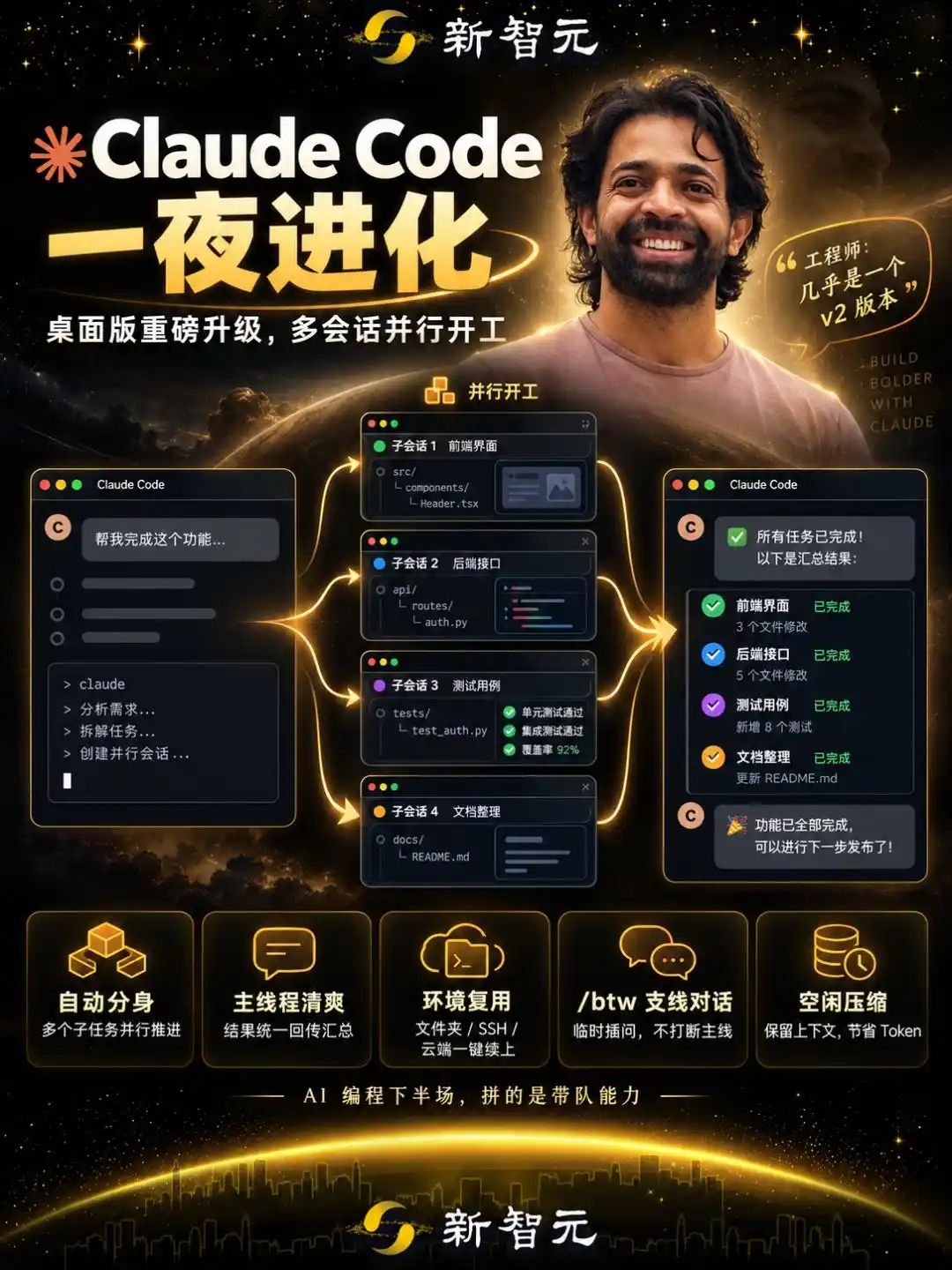
Anthropic's Claude Code Desktop receives a major "v2-like" overhaul, transforming it into a multi-agent collaboration workspace. Its standout feature is automated nested sessions: users can define multiple coding tasks in a main chat, and Claude automatically spawns parallel sub-sessions to execute them concurrently. Each sub-session works independently, preventing intermediate logs and errors from cluttering the main thread. Upon completion, results are neatly summarized back to the primary session. Other key enhancements include a redesigned session sidebar for monitoring agent status, one-click environment reuse for complex project setups, and Git Worktree isolation to prevent code conflicts during parallel work. A new `/btw` command allows users to ask contextual side questions in a separate tab without interrupting the main workflow. Claude Code also proactively recommends follow-up tasks and features "idle compaction" to optimize token usage. This update marks a shift from AI as a single coding assistant to a platform for managing a coordinated "AI engineering corps," where developers oversee multiple parallel agents, streamlining complex project development.

Claude Code has evolved overnight!

Just today, Anthropic officially released an epic-level update for the Claude Code desktop version!

It can now launch multiple conversations simultaneously, running tasks multi-threaded, and whoever finishes first throws the result back to the main session.

Furthermore, the new interface has completely revamped session management.

It not only supports environment reuse and one-click launching of subsequent tasks but also allows you to type /btw to instantly switch to a new tab and start running tasks separately.

Almost instantly, the global developer community was flooded with the same news.

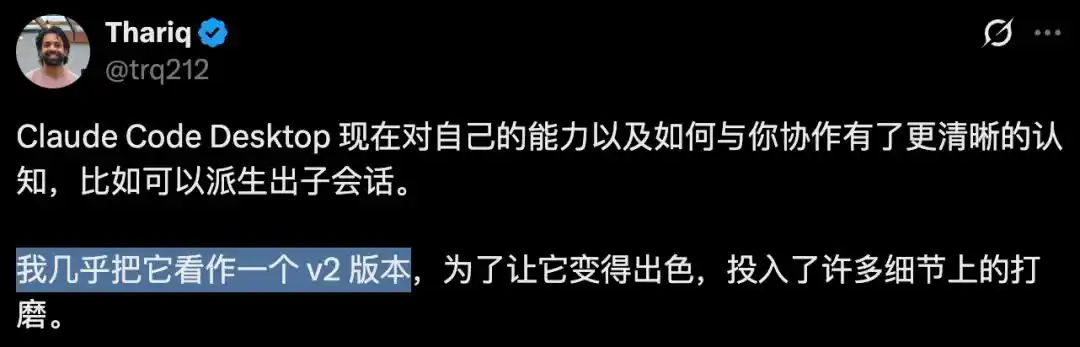
Anthropic engineer Thariq could hardly contain his excitement, exclaiming, "This is almost a v2 version"!
Claude Auto-Splits Itself, Multiple Sessions Work Simultaneously

First, let's look at the most eye-catching feature this time: automatic creation of nested sessions.

Previously, if you wanted the AI to do three things at once, you had to manually open three windows and then check the results one by one yourself.

Worse, with too many tasks, the main thread would turn into a disaster zone: front-end code mixed with back-end error messages, and to trace back a specific modification step, you had to frantically scroll your mouse in front of the screen.

Now, this logic has completely changed.

In the new Claude Code desktop version, you only need to hand over all tasks at once in the main dialog.

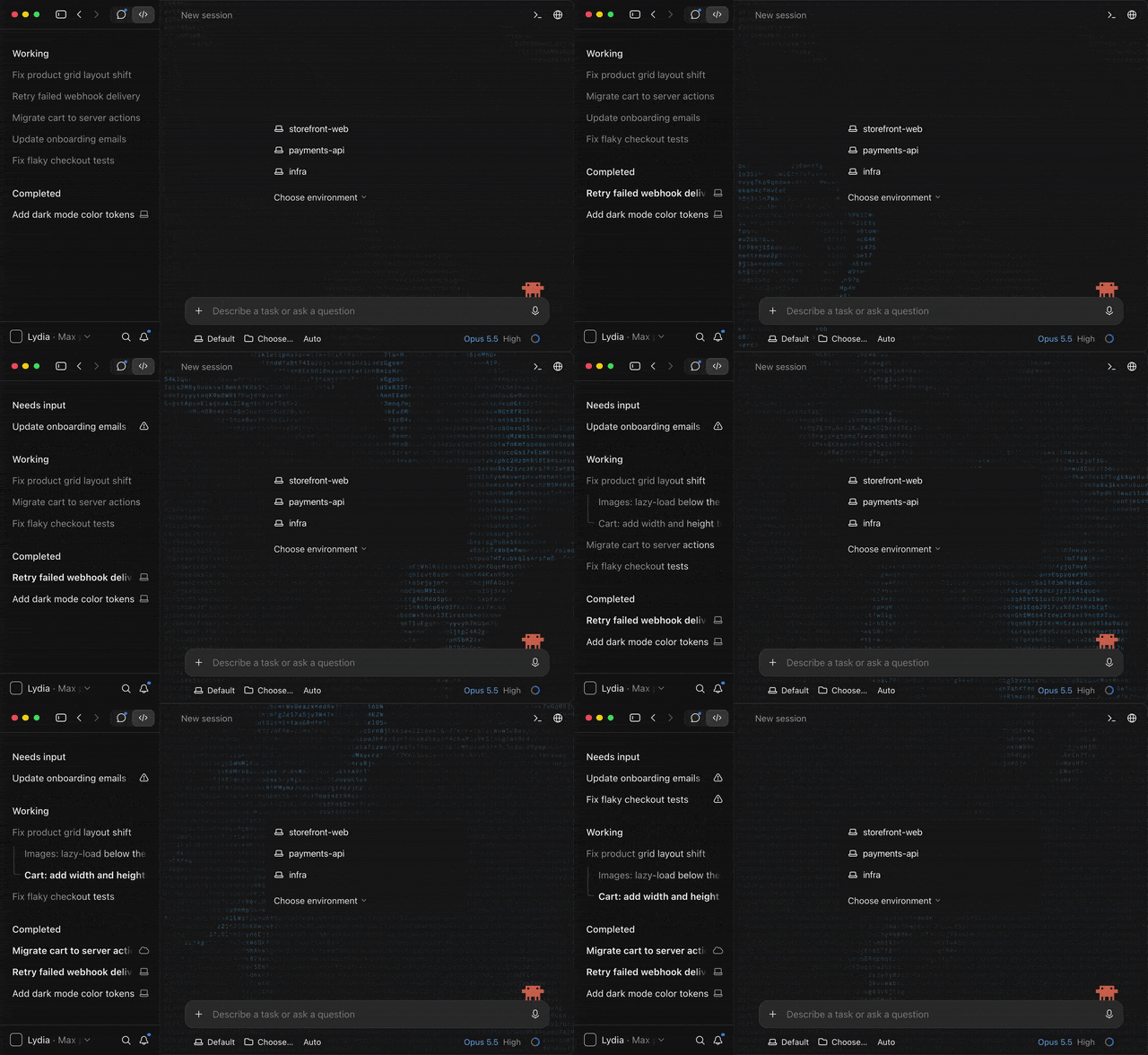
When Claude recognizes that these tasks can be processed in parallel, it instantly performs a "Shadow Clone Jutsu"—automatically creating an independent nested session for each subtask!
Even better is its information flow mechanism:

Underlying Concurrent Execution: Several sub-sessions start working simultaneously in the background, each reading context, modifying code, running tests, without interfering with each other.

Extremely Clean Main Thread: Their tedious intermediate trial-and-error and hundreds of lines of terminal output won't pollute the main conversation interface at all.

Automatic Summary and Reporting: When each sub-session finishes its work, it automatically reports the final execution results back to the main session neatly, just like a subordinate reporting to a director.

This way, the main thread maintains extremely high readability from start to finish.

Humans don't need to worry about the process of debugging those hundreds of lines of error messages in between. They can just sit in the main session, reviewing the final answers submitted by each AI like approving official documents.

If a Claude clone gets stuck or you want to see the details, you can click through to the underlying session at any time.

This round of upgrades makes it easier for the AI to work separately. But engineering acceptance still requires human oversight.

How Can a Person Keep Track of a Pile of AI Conversations?

When several Clauses start working together, you immediately run into another problem: who should you look at?

One is still analyzing code, one is running commands, and another might have stopped waiting for your decision. If you can only click into each one to check the records, the waiting time you saved gets eaten up by switching windows.

The new version moves these statuses to more visible positions.

The sidebar allows users to clearly see which sessions are working and which require personal intervention.

After entering a session, a real-time to-do list follows Claude's plan as it progresses; when it needs a user response, a review card will summarize the situation of this round.
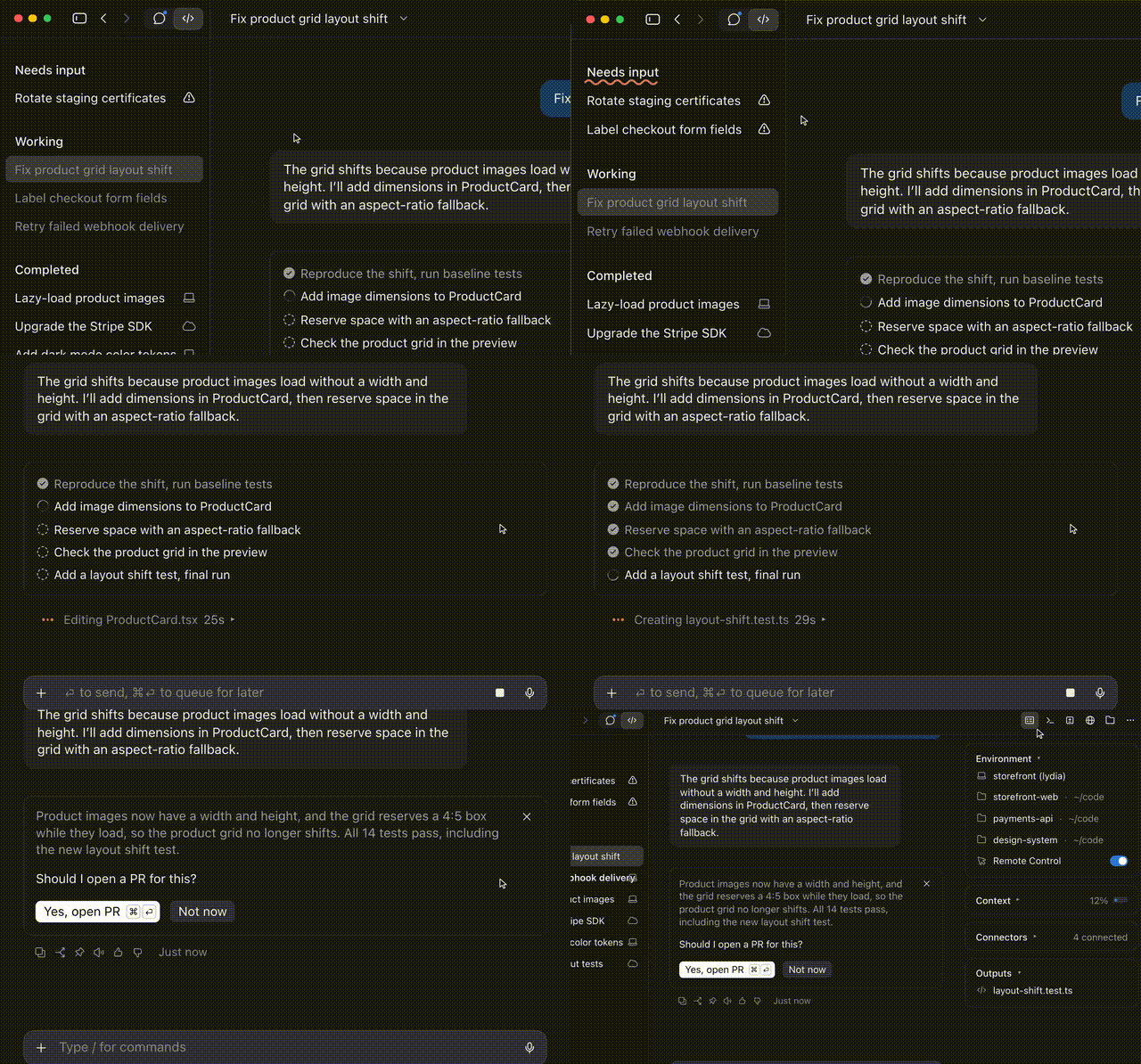
The side information bar displays the task's running location, context, and code changes.

Second-Level Entry into the "Battlefield," One-Click Environment Reuse

Besides concurrency during task execution, Anthropic has also taken "pre-work preparation" to the extreme this time.

Many full-stack architects' daily development environments are very complex: the front-end is in one folder, backend microservices are in another, and some long-running tasks even need to be run in the cloud.

Every time you restart the software or switch projects, it takes a long time just to configure these directories and connections properly.

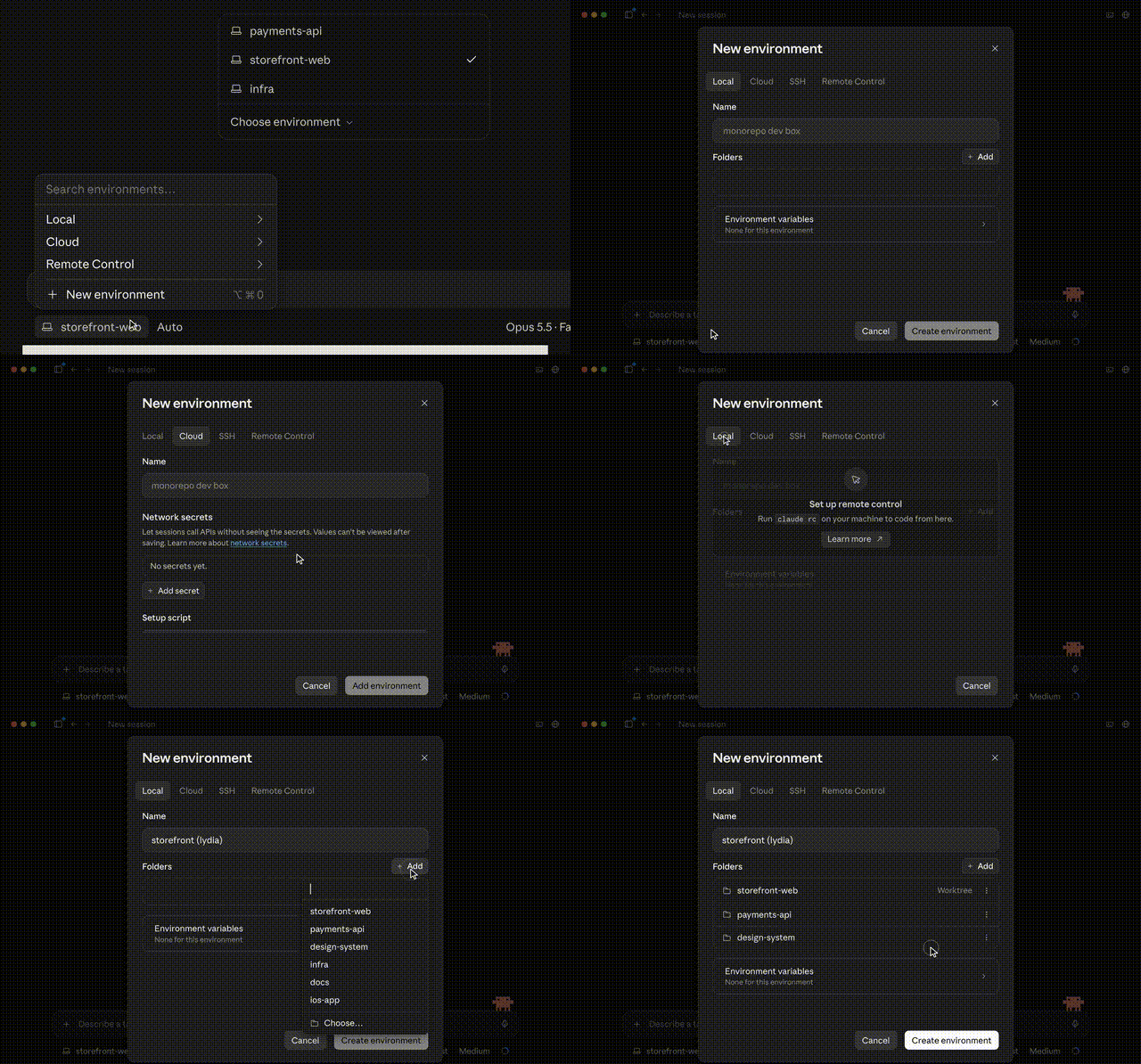
The new Claude Code has drastically restructured the "new session interface."

The core goal is four words: seamless continuation.

One-Click Access to Commonly Used Directories

When you open the interface, "Recently used folders" are directly placed in the most prominent position. No need to search through the system directory tree—just one click and you can start working right away.

Custom "Environment" Packaged and Saved

Now, you can package and save an entire complex development configuration directly as a named "Environment."

For example, a combination of several local folders, a specific SSH remote host, or a cloud runtime environment. The next time you need to use it, you can instantly launch the entire multi-directory, cross-end workbench with one click.
Native-Level Git Worktree Isolation

Since there are multiple concurrent sessions, wouldn't it be a problem if two AIs modify code in the same local folder simultaneously?

Anthropic has already thought of this for you!

When launching multiple sessions, the new CC directly provides the option for "Independent Worktree for each folder."

Just tick the box, and Claude will automatically use Git Worktree to pull up independent worktree branches for different parallel sessions.

Session A refactors the underlying architecture, Session B fixes an urgent online bug—both are physically isolated at the file level. No more worrying about code overwriting each other or the local environment crashing.

Detail-Obsessed, /btw to Chime in Anytime, Actively Recommends Follow-up Tasks

Why did Thariq marvel that the new Claude Code desktop version has "an extremely strong sense of self-awareness of its own capabilities"?

The answer lies in two clever interactive details: proactive recommendations and the /btw side conversation.

Previous AI tools were like "abacus beads"—you had to push them to move.

The new CC, while working, actively recommends the next steps based on the current changes.

No need to type for confirmation; just click once, and the follow-up suggestions will directly start running in the background as independent sessions! Additionally, the empty input box will intelligently display grey prompt suggestions, which can be instantly adopted by pressing the Tab key.
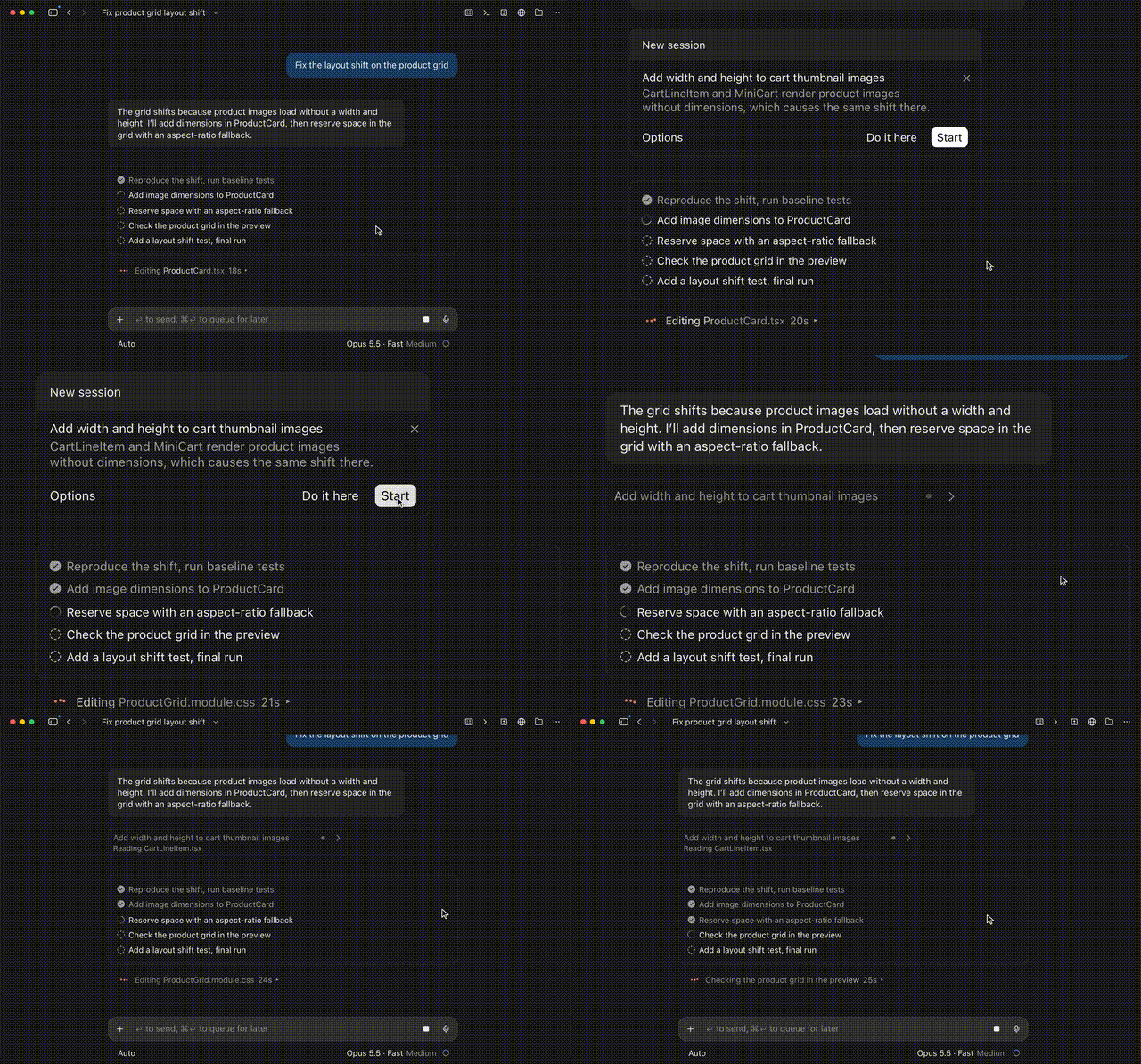
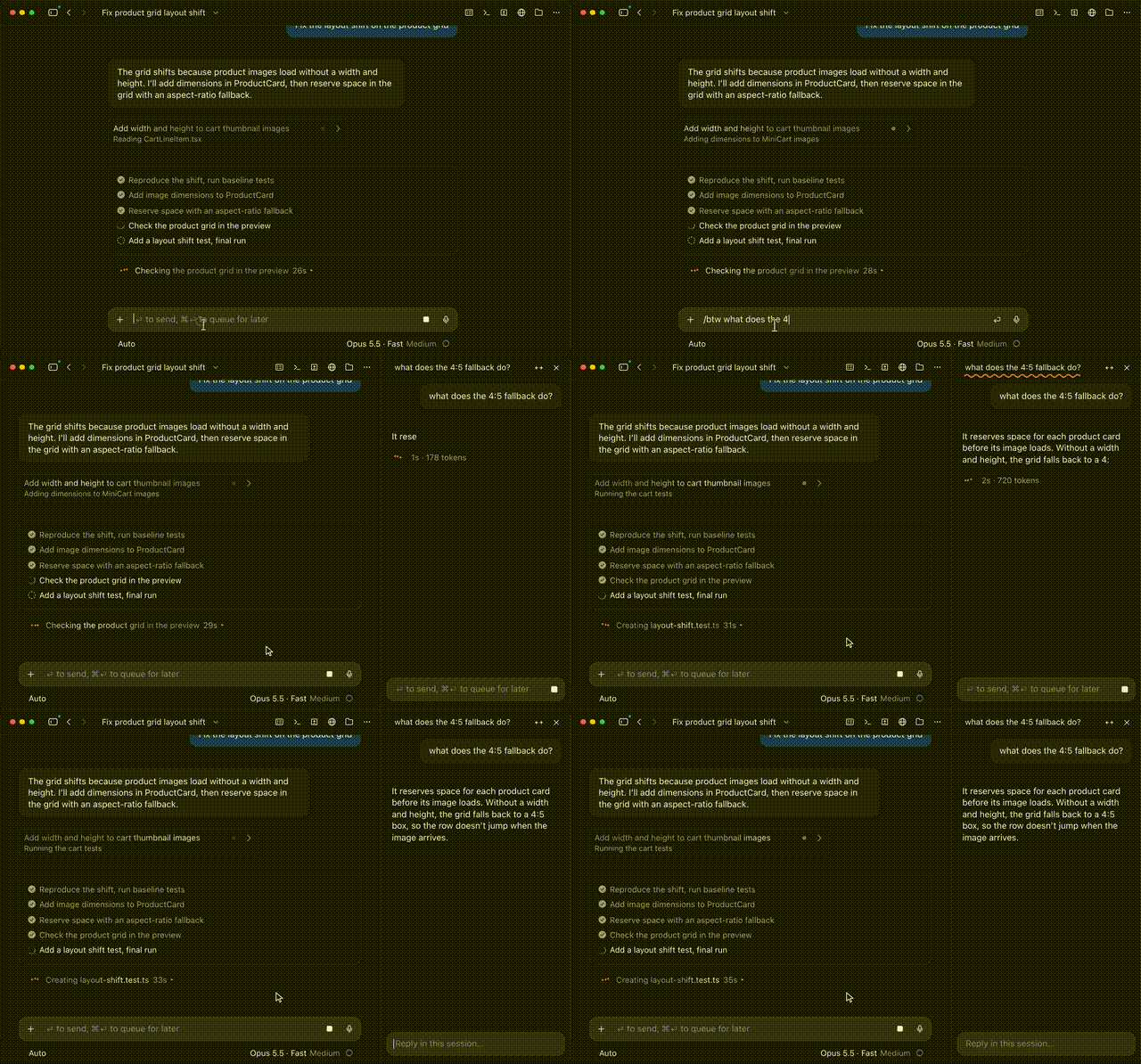
Another design that makes programmers applaud is the newly added /btw command (by the way).

During the main task progression, you inevitably have temporary questions, like "By the way, what's the default expiration time for this authentication token?"

Now, in CC, just type /btw (or use the shortcut Cmd + ; / Ctrl + ;):

The system immediately opens a side conversation in an independent tab, fully inheriting all the context from the main session up to that point, with no need to re-explain the background.

The main session continues at full speed, completely undisturbed! The side question will never pollute the main thread record. Once you resolve your doubt and close the tab, the main work remains clean.

This feature seems simple, but it solves a very fundamental pain point: The "flow state" should not be interrupted.

Programmers fear the "context-switching tax" the most. Every time they are interrupted and try to return to a state of deep work, it might take over ten minutes.

/btw allows people to resolve temporary questions without interrupting the main workflow. Often, efficiency is saved bit by bit in this way.
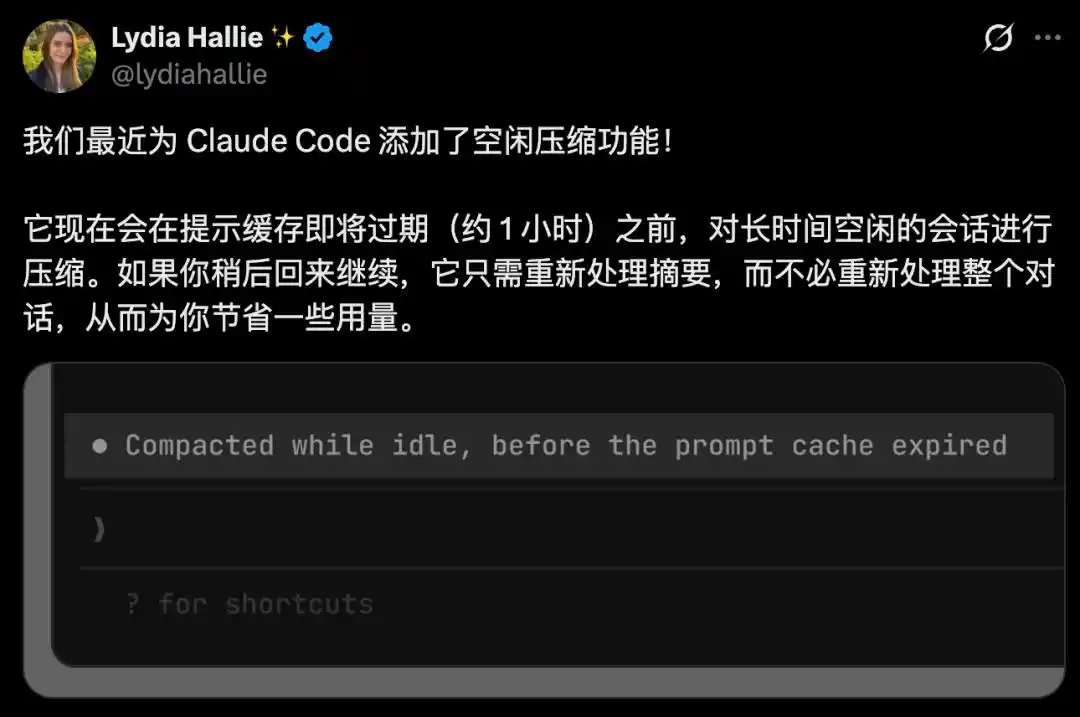
Moreover, Claude Code has added an "Idle Compaction" feature.

When a session remains idle for a long time, CC will automatically compress the session context before the prompt cache is about to expire (around 1 hour).

This retains critical context while reducing token consumption, saving on usage quotas.
The Second Half of AI Programming: Competing on "Team Leadership"

To put it bluntly, this major overhaul of the Claude Code desktop version directly pushes AI programming into its second half.

It's evolving from a single "AI Programming Assistant" into a full-fledged "Multi-Agent Collaboration Workbench."

Over the past two years, the AI coding competition focused on single-point capabilities—code completion, single-generation accuracy, scores on benchmarks like SWE-bench.

But today, the bottleneck has become "How can the AI simultaneously advance the development of ten modules without messing up the engineering?"

As Thariq said, Claude Code is highly aware of its capabilities and knows how to cooperate with humans by spawning sub-sessions.
Most importantly, under this new paradigm, the role of human developers has fundamentally shifted.

The era of single-threaded work is ending. The "Multi-Agent Parallel Engineering Army" for each individual is officially launched today.

References:

https://x.com/ClaudeDevs/status/2110445849516101743

https://code.claude.com/docs/en/desktop-quickstart

https://x.com/trq212/status/2110463962877989276

This article is from the WeChat public account "Xin Zhiyuan," author: Peach (Taozi).

Trending Cryptos

Related Questions

QWhat is the most significant new feature of the updated Claude Code desktop version?

AThe most significant new feature is the ability to automatically create nested sessions for parallel task execution, allowing multiple AI agents to work on different tasks concurrently and report results back to the main session without cluttering it.

QHow does the new Claude Code handle multiple sessions to prevent human oversight from becoming overwhelming?

AIt provides a side navigation bar showing the status of all sessions (e.g., working, waiting for input). It also uses real-time task lists and review cards within sessions to clearly summarize progress and indicate when human intervention is needed.

QWhat problem does the '/btw' command in Claude Code solve for developers?

AThe '/btw' command (meaning 'by the way') solves the problem of context-switching and broken 'flow state'. It allows developers to ask a follow-up or clarifying question in a separate tab with full context inheritance, without interrupting or polluting the main session's progress and conversation history.

QWhat is the purpose of the 'Idle Compaction' feature mentioned in the article?

AThe 'Idle Compaction' feature automatically compresses the context of a session that has been idle for a long time (around an hour) before the prompt cache expires. This preserves key context while reducing token consumption and saving on usage limits.

QAccording to the article, how is Claude Code's role evolving with this major update?

AClaude Code is evolving from a single 'AI programming assistant' into a 'multi-Agent collaboration workstation'. The competition is shifting from single-point capabilities (like code completion) to managing and coordinating multiple AI agents to handle complex, parallel engineering tasks effectively.

Related Reads

Nobel Laureate Hassabis Delivers Another Masterpiece: AlphaGenome 2 Deciphers 98% of Human DNA 'Dark Matter'

DeepMind has unveiled AlphaGenome 2, a next-generation DNA foundation model led by Nobel laureate Demis Hassabis. While AlphaFold decoded only the 2% of the human genome that encodes proteins, AlphaGenome 2 targets the remaining 98% of non-coding "dark matter," which harbors gene-regulatory switches and over 90% of disease-causing mutations. Released alongside a 78-page technical report, the model delivers four major breakthroughs. First, it achieves single-cell resolution, trained on over 107 million single cells across 68 human tissues, doubling the rate at which it identifies pathogenic mutations—raising detection from 16% to 30% and directional accuracy from 23% to 43% on the TenK10K immune-cell benchmark. Second, it reproduces years of Nature-published research purely through computation: with zero wet-lab experiments, it correctly identified a distant regulatory mutation that over-activates ETS2 across 290,000 bases to cause inflammatory bowel disease, and precisely located the regulatory site and GATAA core sequence targeted by approved sickle-cell CRISPR therapy. Third, a new cell encoder lets the model interpret previously unseen diseases from just dozens of patient cells without retraining—identifying 41% of pathogenic mutations in unseen Parkinson's brain samples versus 17% for a specialized model, and uncovering a hidden severe-COVID mutation active only in immune-activated T cells. Finally, DeepMind released free databases covering 640 real human cell types and impact scores for nearly 7 million genetic variants across 510 cell states, with APIs and Colab tutorials open for non-commercial research. The model will soon be packaged as Skills and integrated into Google Antigravity for direct use by Gemini 4, promising to dramatically shorten the cycle of disease investigation and drug discovery.

marsbit25m ago

Nobel Laureate Hassabis Delivers Another Masterpiece: AlphaGenome 2 Deciphers 98% of Human DNA 'Dark Matter'

marsbit25m ago

Midterm Elections Settled, What Lies Ahead for the CLARITY Act?

The CLARITY Act (Digital Asset Market Clarity Act), which had already struggled before the election, now faces dim prospects after Democrats swept both chambers in the midterms. On September 15, a Senate cloture motion on the House-passed bill failed 49-50, eleven votes short of the 60-vote threshold. All 49 yes votes came from Republicans; the opposition included all Democrats present, two independents, and four Republicans (Collins, Hawley, Moran, Tillis). Even if absentee Democrat Coons had voted yes and the four Republicans had flipped, the tally would have reached only 54—still short. The bill's core compromise would make the CFTC the primary regulator for digital commodities and trading platforms while preserving clear SEC authority; jurisdictional division and added ethics provisions are the main disputes. Democrats will control both chambers when the new Congress opens January 3, 2027, leaving little incentive to cooperate during the lame-duck session. Only two theoretical paths remain before the 119th Congress ends: renegotiate the text and hold another cloture vote via Tillis's reconsideration motion, or attach crypto market structure provisions to must-pass December legislation such as government funding (expiring December 11) or the NDAA. Both are unlikely, given the tight legislative calendar and Democratic leverage. Stablecoin oversight continues separately under the GENIUS Act and OCC rulemaking. If the bill dies, it must be reintroduced in the 120th Congress, where Democrats—likely led by Elizabeth Warren and Maxine Waters—are expected to draft a very different framework expanding SEC authority and narrowing the CFTC's role. Key things to watch before January 3: any new cloture vote or revised text, any attempt to attach provisions to funding or defense bills, outstanding vote counts in Alaska, Mississippi, and House districts, and the incoming committee chair selections. Absent such developments, the CLARITY Act is effectively finished as a 2026 legislative project.

marsbit26m ago

Midterm Elections Settled, What Lies Ahead for the CLARITY Act?

marsbit26m ago

4.8 Billion Dollars: Tether's Hand Has Reached Into 13 U.S. Public Companies

Tether, the world's largest stablecoin issuer, holds roughly $4.8 billion in public-market exposure across 13 U.S.-listed companies, according to a Protos review of regulatory filings. Its holdings span a controversial video platform, gold royalty companies, a satellite firm, bitcoin miners, and a bitcoin treasury project. Key positions include a 50.3% stake (including warrants) in Rumble (RUM), though voting power is capped below 9.9%; Rumble has also acquired Tether's Northern Data and counts Tether as its most important advertising client, committed to $50 million annually for two years. Tether and Bitfinex are controlling shareholders of Twenty One Capital (XXI), with rights to nominate four of seven directors, including Tether CEO Paolo Ardoino; the company trades at about 60% of its bitcoin value. In gold, Tether holds about 27% of Elemental Royalty (ELE), 12.6% of Gold.com (GOLD), 12.6% of Versamet Royalties (VMET), 14.6% of Metalla (MTA), 14.4% of Gold Royalty (GROY), 12% of Aurelion (AURE), and about 8% of Antalpha (ANTA). It also holds 19.7% of Bitdeer (BTDR) and a stake in Adecoagro (AGRO), plus shares in Satellogic (SATL), 9.9% of SDEV (down about 99%), and a stake in VCI Global (VCIG) via Oobit. Powerlaw Corp (PWRL) claims roughly $20 million in Tether equity. The exposure is concentrated in a few large holdings—Twenty One, Rumble, and Adecoagro—showing Tether's growing role as a multi-sector financial institution that also places executives in key positions.

marsbit51m ago

4.8 Billion Dollars: Tether's Hand Has Reached Into 13 U.S. Public Companies

marsbit51m ago

Trading

Spot

Hot Articles

How to Buy ONE

Welcome to HTX.com! We've made purchasing Harmony (ONE) simple and convenient. Follow our step-by-step guide to embark on your crypto journey.Step 1: Create Your HTX AccountUse your email or phone number to sign up for a free account on HTX. Experience a hassle-free registration journey and unlock all features.Get My AccountStep 2: Go to Buy Crypto and Choose Your Payment MethodCredit/Debit Card: Use your Visa or Mastercard to buy Harmony (ONE) instantly.Balance: Use funds from your HTX account balance to trade seamlessly.Third Parties: We've added popular payment methods such as Google Pay and Apple Pay to enhance convenience.P2P: Trade directly with other users on HTX.Over-the-Counter (OTC): We offer tailor-made services and competitive exchange rates for traders.Step 3: Store Your Harmony (ONE)After purchasing your Harmony (ONE), store it in your HTX account. Alternatively, you can send it elsewhere via blockchain transfer or use it to trade other cryptocurrencies.Step 4: Trade Harmony (ONE)Easily trade Harmony (ONE) on HTX's spot market. Simply access your account, select your trading pair, execute your trades, and monitor in real-time. We offer a user-friendly experience for both beginners and seasoned traders.

7.9k Total ViewsPublished 2024.03.29Updated 2026.09.28

How to Buy ONE

Discussions

Welcome to the HTX Community. Here, you can stay informed about the latest platform developments and gain access to professional market insights. Users' opinions on the price of ONE (ONE) are presented below.

活动图片