Turkmenistan Goes Crypto: Exchanges, Mining Now Legal

bitcoinistXuất bản vào 2026-01-03Cập nhật gần nhất vào 2026-01-03

Tóm tắt

Turkmenistan has officially legalized cryptocurrency exchanges and mining, although digital assets are not recognized as a legal means of payment. The new law, signed by President Serdar Berdymukhamedov in November, came into effect on January 1, allowing crypto companies to register. This marks a notable shift for the highly controlled and isolated Central Asian nation, whose economy relies heavily on natural gas exports. Meanwhile, neighboring Uzbekistan has also taken steps toward crypto regulation, approving a stablecoin payment initiative. Iran, another regional player, is reportedly selling military equipment for cryptocurrency to bypass Western sanctions. Despite these regulatory developments, Bitcoin has been consolidating recently, trading between $85,000 and $90,000, while altcoins have also shown limited price movement.

Turkmenistan has officially legalized crypto exchanges and mining, although digital assets are still not recognized as a means of payment.

Turkmenistan’s Crypto Legislation Now In Effect

As reported by Associated Press, the Asian nation of Turkmenistan officially recognized mining and exchanging cryptocurrency as legal on Thursday. The move comes after President Serdar Berdymukhamedov signed a law back in November, which allowed crypto companies to obtain registration starting January 1st.

Located in Central Asia, Turkmenistan was a constituent republic of the Soviet Union before gaining independence following the USSR’s dissolution in 1991. Today, the country is considered as one of the world’s most isolated, due to strict state control over media, internet access, and foreign business activity.

Home to a population of over seven million, Turkmenistan’s economy is dependent on its natural gas reserves, which rank as the fifth largest in the world. China is its main customer at the moment, with a pipeline project aimed at supplying gas to Afghanistan, Pakistan, and India in the works.

For a nation known for tight state control, the move to embrace crypto marks a notable shift. Though, while the country is now open to mining firms and exchanges, it still hasn’t legalized digital assets as a form of payment, currency, or security.

Turkmenistan isn’t the only Central Asian nation to have made developments related to the digital asset sector recently. Uzbekistan, located north of Turkmenistan, signed on an initiative related to stablecoin payments in November, approving a regulatory sandbox launch for January 1st.

Elsewhere in the region, Iran has taken an even bolder approach, offering to sell advanced weapons systems to foreign governments for crypto, according to a report from Financial Times. The nation is willing to exchange ballistic missiles, drones, and warships for digital assets in a bid to bypass western financial controls, per the report.

Bitcoin Has Been Stuck In Consolidation Recently

While nations move forward with crypto regulation, the market has been stuck in a phase of consolidation lately, with the Bitcoin price unable to settle on a direction.

As the below chart shows, BTC has been ranging between $85,000 and $90,000 during the last couple of weeks.

The trend in the price of the coin over the last month | Source: BTCUSDT on TradingView

The market slowdown has naturally not been restricted to just Bitcoin; the altcoins have also faced stale price action. Ethereum, for example, has positive returns of over 2% in the past month, which are not too different from BTC’s small decline of 2%.

Over the past day, Bitcoin has once again climbed toward the upper end of the range, with its price currently trading around $89,500. Considering the recent pattern, it’s possible that this recovery effort may also fizzle out, but it only remains to be seen how things will play out in the coming days.


Nội dung Liên quan

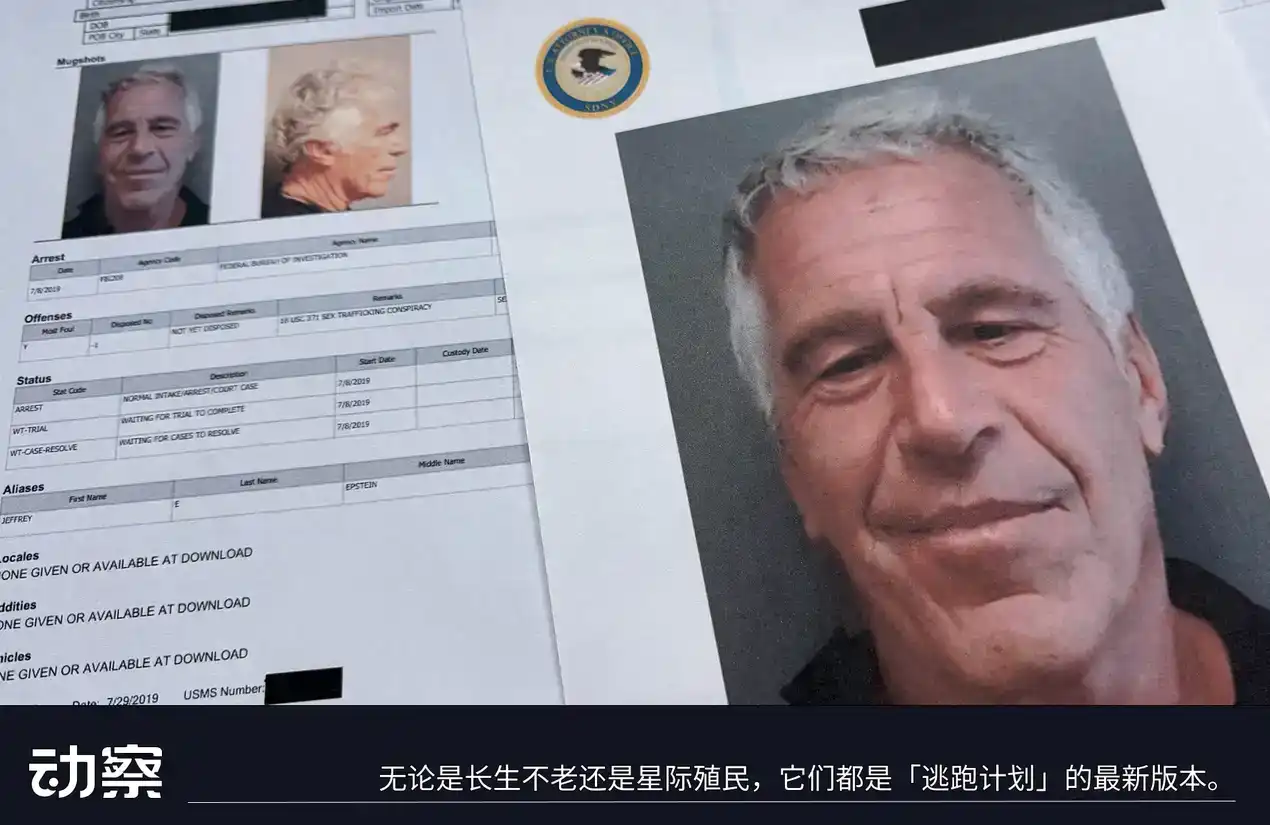
Thoát Khỏi Leviathan: Epstein, Thung Lũng Silicon và Cá Nhân Chủ Quyền

Trong một thế kỷ qua, giới siêu giàu không ngừng tìm kiếm những vùng đất ngoài pháp luật để che giấu tài sản. Từ tài khoản ngân hàng Thụy Sĩ cho đến các thiên đường thuế vùng Caribe, mỗi nơi trú ẩn đều dần bị lộ dưới ánh sáng của các quy định toàn cầu. Jeffrey Epstein trở thành một hình mẫu của xu hướng này. Ông ta không chỉ sở hữu hòn đảo tư nhân mà còn đầu tư mạnh vào tiền mã hóa, thông qua việc tài trợ cho các nhà phát triển Bitcoin cốt lõi tại MIT, nhằm mua ảnh hưởng đến tương lai của công nghệ này. Thông qua các bữa tối riêng tư ở Thung lũng Silicon, Epstein và các trí thức công nghệ như Peter Thiel, Elon Musk đã chia sẻ tầm nhìn về một thế giới mới, nơi "cá nhân có chủ quyền" thoát khỏi sự kiểm soát của nhà nước dân tộc. Cuốn sách "The Sovereign Individual" đã trở thành kim chỉ nam cho họ, dự đoán sự trỗi dậy của tiền tệ kỹ thuật số và sự suy tàn của quyền lực nhà nước. Tuy nhiên, tự do mà họ theo đuổi thực chất là sự tập trung của cải và quyền lực vào một nhóm nhỏ siêu giàu, làm gia tăng bất bình đẳng toàn cầu. Kế hoạch chạy trốn cuối cùng của họ bị cản trở bởi các quy định mới, như Khung Báo cáo Tài sản Mã hóa (CARF) vào năm 2026, thiết lập một mạng lưới giám sát thuế toàn cầu. Bị vây hãm trong không gian số, giới tinh hoa công nghệ lại chuyển hướng sang các giấc mơ lớn hơn: thoát khỏi cái chết nhờ công nghệ chống lão hóa hay thuộc địa hóa sao Hỏa. Câu chuyện của Epstein là một lời cảnh báo: khi công nghệ bị tách khỏi lợi ích công cộng và trở thành công cụ cho quyền lực tuyệt đối của số ít, nó sẽ tạo ra những hậu quả tàn khốc cho toàn xã hội.

marsbit1 giờ trước

Thoát Khỏi Leviathan: Epstein, Thung Lũng Silicon và Cá Nhân Chủ Quyền

marsbit1 giờ trước

Dự báo thị trường cạnh tranh khốc liệt, Hyperliquid mang theo 'Outcomes' gia nhập mạnh mẽ

Hyperliquid, nền tảng phái sinh crypto hàng đầu, đã công bố tính năng mới "Outcomes" để thâm nhập thị trường dự đoán trị giá nghìn tỷ. Tính năng này hoạt động với ba cơ chế chính: ký quỹ toàn phần (không có rủi ro thanh lý), thanh toán phi tuyến tính (linh hoạt như quyền chọn) và tích hợp nguyên sinh trên HyperCore, cho phép chia sẻ ký quỹ với các giao dịch spot và perpetual. Outcomes được kỳ vọng tận dụng lợi thế hiệu suất nguyên sinh của Hyperliquid để cạnh tranh với các đối thủ như Polymarket (tập trung vào quan điểm xã hội), Kalshi (thị trường tuân thủ) và Coinbase (tích hợp ứng dụng). Với đội ngũ chỉ 11 người nhưng hiệu suất cao, Hyperliquid đang kết hợp HIP-3 (niêm yết không cần cho phép) và HIP-4 để xây dựng một hệ sinh thái tài chính toàn diện. Dù Outcomes mới ở giai đoạn testnet và chưa có lịch ra mắt chính thức, động thái này được đánh giá sẽ bổ sung cho ma trận sản phẩm tài chính của nền tảng. Token HYPE đã tăng 10% sau thông báo, và nhiều nhà phân tích cho rằng vốn hóa 7 tỷ USD của Hyperliquid hiện đang bị đánh giá thấp so với tiềm năng.

marsbit1 giờ trước

Dự báo thị trường cạnh tranh khốc liệt, Hyperliquid mang theo 'Outcomes' gia nhập mạnh mẽ

marsbit1 giờ trước

Giao dịch

Giao ngay
Hợp đồng Tương lai
活动图片