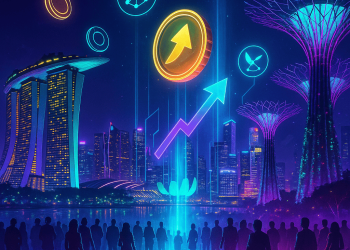
New Information Laundering in Prediction Markets: How Secrets Blend into Investment Signals

链捕手Xuất bản vào 2026-05-25Cập nhật gần nhất vào 2026-05-25

Tóm tắt

"The New Information Laundering in Prediction Markets: How Secrets Infiltrate Investment Signals In late February 2026, nine linked anonymous wallets on Polymarket placed over 80 bets on specific details of a US-Iran war, winning over $2.4 million with a 98% win rate. This exemplifies 'information laundering'—a destructive flaw inherent to prediction markets. These markets function by aggregating trader supply and demand on an order book to set prices, which represent collective probability estimates. This makes them valuable real-time sentiment indicators for institutions. However, the system cannot distinguish between public information and stolen secrets. Confidential information enters one end, and 'clean' market prices—bearing no trace of their illicit origin—emerge from the other. For example, an insider knowing of an imminent strike can buy contracts at low odds, pushing the price up and disguising the secret as a savvy market signal, then profit massively when the event occurs. Analysts can sometimes uncover these schemes due to the blockchain's transparency, as seen with Bubblemaps. Paradoxically, this same transparency can inadvertently broadcast secrets to adversarial observers, providing them with low-cost intelligence. Current laws, like insider trading regulations focused on corporate information, fail to address this issue, especially concerning events like military actions with no 'issuer.' Jurisdictional challenges are amplified as platforms operate offsh...

Author: Polyfactual

Compiled by: Hu Tao, ChainCatcher

In late February 2026, four anonymous wallets appeared on the Polymarket platform. These wallets had been created only days before and seemed brimming with confidence. Over the next few weeks, they placed over 80 bets on specific mechanisms of a US-Iran war, the timing of the first strike, the removal of Iran's Supreme Leader, and the announcement of a ceasefire. When Bubblemaps finally mapped this cluster of bets and linked the initial four wallets to five additional ones, it was discovered that these nine associated accounts had collectively won over $2.4 million in winnings with a win rate of 98%, despite many of the bets being placed at long odds.

This phenomenon now has a name, or at least a category: Information Laundering. To understand why it's so corrosive, one must first understand the nature of prediction market prices, because the mechanisms that make these markets function are the same ones that make them vulnerable to exploitation.

Stripped of its crypto wrapping, a PM contract is quite simple. Each share pays out $1 if correct and nothing if wrong. Because each binary question has only two outcomes, one YES share plus one NO share always equals $1. Therefore, a YES share priced at $0.36 indicates the market believes the prediction has a 36% chance of being correct.

Crucially, Polymarket doesn't set these prices. They originate from a trader order book (CLOB). Supply and demand among traders determine the price, and the displayed price is at the midpoint of the bid-ask spread. Herein lies perhaps its genius. In this model, the price isn't a bookmaker's opinion; it's the collective expectation of all traders in the order book. When new information emerges, like a strong jobs report or lower-than-expected CPI data, traders reprioritize, and the price adjusts accordingly. Effectively, the market becomes a continuously updating probability estimate, and financial institutions are willing to pay for this. Institutions like Bloomberg, Reuters, and hedge funds now purchase real-time access to Polymarket data feeds, viewing them as a faster market sentiment indicator than traditional polls.

The trap, however, is that a system designed to transform information into price cannot distinguish between public information and stolen information. The order book doesn't ask where your edge comes from; it just registers that you bought.

This is where the term "laundering" becomes apt. In traditional money laundering, dirty cash flows in one end, and clean, untraceable cash flows out the other. In information laundering, confidential information flows in one end, and a market price—bearing no trace—flows out the other.

For example, suppose someone knows a strike will happen in 48 hours, while the market currently prices it at 15%. Their buying pressure consumes all the sell orders in the order book, pushing the midpoint price up, say, to $0.35. To everyone else, this looks like a normal repricing, as if a trader made a sharp geopolitical call. The secret is neatly packaged into a clear signal. When the strike happens, YES contracts pay $1. Positions bought around $0.15 yield roughly a 6.7x return. The Maduro case from months ago illustrated this scale clearly. Prosecutors alleged the Army Sergeant turned roughly $34,000 in bets into about $400,000.

The laundering metaphor also fits the cover-up. Bubblemaps found the Iranian crime ring's losses were tiny, only a few hundred dollars, which the company believes were intentional to mislead investigators. A 98% win rate looks superhuman, but a 98% win rate with some trivial, deliberate losses looks almost like a very good trader.

Yet, the supreme irony is that these markets are more transparent than traditional exchanges. Even if account holders stay anonymous, every transaction is at least recorded on a public ledger. It's this openness that allows analysts using tools like Bubblemaps to reconstruct a nine-wallet conspiracy based on temporal correlation and volume, such as trades logged days before a market move on Feb 28th.

But this same transparency creates a secondary risk that deeply worries regulators. If outside analysts can decipher a coordinated group heavily betting on an attack, so can adversaries. Adversarial observers could spot anomalous trades and adjust their war plans and market predictions accordingly. An unusual spike in a certain war market is a low-cost, deniable intelligence source for anyone watching the chain. The launderers clean their information, and as a byproduct, broadcast the original secret to the world in abstracted form.

Why doesn't existing law simply cover this? Because traditional insider trading rules are built around stocks, material non-public information related to companies, earnings, M&A, executive disclosures, etc., not the timing of military operations. War has no "issuer," and no corporate insiders in the legal sense.

The geography of jurisdictions compounds the problem. U.S. federal law prohibits prediction markets from offering bets on wars or assassinations, but Maduro's bets were placed on Polymarket's offshore site, free from these constraints. And the barrier to entry is laughably low, easily circumvented by a $2-a-month VPN to bypass the U.S. ban. A KYC'd account is also simply for sale. Nonetheless, Washington is finally paying attention. On May 22nd, the House Oversight Committee launched a formal inquiry into prediction markets, demanding records on how they verify identities, enforce geographic restrictions, and handle suspicious trades related to Venezuela and Iran. Proposed bills, the 'No Death Bets Act' and the 'Financial Prediction Market Public Integrity Act,' aim to ban war betting and prohibit officials from trading using non-public information.

The brutal reality is that information laundering isn't a manufactured glitch in prediction markets; it's a side effect of their core operating mechanism. A market that perfectly transforms knowledge into price is, by its nature, going to reward those with the best information, including those who shouldn't have it. The hole can't be fully plugged without crippling the very mechanism that makes these markets more accurate than polls.

As the industry looks ahead, even adoption by just 1-2% of derivatives traders could push annual volume to $50 billion. The question is no longer if prediction markets work, but that they work too well. The question is whether a society can tolerate a machine that transforms its most closely guarded secrets into public, quotable, tradable numbers—and handsomely pays those who hold them.

Câu hỏi Liên quan

QWhat is 'information laundering' in the context of prediction markets, as described in the article?

AInformation laundering refers to the process by which secret or non-public information (e.g., stolen, classified, or insider knowledge) is used to place bets on prediction markets like Polymarket. This trading activity pushes the market price, which reflects collective probability estimates, to incorporate that secret information, thereby 'cleaning' it into an anonymous, legitimate-looking market signal. The illicit origin of the information is effectively laundered through the market's price mechanism.

QAccording to the article, what core feature of prediction markets like Polymarket makes them both effective and vulnerable to exploitation?

AThe core feature is that the market prices are not set by a central bookmaker but are derived from a central limit order book (CLOB), where the collective supply and demand of all traders set the price. This mechanism is effective because it creates a constantly updating probability estimate based on all available information. However, it is vulnerable because the system cannot distinguish between legitimate public information and illicit, non-public information used to place bets, making it susceptible to information laundering.

QHow did the nine connected wallets associated with the Iran case achieve a 98% win rate, and what deceptive tactic did they allegedly use?

AThe nine connected wallets achieved a 98% win rate by making over 80 specific bets on outcomes related to US-Iran conflict mechanisms, timing, and outcomes, which they presumably knew through non-public information. To make their success appear less suspicious and more like that of a skilled trader, they allegedly intentionally incurred minor, trivial losses amounting to only a few hundred dollars to mislead investigators analyzing their transaction patterns.

QWhat secondary risk does the transparency of blockchain-based prediction markets create, as mentioned in the article?

AThe transparency of all transactions on the blockchain allows analysts (or hostile actors) to detect anomalous trading patterns. This creates a secondary risk where adversarial observers (e.g., enemy states) can monitor these markets for unusual spikes in specific event contracts (like war-related bets). These spikes can serve as a low-cost, deniable intelligence source, potentially revealing impending real-world events (like military strikes) to anyone watching the chain, thus unintentionally broadcasting the original secret.

QWhy are traditional insider trading laws inadequate for addressing 'information laundering' in prediction markets on events like wars?

ATraditional insider trading laws are designed around securities (stocks) and focus on material non-public information related to specific companies, such as earnings or mergers. They are ill-suited for prediction markets on events like wars or assassinations because there is no 'issuer' (like a company) and no legal 'corporate insider' in the context of military operations or geopolitical events. This legal gap makes it difficult to prosecute individuals who trade on confidential state or military secrets in these markets.

Nội dung Liên quan

Kraken Lên Kế Hoạch Cung Cấp Hợp Đồng Tương Lai Vĩnh Viễn Được CFTC Quy Định Cho Nhà Giao Dịch Chuyên Nghiệp Hoa Kỳ

Kraken đang chuẩn bị ra mắt hợp đồng tương lai vĩnh viễn được CFTC quản lý cho các nhà giao dịch chuyên nghiệp đủ điều kiện tại Hoa Kỳ. Sản phẩm sẽ được cung cấp thông qua sàn phái sinh Bitnomial mà Kraken đã mua lại và dự kiến tích hợp vào nền tảng Kraken Pro. Hợp đồng tương lai vĩnh viễn là sản phẩm phái sinh crypto lớn toàn cầu, cho phép giao dịch không ngày đáo hạn. Tại Mỹ, các hạn chế quy định trước đây khiến nhà giao dịch có ít lựa chọn trong nước. Động thái của Kraken nhằm thu hẹp khoảng cách này, cung cấp một con đường được quản lý để tiếp cận sản phẩm chi phối khối lượng giao dịch crypto ở nước ngoài. Việc ra mắt sẽ tập trung vào các nhà giao dịch chuyên nghiệp đủ điều kiện. Các yếu tố cần theo dõi bao gồm điều khoản về tính đủ điều kiện, thiết kế hợp đồng, tài sản được hỗ trợ và quan trọng nhất là thanh khoản khi ra mắt. Thành công của sản phẩm có thể mở đường cho nhiều sản phẩm tương lai vĩnh viễn được quản lý khác tại thị trường Mỹ, đưa sản phẩm phái sinh chủ chốt này tiến gần hơn đến cơ sở hạ tầng thị trường nội địa được quản lý.

bitcoinist4 giờ trước

Kraken Lên Kế Hoạch Cung Cấp Hợp Đồng Tương Lai Vĩnh Viễn Được CFTC Quy Định Cho Nhà Giao Dịch Chuyên Nghiệp Hoa Kỳ

bitcoinist4 giờ trước

Sự Ra Mắt Của Warsh: Chủ Tịch Fed Hiểu Crypto Nhất Lịch Sử Sẽ Mang Đến Bất Ngờ Hay Cú Sốc Cho Thị Trường?

Tân Chủ tịch Cục Dự trữ Liên bang Kevin Warsh, người được mệnh danh là chủ tịch FED "hiểu rõ về Crypto nhất trong lịch sử", sắp có buổi họp báo chính sách đầu tiên trong bối cảnh thử thách ba mặt: lạm phát quay trở lại, áp lực giảm lãi suất từ Tổng thống Trump và kỳ vọng thị trường về việc tăng lãi suất. Khác với người tiền nhiệm, Warsh có cái nhìn sâu sắc về tài sản số, từng coi Bitcoin như "cảnh sát tốt cho chính sách" và nhấn mạnh giá trị sản xuất của ngành công nghiệp blockchain. Tuy nhiên, ông cũng nổi tiếng là người theo chủ nghĩa diều hâu về lạm phát. Sự kết hợp giữa "lãi suất chặt chẽ" và "quy định thân thiện" từ ông có thể trở thành yếu tố cốt lõi định giá tài sản mã hóa. Bài viết phân tích tác động từ ba khía cạnh: 1. **Chuyển đổi khuôn mẫu kỳ vọng quy định:** Từ phòng thủ sang tích hợp và đổi mới, có thể thúc đẩy các khung pháp lý rõ ràng hơn, hỗ trợ ổn định do khu vực tư nhân phát hành. 2. **Định giá lại lộ trình lãi suất và phần bù rủi ro:** Một chủ tịch hiểu biết và giao tiếp rõ ràng có thể giảm bớt phí bảo hiểm bất định, có lợi về cấu trúc cho thị trường. 3. **Tái phân bổ dòng vốn toàn cầu:** Kinh nghiệm đầu tư cá nhân của Warsh truyền tải tín hiệu về sự chấp nhận chính thống, có thể thúc đẩy các quỹ thể chế truyền thống phân bổ tài sản số. Hai kịch bản chính được đưa ra: * **Ngạc nhiên thú vị:** Nếu Warsh thể hiện thái độ ôn hòa và công nhận giá trị của tài sản số, thị trường có thể được tiếp thêm sức mạnh. * **Cú sốc:** Nếu ông phát tín hiệu tăng lãi suất mạnh mẽ, tài sản rủi ro, bao gồm crypto, có thể chịu áp lực bán. Mặc dù Warsh đã bán các khoản nắm giữ liên quan đến crypto để tuân thủ quy tắc đạo đức, nhưng sự hiểu biết thực sự của ông về công nghệ blockchain được kỳ vọng sẽ đặt nền tảng cho việc chính thống hóa tài sản số về lâu dài, vượt ra ngoài các phản ứng thị trường ngắn hạn.

marsbit5 giờ trước

Sự Ra Mắt Của Warsh: Chủ Tịch Fed Hiểu Crypto Nhất Lịch Sử Sẽ Mang Đến Bất Ngờ Hay Cú Sốc Cho Thị Trường?

marsbit5 giờ trước

XRP Ledger Ra Mắt Rebrand XRPLd Cùng Với Bản Nâng Cấp Phiên Bản 3.2.0

Phiên bản 3.2.0 của XRP Ledger đã chính thức ra mắt, đánh dấu một bước nâng cấp quan trọng cho cơ sở hạ tầng blockchain cốt lõi. Lần này, các nhà phát triển đã đổi tên phần mềm vận hành mạng từ "rippled" thành "xrpld" để phù hợp hơn với toàn bộ hệ sinh thái của dự án. Bản cập nhật tập trung chủ yếu vào các cải tiến back-end và hiệu suất thay vì tính năng người dùng mới. Các tối ưu hóa bộ nhớ được giới thiệu có khả năng tiết kiệm tới 40% lượng bộ nhớ máy chủ, đồng thời chuẩn bị kiến trúc phần mềm cho việc mở rộng quy mô trong tương lai. Về mặt bảo mật, bản sửa đổi `fixCleanup3_2_0` mang lại nhiều cải thiện cho các mô-đun như kho lưu ký tài sản đơn, giao thức cho vay, sàn giao dịch phi tập trung và mã thông báo đa năng. Các kiểm tra bất biến mới được thêm vào để đảm bảo tính toàn vẹn của sổ cái khi tài khoản bị xóa. Một khả năng mới cho nhà phát triển là ứng dụng có thể truy xuất thông tin định nghĩa giao thức và máy chủ XRP Ledger mà không cần kết nối trực tiếp, hỗ trợ đáng kể việc phát triển ví, công cụ khám phá chuỗi khối và API. Các thay đổi về khả năng mở rộng và ổn định bao gồm kích thước khối có thể cấu hình, hỗ trợ lưu trữ cơ sở dữ liệu hiệu quả qua nuDB, và việc hỗ trợ máy chủ gRPC cho TLS/mutual TLS trở thành tùy chọn. Cổng kết nối ngang hàng mặc định cũng được đổi từ 51235 sang 2459. Các tính năng kiểm tra bất biến giao dịch tạm thời bị vô hiệu hóa trong phiên bản 3.2.0 do ảnh hưởng đến hiệu suất, nhưng không gây rủi ro bảo mật.

TheNewsCrypto5 giờ trước

XRP Ledger Ra Mắt Rebrand XRPLd Cùng Với Bản Nâng Cấp Phiên Bản 3.2.0

TheNewsCrypto5 giờ trước

AGI không phải là điểm kết thúc, nghiên cứu mới của DeepMind: Hướng tới ASI, tiến bộ AI thực sự mới chỉ bắt đầu

DeepMind mới đây công bố nghiên cứu cho rằng AGI (Trí tuệ nhân tạo phổ quát) không phải là điểm cuối. AI sẽ tiếp tục phát triển vượt qua khả năng của các nhóm chuyên gia con người hàng đầu, hướng tới ASI (Trí tuệ siêu nhân tạo). Báo cáo phân biệt ba khái niệm: AGI (năng lực nhận thức tương đương mức trung bình của con người), ASI (vượt trội con người trong hầu hết lĩnh vực quan tâm), và UAI (giới hạn lý thuyết tối thượng). Nghiên cứu đề xuất bốn con đường tiềm năng để chuyển từ AGI sang ASI: 1. Mở rộng quy mô tính toán, mô hình và dữ liệu. 2. Tiến hóa thuật toán, có thể thay đổi mô hình mới. 3. Tự cải thiện đệ quy, tạo phản hồi tích cực. 4. Điều phối đa tác tử và trí tuệ tập thể. Đồng thời, báo cáo chỉ ra sáu điểm nghẽn chính: giới hạn dữ liệu chất lượng cao, áp lực tài nguyên và kinh tế, hạn chế của mô hình mạng nơ-ron hiện tại, nghiên cứu ngày càng khó khăn, rào cản trừu tượng, cùng các vấn đề quản lý và phản ứng xã hội. Khi AI vượt con người, các phương pháp đánh giá truyền thống sẽ mất ý nghĩa. Cần xây dựng hệ thống đánh giá mới cho thời kỳ hậu AGI. ASI không phải là hệ thống toàn năng, vẫn chịu ràng buộc bởi các quy luật vật lý, độ phức tạp tính toán, dữ liệu, tài nguyên và tốc độ phản hồi thực tế. Tương lai phát triển của AI vẫn chứa nhiều bất định, đòi hỏi một nỗ lực liên ngành quy mô lớn để theo dõi và ứng phó.

marsbit6 giờ trước

AGI không phải là điểm kết thúc, nghiên cứu mới của DeepMind: Hướng tới ASI, tiến bộ AI thực sự mới chỉ bắt đầu

marsbit6 giờ trước

Kraken Ra Mắt Hợp Đồng Perpetual Trước IPO Cho OpenAI Và Anthropic Với Đòn Bẩy Lên Đến 5x

Kraken đã ra mắt hợp đồng tương lai vĩnh viễn (perps) tiền IPO cho hai công ty trí tuệ nhân tạo hàng đầu là OpenAI và Anthropic. Các hợp đồng này cho phép các nhà giao dịch đủ điều kiện mở vị thế mua (long) hoặc bán (short) đối với các công ty tư nhân được theo dõi sát sao này trước khi họ lên sàn chứng khoán, với đòn bẩy lên tới 5x. Sản phẩm này đánh dấu một bước tiến trong việc mở rộng cơ sở hạ tầng phái sinh tiền mã hóa sang các tài sản ngoài chuỗi, cung cấp cho các nhà giao dịch một cách tiếp cận thay thế để có thể tiếp xúc với các công ty tư nhân vốn thường khó tiếp cận. Tuy nhiên, hợp đồng tiền IPO có những rủi ro đặc thù. Khác với các hợp đồng vĩnh viễn cho tiền mã hóa có giá cả minh bạch, định giá công ty tư nhân phụ thuộc vào nhiều yếu tố như các vòng gọi vốn, giao dịch thứ cấp và kỳ vọng về thời điểm IPO. Điều này khiến việc định giá và quản lý rủi ro trở nên phức tạp hơn. Việc sử dụng đòn bẩy cao có thể khuếch đại lợi nhuận nhưng cũng làm gia tăng đáng kể rủi ro thua lỗ và thanh lý. Do đó, các nhà giao dịch cần hiểu rõ bản chất của sản phẩm mới và các rủi ro độc đáo của thị trường tư nhân trước khi tham gia.

bitcoinist6 giờ trước

Kraken Ra Mắt Hợp Đồng Perpetual Trước IPO Cho OpenAI Và Anthropic Với Đòn Bẩy Lên Đến 5x

bitcoinist6 giờ trước

Giao dịch

Giao ngay
Hợp đồng Tương lai

Bài viết Nổi bật

Làm thế nào để Mua F

Chào mừng bạn đến với HTX.com! Chúng tôi đã làm cho mua Synfutures (F) trở nên đơn giản và thuận tiện. Làm theo hướng dẫn từng bước của chúng tôi để bắt đầu hành trình tiền kỹ thuật số của bạn.Bước 1: Tạo Tài khoản HTX của BạnSử dụng email hoặc số điện thoại của bạn để đăng ký tài khoản miễn phí trên HTX. Trải nghiệm hành trình đăng ký không rắc rối và mở khóa tất cả tính năng. Nhận Tài khoản của tôiBước 2: Truy cập Mua Crypto và Chọn Phương thức Thanh toán của BạnThẻ Tín dụng/Ghi nợ: Sử dụng Visa hoặc Mastercard của bạn để mua Synfutures (F) ngay lập tức.Số dư: Sử dụng tiền từ số dư tài khoản HTX của bạn để giao dịch liền mạch.Bên thứ ba: Chúng tôi đã thêm những phương thức thanh toán phổ biến như Google Pay và Apple Pay để nâng cao sự tiện lợi.P2P: Giao dịch trực tiếp với người dùng khác trên HTX.Thị trường mua bán phi tập trung (OTC): Chúng tôi cung cấp những dịch vụ được thiết kế riêng và tỷ giá hối đoái cạnh tranh cho nhà giao dịch.Bước 3: Lưu trữ Synfutures (F) của BạnSau khi mua Synfutures (F), lưu trữ trong tài khoản HTX của bạn. Ngoài ra, bạn có thể gửi đi nơi khác qua chuyển khoản blockchain hoặc sử dụng để giao dịch những tiền kỹ thuật số khác.Bước 4: Giao dịch Synfutures (F)Giao dịch Synfutures (F) dễ dàng trên thị trường giao ngay của HTX. Chỉ cần truy cập vào tài khoản của bạn, chọn cặp giao dịch, thực hiện giao dịch và theo dõi trong thời gian thực. Chúng tôi cung cấp trải nghiệm thân thiện với người dùng cho cả người mới bắt đầu và người giao dịch dày dạn kinh nghiệm.

Tổng lượt xem 394Xuất bản vào 2024.12.21Cập nhật vào 2026.06.02

Làm thế nào để Mua F

Thảo luận

Chào mừng đến với Cộng đồng HTX. Tại đây, bạn có thể được thông báo về những phát triển nền tảng mới nhất và có quyền truy cập vào thông tin chuyên sâu về thị trường. Ý kiến ​​của người dùng về giá của F (F) được trình bày dưới đây.

活动图片