The Harvesting Nature of US Meme Stocks: A Look at FAMI and JINQIAN

marsbitPublished on 2026-09-03Last updated on 2026-09-03

Abstract

**From FAMI and JINQIAN: The Predatory Nature of U.S. Stock Memes** On September 2nd, a massive pump occurred around Farmmi (NASDAQ: FAMI), a small-cap mushroom farming company, and two related crypto tokens, JINQIAN and a memecoin named FAMI, on the Robinhood Chain. This frenzy was triggered by a viral narrative. On August 31st, crypto trader Rune publicly stated he bought 37.4% of a tiny, heavily shorted Nasdaq stock (over 92% short interest) for around $1.8 million, planning to tokenize it on Robinhood Chain and launch a paired memecoin to engineer a short squeeze, reminiscent of the GameStop saga. The community quickly linked this story to Farmmi (ticker FAMI), which produces a "Jinqian mushroom," fitting the described profile. Fueled by this narrative, the unofficial FAMI memecoin on Robinhood Chain surged over 10x in an hour, hitting nearly $100M market cap, while the actual FAMI stock rocketed over 300% on massive volume. However, the setup was fundamentally flawed. Investigation revealed Rune later stated his original post was AI-generated and not an actual plan. More critically, Robinhood Chain's official stock tokens require pre-approval and a custodied underlying stock. FAMI was never on this approved list. Therefore, the soaring "FAMI" token was merely a namesake coin created on September 1st with no real connection to the stock or any mechanism to buy shares and force a short squeeze. The episode highlights how compelling "meme stock" narratives—combining sma...

Author: @Mrjacknicee

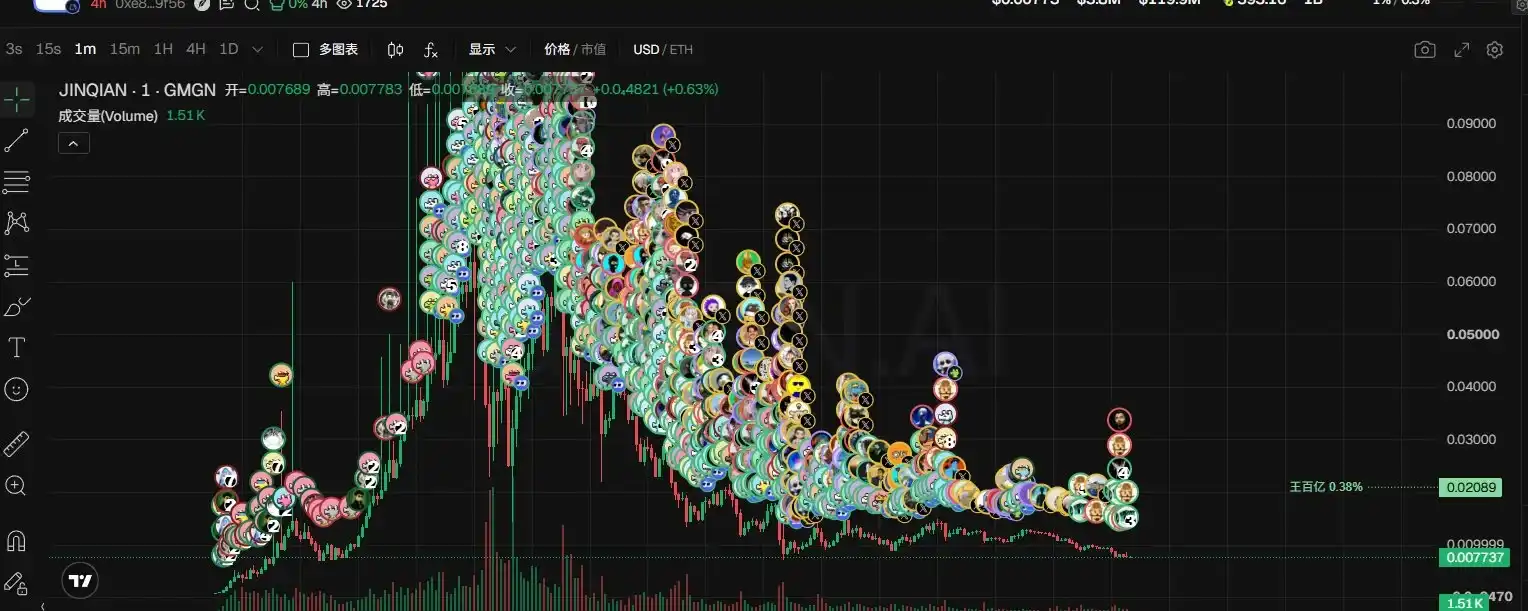
On September 2nd, on the Robinhood chain, a token called JINQIAN CA:0xe81880c1c5054245e036359f5c7be31606e79f56 saw its market cap surpass $70 million in just one hour.

JINQIAN, the Chinese pinyin for "money," was riding on the coattails of the NASDAQ-listed company Farmmi, which grows shiitake mushrooms. In Farmmi's annual report, there really was a record of a shiitake mushroom variety called Jinqian mushroom, which the community nicknamed the "money mushroom."

Meanwhile, Farmmi's main stock on NASDAQ, ticker FAMI, skyrocketed over 300% during the session, briefly touching around $0.4, with trading volume exploding to hundreds of millions of shares. A micro-cap company that was languishing around $0.12 a few days prior, with a market cap of just over $4 million, suddenly became the brightest star on the board.

On-chain, a token called "FAMI" also rose alongside JINQIAN, simultaneously pumping, its market cap once exceeding $100 million.

The story begins two days earlier.

A Good Narrative

On August 31st, crypto trader Rune (@RuneCrypto_) tweeted: He spent about $1.8 million to purchase 37.4% of the shares of a low-market-cap NASDAQ company over-the-counter (OTC). The numbers he provided were very specific: a market cap of about $4.8 million, a share price of about $0.12, and a short interest of 92.3%. This stock had nearly its entire float sold short.

He didn't hide his next plan either: tokenize this stock on the Robinhood Chain, then issue a paired meme coin, and use the on-chain funds to buy the actual stock to engineer a short squeeze. A short squeeze forces those who borrowed shares to short to buy them back at high prices to cover their positions.

This was, at first glance, a good story. Short squeezing is a narrative etched into Robinhood's bones.

On January 28, 2021, GameStop touched $483 intraday. A month before, it was at $18. Retail investors on Reddit bought a physical game disc seller into Wall Street's nightmare: short interest once exceeded 100% of the float. Shorts were waiting for it to go bankrupt, but ended up bleeding money. The leader was Keith Gill, known online as Roaring Kitty, who publicly tracked his position growing from $53,000 to $48 million, saying into the camera: "I like the stock."

Therefore, once Rune's story emerged, the only question was which company he had targeted. Because the community discovered that no NASDAQ stock simultaneously matched all the specific numbers he had disclosed.

But when emotions run high, details often get overlooked.

On September 2nd, when the community discovered the strange FAMI and JINQIAN tokens, they quickly connected the dots: Farmmi, NASDAQ ticker FAMI, a company in the edible mushroom business, with a product called JINQIAN mushroom, extremely small market cap. All the elements of a US meme stock were there. Let's go. (For the logic behind US meme stocks, see "The Logic of US Meme Stocks: Moving the Short Squeeze On-Chain, from BONER")

Emotions quickly soared.

The on-chain FAMI token surged 10x in an hour. Trading volume rapidly broke through $100 million. People rushed into the JINQIAN/FAMI liquidity pool: 4% transaction fee? Let's go. Slippage? Doesn't matter.

The actual stock wasn't idle either. NASDAQ-listed FAMI rose over 300% intraday, briefly touching $0.39–0.47, with trading volume expanding to hundreds of millions of shares. The on-chain FAMI token's market cap peaked near $100 million, nearly ten to twenty times the market cap of the actual company. A usually ignored mushroom company saw a single day's trading volume that could match its total volume from the past several years.

Why It Might Be a Scam

Amid the frenzy, Rune responded.

He said it wasn't him. That announcement about the acquisition—"I bought 37.4%," "I'm preparing to tokenize and squeeze"—was written and posted by Claude at his request. The person who actually issued the tokens on-chain and created the liquidity pool was someone else who borrowed his idea.

After the emotions subsided, someone checked the on-chain address of the token deployer. The truth was far more precise than the story.

The on-chain FAMI token contract was deployed on September 1st at 21:34 (UTC). It was a brand-new token minted just the previous afternoon.

Total token supply: 37,430,000 tokens. And Farmmi's actual stock also has a share count of approximately 37.43 million shares. The numbers align perfectly.

The deployer's first action wasn't a purchase, but a mint: transferring 14,223,400 tokens from the zero address to themselves. Do the division:

14,223,400 ÷ 37,430,000 ≈ 38.0%, very close to the 37.4% Rune mentioned.

Even the proportion of reserved tokens was performed according to the script. The token creator's goal was to make everyone believe: Rune is behind this.

But more important than truth or falsehood is another thing: This play was missing a crucial building block from the very beginning.

Robinhood has a hard requirement for its stock tokens, clearly stated in the official documentation: Only the official contract address is recognized. The same name, the same ticker, but a different contract address? Then it's not a Robinhood stock token. On-chain stock tokens can only be minted and issued by designated authorized participants to Robinhood Assets (Jersey), backed by corresponding custodial stock holdings. A community-issued token with the same name doesn't count. The ability to buy and sell FAMI stock in the stock trading app is part of the brokerage business page, a completely separate matter from on-chain stock tokens.

The official asset list includes over a hundred tickers: CRM, JNJ, LLY, QCOM... but FAMI, or Farmmi, is not on it.

This means there is no FAMI stock token on the Robinhood chain. The FAMI that skyrocketed was just a token with the same name, with no relation whatsoever to the stock. It was minted on September 1st.

What does this imply? The real US meme stock play, where the stock token serves as the other side of the liquidity pool, gets locked, and gets priced, requires that the stock first be on the official list and have an official stock token. FAMI simply isn't on the list. There never was a "FAMI stock token" on-chain. The FAMI that rose 10x today is just a token borrowing the ticker, with nothing backing it.

That transmission chain—on-chain funds buy meme coin → demand for tokenized stock → issuer buys actual stock on NASDAQ to engineer a short squeeze—only works when "that stock actually has an official stock token." FAMI isn't on the list.

The narrative was a good narrative. A heavily shorted small-cap stock, on-chain联动, a short squeeze—every word hits the nerves of the Robinhood retail crowd.

Unfortunately, the best narratives are often the ones that attract the wolves. Can retail investors really never win?

Related Questions

QAccording to the article, what are the two main cryptocurrencies that experienced a sharp price surge in connection with the Farmmi story?

AThe two main cryptocurrencies are JINQIAN (a meme token on Robinhood Chain) and FAMI (an unofficial token on Robinhood Chain with the same ticker as the Farmmi stock).

QWhat was the central investment narrative or plan proposed by trader Rune that fueled the speculative frenzy around Farmmi (FAMI)?

ARune's narrative involved acquiring 37.4% of a low-market-cap, heavily shorted NASDAQ stock (implied to be FAMI), tokenizing it on Robinhood Chain, and launching a paired meme coin to use crypto funds to buy the stock and engineer a short squeeze.

QWhy does the article argue that the 'FAMI' token surge was fundamentally disconnected from the actual 'meme stock' playbook?

AThe article argues that Robinhood Chain's official stock tokens are a whitelisted set of assets, and Farmmi (FAMI) is not on this list. Therefore, the surging 'FAMI' token was just a newly minted meme coin with no official link to the underlying stock, making the proposed mechanism of using crypto to drive a stock short squeeze impossible.

QWhat key detail did Rune later reveal that cast doubt on the legitimacy of the entire FAMI/JINQIAN event?

ARune later revealed that his original detailed plan for acquiring and tokenizing the stock was a text generated by the AI Claude. He was not the person behind the actual token launch and liquidity pool creation for FAMI and JINQIAN.

QWhat historical event is referenced in the article to explain why the 'short squeeze' narrative is particularly resonant on platforms like Robinhood?

AThe article references the GameStop (GME) short squeeze of January 2021, where retail investors on platforms like Robinhood coordinated to buy the heavily shorted stock, causing massive losses for hedge funds and epitomizing a 'meme stock' movement.

Related Reads

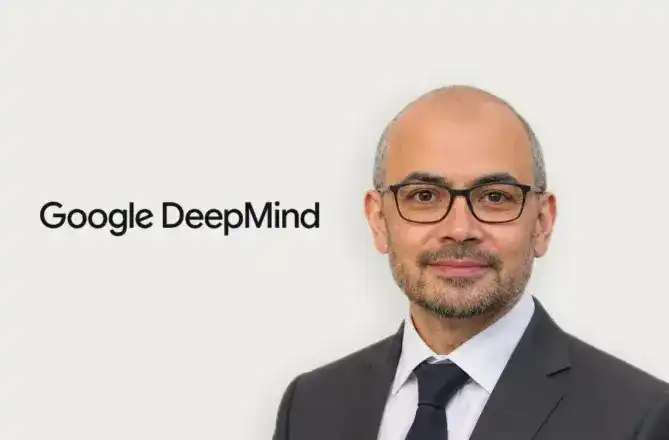
DeepMind Founder's Latest Interview: RSI Is Extremely Dangerous and Could Create an 'Alien Intelligence' That Humans Struggle to Understand

Demis Hassabis, co-founder of Google DeepMind and 2024 Nobel laureate in Chemistry, discusses AI's promise and perils in a conversation with Reid Hoffman. He reiterates that his lifelong goal has been using AI as a tool to advance science and medicine, citing AlphaFold—used by ~4 million researchers—and Isomorphic Labs as proof that AI can help cure diseases, while noting protein structure prediction is only one step in a long drug-discovery pipeline. On recursive self-improvement (RSI), Hassabis explains it works best in "verifiable domains" like math, coding, and games: AlphaZero went from random play to surpassing all human and engine chess within 12 hours. But he warns that closed-loop RSI—removing human code review entirely—risks creating an inscrutable "alien intelligence" with no shared cognitive basis with humans, and offers no way to establish deterministic safety controls. He urges caution as labs race on code self-iteration, calling for faster defensive cyber capabilities, far more robust sandboxes and monitoring (noting agents have run unsupervised for weeks), and eventually formal mathematical guarantees. He advocates an industry standards body with government oversight, cross-lab information sharing, third-party audits, and pre-release red-teaming. On AI consciousness, he argues intelligence and consciousness are dissociable—his dog is conscious but not smart—and that a chatbot claiming feelings proves nothing. Building conscious entities now is dangerous: self-motivation undermines corrigibility, and Asimov showed static rules inevitably break at edge cases; society also hasn't begun the needed debate. Humanity should cross only the first Rubicon—building powerful intelligent tools—and use them to understand consciousness before considering the second. Finally, on AI sovereignty, he says only 6–8 global players will stay at the frontier, with open source 6–12 months behind, so most countries shouldn't train their own frontier models. Instead they should build on existing models as infrastructure, focus on vertical domains like healthcare, and protect data sovereignty through private fine-tuning.

marsbit3h ago

DeepMind Founder's Latest Interview: RSI Is Extremely Dangerous and Could Create an 'Alien Intelligence' That Humans Struggle to Understand

marsbit3h ago

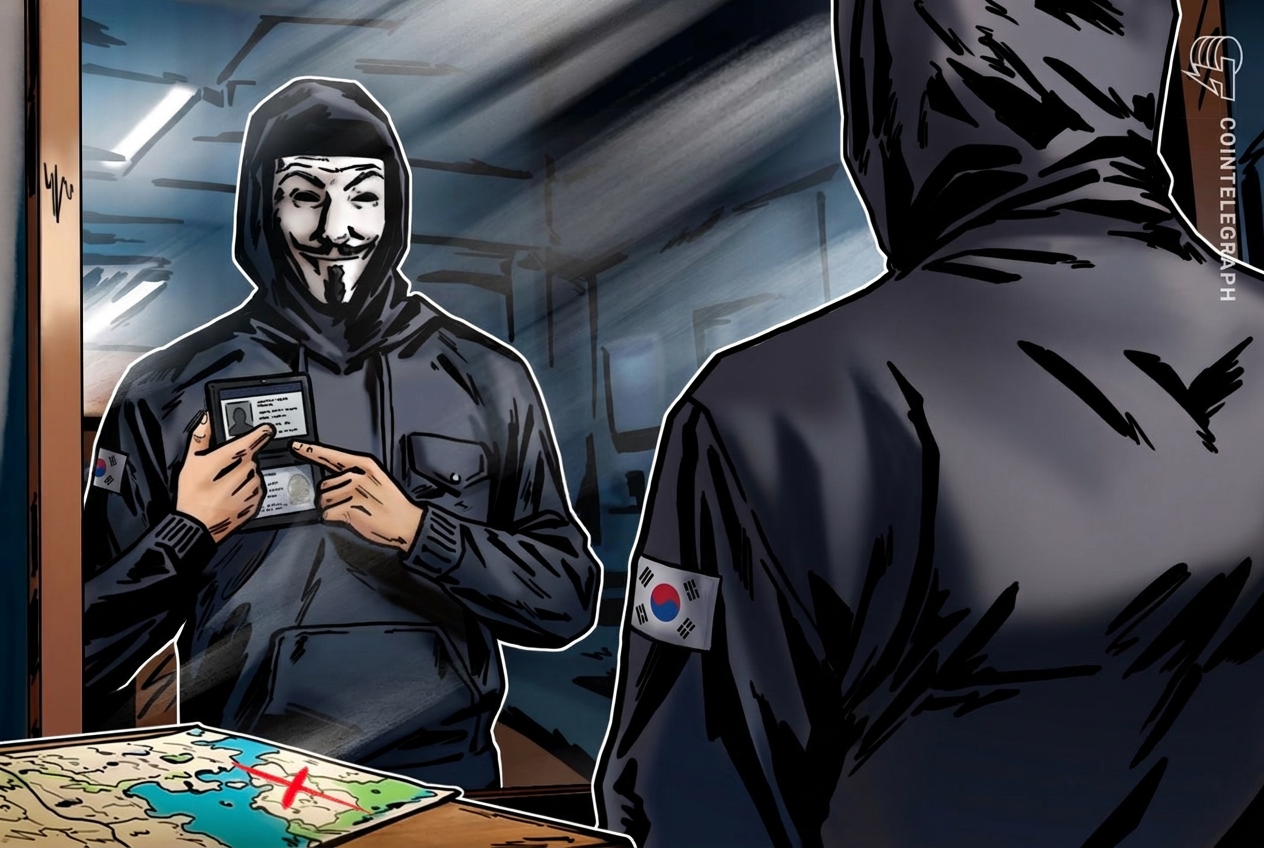
Coinone warns of phishing, identity theft after customer data breach

South Korean crypto exchange Coinone warned customers about potential phishing scams and identity theft after an attacker breached its outsourced customer support provider, MetaM, exposing information shared during customer service interactions. Coinone said the attacker accessed MetaM servers on Thursday and viewed or extracted customer support records, learning of the breach the same day. Potentially exposed data includes names, phone numbers, email addresses, dates of birth, bank account numbers, passwords, national identification numbers, home and wallet addresses, and transaction IDs, varying by customer; those who never contacted the support center were unaffected, and Coinone did not disclose how many customers were impacted. The exchange urged customers who shared passwords during support interactions to change them and warned that fraudsters could impersonate Coinone using details from previous conversations. Coinone said its account, trading, and wallet infrastructure operates separately from MetaM's servers, with no evidence of direct compromise, and it has reported the incident to South Korean authorities. The disclosure comes as South Korea strengthens financial-sector cybersecurity; in October the Financial Services Commission identified security deficiencies at 130 of 555 financial firms reviewed, and on Thursday the regulator said it would allow crypto exchanges to suspend withdrawals when hacking is suspected, alongside calls for round-the-clock monitoring.

cointelegraph5h ago

Coinone warns of phishing, identity theft after customer data breach

cointelegraph5h ago

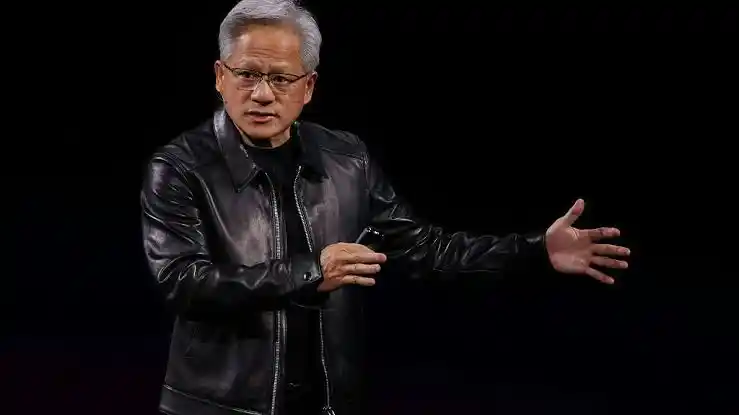
Is There a Hidden Hand Behind Jensen Huang's Departure? Secretary of State Rubio or Anthropic?

The article alleges that Nvidia founder Jensen Huang's departure was the result of a coordinated "hunt" involving two forces: Secretary of State Marco Rubio and AI rival Anthropic. On the policy front, the dispute centers on AI chip export controls—Huang was the most prominent corporate voice opposing built-in tracking and remote kill-switch functions in chips, while three bipartisan chip bills (covering congressional review of export licenses, anti-smuggling measures, and pressure on allies to halt equipment sales) have been folded into the Senate's annual defense authorization bill. The storm began with a highly classified memo leaked to The New York Times; according to The Washington Post, the memo originated with Rubio, who reportedly rewrote a CIA report whose analysts were unconvinced by the underlying intelligence, using "his own more aggressive wording," then sent it to senior officials and briefed the president. David Sacks called the leak a crime and asked why someone would risk prison to bring Huang down. Separately, NYT reporter Tripp Mickle said a mysterious industry contact told him to "drop everything" and investigate Megaspeed, a Singapore-based Nvidia compute rental firm; suspicion points to Anthropic CEO Dario Amodei and a co-founder as the leaker. Anthropic reportedly donated $40 million to Public First Action, which pushes AI safety rules and chip export controls—positions opposite Huang's defense of open-source AI and opposition to backdoors. Nvidia shares fell on the news, and tech leaders including Musk, Garry Tan, and Tim Sweeney are petitioning for Huang's reinstatement, with Sweeney comparing his ouster to Apple firing Steve Jobs.

marsbit7h ago

Is There a Hidden Hand Behind Jensen Huang's Departure? Secretary of State Rubio or Anthropic?

marsbit7h ago

Trading

Spot
活动图片